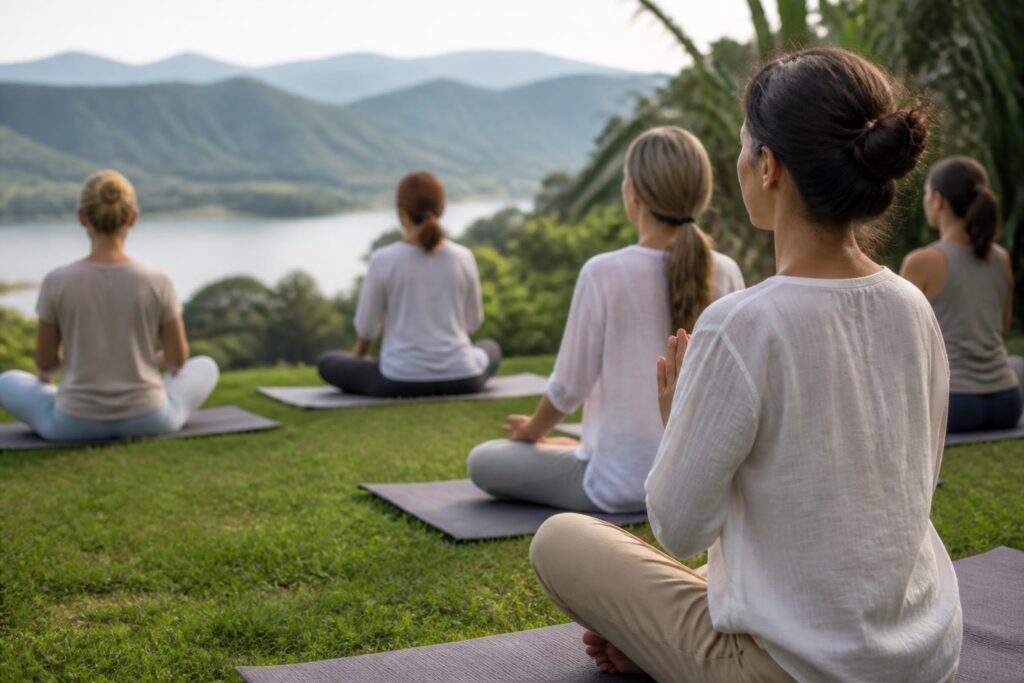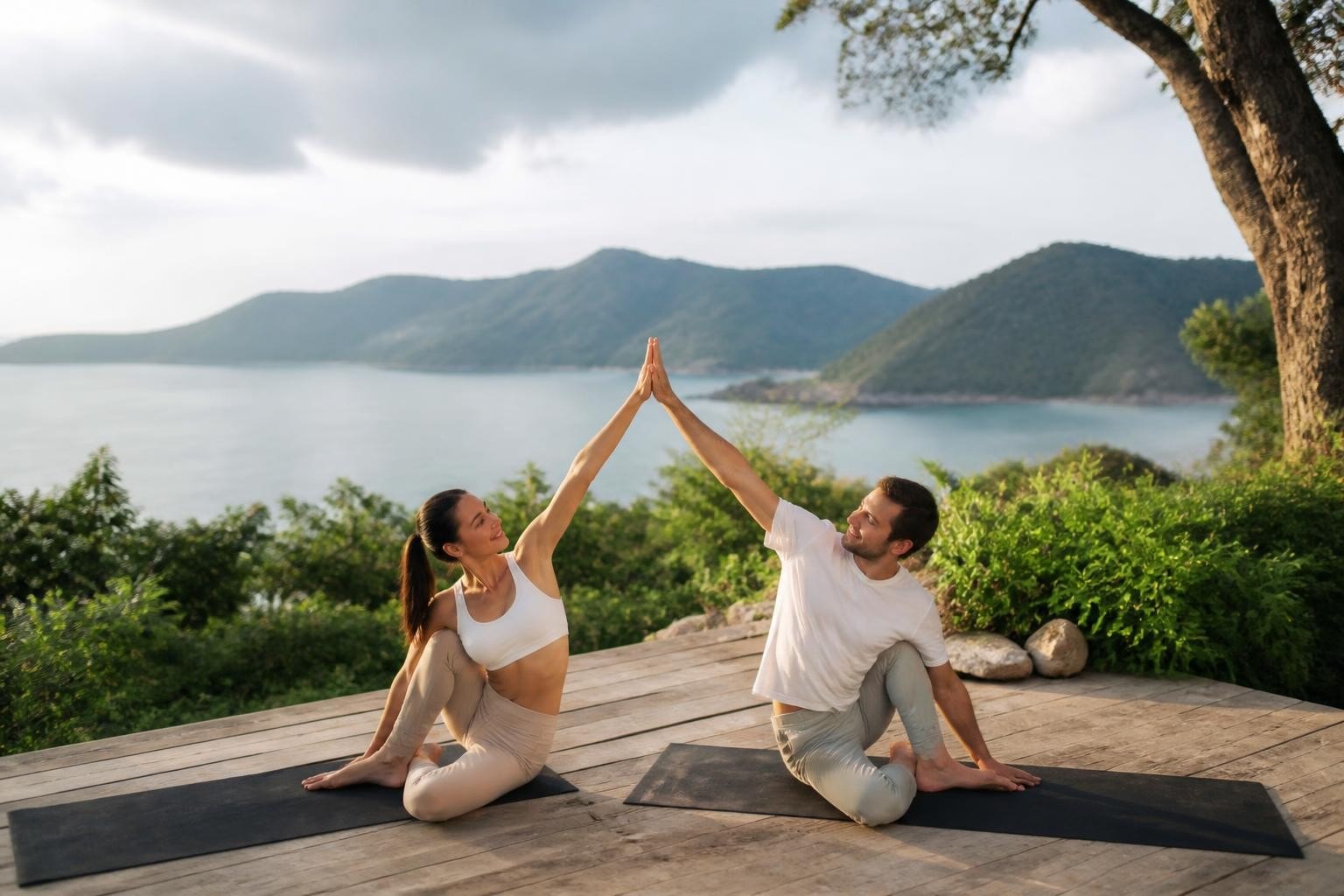
Modern relationships face unprecedented pressures, from digital distractions to work-life imbalance and the lingering effects of global uncertainty. Many couples find themselves living parallel lives rather than deeply connected partnerships. A couples wellness retreat offers a powerful reset, combining evidence-based relationship practices with restorative environments to help partners reconnect, heal, and grow together. Unlike traditional vacations that simply provide escape, these immersive experiences create lasting behavioral change through intentional programming, professional guidance, and shared vulnerability in settings designed to promote both individual and relational wellbeing.
Research demonstrates that intensive retreat formats produce measurable improvements in relationship satisfaction, communication patterns, and emotional intimacy. The wellness tourism sector has grown significantly as couples seek meaningful experiences over material possessions, with relationship-focused travel representing one of the fastest-growing segments.
Shared novel experiences trigger neurological processes that strengthen pair bonds. A peer-reviewed study on vacations and self-expansion found that couples who engage in new activities together experience increased relationship quality through mechanisms of shared growth and identity expansion. This research validates what many couples intuitively understand: breaking routine patterns and experiencing something extraordinary together creates opportunities for rediscovery.
Evidence-based programs incorporate assessment tools that track outcomes beyond subjective satisfaction. The Gottman Institute’s research spanning decades has identified specific interventions that reliably improve relationship outcomes, many of which translate effectively into intensive retreat formats.
Key measurable benefits include:
A systematic review of residential health retreats found significant improvements across mental health, stress reduction, and quality of life measures that persisted for months following retreat participation. When these benefits combine with relationship-specific programming, couples experience compounded positive effects.

Not all retreats serve the same purpose or couple. Clarifying your intentions ensures you select an experience aligned with your relationship's current needs and growth edge.
Begin by honestly evaluating where your relationship stands. Are you fundamentally strong but seeking enrichment? Navigating a specific transition like career changes or becoming parents? Working through betrayal or considering separation? Different retreat formats serve different relationship stages.
| Relationship Stage | Primary Focus | Ideal Program Elements |
|---|---|---|
| Thriving/Enrichment | Deepening intimacy, shared growth | Adventure activities, mindfulness practices, communication enhancement |
| Transitional | Adapting to change, realignment | Visioning exercises, stress management, future planning workshops |
| Distressed | Repair, healing, rebuilding trust | Clinical interventions, trauma-informed approaches, intensive therapy |
| Crisis/Deciding | Clarity, decision-making | Individual sessions, discernment counseling, structured dialogue |
Understanding this framework helps couples choose appropriately. A couples wellness retreat in Costa Rica's Nicoya Blue Zone region, for instance, might emphasize the thriving and transitional categories through nature immersion, physical activities, and relationship enrichment rather than clinical repair.
The retreat setting profoundly influences outcomes. Natural environments reduce cortisol levels and promote parasympathetic nervous system activation, creating ideal conditions for emotional processing and connection.
Consider these environmental factors:
Destinations in Blue Zones like Nicoya, Costa Rica offer additional benefits. The lifestyle practices of these longevity hotspots naturally support relationship wellness through emphasis on community, movement, purpose, and stress reduction.
Effective couples wellness retreat programming balances structure with flexibility, combining evidence-based interventions with space for organic connection and play.
Structured skill-building sessions teach practical tools couples can implement immediately and sustain after returning home. Evidence-based couple therapy approaches like Emotion-Focused Therapy provide frameworks for understanding attachment needs and healing relational injuries.
Essential skills modules include:
These aren't abstract concepts but practiced behaviors. Effective retreats incorporate role-playing, real-time coaching, and feedback that allows couples to integrate new patterns while supported by facilitators.
Relationship dynamics live in the body, not just the mind. Chronic stress creates muscular armoring, shallow breathing, and nervous system dysregulation that directly impact relational capacity. A comprehensive couples wellness retreat addresses this physical dimension.
Practices might include:
When couples engage in jungle hikes or swim together in bioluminescent waters, they're not just sightseeing. These shared physical experiences create embodied memories of collaboration, wonder, and mutual support that become reference points for the relationship's positive potential.
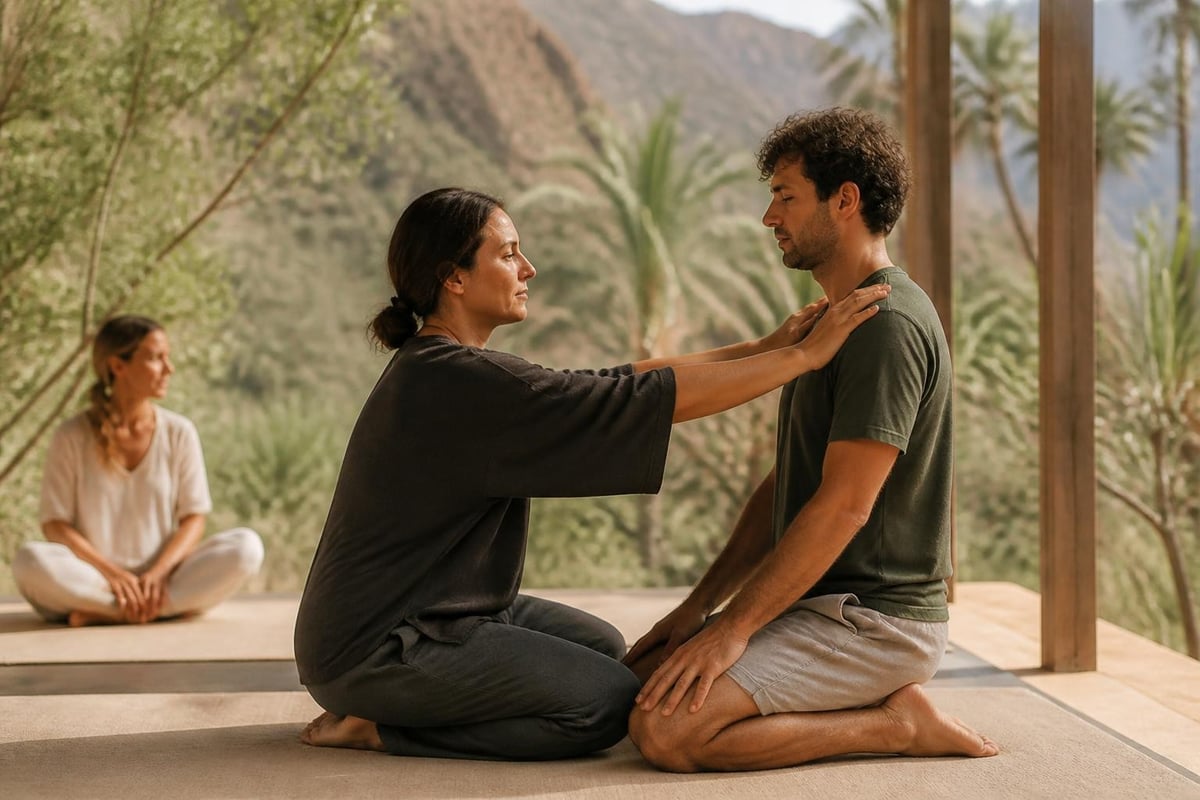
The food couples consume during retreats affects mood, energy, inflammation, and cognitive function, all of which influence relational dynamics. Many programs incorporate nutritional education alongside carefully designed meals that support optimal wellbeing.
| Nutritional Strategy | Relationship Benefit | Implementation Example |
|---|---|---|
| Anti-inflammatory diet | Reduced irritability, better mood regulation | Whole foods, omega-3 rich meals, minimal processed ingredients |
| Blood sugar stabilization | Sustained energy, fewer mood crashes | Balanced macronutrients, regular meal timing |
| Hydration optimization | Improved cognition, stress resilience | Structured water intake, electrolyte balance |
| Mindful eating practices | Present-moment awareness, gratitude | Silent meals, appreciation rituals, cooking together |
Learning to prepare healing meals together provides both practical skills and metaphors for nourishing the relationship. Couples discover how patience, following recipes (or improvising), and sharing the results mirror healthy relationship patterns.
Approximately 70% of adults have experienced at least one traumatic event, and many carry relational trauma from family of origin experiences or previous partnerships. Trauma-informed approaches ensure couples wellness retreat programming remains safe and accessible for all participants.
Effective facilitators establish clear boundaries, consent practices, and opt-out options for every activity. Participants should never feel pressured into vulnerability beyond their comfort level. Safety enables authentic connection; pressure creates performance and shutdown.
Key trauma-informed principles:
Some couples arrive with one partner more invested than the other, or with significant power imbalances. Quality programs include intake processes that assess readiness and screen for active abuse, making referrals when retreat participation isn't appropriate.
Modern couples come in infinite varieties: different genders, sexual orientations, relationship structures, cultural backgrounds, abilities, and life stages. Inclusive retreats design programming that serves this diversity rather than assuming a heteronormative, monogamous default.
Language matters enormously. Facilitators should use gender-neutral terms, avoid assumptions about relationship history or future plans, and create space for couples to define their own relationship values and goals rather than imposing external standards.
Successful retreat experiences require thoughtful preparation beyond simply booking dates and flights. Couples who invest time in pre-retreat planning maximize their investment and outcomes.
Duration selection: Weekend intensives create quick momentum but limited depth. Week-long programs allow time for initial resistance to dissolve, patterns to emerge, and new behaviors to practice repeatedly. Choosing the right retreat length depends on schedule constraints, budget, and relationship complexity.
Preparation steps:
The wellness hospitality sector increasingly recognizes responsibility for environmental and social impact. Conscious couples often seek retreats aligned with their values regarding sustainability, local community benefit, and ecological stewardship.
When evaluating retreat operators, consider:
The Sustainable Hospitality Alliance provides frameworks for assessing these dimensions. Retreats in protected regions like Costa Rica's Nicoya Peninsula often demonstrate strong environmental values inherent to preserving the landscapes that make them special destinations.
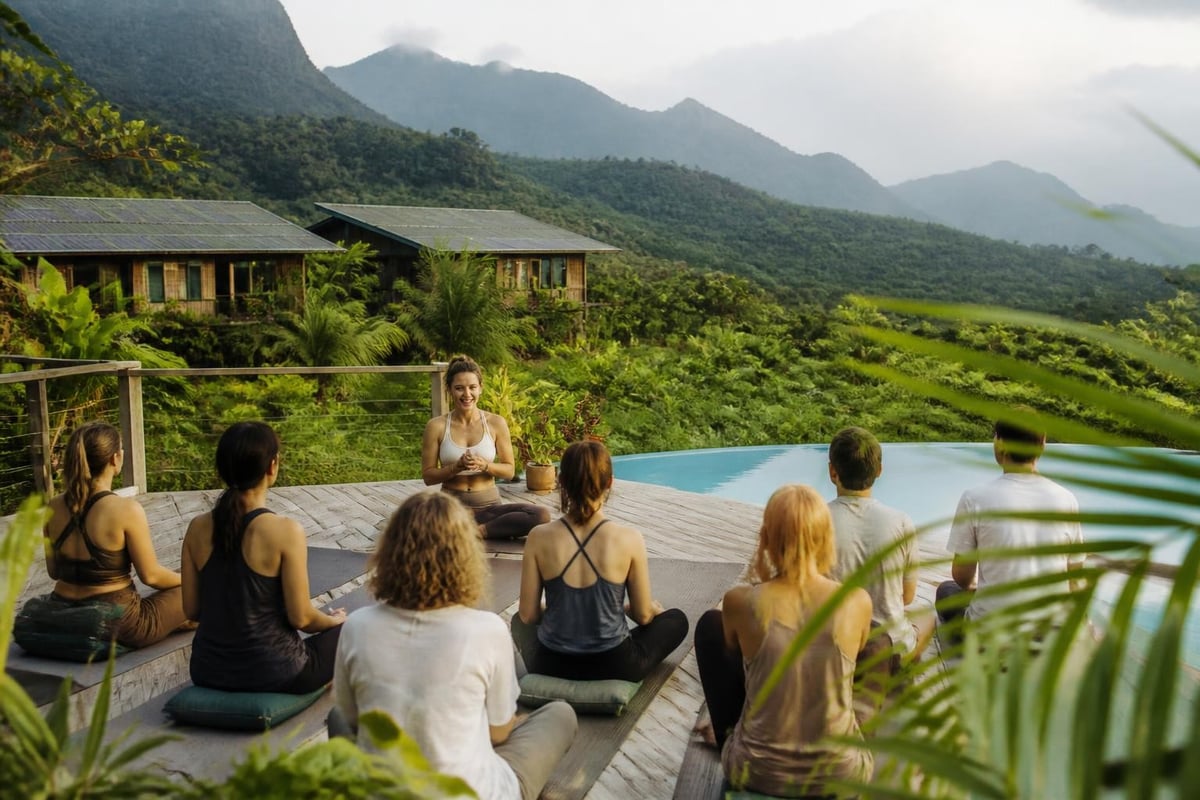
The retreat itself represents just the beginning of transformation. Lasting change requires deliberate integration of insights and practices into daily life once couples return to familiar environments and routines.
Many couples experience a "retreat high" followed by disappointment when old patterns reemerge amid regular life stressors. Anticipating this trajectory and planning for it prevents discouragement.
Effective integration strategies:
Research on psychotherapy effectiveness demonstrates that ongoing support and "booster sessions" significantly improve long-term outcomes. The same principle applies to relationship interventions introduced during intensive retreat experiences.
Couples benefit from tracking relationship quality metrics over time to maintain motivation and course-correct when needed. Simple weekly check-ins using standardized questions create accountability and appreciation for gradual improvements.
| Time Period | Check-In Focus | Sample Questions |
|---|---|---|
| Daily | Connection moments | Did we have quality time today? What appreciation can I express? |
| Weekly | Relationship satisfaction | On a scale of 1-10, how connected did I feel this week? What contributed to or detracted from connection? |
| Monthly | Goal progress | Are we implementing practices from the retreat? What needs adjustment? |
| Quarterly | Big picture assessment | How has our relationship evolved since the retreat? What's our next growth edge? |
This structured reflection prevents couples from slipping back into autopilot while celebrating incremental progress that might otherwise go unnoticed during busy daily life.
The couples wellness retreat market ranges from luxurious but superficial spa getaways to clinically intensive therapeutic programs. Understanding what differentiates quality providers helps couples make informed decisions aligned with their needs and values.
Examine the credentials, training, and philosophy of retreat leaders carefully. For enrichment-focused programs, experienced relationship educators or certified coaches may be appropriate. For couples addressing significant distress or trauma, licensed therapists with specialized training in evidence-based couple therapy models provide necessary clinical expertise.
Red flags include:
Reputable providers transparently share their qualifications, theoretical orientation, and realistic outcome expectations while conducting thorough screening to ensure appropriate fit.
Optimal retreat design balances structured programming with unstructured time for organic connection and rest. Over-scheduled days exhaust participants and prevent integration; too much unstructured time wastes the unique opportunity of dedicated retreat space.
Look for programs offering:
The best health and wellness retreats recognize that one size never fits all, building flexibility into their programming while maintaining enough structure to ensure meaningful outcomes for all participants.
A couples wellness retreat represents a significant investment of time, resources, and emotional energy, but for many couples it catalyzes transformation that years of conventional therapy or good intentions couldn't achieve. The combination of dedicated time, expert guidance, healing environments, and shared novel experiences creates conditions for breakthroughs in connection, understanding, and love. Whether your relationship needs enrichment, transition support, or deeper healing, the right retreat experience can provide tools and renewed vision for your partnership's next chapter. Soluna offers bespoke wellness journeys in Costa Rica's Nicoya Blue Zone where couples can disconnect from daily pressures and reconnect with each other through yoga, jungle adventures, and transformative natural experiences designed specifically for your relationship's unique needs.