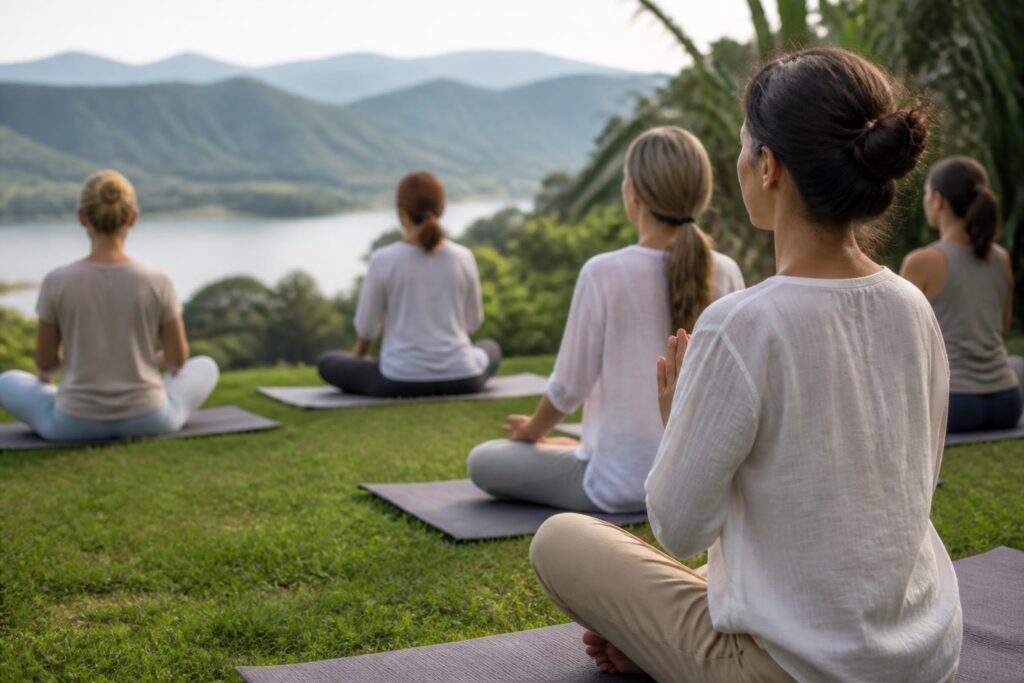
The global conversation around mental wellness has shifted dramatically over the past decade. No longer confined to clinical settings or whispered conversations, mental health care now encompasses a spectrum of approaches, from traditional therapy to innovative experiential programs. Among the most compelling developments is the rise of the mental health retreat-immersive experiences designed to address psychological wellbeing through intentional disconnection, natural environments, and holistic practices. As we navigate the complexities of 2026, these retreats offer something increasingly rare: dedicated time and space to heal, reflect, and rebuild resilience away from daily pressures.
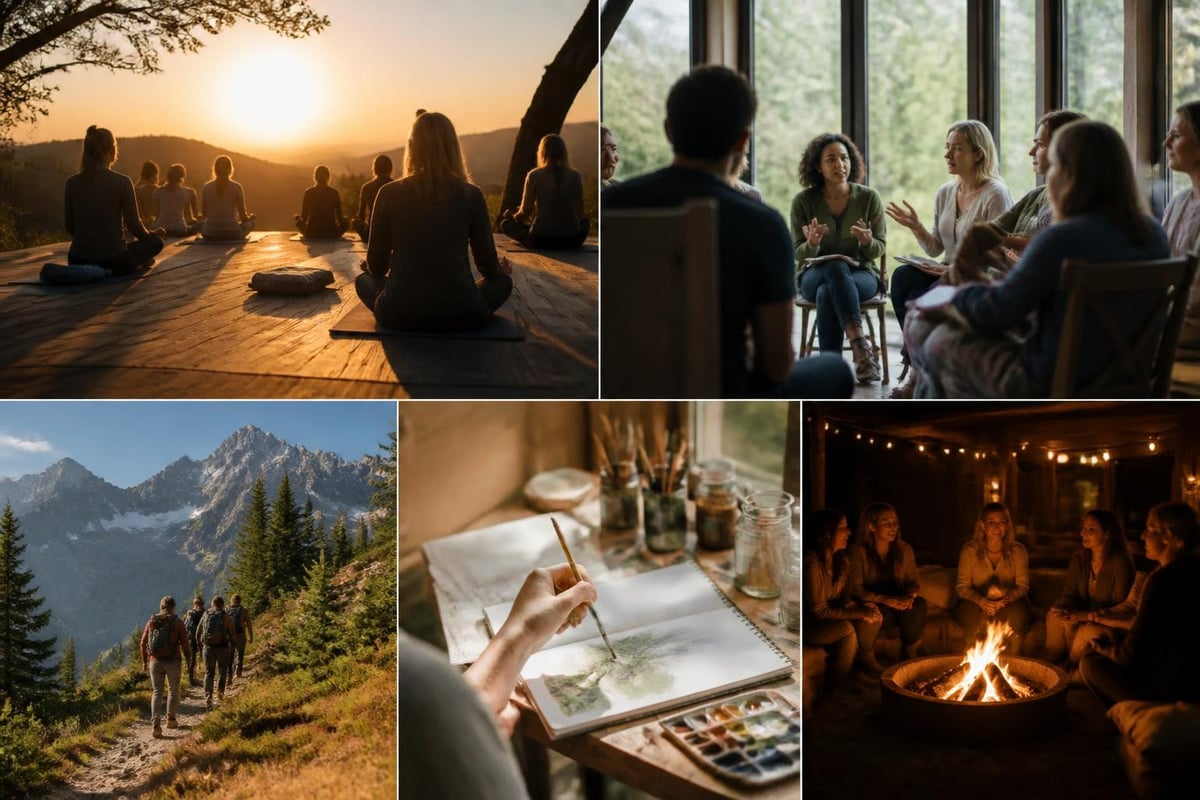
A mental health retreat is fundamentally different from a vacation or spa weekend. While relaxation plays a role, these programs incorporate evidence-based practices specifically designed to support psychological wellbeing and emotional regulation. Participants engage in structured activities that may include mindfulness training, therapeutic movement, nature immersion, and facilitated reflection-all within an environment intentionally crafted to reduce stress triggers and promote healing.
The WHO’s Comprehensive Mental Health Action Plan 2013–2030 emphasizes community-based interventions and prevention strategies that complement clinical care, providing a framework for understanding how retreats fit within the broader mental health ecosystem. These programs occupy a unique space: more intensive than self-care routines yet distinct from formal psychotherapy.
The retreat landscape has diversified considerably. Some programs focus exclusively on specific conditions such as anxiety or depression, while others take a preventative approach, building resilience before crisis emerges.
Common retreat categories include:
Each model serves different needs and preferences. A recent systematic review on nature-based interventions and mental health demonstrates measurable benefits from programs that incorporate outdoor experiences, supporting the efficacy of nature-immersive retreat formats.
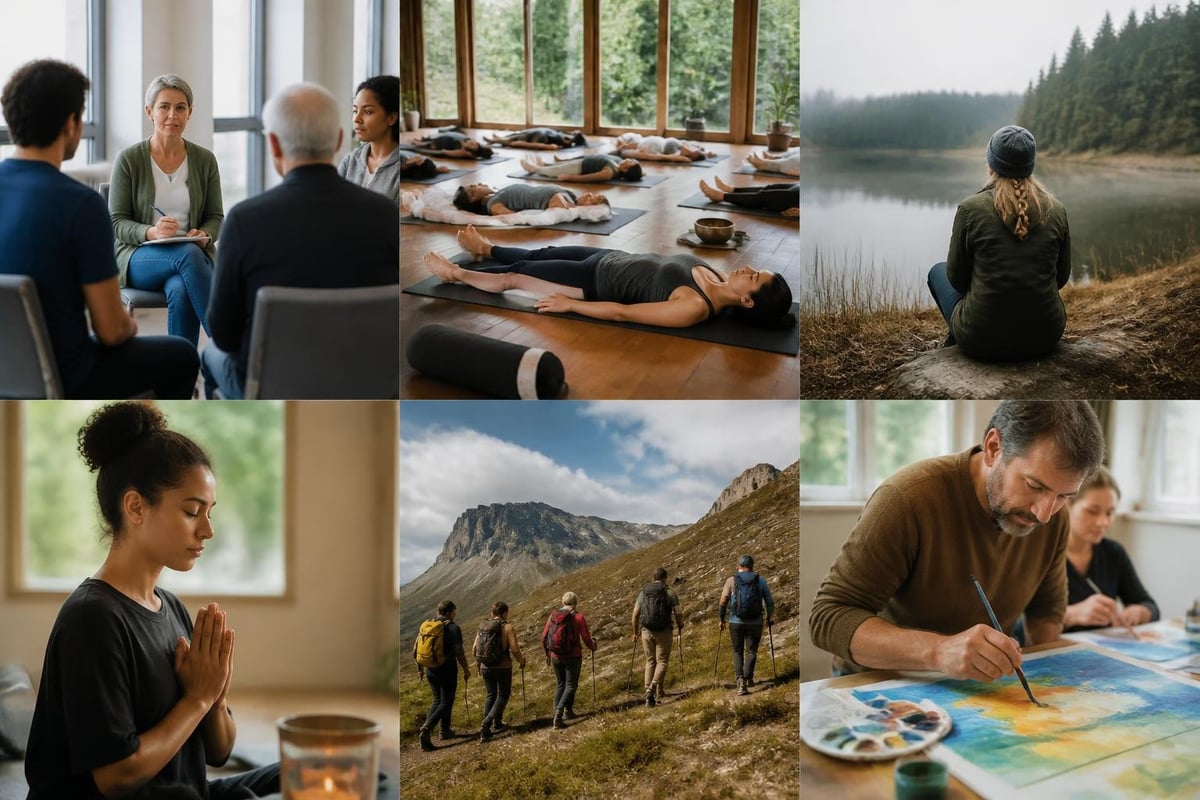
Mental health retreats draw from multiple evidence-based disciplines. The effectiveness stems from several converging factors that rarely occur simultaneously in daily life: environmental change, reduced stimulation, concentrated practice time, professional guidance, and peer support.
Research published in PLOS ONE examining week-long mindfulness retreats measures outcomes across psychological, biological, and neurological markers, demonstrating measurable shifts in stress response, emotional regulation, and cognitive function. These findings validate what many participants report anecdotally: retreats can catalyze significant transformation in relatively brief timeframes.
When we remove ourselves from chronic stressors and immerse in supportive environments, our nervous systems have the opportunity to recalibrate. The parasympathetic nervous system-responsible for rest and recovery-can finally dominate over the sympathetic fight-or-flight response that many people unconsciously maintain.
Key physiological benefits include:
The combination of practices like yoga, meditation, time in nature, and nutritious food creates synergistic effects that amplify individual benefits. This is particularly relevant in settings like Costa Rica's Nicoya Peninsula, one of the world's five Blue Zones where environmental factors naturally support longevity and wellbeing.
Attending a mental health retreat requires preparation and realistic expectations. Unlike passive vacations, these experiences typically involve active participation, emotional vulnerability, and sometimes discomfort as you confront patterns that no longer serve you.
Most programs follow a rhythm designed to balance structure with flexibility. Mornings often begin with movement or meditation, establishing a grounded baseline for the day. Mid-morning and afternoon sessions might include therapeutic work, educational workshops, or outdoor activities. Evenings typically offer gentler practices and integration time.
| Time Block | Typical Activities | Purpose |
|---|---|---|
| 6:00-8:00 AM | Sunrise yoga, meditation, journaling | Establish daily grounding practice |
| 8:00-9:30 AM | Nourishing breakfast, community time | Fuel body, build connection |
| 10:00-12:30 PM | Therapeutic sessions, workshops, nature walks | Address core healing objectives |
| 12:30-2:00 PM | Lunch, rest, personal reflection | Integration and restoration |
| 2:00-5:00 PM | Adventure activities, creative work, bodywork | Embodied learning and release |
| 5:00-7:00 PM | Gentle movement, group sharing | Process emotions, build community |
| 7:00-9:00 PM | Dinner, evening ritual, optional activities | Nourishment and closure |
This structure provides consistency while allowing for individual needs. Some participants thrive on full engagement; others need additional rest and solitude.
Quality matters enormously in retreat programming. The APA Ethics Code provides important guidance on scope of practice, confidentiality, and practitioner qualifications. Responsible mental health retreats clearly communicate what they offer and what they don't.
Essential questions to ask facilitators:
Understanding these boundaries helps participants make informed decisions and ensures safety. As outlined in APA resources on understanding psychotherapy, retreat experiences complement but rarely replace ongoing therapeutic relationships for individuals managing significant mental health conditions.
The proliferation of wellness offerings means consumers must evaluate options carefully. Not every mental health retreat will suit every person, and matching your specific needs to program strengths determines success.
Begin by clarifying your primary objectives:
Once you understand your needs, evaluate programs against specific criteria. Location matters significantly-some people heal best near oceans, others in mountains or forests. Group size affects intimacy and individual attention. Program length must fit your schedule and allow sufficient time for meaningful work.
Certain indicators help distinguish quality programs from potentially harmful ones. Be cautious of retreats that promise quick fixes, discourage medication or ongoing therapy, lack qualified staff, or use high-pressure sales tactics.
| Red Flags | Green Flags |
|---|---|
| No licensed professionals on staff | Licensed therapists or coaches with verifiable credentials |
| Vague or exaggerated outcome promises | Realistic expectations and evidence-based practices |
| Pressure to discontinue medication | Coordination with existing treatment providers |
| Lack of emergency protocols | Clear crisis management procedures |
| No screening or intake process | Thorough assessment to ensure appropriate fit |
| Minimal post-retreat support | Integration guidance and follow-up resources |
Reputable programs welcome questions about their approach, staff qualifications, and participant safety. They screen applicants to ensure the program matches individual needs and capabilities.
Geography influences healing in ways both measurable and subtle. Costa Rica's Nicoya Peninsula stands out not only for its natural beauty but as one of five Blue Zones globally-regions where people consistently live longer, healthier lives than global averages.
Blue Zone characteristics that support mental health:
When you attend a Costa Rica retreat in this environment, you're not just visiting beautiful beaches and rainforests. You're immersing in a culture and ecosystem that inherently supports the principles of wellbeing you're cultivating.
The therapeutic value of nature extends beyond aesthetics. Forest bathing, ocean swimming, wildlife observation, and simply being outdoors measurably reduce stress biomarkers and improve mood. Activities like jungle hikes combine physical movement, sensory richness, and the psychological benefits of mastering challenges in supportive environments.
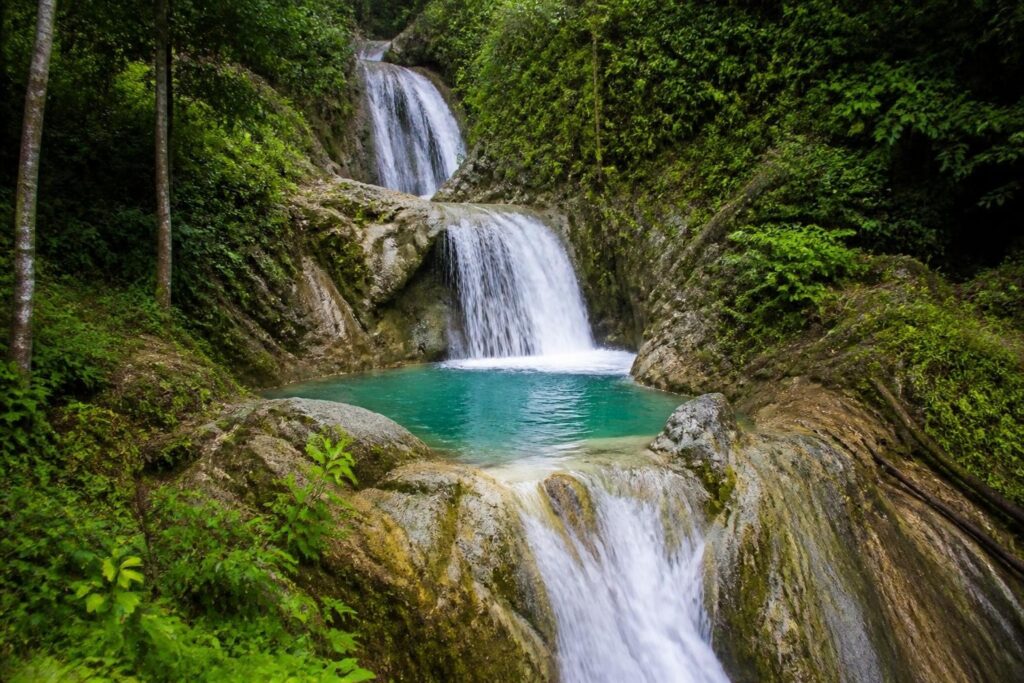
Bioluminescent waters, volcanic hot springs, waterfalls, and pristine beaches aren't merely backdrops-they become active participants in healing. These natural wonders inspire awe, a emotion linked to reduced inflammation, increased life satisfaction, and enhanced perspective-taking.
Mental health retreats represent significant investments, both financially and in terms of time away from responsibilities. Recent industry analysis reveals growing demand for wellness programming as people recognize the economic and personal costs of untreated mental health concerns.
Retreat pricing varies dramatically based on location, duration, accommodation quality, group size, and included services. Budget options might range from $1,000-$2,000 for a weekend group program, while luxury week-long experiences can exceed $10,000.
What typically influences price:
Consider cost per day and what's included rather than total price alone. A seemingly expensive retreat offering comprehensive programming, therapeutic support, private accommodation, and all meals may deliver better value than a cheaper option with hidden costs and minimal guidance.
Some programs offer sliding scale pricing, work-trade opportunities, or payment plans. Employers increasingly include wellness retreats in benefits packages as preventative health investments. If cost presents a barrier, research scholarships, grants from mental health organizations, or regional programs with lower operational costs.

Success often begins before arrival. Mental health retreats work best when participants prepare intentionally rather than treating them as spontaneous escapes.
Two to four weeks before your retreat:
Physical preparation matters too. If your retreat includes outdoor yoga sessions or adventure activities, gradually increase relevant movement in the weeks prior. Review CDC guidance on travel considerations for international retreats to ensure proper health precautions.
Perhaps the most neglected aspect of retreat participation is integration-the intentional process of applying insights and practices after returning home. Without integration support, profound retreat experiences fade into pleasant memories rather than catalyzing lasting change.
Before leaving, create concrete plans:
Many programs now offer post-retreat integration sessions, online communities, or follow-up coaching. Taking advantage of these resources significantly increases the likelihood that your mental health retreat creates sustainable transformation rather than temporary relief.
The choice between private, customized experiences and group retreats represents more than preference-it reflects different healing pathways suited to different needs and personalities.
Bespoke programs offer unmatched flexibility. Every element-schedule, activities, pace, focus areas-can be tailored to your specific situation. For individuals managing particular challenges, recovering from specific traumas, or simply valuing privacy, customized retreats eliminate the exposure and compromise inherent in group settings.
Private experiences also allow you to bring trusted companions or exclude others entirely, controlling your social environment completely. You set the rhythm, choosing intensive therapeutic work one day and restorative rest the next based on your capacity rather than program requirements.
Group retreats provide something private experiences cannot: the healing power of shared vulnerability and witnessed growth. Many participants discover that their struggles feel less isolating when others voice similar challenges. Group dynamics create opportunities for mirroring, feedback, and the profound validation of being truly seen and accepted.
Skilled facilitators leverage group energy to catalyze breakthrough moments that might not emerge in isolation. The collective container holds more possibility than individual work alone. However, group experiences require social energy and the willingness to navigate interpersonal dynamics alongside personal healing.
As mental health retreats gain popularity, maintaining rigorous ethical standards becomes increasingly critical. Participants deserve programs that prioritize safety, respect boundaries, and operate within appropriate scope.
Ethical programs provide detailed information about what participants can expect, potential risks, practitioner backgrounds, and clear policies around confidentiality, cancellation, and emergencies. You should never feel pressured to disclose more than you're comfortable sharing or participate in activities that violate your values or boundaries.
Essential protections include:
For international retreats, understand local regulations and whether your travel insurance covers mental health emergencies abroad. Programs operating in Costa Rica or similar destinations should demonstrate knowledge of local healthcare systems and established relationships with medical facilities if urgent care becomes necessary.
Confusion often arises around what retreats can appropriately address versus conditions requiring clinical intervention. The WHO mhGAP guideline provides evidence-based frameworks for understanding mental health conditions and appropriate care levels.
Retreats excel at stress management, burnout recovery, resilience building, mild-to-moderate anxiety or depressive symptoms, and general wellbeing enhancement. They complement but don't replace treatment for severe depression, active suicidal ideation, psychosis, acute trauma, or substance dependence requiring medical supervision.
Responsible facilitators screen applicants, refer when appropriate, and maintain connections with clinical providers rather than positioning retreats as alternatives to necessary medical care.
The true measure of a mental health retreat isn't how you feel during the final meditation or sunset ceremony-it's whether you've gained tools, insights, and practices that enhance your life six months or six years later.
Success looks different for each person. For some, it's the establishment of a daily meditation practice. For others, it's improved relationships, career changes, or simply the courage to set boundaries. Realistic expectations acknowledge that retreats plant seeds; growth continues long after you return home.
Potential long-term outcomes:
Research tracking participants months after intensive programs shows that benefits persist when people actively integrate practices into daily life. The retreat creates momentum; you sustain it through consistent application and periodic renewal.
Think of retreats as intensive learning experiences within a broader personal wellness architecture. Regular practices form your foundation-daily meditation, movement, healthy relationships, meaningful work, connection to nature. Retreats serve as periodic intensives that deepen skills, provide new tools, and reinvigorate commitment when daily practice feels stale.
Many people establish annual or biannual retreat rhythms, returning to settings like Soluna’s Costa Rica offerings where the environment itself becomes a touchstone for renewed commitment. Familiar landscapes and programs allow you to measure growth year over year while maintaining continuity in your practice.
A mental health retreat offers more than temporary escape; it provides concentrated time and expert guidance to develop resilience, process challenges, and reconnect with what matters most. The most effective programs combine evidence-based practices with environments that naturally support wellbeing, creating conditions where transformation becomes possible. If you're ready to invest in your mental health through immersive experience, Soluna offers bespoke wellness journeys in Costa Rica's Nicoya Blue Zone, where private retreats blend therapeutic practices with adventure in one of the world's most healing environments. Whether you seek the grounding practice of daily yoga, the perspective shift of jungle exploration, or simply space to breathe away from daily demands, a thoughtfully designed retreat can catalyze the change you're seeking.