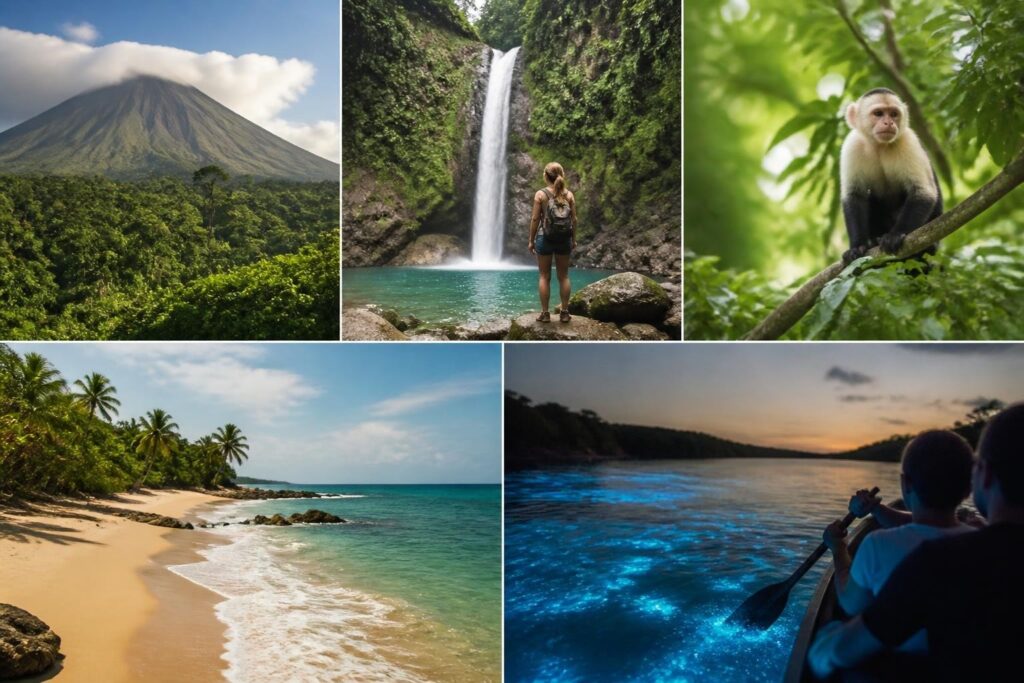
Staying in Costa Rica offers travelers an opportunity to immerse themselves in one of the world's most biodiverse nations while experiencing a culture deeply rooted in wellness and longevity. From the misty cloud forests to the pristine Pacific coastline, this Central American nation has become a premier destination for those seeking transformative wellness experiences. Whether you're planning a short escape or an extended wellness journey, understanding the nuances of accommodation, regional differences, and practical considerations will enhance your Costa Rican adventure.
The options for staying in Costa Rica range from luxury eco-lodges to beachfront boutique hotels, each offering distinct experiences tailored to different traveler preferences. The country's commitment to sustainable tourism means many properties have integrated environmental stewardship into their core operations.
Specialized wellness accommodations have flourished across Costa Rica, particularly in regions known for their natural healing properties. The Nicoya Peninsula stands out as a Blue Zone, one of only five places on Earth where people regularly live past 100 years old. This longevity hotspot has attracted wellness-oriented properties that combine health-promoting practices with Costa Rica’s natural environment.
Key features of wellness retreats include:
These properties typically offer bespoke experiences rather than one-size-fits-all packages, allowing guests to craft their ideal balance of activity and relaxation.
Costa Rica's pioneering Certification for Sustainable Tourism program ensures that eco-lodges meet rigorous environmental and social standards. When staying in Costa Rica, these properties offer authentic experiences while minimizing ecological impact.
| Property Type | Typical Features | Best For |
|---|---|---|
| Jungle Eco-Lodge | Tree-house rooms, wildlife viewing, minimal electricity | Adventure seekers, nature photographers |
| Beach Boutique | Ocean-view suites, water sports, wellness spas | Couples, surfers, yoga enthusiasts |
| Mountain Retreat | Cloud forest access, bird watching, cool climate | Hikers, biodiversity lovers, digital detox |
| Farm-Stay | Agricultural tours, cooking classes, community connection | Cultural immersion, families, slow travel |
The official tourism board provides comprehensive resources for travelers seeking certified sustainable accommodations across different regions and price points.
Costa Rica's compact geography belies its remarkable ecological diversity. Your choice of region will significantly shape your experience when staying in Costa Rica.
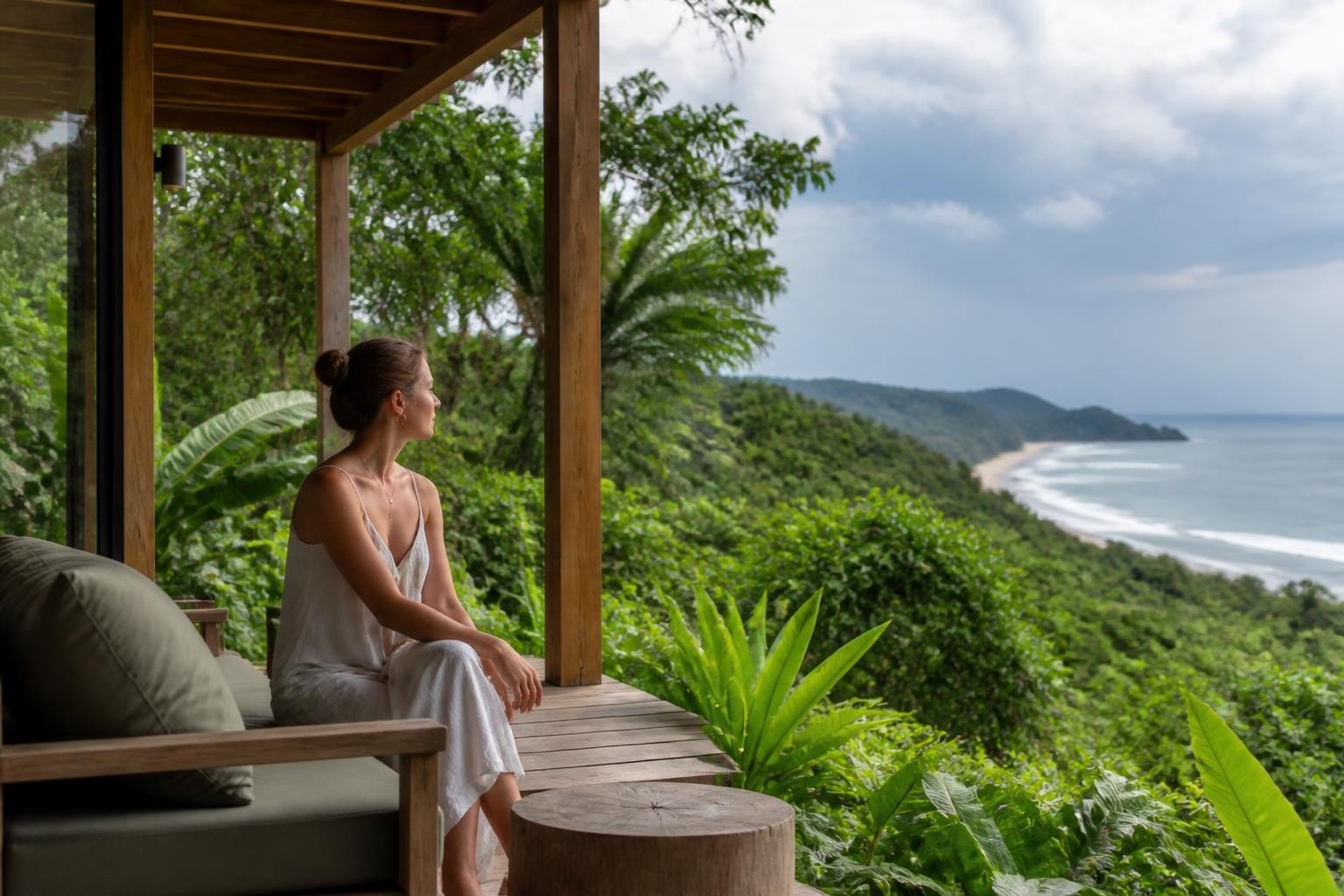
This northwestern peninsula combines pristine beaches, verdant hillsides, and communities where residents live exceptionally long, healthy lives. The Nicoya Blue Zone offers visitors more than scenic beauty-it provides a living laboratory for wellness principles practiced daily by locals.
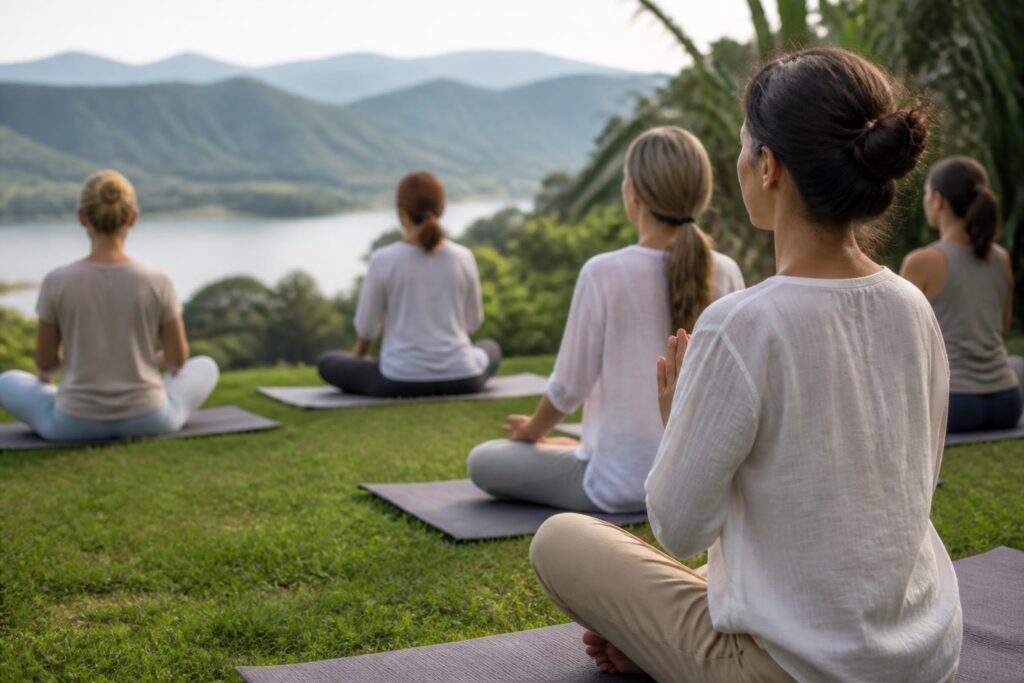
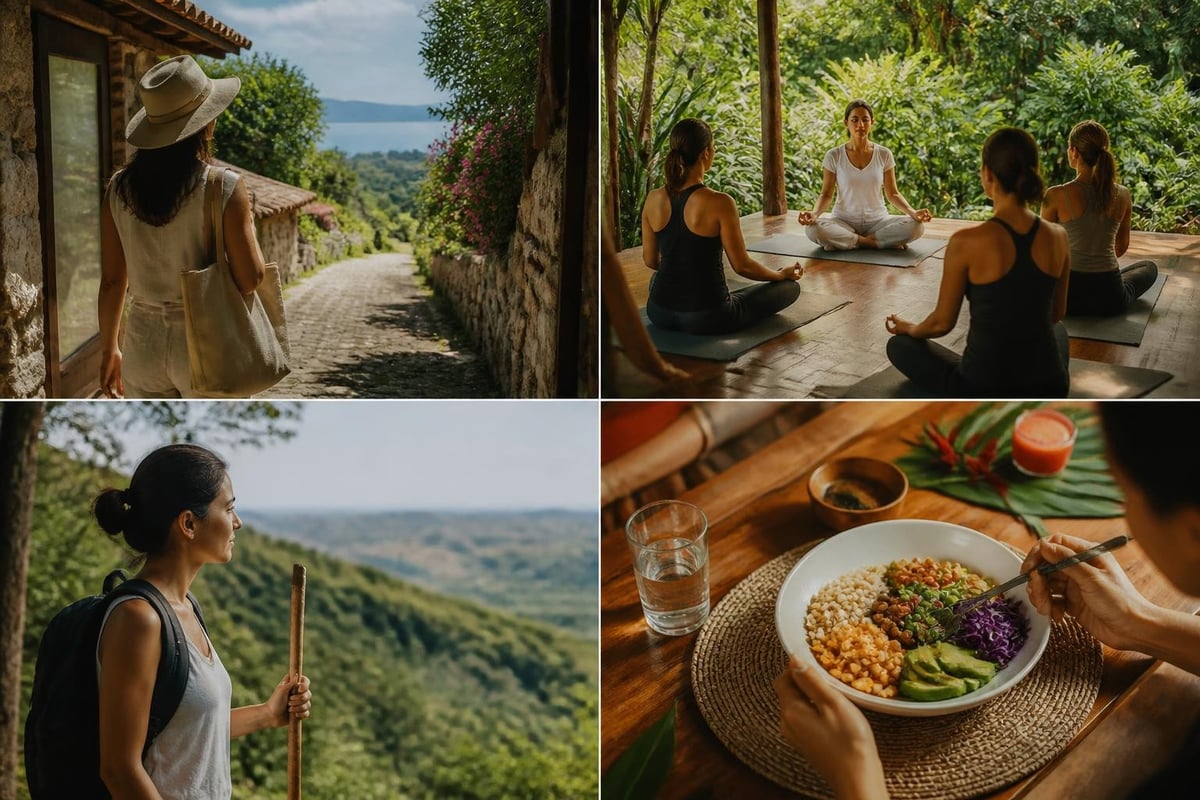
Visitors can participate in activities that mirror the longevity lifestyle: forest bathing through jungle hikes, nourishing meals from local farms, and movement practices like yoga that complement the region's naturally active culture. Properties in towns like Montezuma and Santa Teresa provide easy access to both adventure and tranquility.
The Caribbean side presents a distinctly different atmosphere, with Afro-Caribbean cultural influences, calmer waters, and dense tropical rainforests. Staying in Costa Rica's Caribbean region offers opportunities for wildlife encounters, including sloths, howler monkeys, and numerous bird species.
Situated at higher elevations, these areas provide cooler temperatures and proximity to active volcanoes, hot springs, and coffee plantations. The climate proves ideal for visitors who prefer moderate temperatures and wish to explore Costa Rica's geological features.
Planning the logistics of staying in Costa Rica requires attention to several practical matters that can affect both comfort and compliance with local regulations.
Most visitors from North America and Europe receive a 90-day tourist entry stamp upon arrival. Those planning longer stays should research visa extensions or the country's remote work visa options designed for digital professionals.
Before departure, consult current health recommendations from the CDC regarding vaccinations and preventive measures. While no vaccinations are mandatory for most travelers, certain immunizations are recommended depending on your planned activities and regions.
The official currency is the Costa Rican colón, though U.S. dollars are widely accepted in tourist areas. Most properties quote prices in dollars for international guests.
Banking tips for extended stays:
Costa Rica maintains high healthcare standards, with excellent private hospitals in major cities. When staying in Costa Rica's more remote regions, consider purchasing comprehensive travel insurance that includes medical evacuation coverage.

Navigating Costa Rica requires understanding the country's infrastructure, which varies significantly between tourist hubs and rural areas.
Many wellness retreats include transportation as part of their packages, eliminating the stress of navigating unfamiliar roads. This proves particularly valuable on routes requiring four-wheel drive vehicles or local knowledge of seasonal road conditions.
If renting independently, budget for a 4×4 vehicle if visiting coastal or mountainous regions. The Ministry of Public Works provides official guidance on road safety and transportation regulations for international drivers.
Small domestic airlines connect major destinations, saving significant drive time on long cross-country routes. Ground transportation options include private shuttles, shared vans, and public buses, each offering different balances of cost and convenience.
Understanding Costa Rica's seasons helps optimize your experience when staying in Costa Rica. The country experiences two primary seasons rather than traditional four-season patterns.
| Season | Months | Characteristics | Advantages |
|---|---|---|---|
| Dry (High) | December-April | Sunny days, minimal rain, higher prices | Best beach weather, optimal for hiking |
| Green (Low) | May-November | Afternoon showers, lush landscapes, lower rates | Fewer crowds, vibrant nature, better value |
The Nicoya Peninsula's microclimate can vary from the Caribbean coast, so regional weather patterns matter more than national forecasts when planning activities.
The true value of staying in Costa Rica emerges through engagement with the country's natural environment and wellness traditions. Properties focused on holistic health curate experiences that go beyond standard tourist activities.
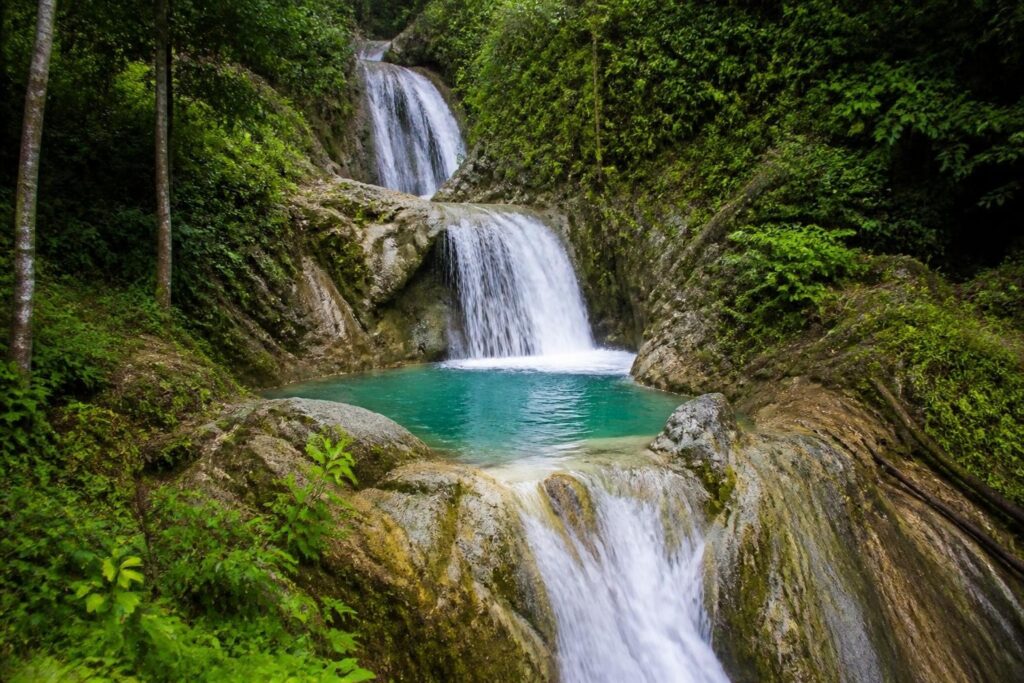
Costa Rica's extraordinary biodiversity provides the backdrop for transformative outdoor experiences. Jungle hikes through primary rainforest, guided waterfall expeditions, and wildlife sanctuary tours connect visitors with ecosystems that have inspired conservation efforts worldwide.
The country's commitment to protecting natural resources creates opportunities for responsible ecotourism experiences that benefit both travelers and local communities.
Popular nature wellness activities include:
Authentic wellness extends beyond physical activities to include cultural understanding. Visiting traditional farms, learning about indigenous healing plants, and sharing meals with local families provides context for Costa Rica's approach to well-being.
The Blue Zone communities demonstrate that longevity stems from social connection, purposeful living, and integration with natural rhythms as much as from diet and exercise.
Cost considerations vary dramatically based on accommodation choices, region, season, and activity preferences. Understanding the economic landscape helps set realistic expectations.
Budget travelers can find acceptable lodging for $30-50 per night, while mid-range hotels and eco-lodges typically run $100-200. Luxury wellness retreats and all-inclusive packages range from $300 to over $1,000 per night, depending on inclusions and exclusivity.
Bespoke wellness experiences command premium pricing because they include personalized attention, private activities, expert guides, and comprehensive meal plans using premium ingredients.
Most wellness retreats include meals and core activities in their rates, simplifying budgeting. Independent travelers should allocate $40-80 daily for food and $50-150 per activity for guided tours, depending on complexity and exclusivity.
Tourism represents a significant portion of Costa Rica’s economy, and the sector has evolved to offer options across all budget ranges while maintaining environmental standards.

One of the most valuable aspects of staying in Costa Rica involves the opportunity to disconnect from constant digital stimulation. Many wellness properties intentionally limit WiFi access or confine it to common areas.
Major tourist areas offer reliable internet, while remote retreats may have limited or no connectivity. This digital limitation proves therapeutic for many guests seeking genuine rest from information overload.
For those requiring occasional connectivity for work or family communication, discussing internet availability before booking ensures alignment with your needs. The rise of remote work tourism has improved infrastructure in many areas, though bandwidth may not match urban standards.
The absence of reliable internet creates space for presence-in conversations, natural surroundings, and internal reflection. Many guests report this forced disconnection as unexpectedly liberating and integral to their wellness transformation.
Thoughtful preparation enhances your experience and minimizes potential stress when staying in Costa Rica. Beyond standard travel preparations, wellness-focused trips benefit from additional considerations.
Your packing list should balance adventure readiness with wellness comfort. Essential items for a week in Nicoya include moisture-wicking athletic wear, reef-safe sunscreen, insect repellent, comfortable hiking shoes, and layers for varying temperatures.
Wellness-specific packing essentials:
Wellness travel succeeds when aligned with personal goals and realistic expectations. Consider what you hope to gain from staying in Costa Rica-whether stress reduction, physical challenge, spiritual renewal, or simply quality rest.
Communicate your intentions with retreat coordinators who can customize experiences to support your specific wellness objectives. The most transformative experiences often come from surrendering rigid expectations and remaining open to unexpected insights.
Costa Rica's appeal extends beyond single visits, with many travelers returning annually or considering extended seasonal stays. The combination of favorable climate, wellness infrastructure, and welcoming culture makes it particularly attractive for those seeking regular renewal.
Repeat visitors often develop relationships with specific properties, guides, and communities. These deepening connections enhance each subsequent visit, creating continuity in wellness practice and cultural understanding.
Some travelers establish seasonal patterns, spending several months annually in Costa Rica to escape harsh winters elsewhere while maintaining wellness routines in an environment that naturally supports healthy living.
The official Visit Costa Rica website provides comprehensive planning tools, regional guides, and seasonal calendars to help both first-time and returning visitors optimize their stays.
For those building wellness travel into their lifestyle, Costa Rica's infrastructure, safety record, and established tourism sector make it one of the most accessible tropical destinations for North American and European travelers.
The decision to prioritize wellness travel represents an investment in long-term health and life quality. Maximizing this investment requires engaging fully with available experiences while honoring your body's needs for rest and integration.
Well-designed wellness programs alternate challenge with recovery. Whether zip-lining through forest canopy, learning to surf, or receiving therapeutic massage, balance active exploration with adequate rest.
The tropical climate can be more fatiguing than anticipated, particularly for visitors from cooler regions. Scheduled downtime proves as valuable as planned activities for comprehensive wellness.
The true measure of wellness travel lies in what you carry home. Consider which practices, foods, or perspectives you want to maintain after your return. Many guests find that experiences from staying in Costa Rica catalyze lasting lifestyle changes around movement, nutrition, stress management, and connection with nature.
Staying in Costa Rica offers far more than a temporary escape-it provides an opportunity to reset, reconnect, and discover sustainable wellness practices in one of Earth's most biodiverse environments. The combination of pristine natural beauty, established wellness infrastructure, and the longevity wisdom of Blue Zone communities creates ideal conditions for transformation. Soluna specializes in crafting bespoke wellness journeys in the Nicoya Peninsula, designing private retreats that blend adventure, rejuvenation, and deep connection with Costa Rica's healing landscapes. Whether you seek a week of intentional disconnection or a personalized wellness adventure, their curated experiences provide the framework for meaningful renewal in one of the world's most extraordinary settings.