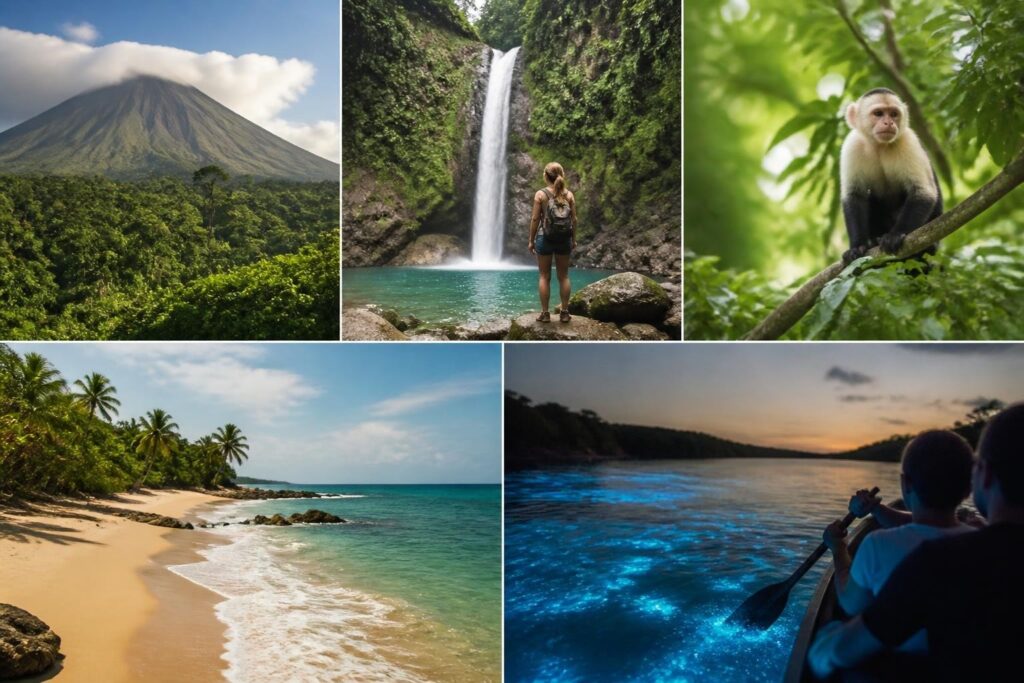
Nicoya in Costa Rica represents one of the world's most fascinating regions for wellness seekers, longevity researchers, and adventure travelers alike. Situated on the northwestern Guanacaste province's peninsula, this area has gained international recognition as one of only five Blue Zones globally, where residents consistently live longer, healthier lives than almost anywhere else on Earth. The region stretches from the Gulf of Nicoya's mangrove-lined shores to the Pacific-facing beaches of Santa Teresa and Mal País, encompassing diverse ecosystems, vibrant communities, and a lifestyle philosophy rooted in connection to nature, family, and purpose.
The Blue Zone concept emerged from demographic research identifying regions with exceptional longevity rates. Nicoya in Costa Rica earned this designation through documented centenarian populations and measurable health outcomes that surpassed global averages. Recent academic analysis has examined these patterns with increasing scrutiny, revealing nuanced shifts in demographic data over recent decades.
Key factors contributing to the original Blue Zone recognition include:
The scientific community continues investigating the biological markers behind these longevity patterns. Research on leukocyte telomere length among Nicoyan populations has provided compelling evidence of cellular-level differences that may contribute to extended healthspan. These findings validate what local residents have understood intuitively for generations.
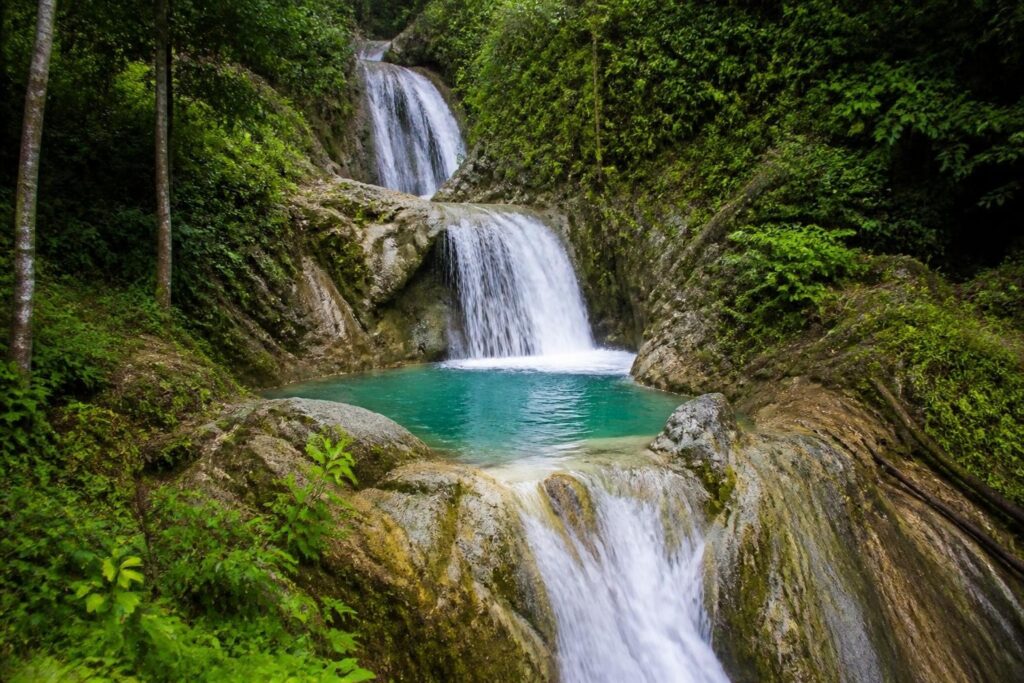
Nicoya in Costa Rica encompasses approximately 4,000 square kilometers of diverse terrain. The peninsula separates the Gulf of Nicoya from the Pacific Ocean, creating distinct microclimates and ecosystems. Tropical dry forests dominate the inland areas, transitioning to lush coastal zones where freshwater springs meet the ocean.
| Geographic Feature | Characteristics | Wellness Significance |
|---|---|---|
| Coastal Zones | Sandy beaches, rocky outcrops, tidal pools | Ocean therapy, mineral exposure, grounding practices |
| Mountain Ridges | Volcanic soil, elevation diversity, spring sources | Hiking terrain, clean air, mineral-rich water |
| Mangrove Systems | Protected estuaries, biodiversity hotspots | Ecosystem services, bioluminescent phenomena |
| Dry Tropical Forest | Seasonal deciduous canopy, wildlife corridors | Forest bathing, ecological connection |
The region's official demographic data shows population centers concentrated around traditional towns like Nicoya, Santa Cruz, and Nandayure, while coastal areas have experienced significant growth due to tourism development. This demographic shift has introduced both opportunities and challenges for maintaining the cultural practices that originally defined the Blue Zone lifestyle.
Understanding nicoya in costa rica requires appreciating the cultural fabric woven through centuries of indigenous heritage, Spanish colonial influence, and agricultural tradition. The Chorotega people inhabited this region for thousands of years before European contact, and their legacy persists in pottery techniques, agricultural practices, and spiritual connection to land.
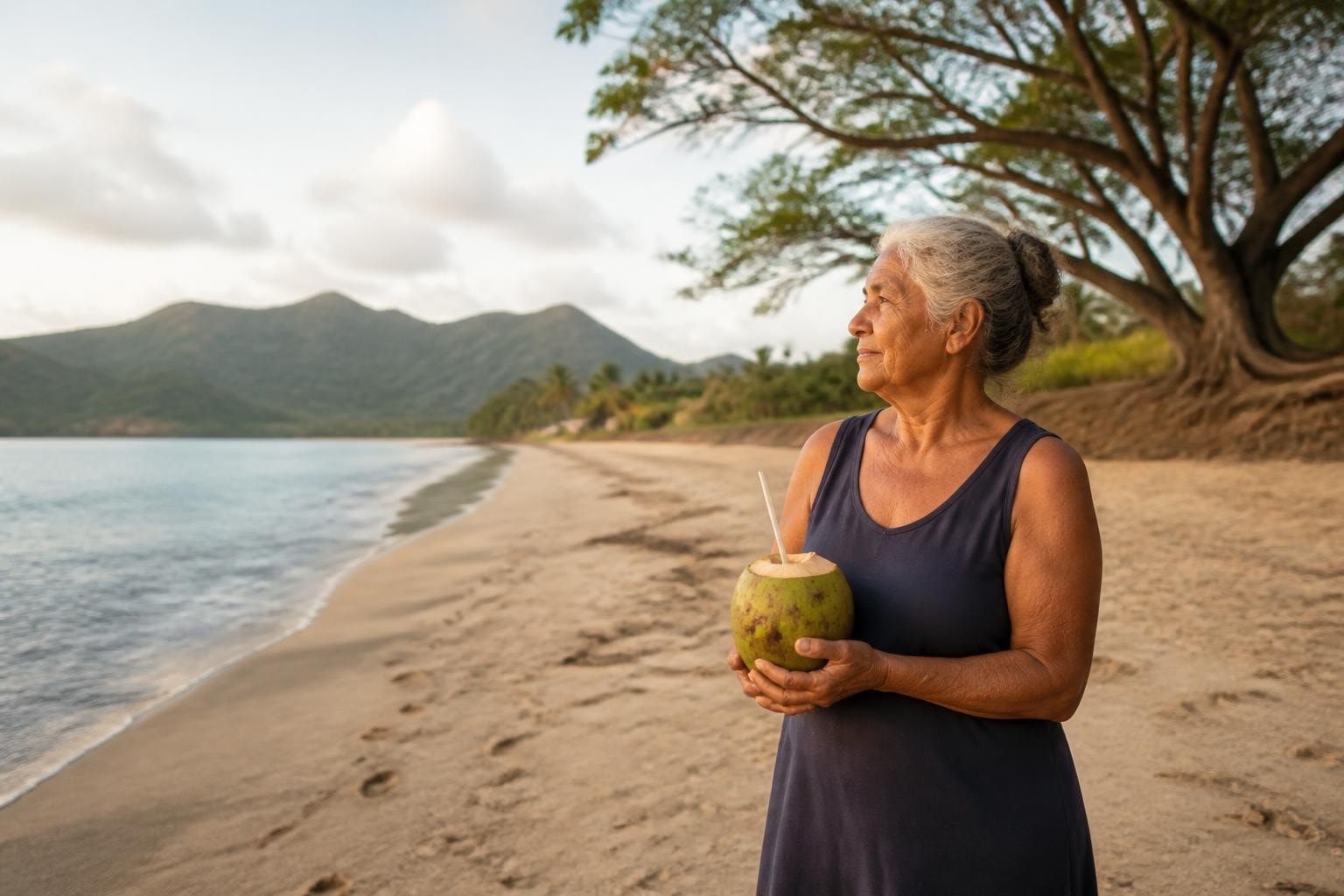
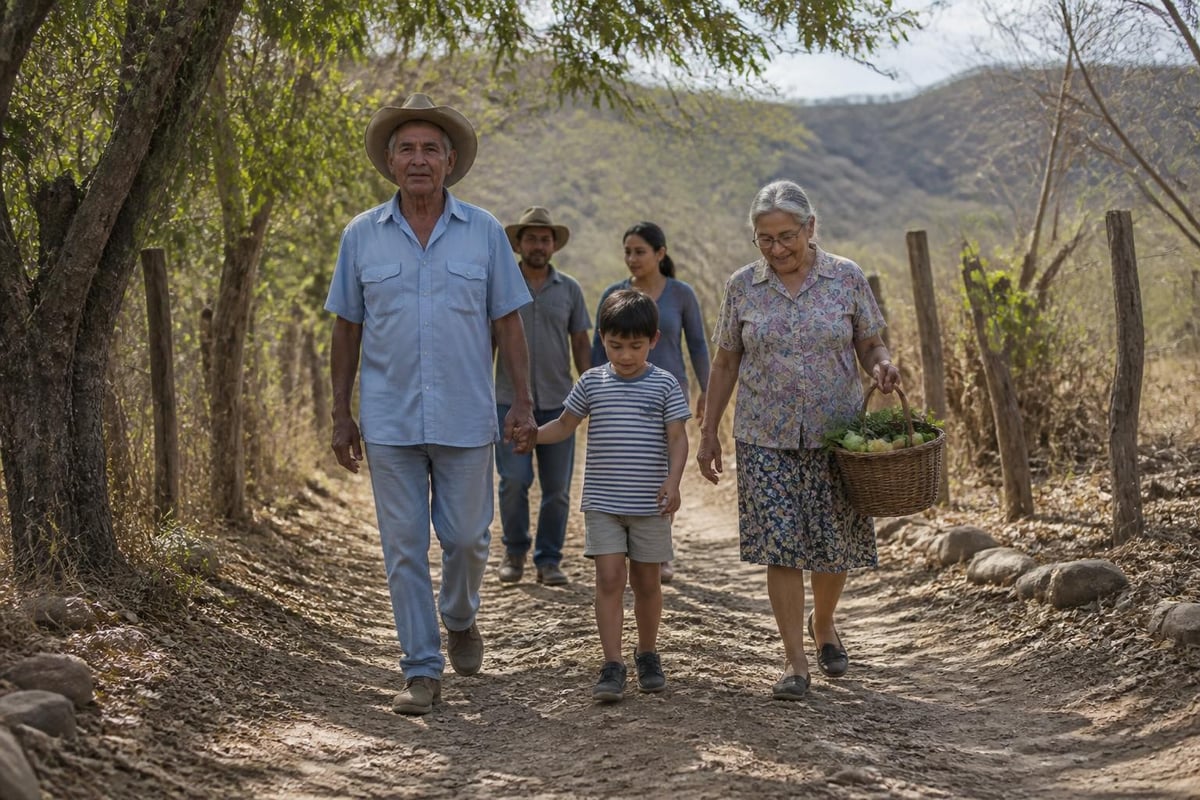
Contemporary Nicoyan culture emphasizes plan de vida, a concept encompassing life purpose, meaning, and forward-looking optimism. Elderly residents maintain active roles in family decision-making, childcare, and community affairs well into their nineties and beyond. This social integration provides psychological benefits that complement physical health practices.
Traditional Nicoyan cuisine centers on the "three sisters" of Mesoamerican agriculture: corn, beans, and squash. These staples combine with tropical fruits, root vegetables, and modest amounts of animal protein to create nutrient-dense meals. The volcanic soil contributes high calcium and magnesium content to locally grown foods, potentially influencing bone health and cardiovascular function.
Typical daily eating patterns include:
Water consumption deserves special mention. The region's mineral-rich springs contain high calcium-to-magnesium ratios that some researchers believe support cardiovascular health. Residents traditionally drink this water throughout their lives, potentially contributing to observed longevity patterns.
The recognition of nicoya in costa rica as a Blue Zone has catalyzed significant tourism development since the mid-2000s. Coastal areas particularly have transformed from fishing villages to international destinations offering yoga retreats, surf camps, and wellness centers. This growth presents complex dynamics between economic opportunity and cultural preservation.
Development pressures on water resources and coastal ecosystems have raised concerns among environmental advocates and local communities. The tourism industry's water consumption, combined with agricultural demands and residential growth, strains aquifer systems during the dry season. These challenges require thoughtful planning to maintain the environmental conditions that attracted visitors initially.
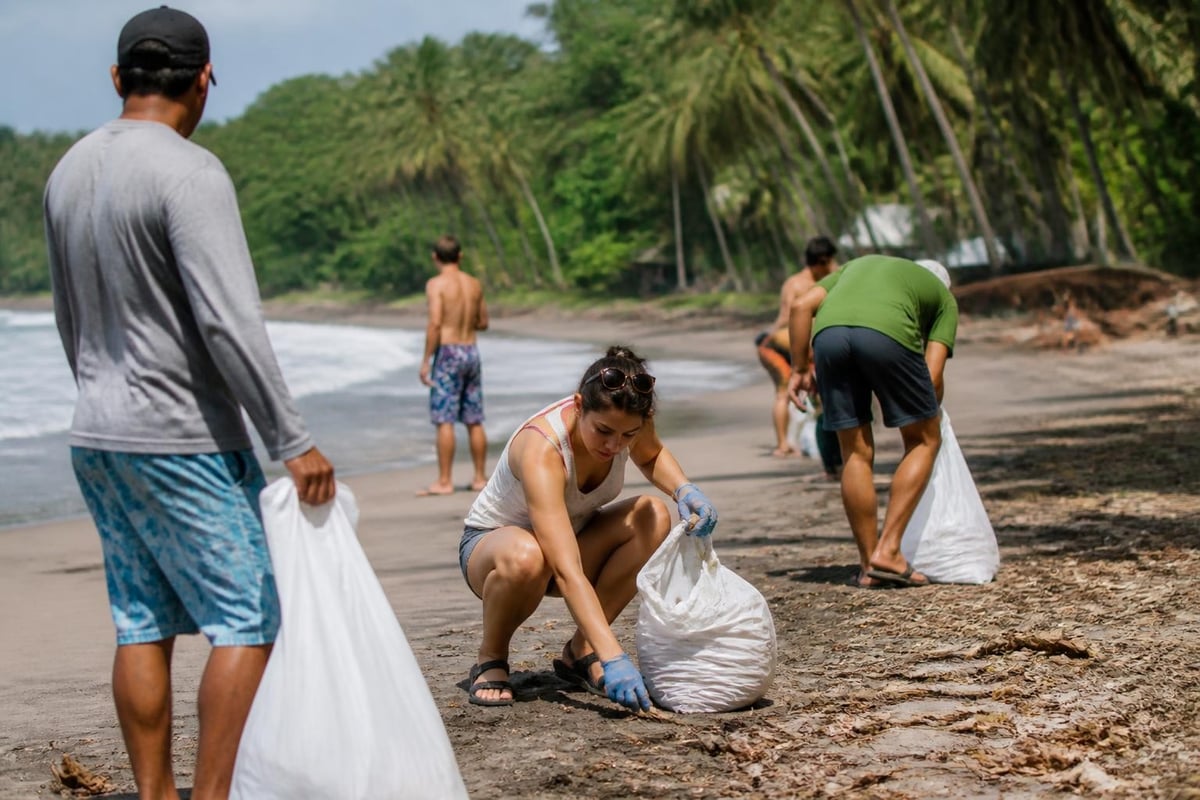
Environmental organizations recognize nicoya in costa rica as ecologically significant beyond its Blue Zone status. Mangrove restoration projects in the Gulf of Nicoya demonstrate collaborative efforts between international NGOs, government agencies, and local communities to rehabilitate critical coastal habitats. These mangrove systems provide nursery grounds for marine species, protect shorelines from erosion, and sequester significant carbon.
The terrestrial protected areas include wildlife refuges and biological corridors connecting fragmented forest patches. These conservation zones support jaguar populations, scarlet macaws, and countless other species while providing opportunities for immersive nature experiences that complement wellness journeys.
Nicoya in Costa Rica offers extraordinary diversity for wellness-focused travelers seeking authentic experiences beyond conventional resort amenities. The region's natural assets support activities that engage body, mind, and spirit while honoring local cultural traditions.
Adventure and movement practices include:
The holistic approach to wellness available across the peninsula extends beyond scheduled activities to encompass rhythm, rest, and relationship building. Many visitors report that disconnecting from digital demands while connecting with natural cycles provides profound restoration.
Understanding seasonal patterns enhances planning for nicoya in costa rica visits. The dry season (December through April) features minimal rainfall, lower humidity, and peak tourist activity. Beaches and popular attractions experience higher visitor numbers, while hotel rates reflect demand.
| Season | Climate Characteristics | Experience Considerations |
|---|---|---|
| Dry Season (Dec-Apr) | Sunny, warm, minimal rain | Peak crowds, higher prices, excellent conditions |
| Green Season (May-Nov) | Afternoon showers, lush vegetation | Fewer visitors, lower rates, dramatic landscapes |
| Transition Periods | Variable weather patterns | Unpredictable conditions, moderate pricing |
The rainy season, increasingly called "green season," offers distinct advantages for wellness travelers. Afternoon thunderstorms refresh the landscape, wildlife activity intensifies, and the peninsula's forests explode with vibrant growth. Visitor numbers decrease significantly, creating opportunities for deeper immersion and personal reflection.
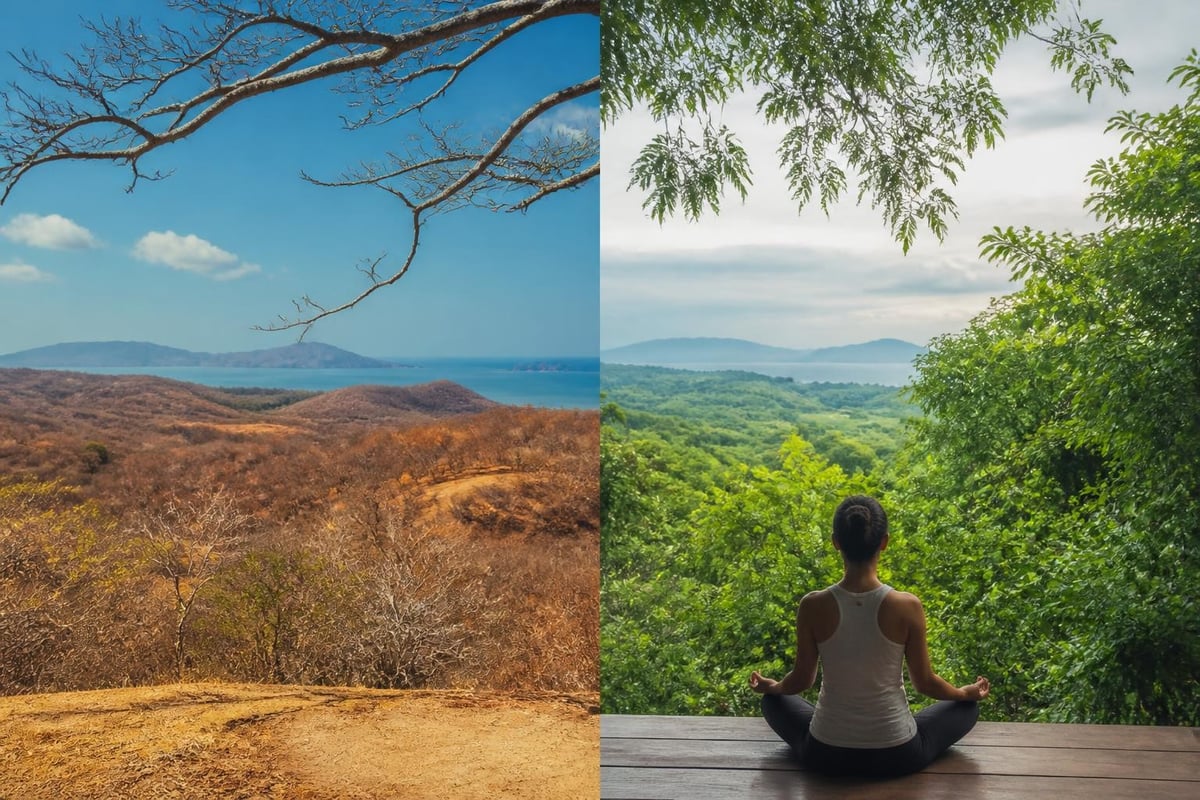
Nicoya in Costa Rica presents accommodation options ranging from backpacker hostels to luxury wellness resorts, with increasing emphasis on boutique properties emphasizing sustainability and authentic cultural connection. The most meaningful experiences often emerge from settings that balance comfort with environmental integration.
Private wellness retreats have gained popularity among travelers seeking personalized experiences. These bespoke journeys combine curated adventure packages with restorative practices, allowing participants to set their own pace while benefiting from expert guidance. Unlike group retreat formats, private arrangements accommodate individual preferences, dietary requirements, and wellness goals.
Accommodation considerations for wellness travelers:
The broader Nicoya Peninsula contains numerous micro-regions, each offering distinct character. Southern coastal areas like Santa Teresa and Mal País attract surf-oriented travelers, while inland communities near the traditional town of Nicoya provide cultural immersion opportunities. Northern zones near Tamarindo and Nosara blend international amenities with natural beauty.
Contemporary scoping reviews of Blue Zones evidence provide valuable context for understanding longevity claims associated with nicoya in costa rica. While centenarian populations remain notable, researchers emphasize the complexity of factors contributing to healthspan and the importance of rigorous demographic methodology.
The biological mechanisms underlying observed longevity patterns continue generating scientific interest. Telomere length, inflammatory markers, cardiovascular function, and metabolic health all show distinctive patterns in Nicoyan populations compared to reference groups. However, researchers caution against attributing these outcomes to single factors, emphasizing instead the synergistic effects of diet, activity, social connection, and environmental conditions.
Visitors to nicoya in costa rica often seek practical strategies for incorporating longevity principles into their own lives. The region offers living laboratories for observing these practices in authentic contexts rather than theoretical frameworks.
Transferable wellness principles include:
The understanding of Blue Zone factors extends beyond individual behaviors to encompass environmental and social structures. Visitors gain insights by observing how physical spaces, daily rhythms, and community norms create conditions supporting health rather than requiring constant willpower or discipline.
Organizing a meaningful journey to nicoya in costa rica requires thoughtful preparation addressing logistics, expectations, and personal intentions. The region's infrastructure has improved dramatically over recent decades, though certain areas retain rustic character that some travelers find enchanting while others experience as challenging.
Essential planning elements:
Working with experienced local guides dramatically enhances both safety and depth of experience. Local expertise provides access to hidden locations, cultural context for observations, and practical navigation support. These relationships often become highlights of visits, offering genuine human connection beyond transactional tourism.
The designation of nicoya in costa rica as a Blue Zone carries responsibilities for visitors seeking to experience rather than exploit the region's unique qualities. Sustainable tourism practices protect the environmental and cultural assets that make the destination valuable.
Responsible visitor commitments include:
Environmental awareness extends to activity choices. Detox and wellness experiences that emphasize gentle movement, plant-based nutrition, and digital disconnection typically create lighter ecological footprints than adventure-intensive itineraries requiring significant transportation and equipment.
Local residents of nicoya in costa rica hold diverse perspectives on their region's international recognition and resulting tourism development. Some community members embrace economic opportunities and cultural exchange, while others express concerns about rising costs, environmental degradation, and loss of traditional practices.
The younger generation faces particular tensions between maintaining cultural heritage and pursuing contemporary opportunities. Educational and economic prospects often require migration to urban centers, potentially weakening the multigenerational family structures that historically supported longevity patterns. Simultaneously, some young people are rediscovering traditional knowledge and creating innovative enterprises that honor ancestral wisdom while generating sustainable livelihoods.
Future trajectories for nicoya in costa rica depend on balancing development pressures with conservation imperatives. Regional planning efforts increasingly emphasize sustainable tourism frameworks that distribute benefits equitably while protecting natural resources. Success requires collaboration among government agencies, private sector stakeholders, civil society organizations, and local communities.
The concept of wellness tourism itself continues evolving. Rather than extractive experiences where visitors consume exotic settings before departing unchanged, emerging models emphasize reciprocal exchange, cultural humility, and lasting transformation. The most meaningful engagements with Nicoya’s Blue Zone wisdom occur when visitors approach with curiosity, respect, and willingness to question their own assumptions about health, happiness, and success.
Nicoya in Costa Rica offers profound opportunities for travelers seeking wellness, adventure, and authentic cultural connection in one of the world's most remarkable longevity regions. The intersection of natural beauty, traditional wisdom, and modern sustainability creates conditions for transformative experiences that extend far beyond conventional tourism. Soluna specializes in crafting bespoke wellness retreats that honor the peninsula's Blue Zone heritage while providing personalized journeys combining yoga, jungle exploration, bioluminescent water experiences, and genuine disconnection from daily pressures. Let Soluna design your private Costa Rican wellness adventure.