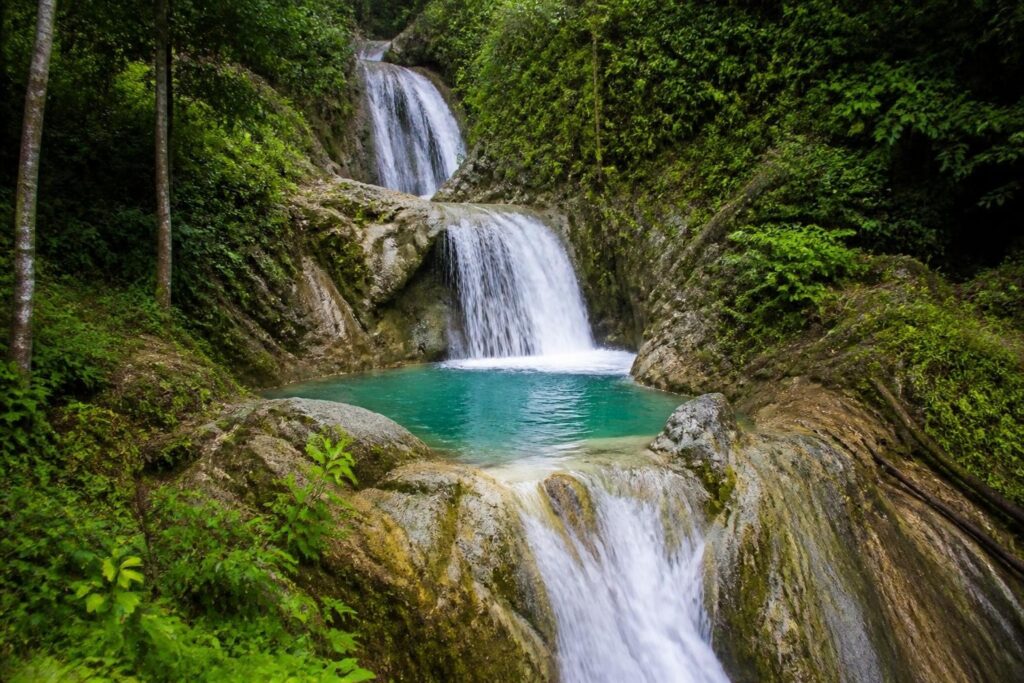
Peninsula hikes offer a unique fusion of terrestrial and marine environments that few other trail experiences can match. These coastal routes wind between dramatic ocean vistas, lush inland forests, and distinctive ecosystems found only where land meets sea. For wellness travelers and adventure seekers alike, these trails provide transformative experiences that combine physical challenge with profound connection to nature. The therapeutic value of coastal walking extends beyond simple exercise, engaging multiple senses through salt air, rhythmic wave sounds, and expansive horizons that naturally encourage mindfulness and restoration.
Peninsula hikes distinguish themselves through their distinctive geography and environmental diversity. Unlike landlocked trails that maintain consistent ecosystems, coastal peninsula routes transition between multiple ecological zones within short distances.
The convergence of ocean and land creates microenvironments that host remarkable biodiversity. Hikers encounter tide pools teeming with marine life, windswept coastal bluffs dotted with endemic plants, and sheltered valleys harboring entirely different species just minutes inland. This ecological richness makes each kilometer of trail significantly more varied than comparable inland routes.
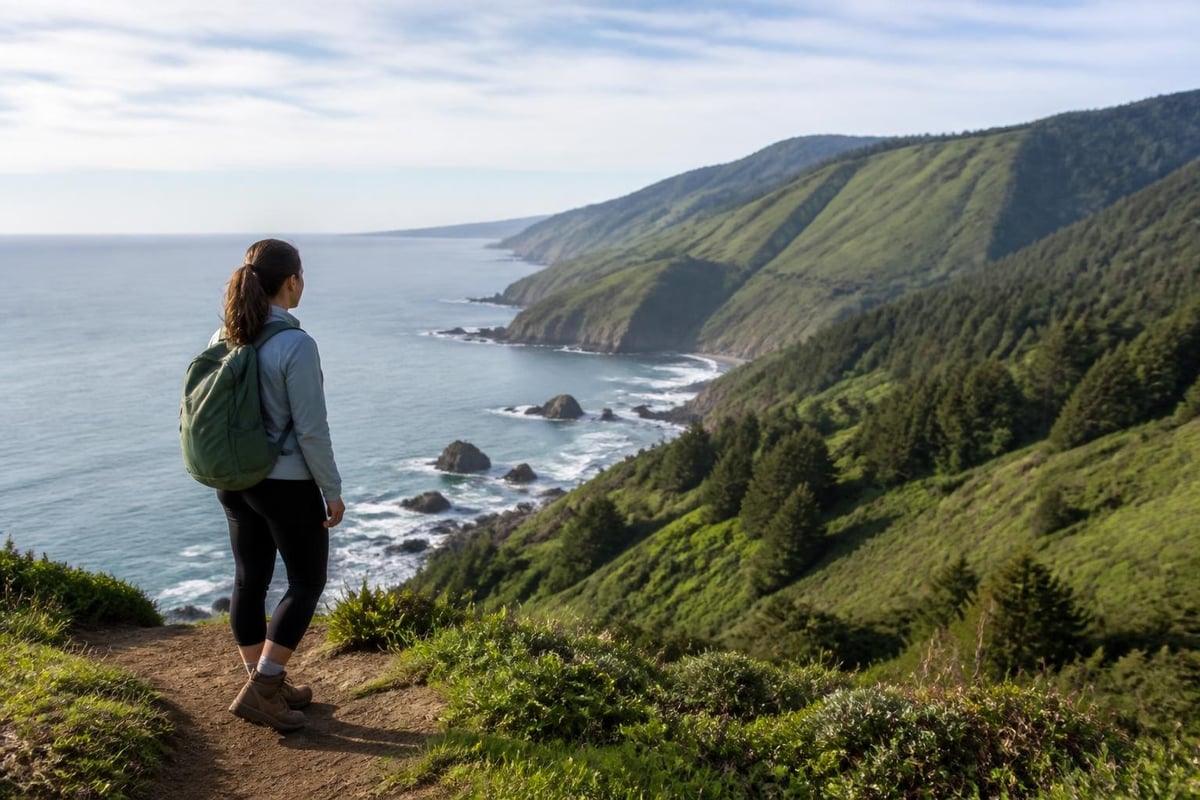
Research demonstrates measurable wellness benefits from coastal environments. A study published in Scientific Reports examining blue-space ecosystem services found significant mental health advantages associated with coastal visits across multiple countries. The combination of negative ions from breaking waves, broader visual horizons, and the psychological concept of "blue mind" contributes to reduced stress and enhanced cognitive restoration.
Peninsula trails deliver unique physiological advantages beyond standard hiking. The marine environment provides natural resistance through wind exposure and often includes challenging terrain with elevation changes from sea level to clifftop viewpoints.
Key wellness benefits include:
Population-level research published in the Journal of Happiness Studies confirms outdoor spaces significantly improve subjective wellbeing. Coastal environments amplify these effects through their unique sensory characteristics and the psychological restoration associated with expansive water views.
Successful peninsula hikes require different preparation than inland trails. Coastal conditions change rapidly, and environmental factors demand specific safety considerations.
Weather patterns on peninsulas shift unpredictably due to marine influences. Fog can materialize within minutes, reducing visibility dramatically. Wind speeds frequently exceed forecasts, particularly on exposed promontories and clifftop sections.
The National Park Service’s Point Reyes hiking guide emphasizes tidal awareness as critical for coastal routes. Many peninsula trails include beach segments or rocky shoreline passages that become impassable or dangerous during high tide. Checking tide tables before departure proves essential, not optional.
| Safety Element | Peninsula-Specific Consideration | Recommended Action |
|---|---|---|
| Weather monitoring | Rapid marine-influenced changes | Check marine forecast, not just general weather |
| Tide awareness | Beach access and rocky shore segments | Review tide charts; plan timing accordingly |
| Navigation tools | Fog and coastal disorientation | Carry GPS device and physical map |
| Sun exposure | Minimal shade on coastal sections | Bring broad-spectrum sunscreen and hat |
| Emergency communication | Limited cell coverage | Carry satellite communicator or notify contacts |
The terrain itself presents unique challenges. Coastal trails frequently traverse loose sand, slippery kelp-covered rocks, and erosion-prone bluff edges. Quality footwear with aggressive tread becomes critical for safety and enjoyment.
Peninsula hikes range from gentle coastal strolls to demanding multi-day expeditions. Matching route difficulty to your fitness level and wellness goals ensures optimal experience.
Beginner-friendly peninsula routes typically feature:
Intermediate hikers can tackle longer distances with moderate elevation changes, while advanced routes may include technical scrambles, remote sections requiring self-sufficiency, and challenging navigation through changing conditions.
Costa Rica's Nicoya Peninsula exemplifies diverse trail options within a single region. The area offers everything from accessible wildlife observation routes to more challenging backcountry experiences, all within a recognized Blue Zone known for longevity and wellness-focused lifestyles.
Peninsula ecosystems rank among Earth's most vulnerable environments. The interface between land and sea creates delicate habitats susceptible to human impact, climate change, and coastal erosion.
Responsible hiking practices protect these fragile zones for future generations. Leave No Trace principles apply with extra rigor on coastal routes where vegetation recovers slowly and wildlife faces multiple environmental stressors.
Coastal peninsulas experience accelerated environmental change compared to inland areas. The USGS Coastal Change Hazards Portal provides detailed datasets on shoreline change, erosion probability, and sea-level rise impacts affecting trail networks worldwide.
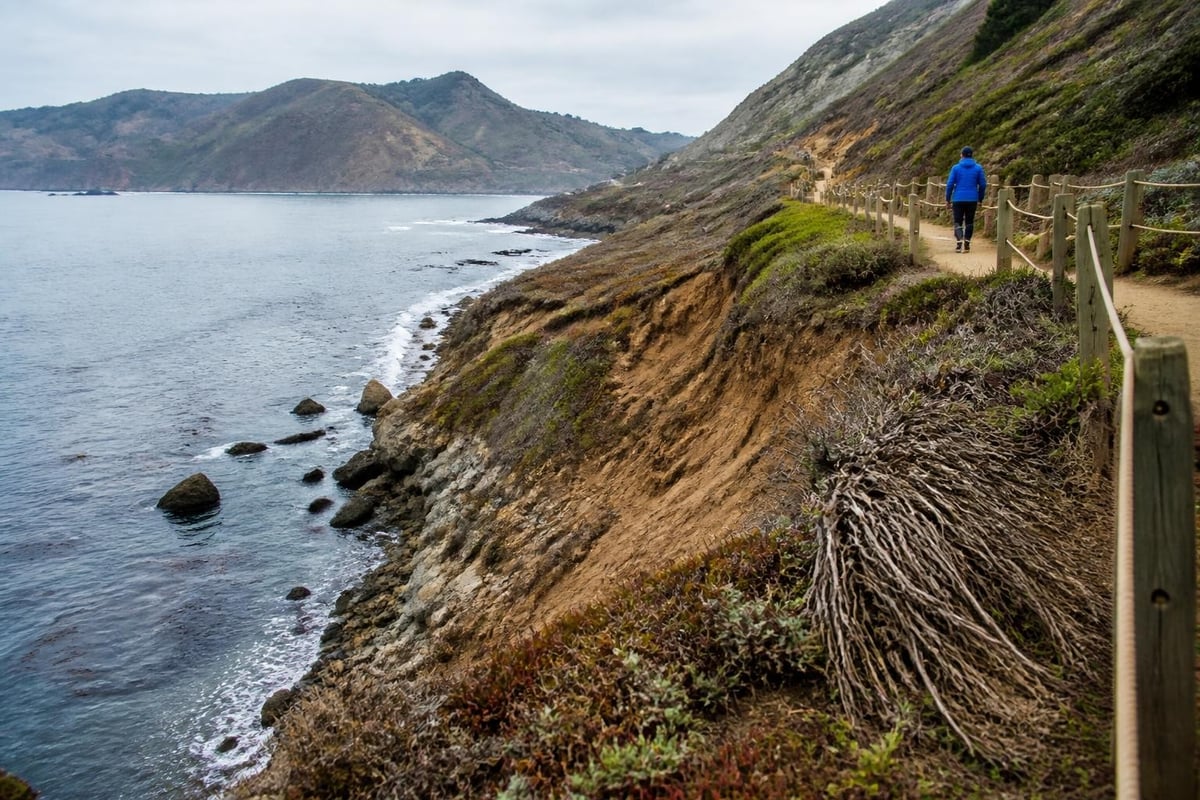
Trail managers increasingly balance access with preservation. Recent California Coastal Commission vulnerability assessments document how rising seas and intensified storms threaten both natural habitats and recreational infrastructure on California peninsulas. Similar pressures affect coastal regions globally.
Smart trail etiquette for peninsula hikes:
Forward-thinking coastal management recognizes trails as components of natural infrastructure. NOAA’s overview of natural infrastructure explains how properly designed coastal access combines recreation benefits with hazard buffering and ecosystem protection.
Peninsula hikes that incorporate dune systems, vegetated bluffs, and maintained setbacks from eroding edges demonstrate how human recreation and environmental resilience coexist. Supporting organizations that maintain these balanced approaches ensures long-term trail availability.
Peninsula hikes complement comprehensive wellness programs exceptionally well. The combination of physical exertion, natural beauty, and coastal environments creates ideal conditions for transformation and restoration.
Wellness-focused hiking differs from pure recreation or fitness walking. The practice incorporates mindfulness, intentional pacing, and awareness of environmental connections that deepen the experience beyond simple exercise.
Multi-day formats allow gradual progression from casual coastal walks to more challenging routes. This approach builds physical capacity while providing time for psychological benefits to accumulate.
Sample five-day progression:
This structure allows participants to experience varied coastal environments while maintaining energy for complementary wellness activities. The rhythm of exertion and restoration mirrors natural cycles, enhancing overall program effectiveness.
The Golden Gate National Recreation Area’s Coastal Trail demonstrates how established infrastructure supports extended hiking experiences, though pristine locations like Costa Rica's Nicoya Peninsula offer more immersive natural settings away from urban influences.
Peninsula hikes integrate seamlessly with yoga, meditation, nutrition programs, and other wellness modalities. Morning beach walks prepare the body and mind for yoga practice, while sunset coastal hikes provide natural transition into evening meditation or reflection sessions.
| Wellness Activity | Optimal Peninsula Hiking Pairing | Synergistic Benefits |
|---|---|---|
| Yoga | Sunrise or sunset coastal walks | Warm muscles, enhanced flexibility, shared mindfulness focus |
| Meditation | Short contemplative nature walks | Grounded awareness, sensory engagement, mental clarity |
| Nutrition programs | Foraging-themed educational hikes | Connection to local food systems, seasonal awareness |
| Journaling | Solo reflection walks to scenic viewpoints | Processing space, inspiration from natural beauty |
| Group wellness | Social hiking with intentional conversation | Community building, shared experience, mutual support |
The economic value of coastal recreation extends beyond individual wellness benefits. A NOAA study of York River recreation used mobility data to quantify visitation patterns and economic impacts, demonstrating how coastal access drives regional wellness tourism and supports local communities.
Blue Zones represent areas where populations demonstrate exceptional longevity and quality of life. These regions share common characteristics including natural movement integrated into daily life, strong community connections, and plant-based nutrition traditions.
Costa Rica's Nicoya Peninsula stands as one of only five recognized Blue Zones globally. The region's combination of coastal access, mountainous terrain, and cultural traditions creates ideal conditions for wellness-oriented peninsula hikes.
The Nicoya Peninsula offers remarkable biodiversity within compact geography. Hikers transition from Pacific beaches through dry tropical forest to cloud forest elevations within single-day routes. This ecological compression concentrates wildlife viewing opportunities and scenic variety.
Endemic species found nowhere else on Earth inhabit these trails. Birdwatching opportunities include scarlet macaws, motmots, and dozens of hummingbird species. Howler monkeys, white-faced capuchins, and sloths frequently appear along forested sections.
Cultural elements enrich hiking experiences beyond natural features. Traditional villages along routes maintain centuries-old practices and welcoming hospitality. The centenarian population embodies living proof of the region's health-supporting environment and lifestyle patterns.

Water features add dimension to Nicoya peninsula hikes. Waterfall destinations provide refreshing swimming opportunities, while coastal bioluminescence experiences demonstrate the peninsula's unique marine environments.
Single-day peninsula hikes provide valuable experiences, but extended immersion unlocks deeper wellness benefits. Multi-day or week-long formats allow nervous system regulation, circadian rhythm optimization, and genuine disconnection from urban stressors.
Ideal extended experiences combine hiking with cultural immersion, local cuisine emphasizing whole plant foods, and adequate recovery time between activities. The goal shifts from maximizing activities to optimizing transformation.
Components of transformative extended programs:
The wellness retreat model provides ideal structure for these comprehensive experiences. Rather than independent travel requiring constant planning and decision-making, curated programs allow complete immersion and surrender to the experience.
Peninsula hiking demands specific equipment considerations beyond standard trail gear. Marine environments introduce unique challenges including salt exposure, rapid temperature changes, and specialized terrain.
Footwear selection dramatically impacts coastal hiking enjoyment. Standard trail runners work well on maintained paths but struggle on sandy beaches and wet rocks. Many experienced coastal hikers carry multiple shoe options for different terrain segments.
Core gear recommendations:
Navigation tools deserve special attention. GPS devices outperform smartphone apps in areas with limited connectivity. Waterproof map cases protect paper maps from spray and humidity.
Peninsula hikes reward advance conditioning focusing on endurance, balance, and ankle stability. The varied terrain and often extended distances without bailout options make fitness preparation particularly valuable.
Training regimens should incorporate:
Starting conditioning at least six weeks before significant peninsula hikes allows adequate adaptation. Even experienced inland hikers benefit from coastal-specific preparation addressing unique demands of marine environments.
Peninsula hikes provide extraordinary photographic opportunities combining dramatic landscapes, unique wildlife, and ever-changing light conditions. Thoughtful documentation enhances appreciation while creating lasting memories of transformative experiences.
Golden hour timing proves especially rewarding on coastal routes. Sunrise illuminates eastern-facing beaches with warm tones, while sunset paints western-facing cliffs in spectacular colors. Planning route timing around optimal light elevates photographic results dramatically.
Wildlife photography on peninsula trails requires patience and ethical practices. Maintaining respectful distances prevents disturbing animals while producing more natural, compelling images. Long lenses allow detailed captures without intrusion.
| Photography Subject | Optimal Timing | Technical Considerations |
|---|---|---|
| Coastal landscapes | Golden hour (sunrise/sunset) | Graduated ND filters for sky/foreground balance |
| Tide pools | Low tide with soft overcast light | Macro lens, polarizing filter to reduce glare |
| Wildlife | Early morning or late afternoon | Long telephoto lens, fast shutter speeds |
| Night sky/bioluminescence | New moon phase | Tripod, wide aperture, long exposures |
| Action/movement | Midday with consistent light | Fast shutter speeds, continuous autofocus |
Beyond technical execution, photography deepens observation skills and environmental connection. The search for compelling compositions slows hiking pace, encouraging detailed attention to elements easily missed during faster travel.
Group peninsula hikes foster community bonds through shared challenge and natural beauty exposure. The combination of physical exertion, inspiring environments, and unplugged communication creates authentic connections difficult to replicate in conventional social settings.
Wellness-focused group hiking emphasizes collaboration over competition. Routes designed for conversation rather than speed allow participants to share stories, process experiences, and develop supportive relationships extending beyond the trail.
Intentional facilitation enhances group dynamics. Trained guides can introduce reflection prompts, facilitate meaningful conversations at scenic rest stops, and create space for both social connection and solo contemplation within the group framework.
Multi-generational groups benefit particularly from peninsula hikes offering varied difficulty options. Families can explore together with route flexibility accommodating different fitness levels and interests. The diverse trail offerings in regions like the Nicoya Peninsula support this inclusive approach.
Peninsula hiking seasons vary dramatically by latitude and regional climate patterns. Understanding seasonal characteristics allows optimal timing for specific experiences and helps set appropriate expectations.
Tropical peninsulas like Nicoya maintain year-round hiking accessibility with distinct wet and dry season characteristics. Dry season (December through April) provides reliable sunshine and easier trail conditions, while wet season (May through November) offers lush vegetation, fewer crowds, and dramatic afternoon storms requiring flexible scheduling.
Temperate coastal regions experience more pronounced seasonal variation. Summer provides warm temperatures and long daylight but attracts maximum crowds. Spring and fall shoulder seasons balance pleasant conditions with solitude. Winter introduces weather challenges but rewards hardy hikers with storm-watching opportunities and pristine emptiness.
Seasonal advantages by period:
Advanced planning proves essential during peak periods when popular routes reach capacity. Conversely, off-season travelers enjoy spontaneity but should verify service availability and prepare for variable conditions.
Peninsulas generate distinctive weather patterns through their geographic isolation and ocean influence. Understanding these microclimates improves safety, comfort, and experience quality.
Marine layer fog characterizes many temperate peninsulas, particularly during summer months when warm air masses encounter cold ocean currents. This phenomenon can persist through midday along exposed coasts while inland areas remain sunny. Route planning should account for these localized conditions.
Wind patterns follow predictable daily cycles on many peninsulas. Morning offshore breezes transition to afternoon onshore winds as land surfaces heat and create low pressure drawing cooler marine air inland. Scheduling challenging clifftop sections during calmer morning hours improves safety and enjoyment.
Temperature variations between coastal and inland segments within single routes can exceed 10-15 degrees Celsius. Layering systems allowing quick adjustments prevent discomfort and optimize energy efficiency during extended hikes.
Local knowledge provides invaluable insights into peninsula-specific weather patterns. Guides familiar with regional conditions anticipate changes visitors might miss, adjusting routes proactively to maximize safety and experience quality while demonstrating the value of expert-led exploration.
Peninsula hikes deliver unmatched combinations of natural beauty, physical challenge, and wellness benefits that transform casual outdoor recreation into profound personal experiences. Whether you're seeking cardiovascular fitness, mental restoration, or deeper connection with coastal ecosystems, these distinctive trails offer pathways to meaningful growth and renewal. Soluna specializes in curating bespoke wellness retreats throughout Costa Rica's Nicoya Peninsula Blue Zone, seamlessly integrating transformative coastal hikes with yoga, meditation, and cultural immersion within private, personalized itineraries designed around your unique wellness goals. Discover how our expert-guided peninsula experiences can reconnect you with nature's restorative power while supporting your journey toward lasting wellbeing.