Depression affects millions of adults worldwide, and traditional outpatient therapy, while valuable, may not provide the intensive, immersive support some individuals need for meaningful recovery. A mental health retreat for depression offers an alternative approach that combines clinical expertise with restorative environments, creating space for deep healing away from daily stressors. These specialized programs blend evidence-based therapeutic interventions with wellness practices in settings designed to promote both psychological and physical restoration.
Mental health retreats designed specifically for depression differ significantly from general wellness getaways or vacation destinations. These programs integrate professional mental health support with structured activities aimed at symptom reduction and skill-building. Participants receive individualized attention in environments that remove many of the triggers and stressors present in everyday life.
The fundamental premise behind a mental health retreat for depression involves creating optimal conditions for neurological and psychological healing. Research increasingly supports the therapeutic value of nature-based interventions, with studies published in Scientific Reports demonstrating measurable improvements in depression symptoms and overall well-being among participants in nature-focused programs.
Effective retreats incorporate multiple therapeutic modalities rather than relying on a single intervention approach. Most comprehensive programs include:
Evidence-based therapeutic frameworks commonly used include Cognitive Behavioral Therapy (CBT), Dialectical Behavior Therapy (DBT), Acceptance and Commitment Therapy (ACT), and trauma-informed approaches when indicated. The intensive nature of retreat settings allows for daily therapeutic contact, which accelerates skill acquisition and symptom improvement compared to traditional weekly outpatient sessions.

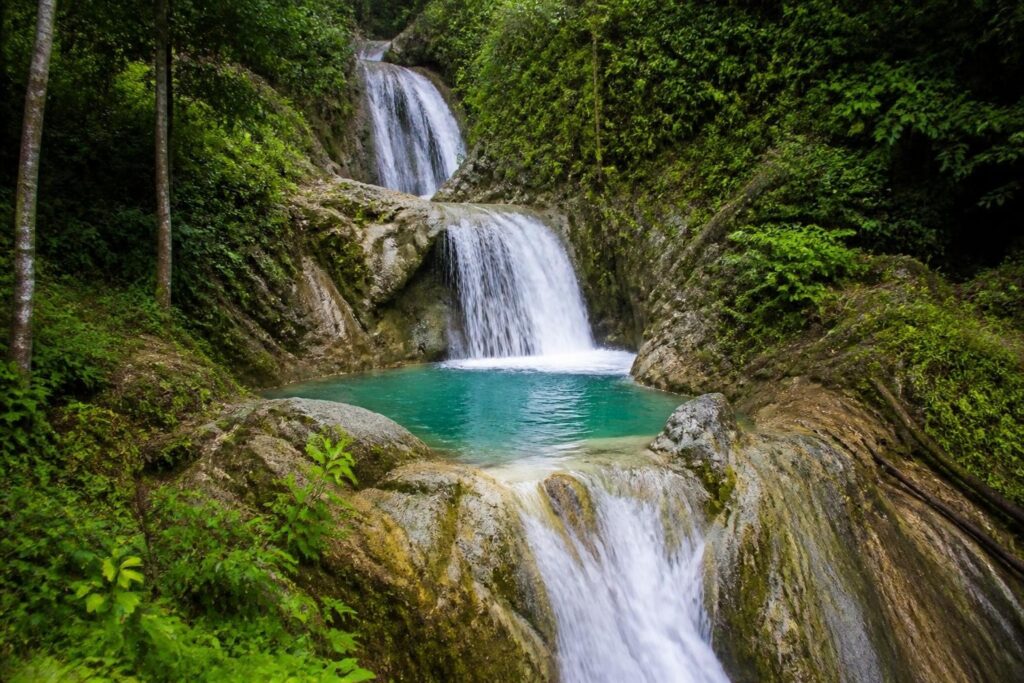
Natural environments provide more than aesthetic appeal in the context of mental health treatment. Mounting scientific evidence demonstrates that exposure to nature produces measurable physiological and psychological changes that directly counteract depressive symptoms. A multicenter randomized controlled trial published in the Journal of Environmental Psychology confirmed significant reductions in depression severity among participants who engaged in structured nature-based interventions.
The mechanisms behind these benefits involve multiple biological systems. Natural settings reduce cortisol levels, lower inflammation markers, improve heart rate variability, and enhance parasympathetic nervous system activity. These physiological shifts create an internal environment more conducive to emotional regulation and cognitive flexibility.
Locations designated as Blue Zones offer unique advantages for mental health retreat programming. These regions, characterized by exceptional longevity and lower rates of chronic disease among residents, provide environmental and cultural factors that support healing. Costa Rica's Nicoya Peninsula, one of only five recognized Blue Zones globally, combines biodiverse natural ecosystems with a cultural emphasis on community and well-being.
| Blue Zone Feature | Mental Health Benefit | Retreat Application |
|---|---|---|
| Natural biodiversity | Increased awe and perspective | Jungle immersion activities |
| Strong sunlight exposure | Vitamin D optimization | Outdoor therapeutic sessions |
| Ocean proximity | Negative ion exposure | Beach-based mindfulness |
| Plant-rich cuisine | Anti-inflammatory nutrition | Farm-to-table meal programs |
| Community connection | Social support modeling | Group healing activities |
The combination of these factors creates what researchers term a "therapeutic landscape," where the physical environment itself becomes an active component of treatment rather than merely a backdrop.
Not all mental health retreats offer equivalent quality or appropriateness for individuals managing depression. Careful evaluation ensures that the program aligns with clinical needs, personal preferences, and recovery goals. Several critical factors warrant consideration during the selection process.
Clinical credentials and oversight represent the foundation of any legitimate mental health retreat for depression. Programs should employ licensed mental health professionals with specific training in mood disorders. Verify whether psychiatrists are available for medication management if needed, and confirm that staff-to-participant ratios allow for adequate individualized attention.
Depression retreats vary considerably in their therapeutic intensity and structure. Some programs offer highly structured, scheduled days with limited free time, while others provide greater flexibility for self-directed activities. Consider your current symptom severity and personal preferences when evaluating program structure.
The ideal program matches your current needs and recovery stage. Individuals experiencing severe symptoms may benefit from more intensive clinical oversight, while those in maintenance phases might prioritize skill reinforcement and lifestyle integration.

Research on residential mental health treatment suggests that meaningful symptom improvement typically requires a minimum commitment of one to two weeks, with optimal outcomes often observed in programs lasting three to four weeks. However, even shorter immersive experiences can provide valuable crisis intervention, skill acquisition, or momentum shifts in treatment-resistant cases.
Timing your retreat participation strategically enhances effectiveness. Consider scheduling during periods of:
Understanding the typical rhythm and components of a mental health retreat for depression helps set realistic expectations and reduces pre-arrival anxiety. Most programs begin with comprehensive assessment processes to tailor interventions to individual needs.
The initial 24 to 48 hours typically focus on orientation, safety planning, and baseline assessment. Clinical staff conduct intake interviews, review medical and psychiatric histories, and establish therapeutic goals. This foundation ensures that subsequent programming addresses your specific symptoms, triggers, and recovery objectives.
Well-designed depression retreats balance active therapeutic work with adequate rest and integration time. A typical day might include morning meditation or gentle movement, individual therapy, group processing, outdoor activities, creative expression sessions, and evening relaxation practices.
Physical movement receives particular emphasis due to its well-established antidepressant effects. Activities range from therapeutic yoga and swimming to adventure experiences like hiking and nature exploration. The goal involves finding sustainable movement practices that participants can continue after returning home.
Meals serve both nutritional and social functions. Anti-inflammatory, nutrient-dense foods support neurological healing, while shared dining experiences provide opportunities for connection and social skill practice in low-pressure settings.
The most effective mental health retreats for depression combine evidence-based talk therapies with experiential modalities that engage the body and senses. This multimodal approach addresses depression's cognitive, emotional, physiological, and behavioral dimensions simultaneously.
Traditional psychotherapy provides the framework for understanding thought patterns, developing coping strategies, and processing underlying issues contributing to depressive symptoms. However, depression often involves dysregulation in systems that don't respond directly to cognitive interventions alone.
Depression manifests not only in thoughts and emotions but also in physical sensations, posture, breathing patterns, and nervous system dysregulation. Somatic therapies address these embodied aspects through techniques such as:
These interventions help participants develop interoceptive awareness (the ability to sense internal bodily states) and learn to regulate their nervous systems through body-based techniques. Many individuals with depression have become disconnected from physical sensations; somatic practices rebuild this essential connection.
| Therapeutic Modality | Primary Target | Evidence Level | Typical Frequency in Retreats |
|---|---|---|---|
| Individual CBT | Cognitive patterns | Strong | 3-5 sessions/week |
| Group therapy | Social connection, universality | Moderate-Strong | 4-7 sessions/week |
| Mindfulness meditation | Present-moment awareness | Strong | Daily |
| Therapeutic yoga | Mind-body integration | Moderate | Daily |
| Nature immersion | Physiological restoration | Emerging-Moderate | Daily |
| Art/music therapy | Emotional expression | Moderate | 2-4 sessions/week |
Responsible mental health retreats for depression implement comprehensive safety protocols and maintain appropriate clinical oversight. Understanding these safety features helps differentiate legitimate therapeutic programs from unqualified wellness offerings.
Medical screening occurs before admission to ensure that the program can safely meet each participant's needs. Individuals with active suicidal ideation, recent suicide attempts, or requiring acute psychiatric stabilization may need higher levels of care before retreat participation becomes appropriate.
Medication management represents a critical safety consideration. Programs should have clear protocols for medication administration, storage, and monitoring. Psychiatric consultation should be readily available for medication adjustments if needed during the program.
Reputable programs maintain relationships with local medical facilities and have established emergency response procedures. Ask about:
Equally important is discharge planning and continuity of care. The retreat should help you develop a transition plan that includes referrals to ongoing outpatient providers, medication management if applicable, and strategies for maintaining gains achieved during the program.

Depression often involves profound feelings of isolation, worthlessness, and disconnection from others. The community aspect of group-based mental health retreats for depression provides a powerful antidote to these experiences. Connecting with others who understand the challenges of depression reduces shame and normalizes the recovery process.
Group therapy sessions allow participants to practice vulnerability, receive validation, offer support to peers, and recognize that they are not uniquely flawed or broken. These interpersonal experiences can shift deeply held negative beliefs about oneself and one's worthiness of connection.
While community connection offers significant therapeutic value, individuals with depression also need adequate solitude for rest, reflection, and integration. Quality programs respect this balance by providing:
Programs offering bespoke retreat experiences can customize the balance between group and individual time based on each participant's preferences and therapeutic needs.
Adequate preparation enhances the effectiveness of a mental health retreat for depression and reduces anxiety about the unknown. Several weeks before departure, begin mental, practical, and logistical preparation.
Clarify your intentions and goals for the retreat experience. What specific changes do you hope to achieve? What skills do you want to develop? What patterns do you want to understand better? Writing these goals provides direction and helps you communicate priorities to clinical staff upon arrival.
Practical preparation includes:
A mental health retreat for depression is not a cure or quick fix but rather an intensive period of learning, healing, and momentum-building. Approaching the experience with realistic expectations and openness to the process enhances outcomes.
Expect emotional ups and downs during the program. Intensive therapeutic work often brings difficult feelings to the surface before resolution occurs. Trust that the clinical team has experience guiding participants through these challenging moments and that discomfort often signals meaningful growth.
The period immediately following a mental health retreat for depression represents a critical transition that significantly influences long-term outcomes. Without adequate integration planning, the benefits gained during retreat can gradually diminish as participants return to previous environments and routines.
Develop a detailed integration plan before leaving the retreat. This plan should specify:
Schedule follow-up appointments with outpatient providers before leaving the retreat to ensure continuity of care. Many programs offer alumni support groups, check-in calls, or ongoing virtual resources to support the transition period.
The retreat environment makes certain practices easy that may require more intention in daily life. Identify which retreat components provided the most benefit and create realistic plans for continuing modified versions at home. A daily 90-minute yoga session might become 20 minutes of morning stretching. Elaborate farm-to-table meals might translate into adding one additional serving of vegetables daily.
Focus on sustainable incremental changes rather than attempting to maintain the full retreat schedule. Small consistent practices produce better long-term outcomes than ambitious plans that prove impossible to maintain.
Mental health retreats for depression represent a significant financial investment, with costs varying widely based on location, duration, amenities, and clinical intensity. Programs range from several thousand dollars for week-long experiences to tens of thousands for month-long intensive treatment.
Insurance coverage for mental health retreats varies considerably. Some programs accept insurance or can provide documentation for potential reimbursement, while others operate entirely on a private-pay basis. Research on day hospital programs versus inpatient admission suggests that intensive outpatient and partial hospitalization formats can provide effective alternatives to full residential treatment at lower cost points.
When evaluating cost, consider the comprehensive nature of services provided. Calculate the equivalent cost of separate individual therapy, group therapy, psychiatric consultations, bodywork, movement classes, nutritional counseling, and accommodations if purchased individually.
For those unable to afford standard retreat costs, explore:
Mental health retreats for depression come in various formats designed to serve different populations and preferences. Understanding these variations helps identify the most appropriate option for your specific needs and circumstances.
Gender-specific retreats create spaces for addressing issues that disproportionately affect or uniquely impact particular genders. Women-only retreats might emphasize topics like perinatal depression, hormonal influences on mood, or trauma healing. Men-focused programs might address masculine socialization patterns that complicate depression expression and treatment-seeking.
Age-specific programs recognize that depression manifests differently across life stages. Young adult retreats address issues around identity formation, educational pressures, and social media impacts. Programs for older adults might focus on late-life transitions, loss, purpose, and aging-related challenges.
Some mental health retreats for depression emphasize adventure therapy and outdoor challenges as core therapeutic modalities. These programs use activities like hiking, surfing, rock climbing, or wilderness expeditions to build confidence, develop problem-solving skills, foster resilience, and create metaphors for psychological challenges.
Multi-day adventure packages can incorporate therapeutic processing of outdoor experiences, helping participants extract meaning and apply insights to their mental health recovery. The combination of physical challenge, natural beauty, and achievement experiences provides powerful counters to the helplessness and hopelessness characteristic of depression.
Recovery from depression requires comprehensive support that addresses biological, psychological, social, and environmental factors. A mental health retreat for depression provides intensive, immersive healing opportunities that complement ongoing outpatient care while offering the reset many individuals need to break persistent patterns. If you're seeking a transformative environment that combines evidence-based mental health support with the restorative power of nature, Soluna offers bespoke wellness retreats in Costa Rica's Nicoya Blue Zone, integrating therapeutic practices with adventure, connection, and the profound healing capacity of one of Earth's most vital ecosystems.