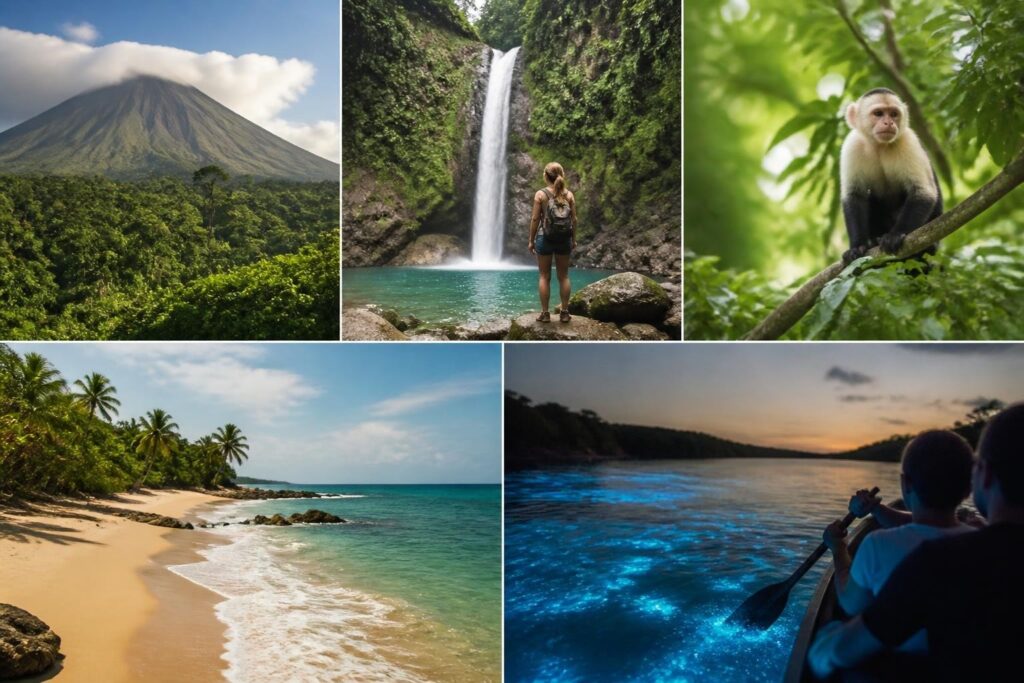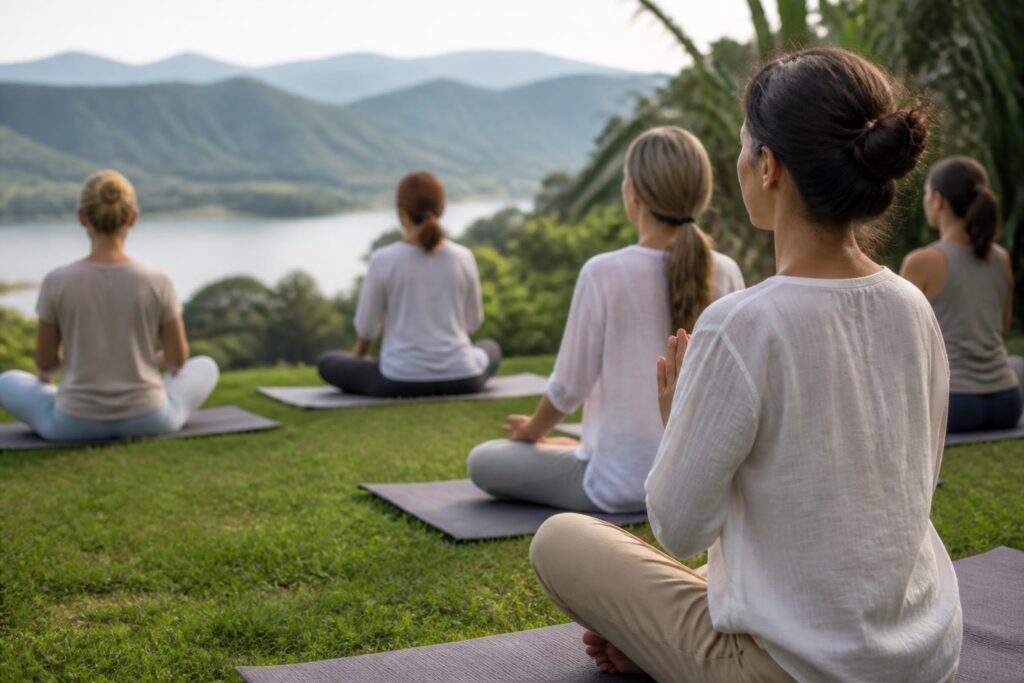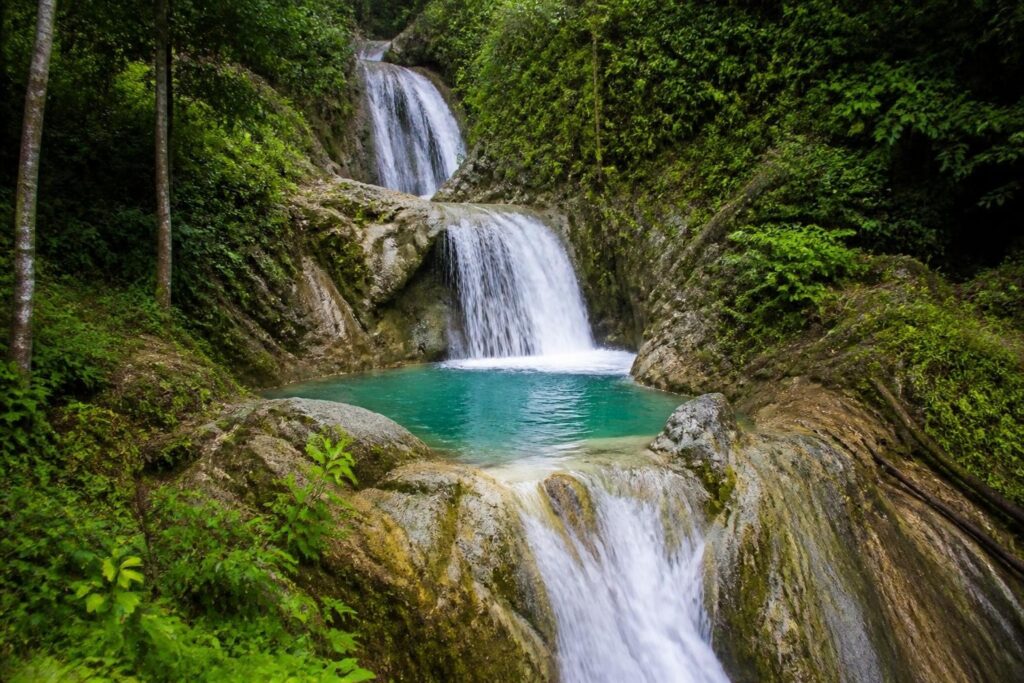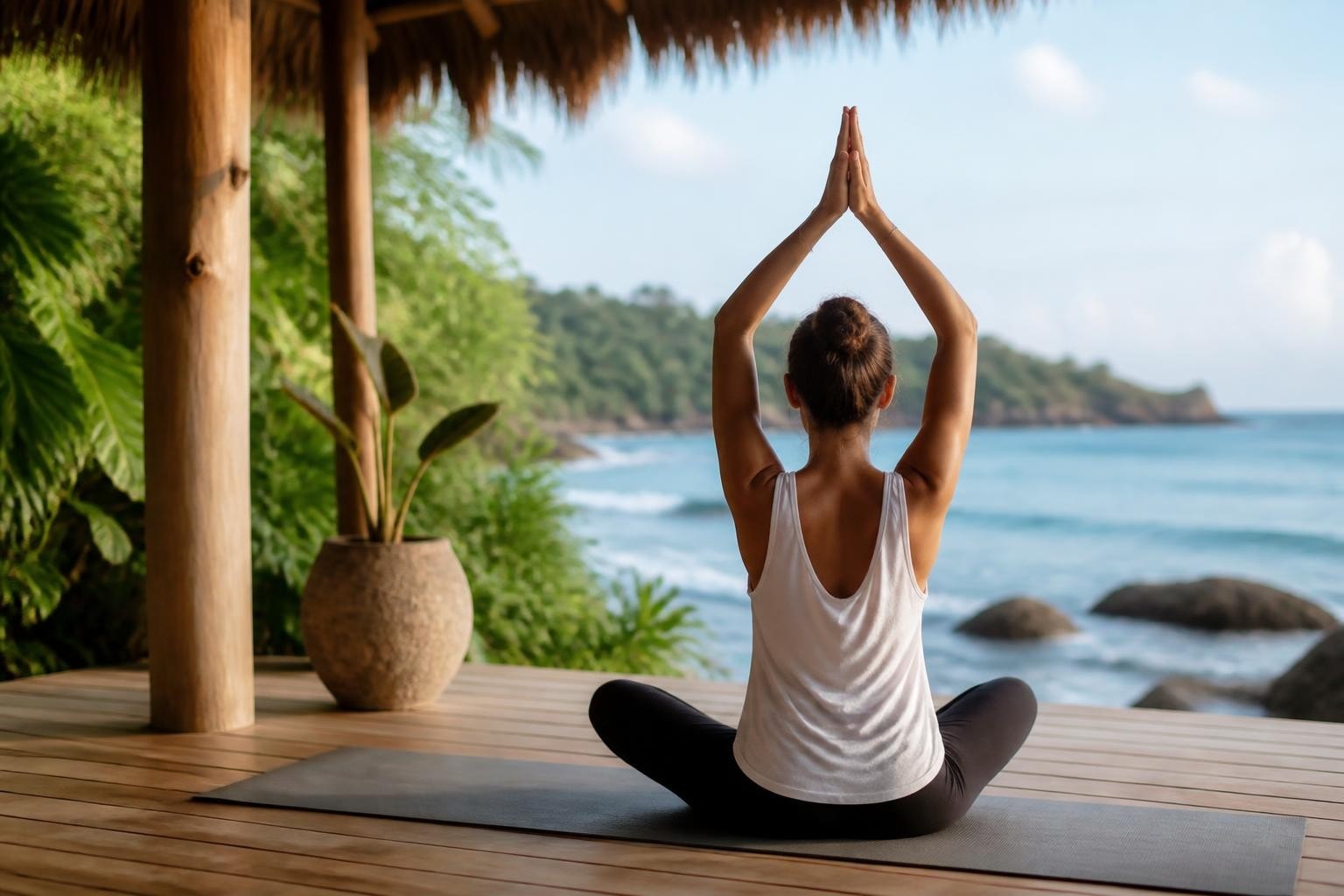
The Caribbean has evolved far beyond its reputation as a simple beach destination. Today, the region stands at the forefront of wellness tourism, offering transformative experiences that combine natural healing environments with intentional programming designed to restore body, mind, and spirit. Caribbean retreats now represent a sophisticated blend of traditional wellness practices, adventure activities, and sustainable tourism principles that attract discerning travelers seeking authentic rejuvenation. As the global wellness economy continues to expand, the Caribbean's unique advantages position it as an ideal location for those looking to disconnect from modern stressors and reconnect with themselves.
The wellness tourism sector has experienced remarkable growth throughout the Caribbean region over the past decade. According to recent travel and tourism research, visitor spending on wellness-focused experiences has increased substantially, reflecting a broader shift in traveler priorities toward health-conscious vacations.
Caribbean retreats benefit from several inherent advantages that make the region particularly well-suited for wellness programming. The tropical climate supports year-round outdoor activities, while the abundance of natural settings provides ideal environments for meditation, yoga, and nature-based therapies. Many Caribbean destinations also boast Blue Zones or areas with exceptional longevity and health markers, offering visitors the opportunity to experience lifestyle patterns associated with extended wellness.
Several key trends have accelerated the development of caribbean retreats across the region:
The shift toward personalized wellness journeys has been particularly significant. Modern travelers increasingly seek tailored retreat experiences that address their specific health goals, whether those involve stress reduction, fitness improvement, spiritual exploration, or simple rest and restoration.
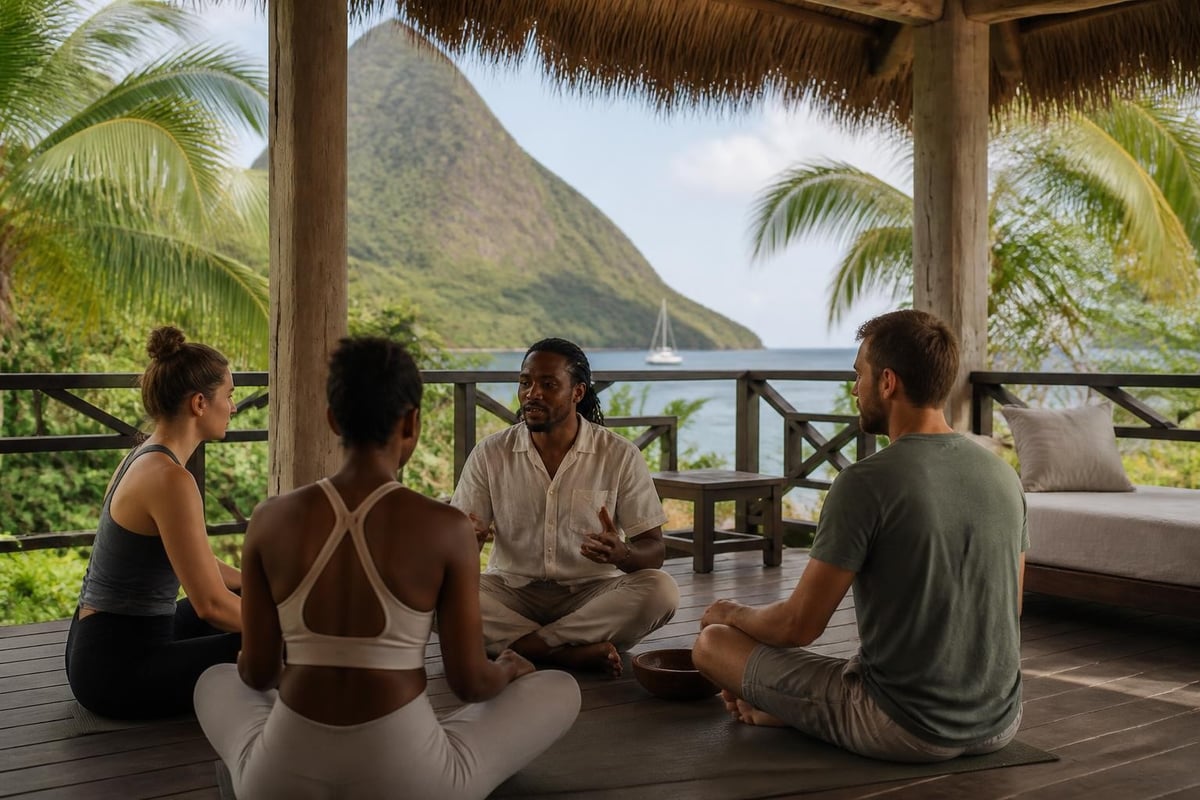
Creating meaningful caribbean retreats requires thoughtful attention to program design, location selection, and activity integration. The most successful retreats balance structured wellness activities with adequate free time for personal reflection and spontaneous exploration.
A well-designed Caribbean wellness retreat typically incorporates multiple elements that work synergistically to support guest transformation:
| Component | Purpose | Example Activities |
|---|---|---|
| Movement practices | Physical vitality and mind-body connection | Yoga, Pilates, beach walks, jungle hikes |
| Nutrition programming | Cellular health and energy optimization | Whole-food meals, cooking classes, nutritional education |
| Mindfulness training | Mental clarity and stress reduction | Meditation, breathwork, journaling exercises |
| Nature immersion | Biophilic restoration and grounding | Forest bathing, ocean therapy, wildlife observation |
| Adventure experiences | Challenge, growth, and embodied presence | Surfing, horseback riding, waterfall exploration |
The integration of local ecosystems into retreat programming offers unique therapeutic benefits. Coastal environments, for instance, provide opportunities for thalassotherapy and the calming effects of wave sounds, while rainforest settings offer the documented benefits of forest bathing and exposure to beneficial plant compounds.
Geographic location significantly impacts the retreat experience. Coastal settings provide easy access to water-based activities and the therapeutic benefits of ocean proximity, while inland locations often offer greater privacy, quieter environments, and connection to agricultural traditions. Many successful caribbean retreats are situated in areas that provide both coastal and mountainous terrain within short distances, allowing for diverse programming options.
Blue Zones, regions where populations demonstrate exceptional longevity and health, offer particular appeal for wellness-focused travelers. Costa Rica's Nicoya Peninsula, for example, provides authentic exposure to lifestyle patterns associated with extended healthspan, including plant-based nutrition traditions, strong community bonds, and purposeful living philosophies.
Environmental responsibility has become non-negotiable for modern caribbean retreats. Travelers increasingly evaluate destinations based on their commitment to sustainability, and retreat operators who embrace regenerative practices benefit from both ethical alignment and competitive advantage.
The blue tourism framework provides valuable guidance for Caribbean retreat operators seeking to minimize environmental impact while maximizing community benefit. This approach emphasizes coastal and marine conservation, community engagement, and economic models that distribute tourism benefits equitably.
Forward-thinking retreat operators are moving beyond simple sustainability toward regenerative models that actively improve local ecosystems:
These practices not only reduce environmental footprint but also enhance the guest experience by demonstrating authentic commitment to place-based values. Many visitors find that participating in conservation activities deepens their connection to the destination and provides meaningful purpose beyond personal wellness.
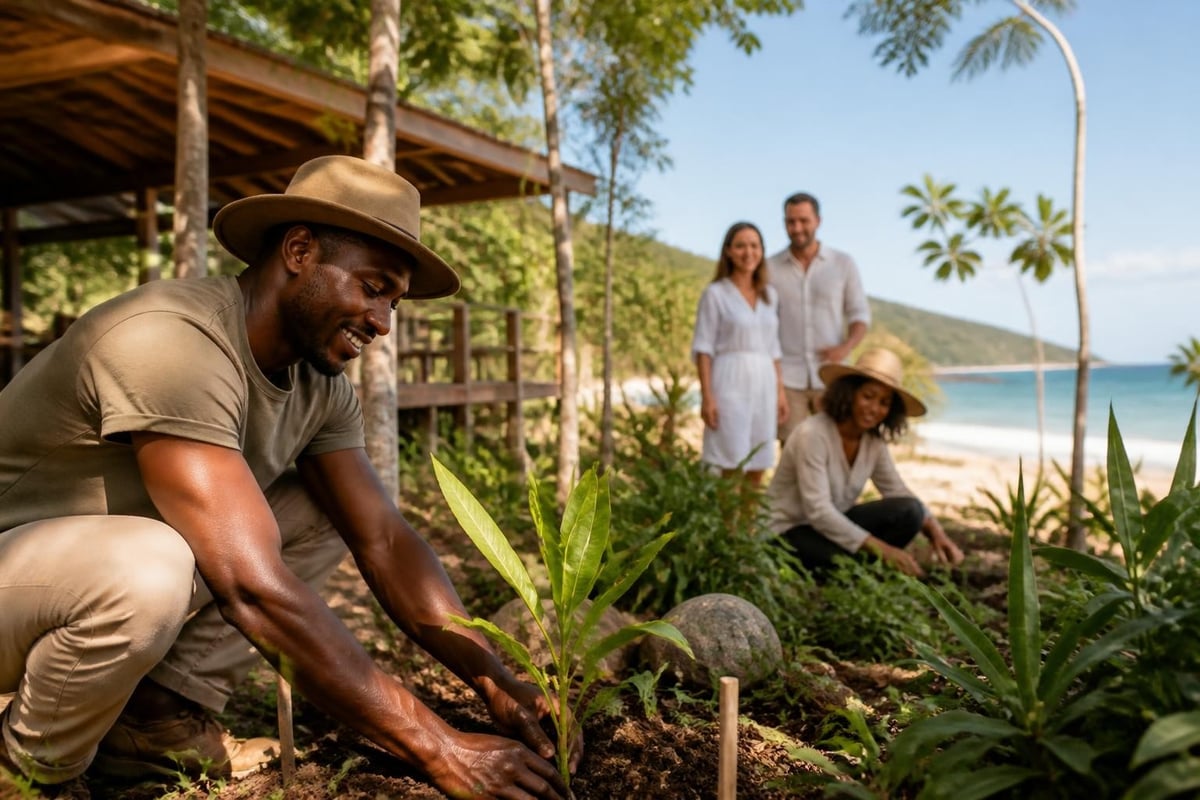
The most effective caribbean retreats curate activity offerings that balance familiarity with novelty, comfort with challenge, and structure with spontaneity. Programming should reflect both the destination's unique attributes and the specific wellness objectives that guests bring to the experience.
Caribbean locations offer unparalleled opportunities for water-based therapeutic and adventure experiences:
For those seeking adventure-focused experiences, water activities provide an ideal gateway to embodied presence and flow states. The ocean's unpredictability requires moment-to-moment attention that naturally quiets mental chatter and cultivates presence.
Caribbean landscapes support diverse land-based activities that complement water programming:
The variety of available activities allows retreat designers to create programs that appeal to different fitness levels, interests, and wellness goals. Some guests may prioritize gentle restorative practices, while others seek more vigorous physical challenges.
Food serves as both medicine and cultural bridge in well-designed caribbean retreats. The region's abundance of tropical fruits, vegetables, and fresh seafood provides ideal ingredients for anti-inflammatory, nutrient-dense cuisine that supports wellness objectives while delighting the palate.
Traditional Caribbean diets, particularly in Blue Zone regions, emphasize plant-based foods that align perfectly with modern wellness nutrition principles:
| Food Category | Caribbean Examples | Wellness Benefits |
|---|---|---|
| Whole grains | Rice and beans, corn tortillas | Sustained energy, fiber, complete protein |
| Tropical fruits | Papaya, mango, pineapple, passion fruit | Antioxidants, digestive enzymes, vitamin C |
| Leafy greens | Callaloo, bok choy, spinach | Minerals, phytonutrients, alkalizing compounds |
| Root vegetables | Yuca, sweet potato, plantain | Complex carbohydrates, resistant starch |
| Legumes | Black beans, lentils, chickpeas | Protein, fiber, blood sugar regulation |
Many caribbean retreats incorporate culinary experiences that teach guests to prepare traditional dishes using local ingredients and cooking methods. These hands-on sessions provide practical skills that guests can integrate into their daily lives after returning home, extending the retreat's impact beyond the travel dates.
The Caribbean climate necessitates particular attention to hydration strategies. Fresh coconut water, herbal teas made from local plants, and agua fresca prepared with seasonal fruits provide both hydration and phytonutrient benefits. Many retreats also incorporate fermented beverages like kombucha and kefir that support digestive health.
Successful caribbean retreats require careful attention to practical planning elements that ensure guest safety, comfort, and peace of mind. While the transformative aspects of the experience rightfully receive primary focus, logistical excellence provides the foundation that allows guests to fully immerse in their wellness journey.
Travelers should consult current health guidance from the CDC when planning Caribbean travel. Recommended vaccinations, malaria prophylaxis requirements, and other health precautions vary by specific destination and individual health status. Retreat operators should provide clear pre-arrival health information and maintain relationships with local medical providers.
Water quality, food safety protocols, and mosquito prevention measures deserve particular attention in tropical environments. Reputable retreat centers implement rigorous standards that protect guest health while maintaining the authentic character of the destination.
Caribbean weather patterns significantly influence the retreat experience. The region's hurricane season, which runs from June through November, requires awareness and planning. The NOAA hurricane outlook provides updated forecasting that helps travelers and operators make informed decisions about timing.
The dry season, typically December through April, offers the most predictable weather conditions and aligns with peak demand periods. However, the green season (May through November) provides its own advantages, including lush landscapes, fewer crowds, and often more favorable pricing.
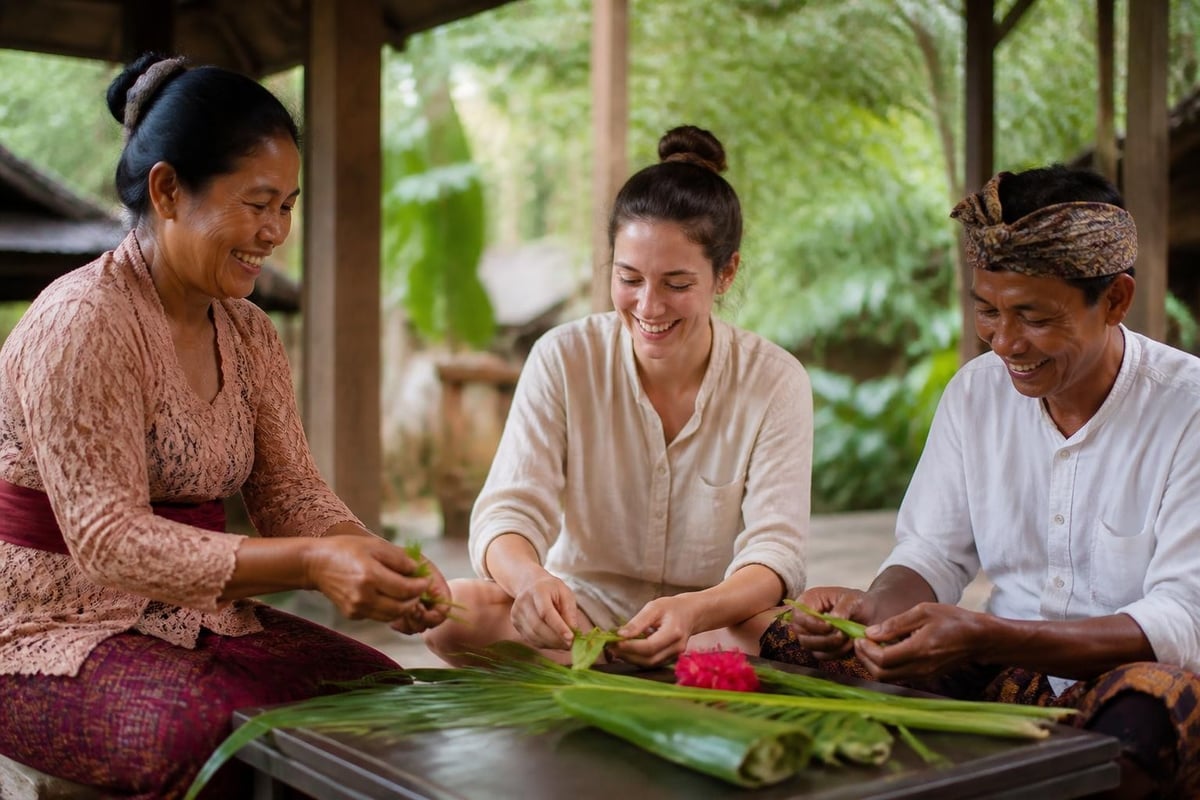
The most meaningful caribbean retreats extend beyond the property boundaries to engage thoughtfully with local communities. This integration enriches the guest experience while ensuring that tourism benefits flow to local residents rather than extracting value from the destination.
Sustainable retreat operations incorporate several practices that support community prosperity:
These practices align with recommendations from sustainable tourism experts who emphasize that truly sustainable tourism must generate meaningful local benefit. Guests increasingly seek authentic cultural exchange rather than staged performances, making genuine community partnerships both ethically sound and experientially valuable.
Caribbean retreats continue evolving in response to shifting traveler preferences, technological capabilities, and global wellness trends. Several emerging directions will likely shape the sector's development over the coming years.
Personalization will deepen through improved assessment tools that help match guests with optimal programming. Some retreats now incorporate wearable technology, biomarker testing, and detailed health histories to design truly bespoke wellness journeys that address individual physiological and psychological needs.
The integration of ancestral wisdom with modern science represents another promising direction. Traditional Caribbean healing practices, indigenous plant medicine knowledge, and cultural wellness traditions offer valuable insights that complement contemporary approaches to health and vitality.
As climate patterns shift, forward-thinking retreat operators are implementing adaptation strategies that ensure long-term viability. These include infrastructure hardening against extreme weather, water security measures, and ecosystem restoration projects that enhance natural resilience. The World Bank’s analysis of Caribbean tourism sustainability provides valuable frameworks for operators navigating these challenges.
Travelers who approach caribbean retreats with intentionality and preparation tend to extract greater value from the experience. Several practices enhance outcomes and ensure that transformation initiated during the retreat extends into daily life.
Setting clear intentions before arrival helps focus attention and energy on the most personally relevant aspects of the program. Consider identifying specific wellness goals, whether those involve stress reduction, habit change, physical improvement, or spiritual exploration. Communicating these objectives to retreat staff allows them to tailor recommendations and support.
Physical preparation also matters, particularly for retreats incorporating vigorous activities. Building baseline fitness in the weeks before arrival prevents injury and allows fuller participation in all programming elements.
The period immediately following a retreat is crucial for translating insights into lasting change. Successful integration typically includes:
Many travelers find that planning their next retreat before departing the current one helps maintain motivation and provides a future anchor point for continued wellness focus.
With hundreds of caribbean retreats now operating across the region, selecting the optimal experience requires careful evaluation of several factors. The ideal retreat aligns with your specific wellness objectives, preferred activity level, desired social dynamics, and logistical constraints.
Consider these dimensions when comparing retreat options:
| Criterion | Questions to Ask | Why It Matters |
|---|---|---|
| Group size | Private, small group, or large cohort? | Impacts intimacy, flexibility, and social dynamics |
| Activity intensity | Gentle/restorative vs. vigorous/challenging? | Must match current fitness level and energy |
| Programming structure | Highly scheduled vs. flexible/unstructured? | Reflects personal preference for direction or autonomy |
| Accommodations | Private villa, shared room, or glamping? | Affects privacy, cost, and social connection |
| Location accessibility | Direct flights or multiple connections? | Influences travel fatigue and total trip duration |
Reading detailed reviews from past participants provides valuable insight into the lived experience beyond marketing descriptions. Pay particular attention to comments about staff attentiveness, food quality, activity pacing, and whether the retreat delivered on stated objectives.
For those seeking personalized wellness journeys that combine multiple elements, private retreats offer maximum flexibility. These bespoke experiences can integrate specific practices, dietary preferences, and activity selections that precisely match individual needs and desires.
Caribbean retreats represent a powerful opportunity to step away from daily demands and invest deeply in your wellbeing within environments specifically designed to support transformation. By thoughtfully selecting experiences that align with your wellness objectives and embracing both the structured programming and spontaneous moments of connection, you create the conditions for meaningful renewal that extends far beyond your travel dates. Soluna specializes in crafting bespoke wellness and adventure journeys in Costa Rica's Nicoya Blue Zone, where the region's exceptional longevity, pristine nature, and authentic culture combine to support your personal transformation. Whether you're drawn to ocean therapy, jungle exploration, or simply the space to rest and reconnect with yourself, Soluna's private retreat experiences provide the perfect foundation for your wellness journey.