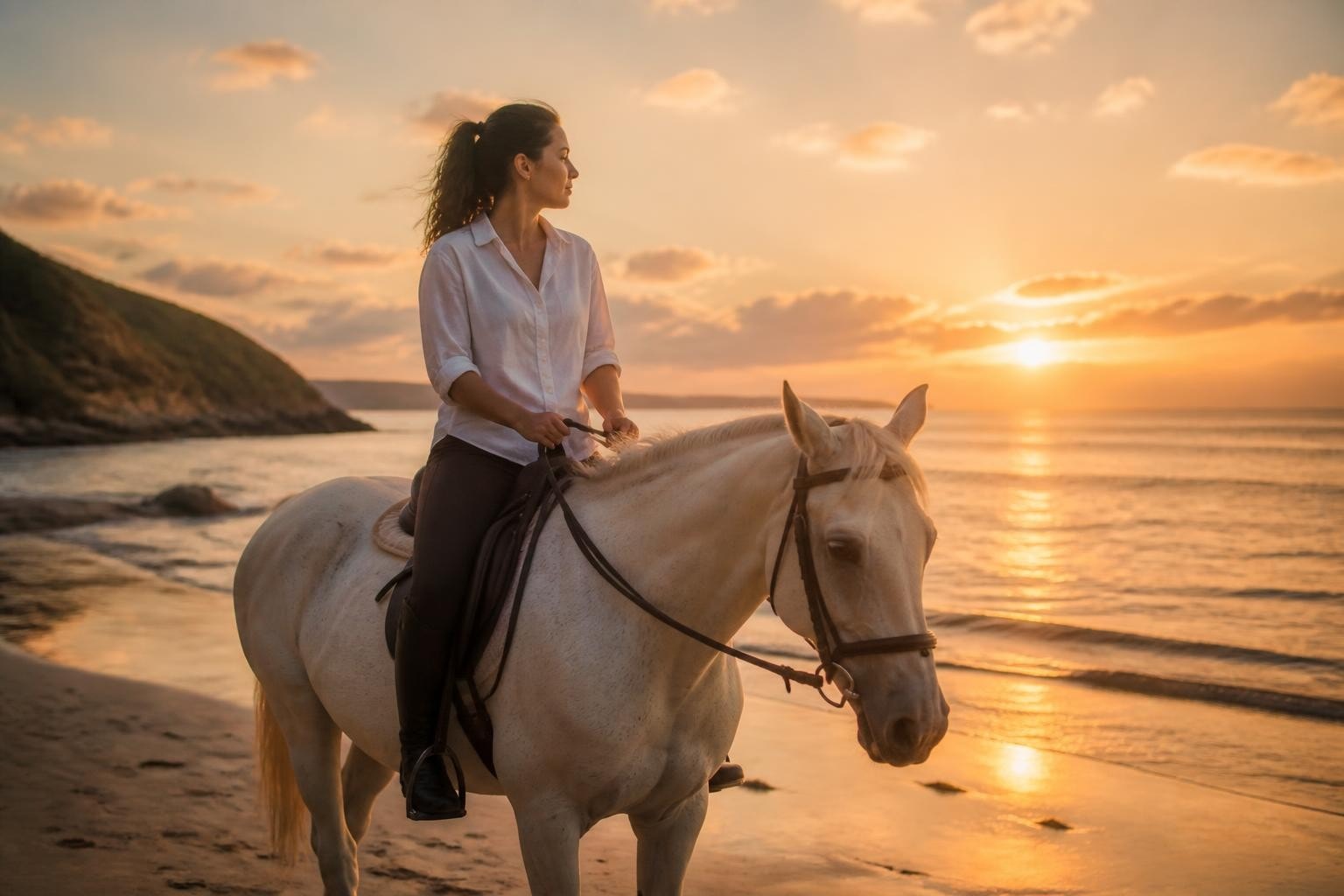
Few wellness experiences rival the transformative power of connecting with nature, animals, and the day's final golden light simultaneously. A sunset horseback ride offers exactly this convergence, blending the therapeutic benefits of equine interaction with the psychological reset that comes from witnessing one of nature's most reliably stunning displays. For wellness travelers seeking authentic connection and mindful adventure, this activity stands apart as both physically engaging and emotionally restorative, particularly in destinations blessed with spectacular coastal or mountain vistas.
Horseback riding has long been recognized for its physical and psychological benefits, but timing these rides with sunset amplifies the experience in measurable ways. Research published in peer-reviewed journals demonstrates that mounted equine-assisted activities provide documented mental health benefits, including reduced anxiety, improved mood regulation, and enhanced autonomic nervous system balance.
The rhythmic movement of a horse's gait creates a meditative effect that naturally quiets mental chatter. Combined with the soft, warm light of golden hour, riders often report entering flow states more easily than during midday excursions.
Unlike high-impact exercise, horseback riding provides:
The moderate physical demand makes a sunset horseback ride accessible to most fitness levels while still delivering meaningful wellness benefits. The cooler temperatures of evening also reduce heat stress, allowing riders to enjoy longer excursions comfortably.
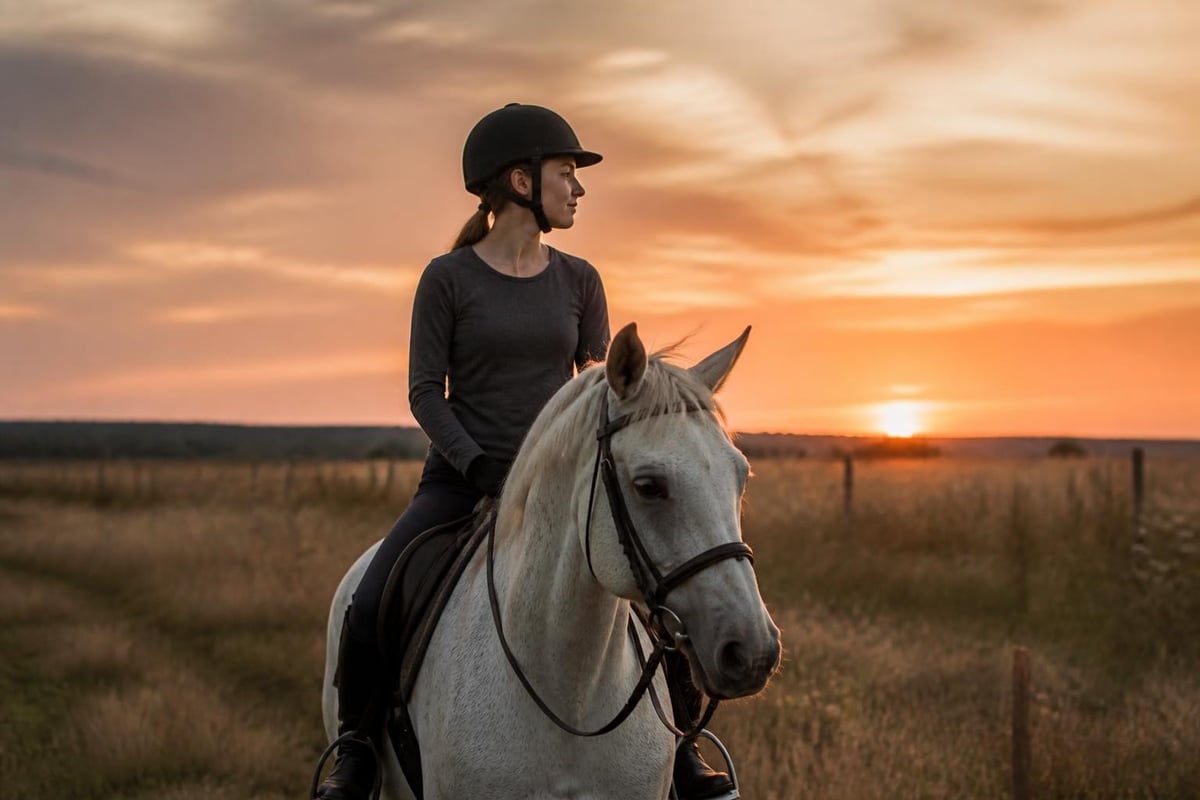
The term "golden hour" refers to the period shortly before sunset when sunlight takes on a warm, diffused quality that photographers and nature enthusiasts prize. NOAA’s Solar Calculator provides precise timing for any location, explaining how atmospheric scattering creates the distinctive amber and rose hues that define this magical window.
For ride operators and wellness retreat planners, timing is everything. Starting your ride 60-90 minutes before actual sunset ensures riders are positioned at scenic viewpoints when the light reaches peak beauty. This planning also allows for the return journey during the "blue hour" that follows sunset, when the sky transitions through deep purples and indigos.
| Season | Sunset Time Variation | Planning Notes |
|---|---|---|
| Summer | Later (7-8 PM) | Longer daylight allows extended rides |
| Winter | Earlier (5-6 PM) | Shorter window requires tighter scheduling |
| Equinoxes | Moderate (6-7 PM) | Most predictable timing year-round |
Costa Rica's location near the equator provides relatively consistent sunset times throughout the year, making it an ideal destination for retreat programming that includes sunset horseback rides. The Nicoya Peninsula, in particular, offers western-facing coastlines where the sun appears to melt directly into the Pacific Ocean.
Not all trails suit sunset riding equally well. The ideal route balances scenic payoff with safety considerations, since you'll be returning as daylight fades. When planning a sunset horseback ride, experienced outfitters consider multiple factors beyond just the view.
Trail selection should account for:
Surface quality and visibility: Trails with even footing reduce stumble risk as light dims. Rocky or root-crossed paths become hazards after sunset. According to guidance from the Back Country Horsemen of America, responsible stock users assess trail conditions before embarking and choose routes appropriate for evening travel.
Elevation and viewpoint access: Moderate climbs to ridge lines or coastal bluffs provide unobstructed sunset views. The best trails reach these vantage points 20-30 minutes before golden hour peaks, allowing horses to rest while riders absorb the experience.
Return route illumination: Even with headlamps, returning on unfamiliar terrain in darkness creates unnecessary risk. Circular routes that bring riders back along wider, well-maintained paths offer safer alternatives to retracing the outbound trail.
The Nicoya Blue Zone region provides exceptional sunset horseback ride opportunities that align perfectly with wellness tourism. Beachfront trails combine the therapeutic effects of ocean sounds with spectacular western horizons, while inland mountain routes offer panoramic views across tropical canopy to distant coastlines.
Properties offering bespoke wellness and adventure journeys often include sunset rides as cornerstone experiences, recognizing that guests seek these transformative moments of beauty and connection. The combination of pristine nature, well-maintained horses, and expert guides creates experiences that resonate long after travelers return home.
Responsible sunset horseback ride operations prioritize both human safety and animal welfare equally. The United States Equestrian Federation’s comprehensive guidelines establish standards that serious operators follow, even when offering recreational rather than competitive riding.
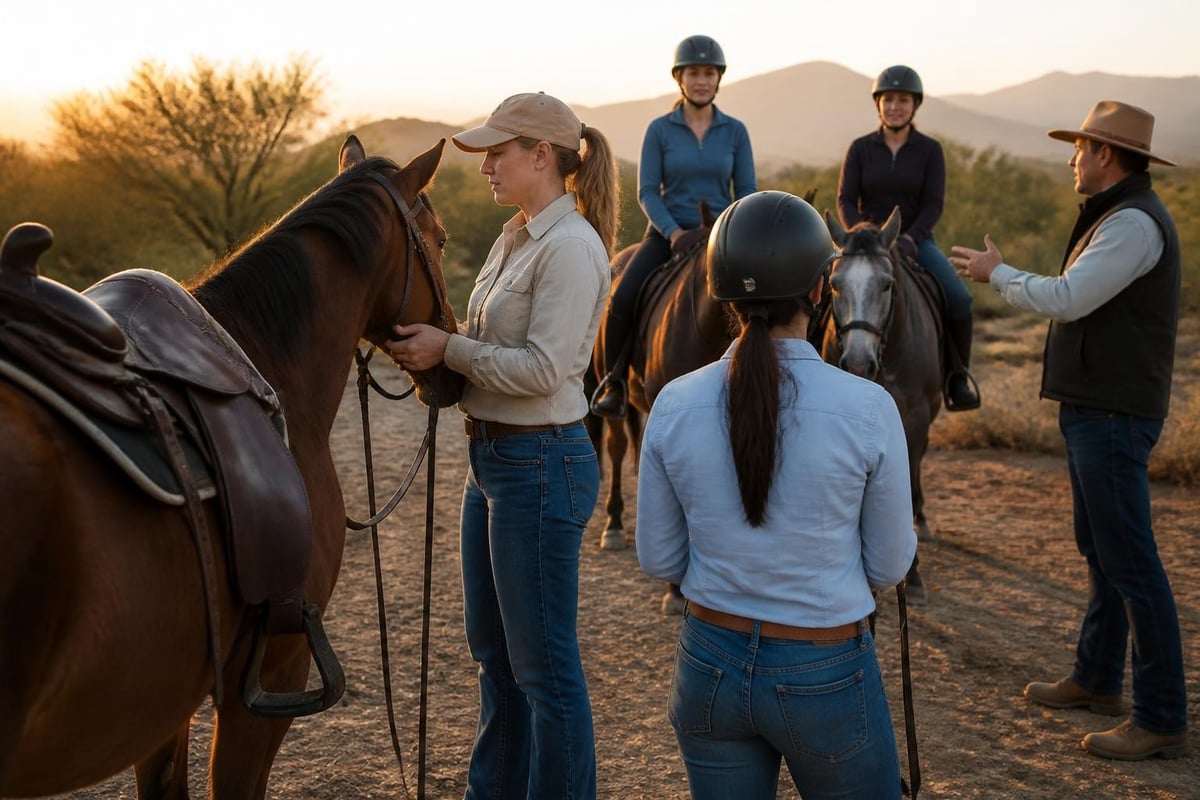
The British Horse Society’s horse care resources emphasize that horses used for trail riding require proper conditioning, regular veterinary care, and adequate rest between outings. Ethical operators limit the number of sunset rides per week to prevent overwork, particularly during high-tourism seasons.
Proper pairing enhances both safety and experience quality:
| Rider Experience | Appropriate Horse | Terrain Suitability |
|---|---|---|
| Beginner | Calm, seasoned trail horse | Flat, wide trails only |
| Intermediate | Responsive but forgiving mount | Moderate elevation changes |
| Advanced | More spirited or sensitive horse | Technical terrain acceptable |
Wellness retreat contexts typically attract beginners and intermediates, requiring patient, bomb-proof horses that tolerate uncertain handling without becoming anxious. The sunset horseback ride should feel meditative rather than challenging for most participants.
Golden hour lighting creates extraordinary photographic opportunities, but shooting from horseback requires specific techniques. National Geographic’s professional photography guidance offers valuable insights for capturing adventure activities during optimal light conditions.
The warm, low-angle light of golden hour requires different settings than midday shooting:
For guests focused on wellness rather than photography, suggest smartphone cameras in "Portrait" mode, which handles dynamic range challenges automatically. Most importantly, encourage riders to spend more time experiencing the moment than documenting it. The memories formed through presence often prove more valuable than any photograph.
The sunset horseback ride functions exceptionally well as a mid-retreat activity, positioned after guests have established comfort with each other but before final integration days. This timing allows the shared experience to deepen group bonds while providing individual moments of reflection and awe.
Retreat designers should consider the emotional arc of the day:
Morning: Active, energizing practices (yoga, hikes, ocean activities)
Midday: Restorative time, spa treatments, journaling
Late afternoon: Transition activities building toward evening peak experience
Sunset ride: Culminating adventure that creates shared memorable moment
Evening: Integration through group dinner, storytelling, or gentle movement
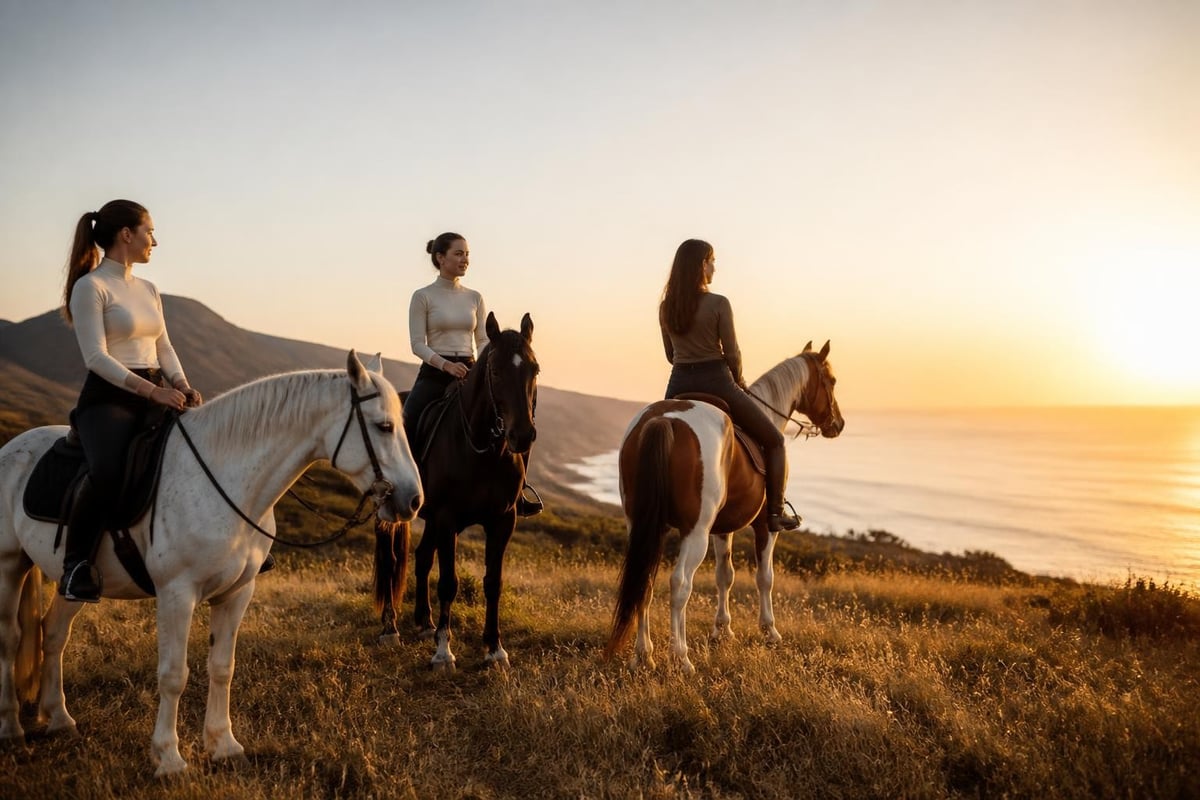
The adventure-focused retreat packages offered in Costa Rica's Nicoya region often combine horseback riding with complementary activities that enhance overall wellness impact:
This variety prevents any single activity from dominating while ensuring each day delivers transformative moments. Guests leave understanding that wellness encompasses multiple modalities working in concert.
Environmental psychology research confirms what we intuitively know: exposure to natural beauty produces measurable improvements in mental well-being. A sunset horseback ride delivers this exposure in concentrated form, combining multiple evidence-based wellness elements simultaneously.
The experience activates several therapeutic mechanisms:
Attention restoration: Natural environments allow directed attention to rest, reducing mental fatigue
Stress reduction: Both horse interaction and natural settings lower cortisol levels
Awe induction: Witnessing spectacular beauty creates ego-diminishing awe states that foster perspective
Embodiment: Physical activity grounds awareness in present-moment sensation
Social bonding: Shared peak experiences create lasting connections between participants
For wellness travelers, particularly those coming from high-stress urban environments, these combined effects can catalyze genuine transformation. The sunset horseback ride becomes more than recreation; it serves as a portal to different ways of being and relating to the world.
Many wellness retreat guests arrive with limited or no horseback riding experience. Proper preparation ensures the sunset horseback ride delights rather than intimidates these participants. Addressing common concerns upfront builds confidence and allows riders to focus on enjoyment rather than worry.
Appropriate clothing makes significant difference:
Avoid loose scarves, dangling jewelry, or flowing fabrics that could spook horses or catch on equipment.
"Will I be sore afterward?"
Mild inner thigh and core soreness is normal for first rides, typically resolving within 24-48 hours. Gentle stretching and warm baths help.
"What if I'm nervous about horses?"
Expressing concerns allows guides to provide extra support. Horses sense anxiety, so breathing exercises before mounting help both rider and animal relax.
"Can I ride if I'm not athletic?"
Basic fitness suffices for walk-pace trail riding. The horse does most of the work; riders simply need moderate core strength and balance.
"How much control do I have?"
Trail horses typically follow the leader with minimal input required. Guides teach basic stop, go, and turn cues during the pre-ride briefing.
According to American Horse Council research, recreational trail riding represents one of the fastest-growing segments of the equestrian industry, driven largely by wellness tourism and experience-seeking travelers. This growth reflects broader recognition of horseback riding's therapeutic value beyond traditional sport contexts.
Responsible sunset horseback ride operations embrace environmental stewardship as core to their mission. In ecologically sensitive areas like Costa Rica's Nicoya Peninsula, minimizing impact ensures these experiences remain available for future generations while protecting the biodiversity that makes the region special.
These practices align with the broader wellness tourism ethos that emphasizes harmony with rather than exploitation of natural environments. Guests increasingly choose retreat experiences based on demonstrated environmental responsibility, making stewardship both ethical imperative and business advantage.
The sunset horseback ride transcends ordinary activity when framed with intentionality. Retreat facilitators can enhance impact by incorporating brief ceremonies or reflective practices that deepen participants' connection to the experience.
Before mounting, gather riders in a circle for a two-minute grounding exercise:
This simple ritual shifts the experience from entertainment to ceremony, priming participants for deeper engagement.
Building 10-15 minutes of silence into the ride allows individual processing and heightens sensory awareness. The absence of conversation amplifies the soundtrack of hoofbeats, birdsong, rustling leaves, and ocean waves. Riders often report that these quiet passages feel most memorable and emotionally resonant.
After dismounting, reconvene the group briefly:
These bookending practices transform a sunset horseback ride into a cohesive journey with clear beginning, middle, and end, supporting the psychological processing that converts experience into lasting growth.
The hours and days following a sunset horseback ride offer valuable opportunities for integration. Retreat programming should provide space for participants to process insights and emotions that surface during peak experiences.
Suggested integration activities:
Journaling prompts: "What moments during the ride created the strongest emotional response? What might that reveal about what I need more of in daily life?"
Creative expression: Sketching, painting, or poetry inspired by sunset colors and sensations anchors the experience in tangible form.
Group sharing: Facilitated discussion where participants reflect together on common themes and individual discoveries.
Body-based practices: Gentle yoga or somatic exercises that honor the physical experience while exploring its emotional dimensions.
The yoga-integrated retreat formats offered in wellness destinations naturally support this integration, providing structured containers for guests to move from peak experience through reflection into embodied understanding.
While sunset horseback rides deliver magic throughout the year, seasonal variations create distinct experiences worth highlighting. Understanding these differences allows retreat planners to set appropriate expectations and leverage each season's unique gifts.
Advantages: Predictable weather, minimal rain interruptions, firmer trail conditions, spectacular dust-filtered light
Considerations: Higher demand requires advance booking; drier vegetation may reduce lushness
Ideal for: Guests prioritizing reliability and comfortable conditions
Advantages: Dramatic cloud formations, vibrant vegetation, fewer crowds, afternoon rain clears before sunset
Considerations: Occasional weather changes require flexibility; trails may be softer
Ideal for: Adventurous guests who appreciate dramatic skies and don't mind slight unpredictability
Costa Rica's microclimates mean conditions vary significantly across short distances. The Nicoya region enjoys particularly favorable weather patterns, with the Pacific coast receiving less rainfall than Caribbean areas. This reliability makes it excellent for incorporating sunset horseback rides into multi-day retreat itineraries without excessive backup planning.
Wellness retreat operators considering whether to add sunset horseback rides to their programming should understand the compelling business logic beyond pure guest experience value. These excursions deliver multiple operational benefits while differentiating properties in increasingly competitive markets.
| Factor | Impact | Notes |
|---|---|---|
| Price premium | 20-40% vs. standard rides | Golden hour timing justifies higher rates |
| Repeat booking | High | Guests often request multiple rides during stays |
| Word-of-mouth | Exceptional | Highly shareable experiences drive referrals |
| Off-peak utilization | Moderate | Uses horses and guides during typically slow hours |
Sunset horseback rides create powerful content for retreat galleries and promotional materials. The combination of golden light, scenic backgrounds, and authentic guest emotion produces images that convert browsers into bookers more effectively than almost any other activity documentation.
Social media amplification occurs naturally when guests share their own photos, creating authentic user-generated content that carries more credibility than professional marketing. Hashtags related to sunset riding in Costa Rica generate thousands of impressions monthly, providing organic reach to target audiences.
A sunset horseback ride combines animal connection, natural beauty, and mindful movement into one transformative experience that exemplifies wellness tourism at its finest. Whether you're seeking personal renewal or planning transformative getaways for others, this activity delivers memorable moments that catalyze lasting change. Discover how Soluna integrates sunset horseback rides and other carefully curated adventures into bespoke wellness retreats throughout Costa Rica's legendary Nicoya Blue Zone, where every experience is designed to help you disconnect from daily stress and reconnect with what matters most.