The presence of a pool at a luxury property has evolved from a simple amenity into a defining element of the guest experience. Today's discerning travelers seek luxury hotels with pool features that blend architectural innovation, wellness programming, and environmental stewardship. As the hospitality industry responds to shifting expectations around experiential travel, pools have become central to how properties communicate their values and differentiate themselves in competitive markets. Understanding what makes these aquatic spaces exceptional requires examining design philosophy, operational excellence, and the integration of wellness principles that transform a pool from recreation area into sanctuary.
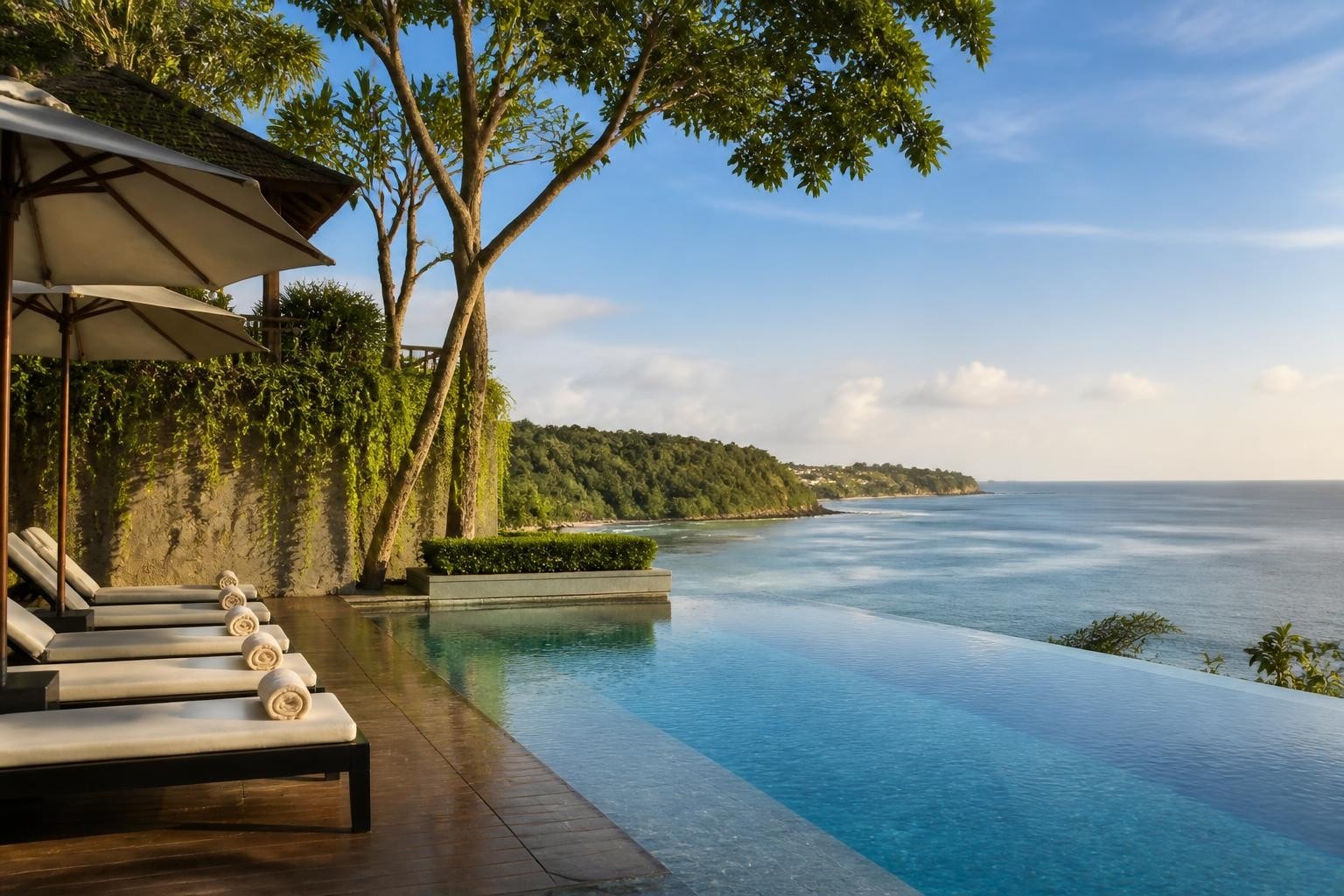
Contemporary luxury hotels with pool facilities reflect a dramatic shift in architectural thinking. The rectangular lap pool of previous decades has given way to organic forms that mirror natural water bodies, infinity edges that dissolve boundaries between built and natural environments, and multi-level designs that create distinct zones for different guest needs.
The most compelling pool designs emerge from deep engagement with site context. Properties situated in coastal environments often position pools to frame ocean views, using overflow edges to create visual continuity between pool surface and horizon. Mountain retreats leverage elevation changes to create cascading water features that echo natural waterfalls. Urban properties increasingly turn to rooftop installations that offer respite from density while providing dramatic city perspectives.
Key design considerations include:
The world’s best hotel pools demonstrate how thoughtful design creates memorable experiences that guests share and revisit. These installations succeed because they feel inevitable, as though the pool always belonged in that precise location.
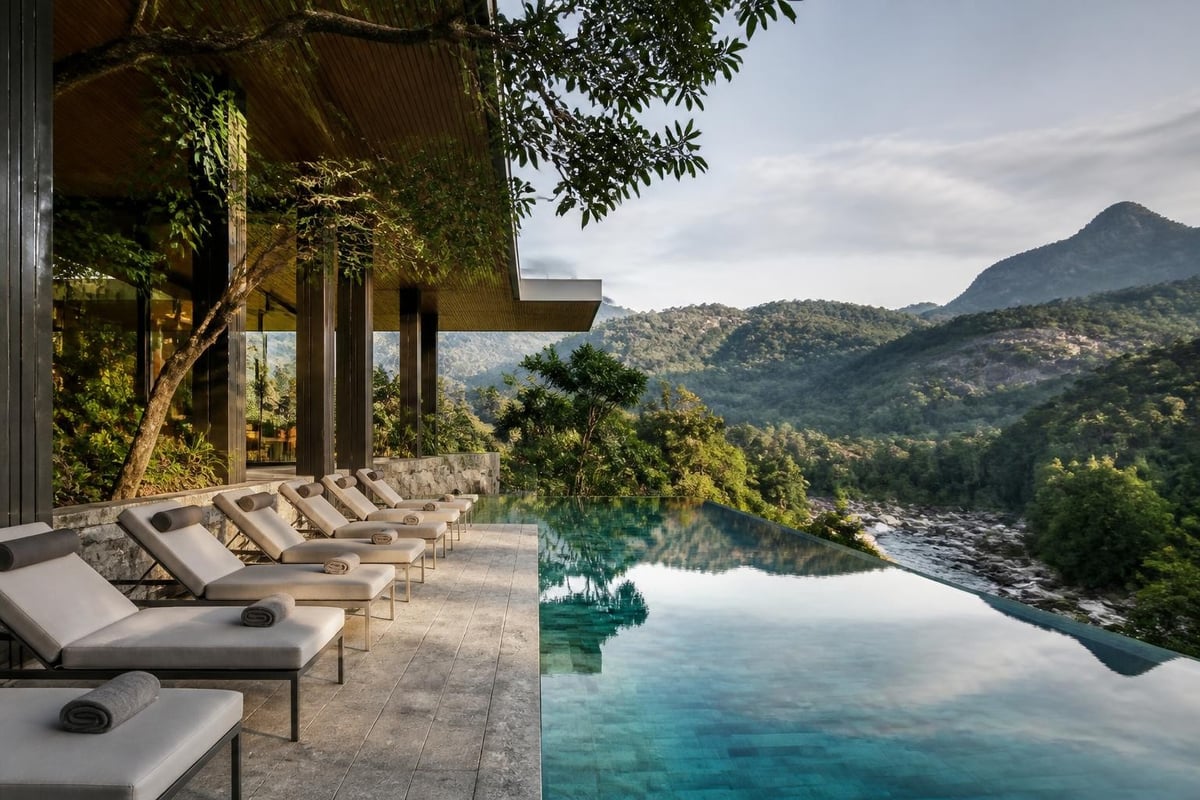
Surface materials profoundly influence how guests experience pool environments. Natural stone coping provides thermal comfort underfoot while aging gracefully in outdoor conditions. Mosaic tile interiors create color depth that shifts with light quality throughout the day. Textured concrete decking offers slip resistance without sacrificing aesthetic refinement.
| Material Category | Primary Benefits | Ideal Applications |
|---|---|---|
| Natural stone (travertine, limestone) | Thermal comfort, timeless aesthetic | Tropical and warm climates |
| Glass tile mosaic | Luminosity, color depth, durability | All pool types, accent features |
| Textured concrete | Customization, seamless forms | Contemporary designs, organic shapes |
| Teak decking | Warmth, natural beauty, comfort | Resort settings, lounge areas |
Temperature control extends the pool's utility across seasons and times of day. Heated pools allow morning swimmers to begin their practice before sunrise, while ambient heating in surrounding spaces enables evening gatherings. Properties in cooler climates increasingly install glass enclosures that retract in favorable weather, maximizing annual use.
Luxury hotels with pool facilities now recognize these spaces as wellness platforms rather than passive amenities. The shift reflects broader trends documented in Skift’s analysis of luxury evolution, where experience and personal transformation increasingly drive booking decisions.
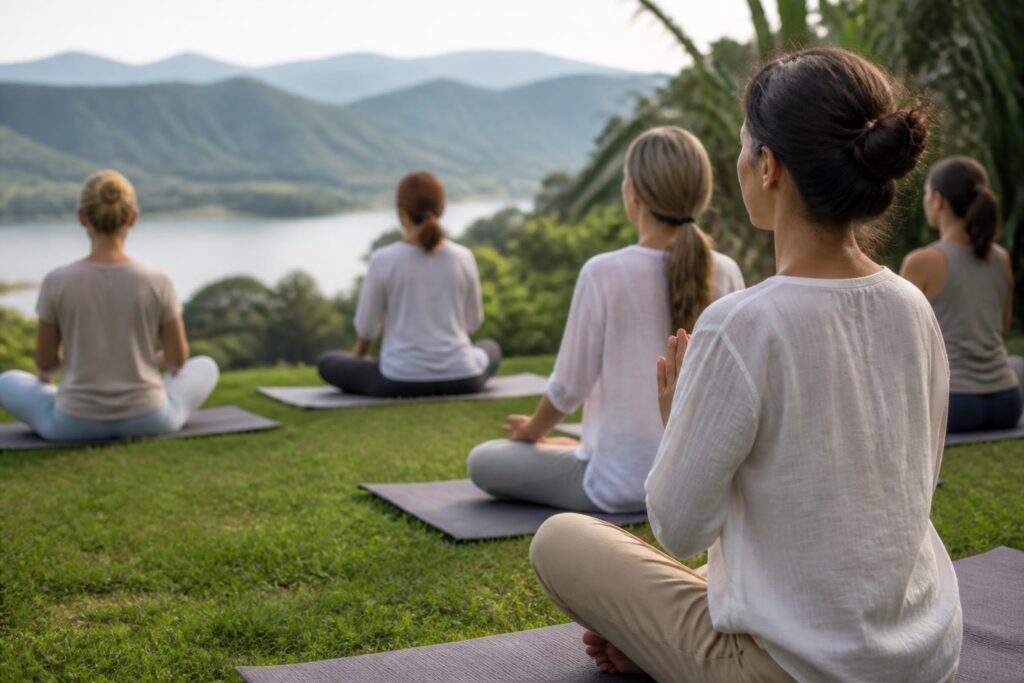
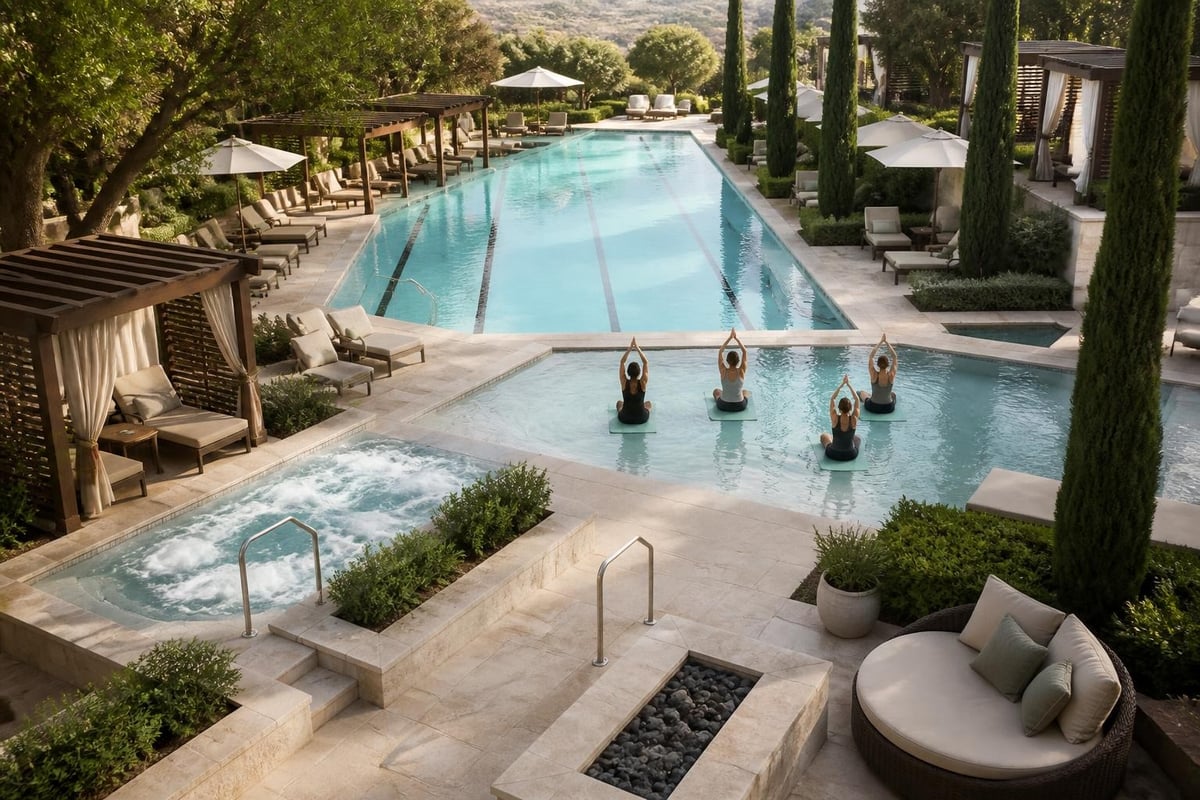
Progressive properties offer structured wellness programming that leverages the unique properties of water. Aquatic yoga classes allow practitioners to explore poses with reduced joint stress, making advanced techniques accessible to broader populations. Water meditation sessions guide participants to synchronize breath with gentle movement, creating embodied mindfulness practices.
Hydrotherapy circuits represent another wellness trend gaining traction in luxury settings. These installations feature:
The integration of pools with spa facilities allows seamless transitions between wet and dry treatments. A guest might begin with an aquatic massage, transition to a traditional bodywork session, then return to the pool for gentle movement that extends the treatment's benefits.
Truly inclusive luxury hotels with pool facilities accommodate different abilities and wellness goals. Accessible pool requirements outline minimum standards, but exceptional properties exceed these baselines with multiple means of entry, underwater benches, and specialized equipment that welcomes all guests.
Lap lanes serve guests maintaining fitness routines, while separate recreation areas prevent conflicts between different use patterns. Quiet zones with depth variation support restorative practices, and family areas accommodate multi-generational travel. This zoning requires thoughtful planning but dramatically enhances the pool's utility across diverse guest profiles.
The environmental impact of pool operations has emerged as a critical concern for luxury hospitality. Water consumption, energy use for heating and filtration, and chemical management present both challenges and opportunities for properties committed to sustainability.
Advanced luxury hotels with pool facilities employ multiple strategies to minimize water use. Cover systems reduce evaporation during closed hours, potentially cutting water loss by 40-60 percent. Smart monitoring systems detect leaks immediately, preventing waste from damaged infrastructure. Some properties harvest rainwater for pool topping, reducing demand on municipal sources or well systems.
Filtration technology has advanced significantly in recent years. Variable-speed pumps adjust flow rates to actual demand rather than running constantly at maximum capacity. Cartridge filters eliminate the need for backwashing, which can waste thousands of gallons during each cycle. Ozone and UV systems reduce chemical requirements while maintaining water quality standards.
Traditional chlorine systems remain common, but luxury properties increasingly explore alternatives that reduce chemical loads and improve guest experience. Saltwater chlorination generates hypochlorous acid through electrolysis, creating gentler water that causes less eye and skin irritation. Mineral systems supplement traditional sanitizers with copper and silver ions that provide residual antimicrobial protection.
Natural swimming pools represent the most dramatic departure from conventional approaches. These installations use biological filtration through planted regeneration zones, eliminating synthetic chemicals entirely. While they require significant space for the regeneration area and careful biological management, they appeal to wellness-focused travelers seeking immersion in natural systems.
The Green Key Global criteria provide frameworks for hotels pursuing environmental certification, including specific standards for pool water management, chemical storage, and conservation practices.
Heating represents the largest energy demand for most pool operations. Solar thermal systems capture heat directly, providing cost-effective warming in sunny climates. Heat pumps extract ambient warmth from air or ground sources, delivering 3-5 units of heat for each unit of electricity consumed. Variable-speed pumps reduce filtration energy by 50-70 percent compared to single-speed motors.
LED lighting has transformed pool ambiance while slashing energy consumption. Modern systems provide programmable color sequences, dimming capabilities, and long service life that reduces maintenance. Some properties integrate lighting controls with property management systems, automatically adjusting based on occupancy and time of day.
The distinction between competent and exceptional luxury hotels with pool facilities often lies in operational details invisible to casual observation. Water clarity, temperature consistency, cleanliness standards, and service responsiveness collectively shape guest perception.
Maintaining optimal water chemistry requires continuous monitoring and adjustment. Professional pool operators test multiple parameters several times daily, including pH, sanitizer levels, alkalinity, calcium hardness, and total dissolved solids. Automated dosing systems maintain parameters within tight ranges, but skilled technicians interpret test results within broader operational contexts.
The WHO guidelines on recreational water quality provide technical frameworks for risk management, addressing microbial hazards, chemical safety, and operational protocols that protect public health. Luxury properties often exceed these baselines, targeting parameters that enhance comfort alongside safety.
Visual clarity reflects both effective filtration and balanced chemistry. Pools at exceptional properties allow guests to see clearly to the deepest points, creating confidence and aesthetic appeal. This clarity requires adequate turnover rates, effective filtration media, and chemical balance that prevents cloudiness or color shifts.
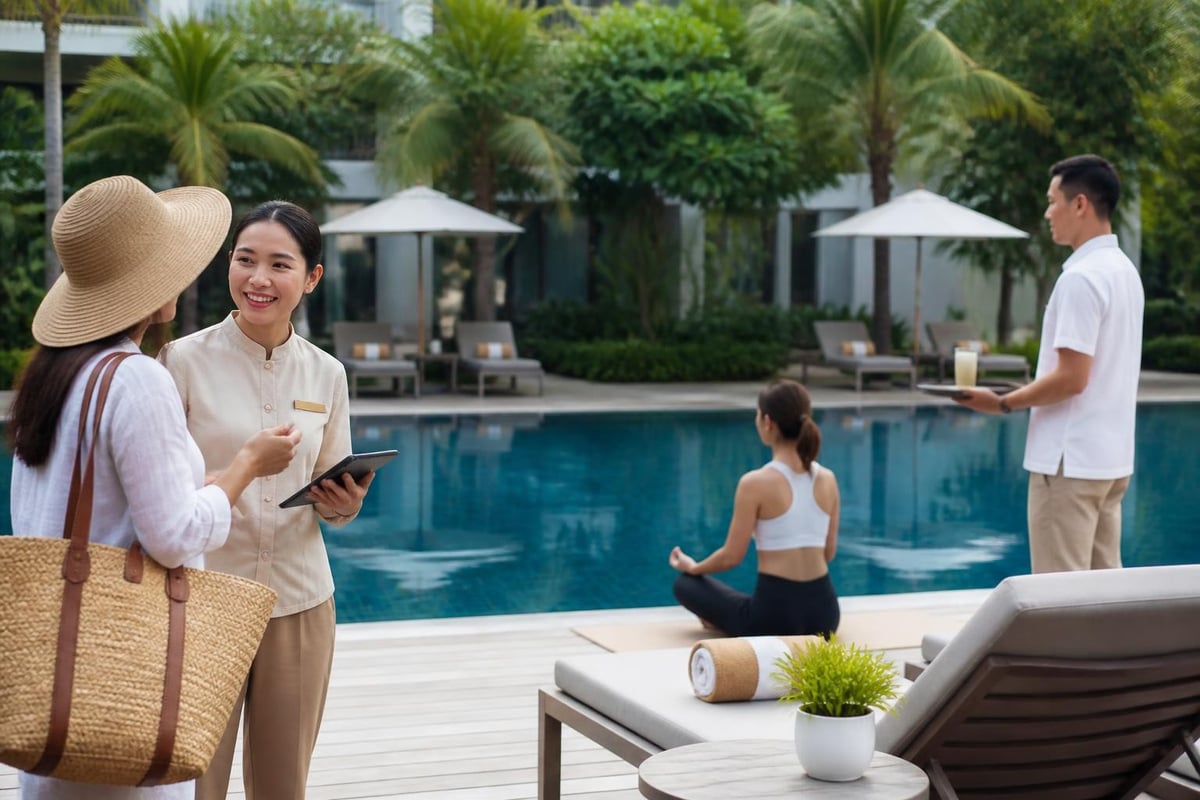
Attentive service distinguishes luxury pool environments from standard offerings. Staff members circulate regularly, clearing used items, adjusting shade structures, refreshing beverages, and anticipating needs before guests articulate them. The best teams balance attentiveness with respect for privacy, reading subtle cues about when to engage and when to maintain distance.
Excellence indicators in pool service:
Technology enhances service when deployed thoughtfully. Mobile apps allow guests to request items, adjust reservations, or communicate preferences without leaving their lounge chairs. Digital displays provide information about programming, weather, and property activities. However, technology should complement rather than replace human interaction that personalizes the luxury experience.
Luxury hotels with pool facilities express regional identity through design choices, programming, and operational approaches. Mediterranean properties might feature mosaic work and terraced designs reflecting centuries of local tradition. Asian resorts often incorporate water features inspired by temple architecture, creating contemplative atmospheres. Latin American properties celebrate indoor-outdoor living with seamless transitions and lush tropical landscaping.
Tropical environments allow year-round outdoor pool use but require careful attention to drainage, humidity management, and shade provision. Properties in Costa Rica's Nicoya Peninsula, for instance, design pools that embrace the region's abundant rainfall while providing covered areas for sudden weather shifts. Natural ventilation strategies leverage prevailing breezes to moderate temperatures without mechanical systems.
Desert climates present different challenges, with extreme temperature swings and water scarcity demanding innovative solutions. Evaporative cooling around pool perimeters creates comfortable microclimates, while strategic landscaping provides essential shade. Some properties install misting systems that reduce ambient temperatures by 15-20 degrees, extending comfortable outdoor hours.
Seasonal destinations must balance year-round aesthetic appeal with practical winterization or shoulder-season use. Four-season resorts increasingly invest in enclosed pool pavilions that open completely in summer but provide weather protection during colder months. This flexibility maximizes the facility's contribution to property appeal across all seasons.
Guest expectations around pool environments vary significantly across cultures. Some markets prioritize active recreation and social interaction, while others seek quiet contemplation. Successful luxury hotels with pool facilities create zones that accommodate different use patterns without conflict.
Privacy expectations also vary. Properties serving Middle Eastern markets might provide separate pool times or facilities for different genders. Family-oriented resorts balance children's play areas with adults-only zones. Wellness retreats often maintain quiet policies that preserve meditative atmospheres throughout the property.
The hospitality industry increasingly recognizes exceptional pool design through formal awards and editorial coverage. Architectural Digest’s Great Design Hotel Awards showcase properties where pools contribute to cohesive architectural visions rather than functioning as isolated amenities.
Award-winning luxury hotels with pool installations typically demonstrate:
Properties pursuing recognition often engage specialized designers who bring expertise in hydraulic engineering, material performance, and hospitality operations. This collaboration between architects, pool consultants, and operators produces installations that balance aesthetic ambition with practical functionality.
Emerging trends suggest several directions for luxury hotels with pool development. Virtual reality integration might allow guests to experience different pool environments through immersive projections. Advanced water treatment could eliminate all chemical additives through biomimetic filtration systems. Climate adaptation will drive innovations in water conservation and energy efficiency as environmental pressures intensify.
Wellness integration will likely deepen, with pools designed specifically for therapeutic protocols rather than general recreation. Personalization technology might adjust water temperature, jet patterns, or lighting to individual preferences stored in guest profiles. Biophilic design principles will strengthen connections between pool environments and natural systems.
The most significant evolution may be conceptual rather than technical. As luxury travel continues shifting toward transformation and meaning, pools will increasingly function as settings for personal growth rather than passive relaxation. This repositioning aligns with broader wellness tourism trends and creates opportunities for properties that embrace programming over amenities.
For retreat centers and wellness-focused properties, pools represent significant capital investments that require careful financial planning. Construction costs vary widely based on size, finishes, and site conditions, but luxury installations typically range from $300-800 per square foot. Ongoing operational costs include chemicals, energy, maintenance labor, and periodic resurfacing.
Investment justification factors:
Properties in Costa Rica's Blue Zone regions can leverage pools as wellness platforms that complement adventure activities and yoga programming. When integrated with hiking, wildlife observation, and cultural immersion, pools become part of comprehensive retreat experiences rather than standalone amenities.
Luxury hotels with pool facilities maximize their investment through programming that changes with seasons and guest demographics. Summer might emphasize family activities and social events, while shoulder seasons focus on wellness intensives and adult-only retreats. Winter programming in tropical destinations capitalizes on guests escaping cold climates, offering extended pool hours and enhanced food and beverage service.
Pools provide dramatic settings for special events when designed with appropriate infrastructure. Evening gatherings around illuminated pools create memorable experiences that guests share through social media. Some properties offer private pool reservations for celebrations, complete with customized service and catering. Floating installations transform pool surfaces into unique entertainment venues.
Wellness retreats can structure entire programs around aquatic activities. A five-day retreat might begin each morning with water meditation, incorporate afternoon aquatic therapy sessions, and conclude with sunset floating meditation. This rhythmic programming creates coherence that enhances the retreat's transformative potential.
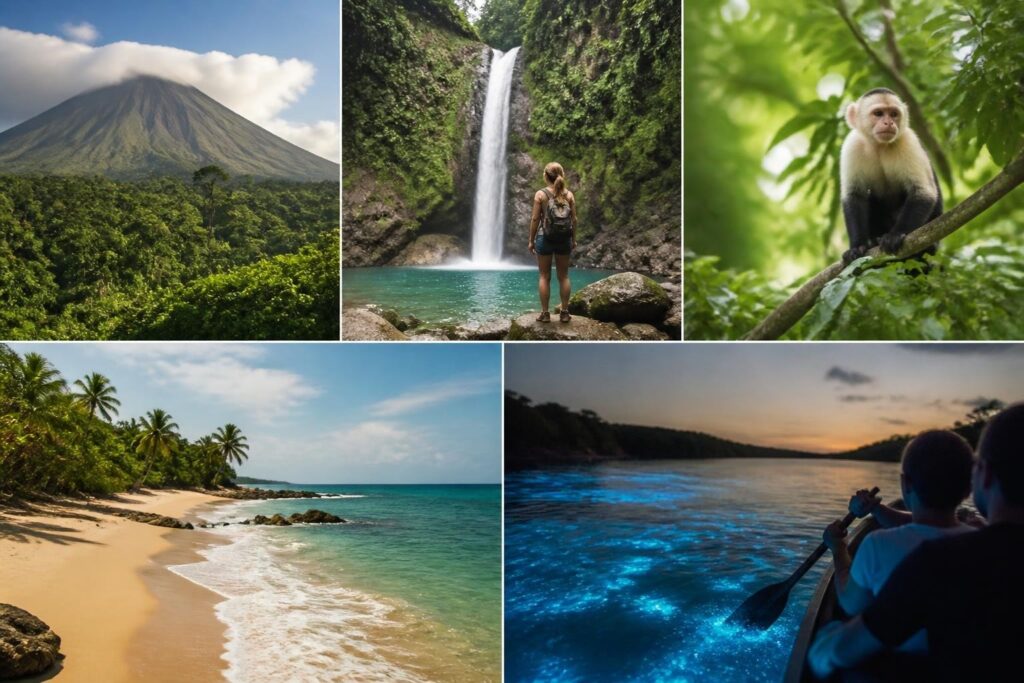
Exceptional luxury hotels with pool facilities demonstrate that these aquatic environments serve purposes far beyond recreation, functioning as wellness platforms, design statements, and operational expressions of sustainability values. The most successful installations integrate thoughtfully with their surroundings while providing diverse experiences that accommodate different guest needs and preferences. If you're seeking a transformative wellness experience where natural beauty enhances every moment, Soluna offers bespoke retreats in Costa Rica's Nicoya Blue Zone, combining private accommodations with curated activities that range from yoga and jungle exploration to bioluminescent water tours. Our approach emphasizes disconnection from daily demands and deep connection with nature's restorative power.