The wellness retreat industry has evolved dramatically, moving beyond basic spa weekends to comprehensive health transformations. Today's travelers seek immersive experiences that address physical vitality, mental clarity, and spiritual renewal in equal measure. Whether you're recovering from burnout, seeking deeper self-connection, or simply craving an escape from digital overload, the best health and wellness retreats offer carefully curated programs that deliver measurable results.
The science behind wellness retreats has become increasingly robust. Research published in BMC Complementary Medicine and Therapies demonstrates that residential retreat experiences create measurable improvements in stress levels, mental health outcomes, and overall well-being. These benefits extend well beyond the retreat itself, with participants reporting sustained lifestyle changes months after returning home.
Successful wellness programs share several fundamental elements that distinguish them from ordinary vacations. Expert guidance forms the foundation, with qualified instructors, nutritionists, and wellness coaches providing personalized attention throughout your stay. Structured programming balances activity with rest, ensuring your nervous system can recalibrate without overwhelming your capacity for change.
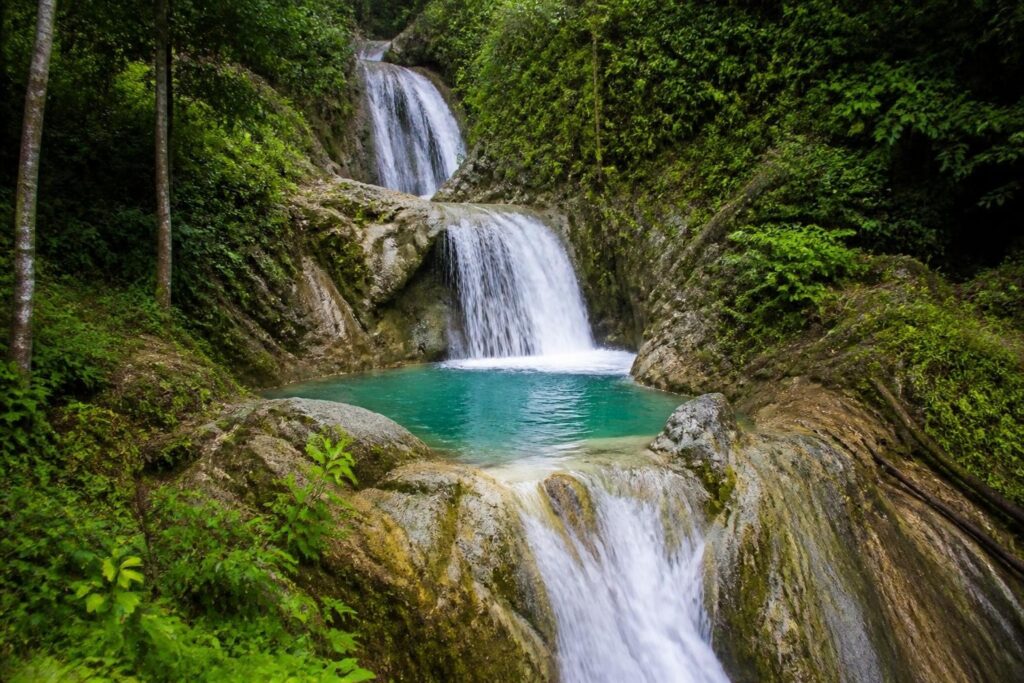
The best health and wellness retreats also prioritize environmental healing. Natural settings reduce cortisol production and enhance recovery, which explains why many premier destinations nestle themselves in mountains, forests, or coastal regions far from urban stress.
Key components include:
Not all wellness experiences serve the same purpose. Understanding your primary objectives helps narrow the overwhelming array of options available in 2026.
If you're experiencing chronic stress or approaching burnout, look for retreats emphasizing nervous system regulation. These programs typically incorporate somatic practices, extended rest periods, and gentle movement rather than intense physical challenges. Forbes highlights how wellness retreats effectively address stress reduction when programs align with evidence-based therapeutic approaches.
Active travelers benefit from retreats blending vigorous outdoor activities with recovery practices. These programs might feature hiking, surfing, or trail running alongside yoga, massage therapy, and nutritional optimization. The combination builds strength while teaching sustainable recovery practices that prevent injury and enhance performance.
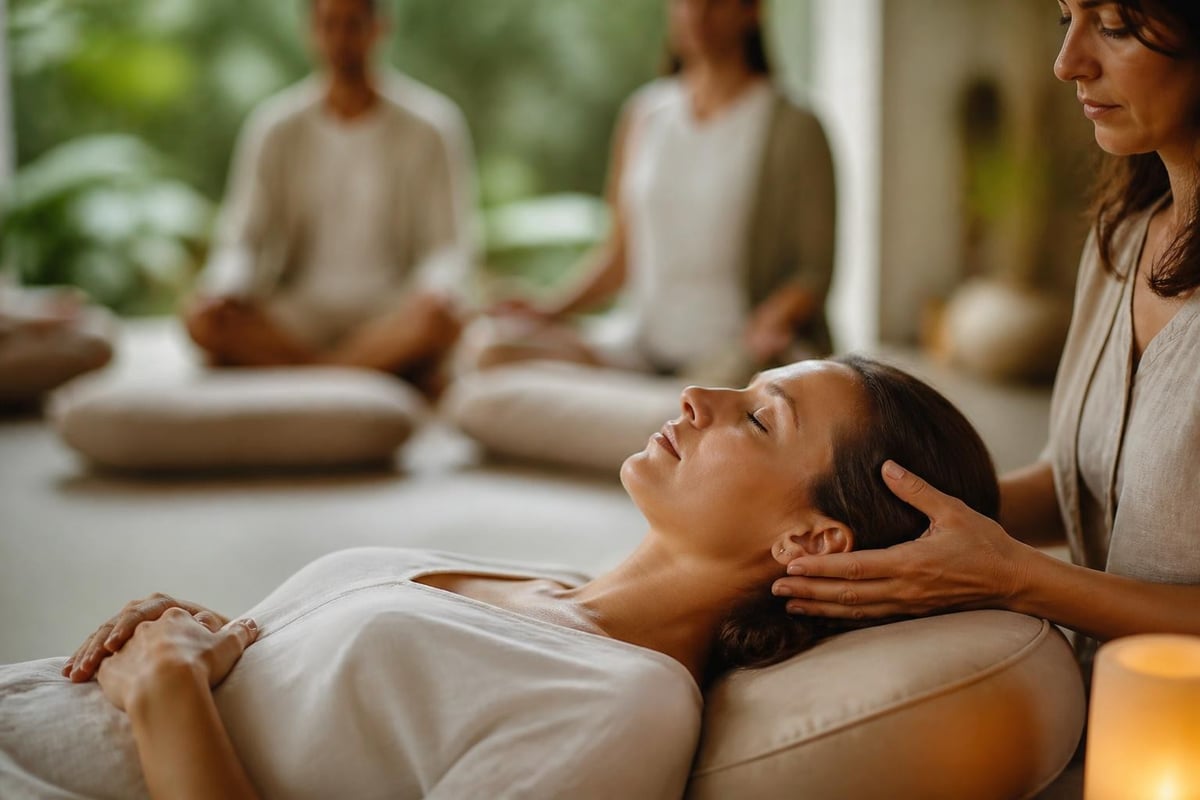
Personal transformation requires dedicated space for introspection. Retreats emphasizing spiritual development typically offer smaller group sizes, extended meditation periods, and facilitator-led inner work. Many incorporate ancient wisdom traditions while remaining accessible to beginners exploring contemplative practices for the first time.
Location profoundly influences retreat effectiveness. Different regions offer distinct advantages based on climate, ecosystem, and cultural wellness traditions.
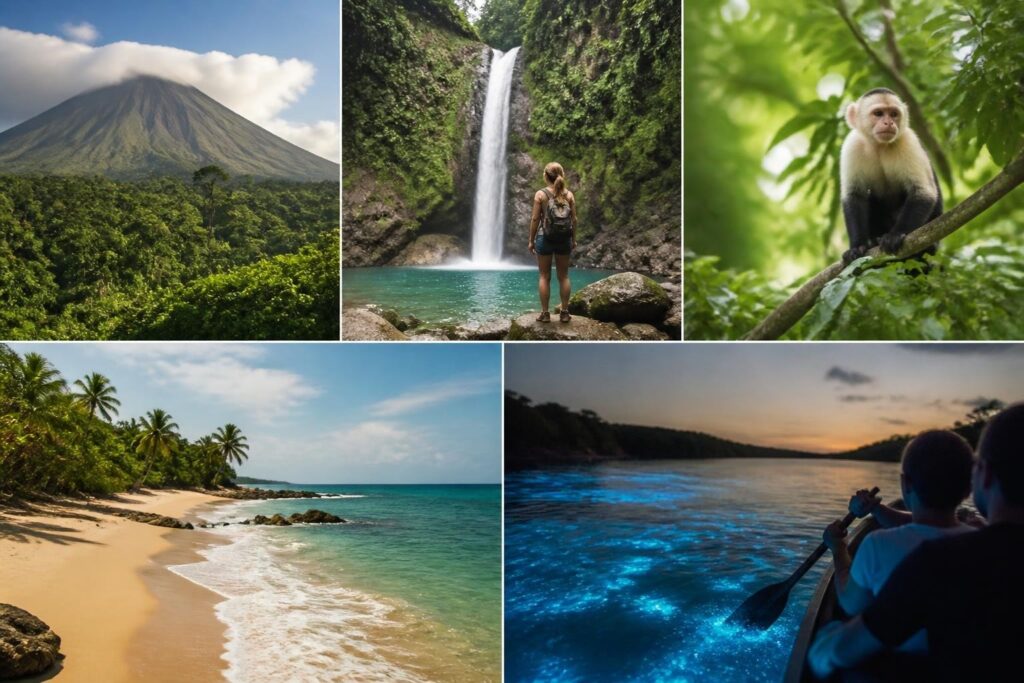
The world's Blue Zones, where populations demonstrate exceptional longevity and vitality, provide unique wellness advantages. Costa Rica's Nicoya Peninsula exemplifies this phenomenon, combining tropical biodiversity with a cultural emphasis on "pura vida" living. Exploring Costa Rica’s natural beauty reveals how environment shapes well-being outcomes.
| Season | Best Destinations | Wellness Focus |
|---|---|---|
| Winter | Tropical/Desert | Vitamin D, warmth therapy, outdoor activity |
| Spring | Coastal/Mountain | Renewal practices, allergy relief, moderate activity |
| Summer | High Altitude/Northern | Intense training, heat adaptation, adventure |
| Fall | Temperate Forests | Reflection, harvest nutrition, grounding |
Consider travel time as part of your wellness equation. Long-haul flights create jet lag and physical stress that require recovery time. The best health and wellness retreats factor transition periods into program design, allowing your body to adjust before intensive activities begin.
Proximity doesn't always equal convenience. While domestic wellness retreats in the U.S. offer accessibility, international destinations provide cultural immersion that enhances the transformative experience.
Distinguishing marketing promises from substantive offerings requires careful evaluation of retreat infrastructure and expertise.
Your physical environment directly impacts rest quality and stress reduction. Premium wellness destinations provide:
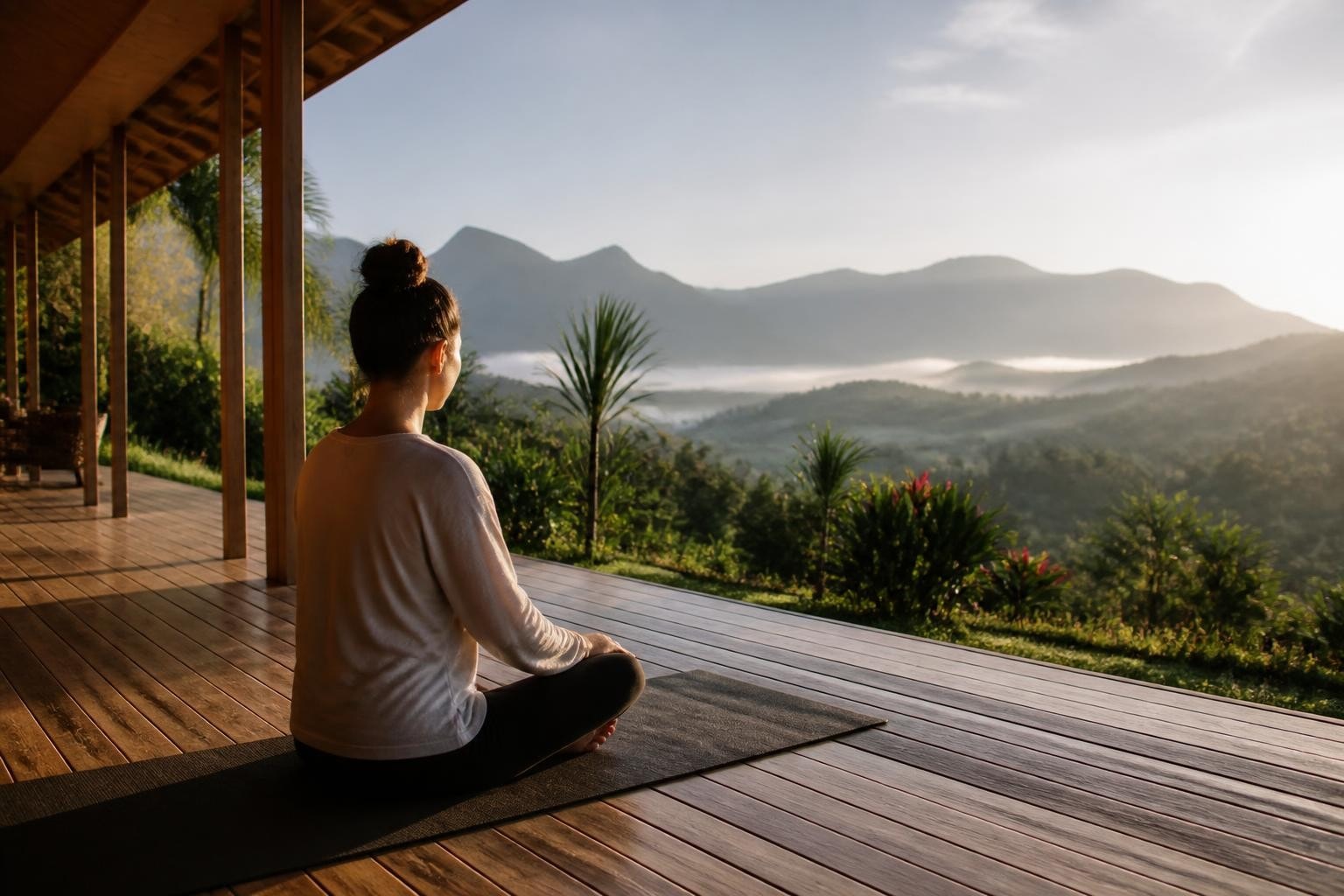
The tranquil settings of boutique wellness properties demonstrate how architectural design supports healing.
Food quality separates exceptional retreats from mediocre ones. Look for programs emphasizing:
Verify instructor qualifications before committing to any program. The best health and wellness retreats employ certified professionals across multiple disciplines-yoga teachers registered with Yoga Alliance, licensed massage therapists, registered dietitians, and certified fitness trainers.

Your social preferences significantly influence retreat satisfaction. Both formats offer distinct advantages worth considering.
Solo travel to wellness retreats has surged in popularity, with individuals seeking personal transformation without social obligations. Solo retreats allow complete schedule flexibility, deeper self-reflection, and freedom from relationship dynamics that might inhibit growth.
Traveling alone to structured programs paradoxically creates rich community experiences. Shared vulnerability during wellness practices builds authentic connections impossible to replicate in ordinary social settings.
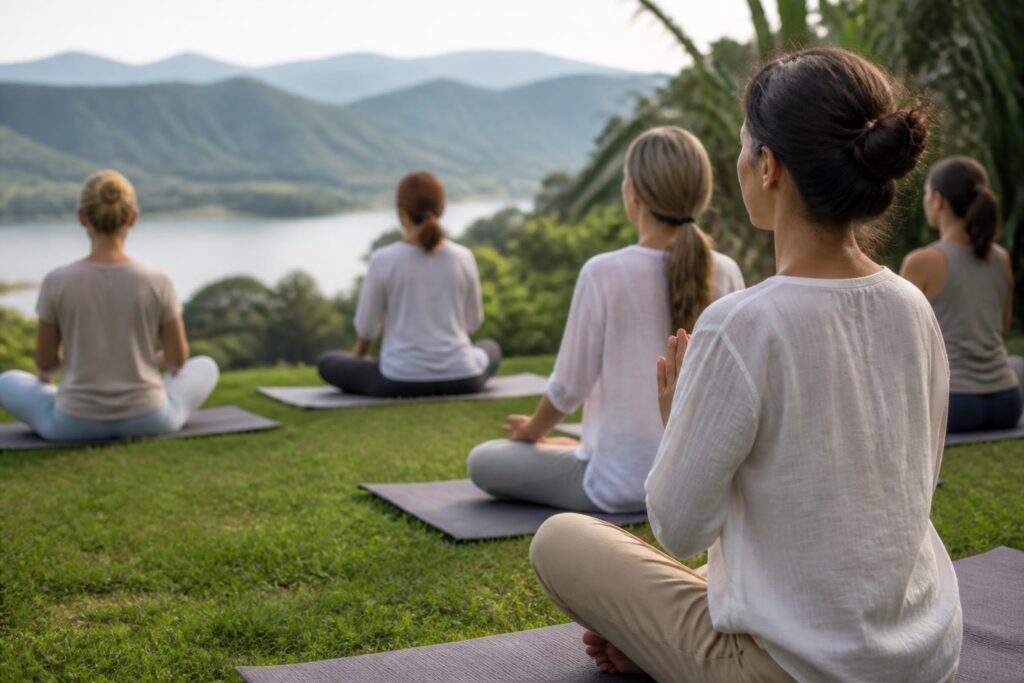
Attending with friends or joining organized group programs provides accountability and shared experience. Community support enhances motivation during challenging practices and creates lasting relationships that continue supporting wellness long after the retreat concludes.
Bespoke wellness programs represent the industry's premium tier, offering complete personalization impossible in group settings.
Private retreats eliminate schedule constraints and group compromise. Your daily rhythm aligns with personal energy patterns rather than fixed class times. Activities match your exact fitness level, dietary programs address your specific health conditions, and therapeutic practices target your unique emotional landscape.
The intimate atmosphere of private wellness experiences allows practitioners to provide undivided attention throughout your journey.
Couples retreats strengthen partnerships through shared growth experiences. Family wellness programs accommodate multiple generations, teaching sustainable health practices while creating meaningful memories. Private formats allow relationship dynamics to evolve naturally without external group pressure.
Retreat length significantly impacts outcomes. Transformation requires adequate time for patterns to shift and new practices to integrate.
| Duration | Achievable Outcomes | Best For |
|---|---|---|
| 3-4 days | Initial stress relief, introduction to practices | Busy professionals, first-timers |
| 5-7 days | Pattern interruption, habit formation beginning | Standard wellness reset, moderate goals |
| 10-14 days | Significant transformation, sustained behavior change | Deep healing, major life transitions |
| 21+ days | Complete lifestyle restructuring, profound shifts | Recovery programs, spiritual intensives |
Research suggests minimum week-long commitments produce the most reliable results. Studies evaluating wellness retreat outcomes demonstrate that seven-day programs create measurable physiological changes and behavioral modifications that persist for months.
Strategic scheduling amplifies retreat benefits. Planning wellness travel during seasonal transitions-spring and fall-aligns personal renewal with natural cycles. Career timing matters equally; attending retreats before major projects provides energy and clarity, while post-deadline retreats offer necessary recovery.
Wellness retreats span enormous price ranges. Understanding cost structures helps identify genuine value versus inflated pricing.
Several factors legitimately influence costs:
The best health and wellness retreats justify premium pricing through exceptional outcomes rather than superficial luxury.
Beyond immediate costs, consider long-term value. A transformative retreat preventing burnout-related career breaks or health crises delivers exponential returns. Learned practices that improve daily life for years justify significant upfront investment.
Pre-retreat preparation significantly enhances outcomes. Arriving physically and mentally ready allows you to maximize every program moment.
Begin conditioning two to three weeks before active retreats:
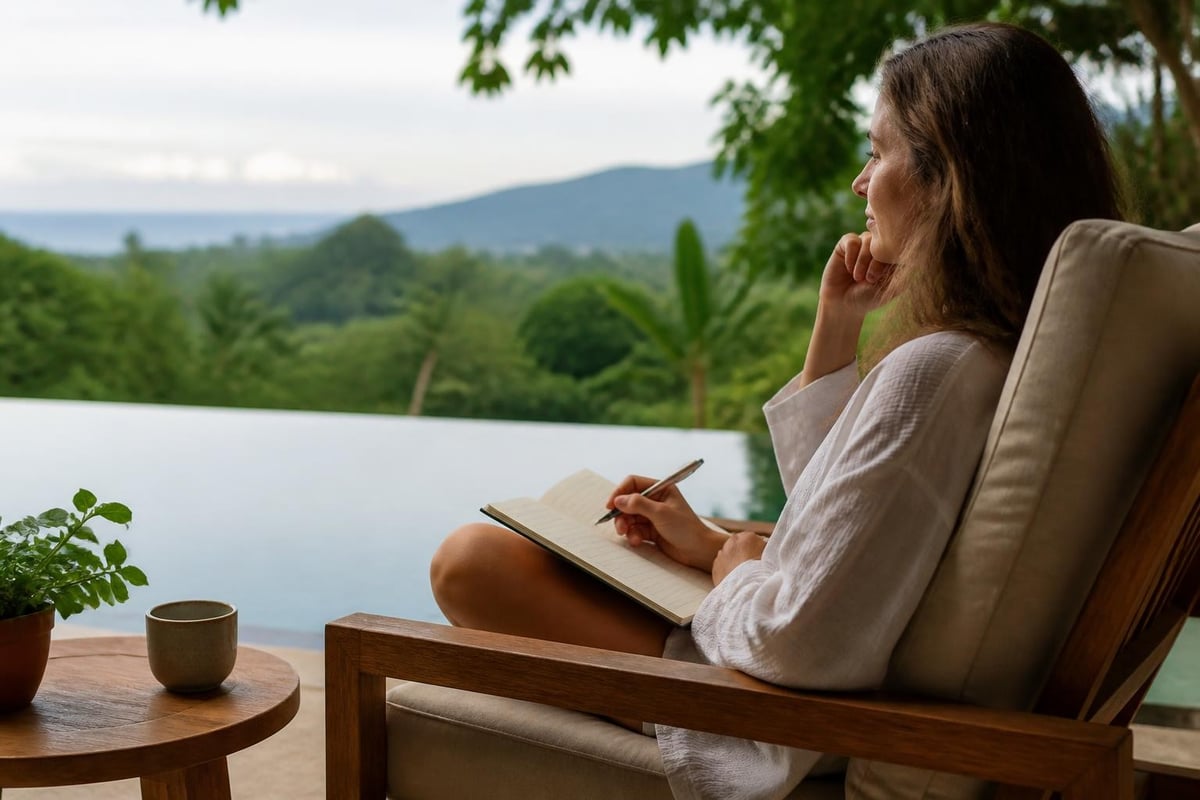
Clarify your intentions before arriving. Write specific goals addressing what you want to release and what you hope to cultivate. This clarity helps instructors personalize guidance and keeps you focused during challenging moments.
Confirm packing lists, travel insurance coverage, and any required health documentation. Arrange work and family responsibilities to prevent mid-retreat distractions. The best health and wellness retreats require complete presence-handle logistics thoroughly before departure.
Transformation occurs during retreats, but lasting change requires deliberate integration afterward.
Attempting to replicate entire retreat schedules at home guarantees failure. Instead, identify three core practices that felt most impactful and commit to those consistently. Perhaps morning meditation, weekly nature immersion, and plant-forward meals prove most valuable for your context.
Many premium retreats provide post-program support through online communities, follow-up coaching calls, or integration workshops. These resources dramatically improve long-term success rates.
Track objective markers like sleep quality, energy levels, and stress responses rather than relying on subjective feelings alone. While research suggests brief daily practices offer benefits, retreat experiences create foundational shifts that make consistent practice possible.
The industry continues evolving as science advances and traveler preferences shift.
Modern retreats navigate the paradox of using technology strategically while promoting digital disconnection. Apps might guide meditation practice or track biometrics, but strict phone-free periods protect against constant connectivity.
Advanced programs incorporate genetic testing, microbiome analysis, and comprehensive bloodwork to customize nutrition and supplement protocols. This data-driven approach creates highly individualized programs rather than generic wellness advice.
Environmentally aware travelers increasingly prioritize retreats demonstrating genuine sustainability commitments. Carbon-neutral operations, regenerative agriculture programs, and conservation initiatives align wellness with planetary health.
Volunteer components and community engagement enrich traditional retreat formats. Contributing to local conservation or social projects adds meaning while preventing the self-absorption that sometimes characterizes wellness culture.
Not all wellness retreats deliver on promises. Certain warning signs indicate programs worth avoiding.
Be cautious of retreats promoting:
Quality retreats demonstrate:
Examining what research reveals about retreat effectiveness helps distinguish substantive programs from wellness theater.
Central America has emerged as a premier wellness destination, combining biodiversity, cultural richness, and accessibility for North American travelers.
Costa Rica offers unparalleled natural diversity within a compact geography. Visitors can experience cloud forests, volcanic hot springs, Pacific beaches, and pristine jungles within short distances. The national commitment to environmental protection-over 25% of land enjoys protected status-creates ecosystems supporting profound nature connection.
The Nicoya Peninsula specifically draws wellness travelers seeking longevity secrets from one of the world's Blue Zones. Centenarians here attribute their vitality to strong community bonds, physical activity integrated into daily life, plant-based nutrition, and deep purpose-principles the best health and wellness retreats help participants internalize.
Costa Rica excels at blending vigorous outdoor activities with restorative practices. Morning jungle hikes transition into afternoon yin yoga. Surfing sessions balance with massage therapy. This integration teaches the essential wellness principle that vitality requires both challenge and recovery.
Experiencing Costa Rica’s diverse landscapes demonstrates how environment shapes well-being outcomes in ways urban settings cannot replicate.
Selecting among the best health and wellness retreats requires clarity about your goals, honest assessment of your needs, and careful evaluation of program quality. The right retreat creates more than temporary relaxation-it establishes sustainable practices and shifts perspectives that enhance well-being long after you return home. If you're seeking a transformative experience in one of the world's most biodiverse regions, Soluna offers bespoke wellness journeys in Costa Rica's Nicoya Blue Zone, combining private accommodations with personalized programs that include yoga, jungle exploration, and unique experiences like bioluminescent water tours designed for deep renewal and authentic connection.