Modern life has become a relentless cycle of notifications, deadlines, and digital noise that leaves many of us feeling disconnected from ourselves and the natural world. The growing interest in wellness tourism reflects a deeper human need to step away from constant stimulation and reconnect with something more fundamental. A retreat in nature offers more than just a temporary escape; it provides a structured opportunity to reset your physical health, mental clarity, and emotional balance in an environment that actively supports healing and transformation.
The benefits of immersing yourself in natural environments extend far beyond anecdotal evidence. Research on residential retreats demonstrates measurable improvements in health outcomes, including reduced stress markers, improved cardiovascular health, and enhanced immune function. When you remove yourself from urban environments and spend concentrated time in nature, your body undergoes physiological changes that promote healing.
Your brain responds to natural settings in ways that manufactured environments simply cannot replicate. Studies using advanced neuroimaging to examine nature’s psychological impact reveal distinct patterns of neural activity associated with reduced anxiety and enhanced emotional regulation. The visual complexity of forests, the sound of ocean waves, and the feeling of earth beneath your feet all contribute to a state of relaxed alertness that researchers call "soft fascination."
This state allows your prefrontal cortex to recover from the directed attention fatigue that comes from constant decision-making and digital engagement. During a retreat in nature, you give your cognitive systems the space they need to restore themselves naturally.
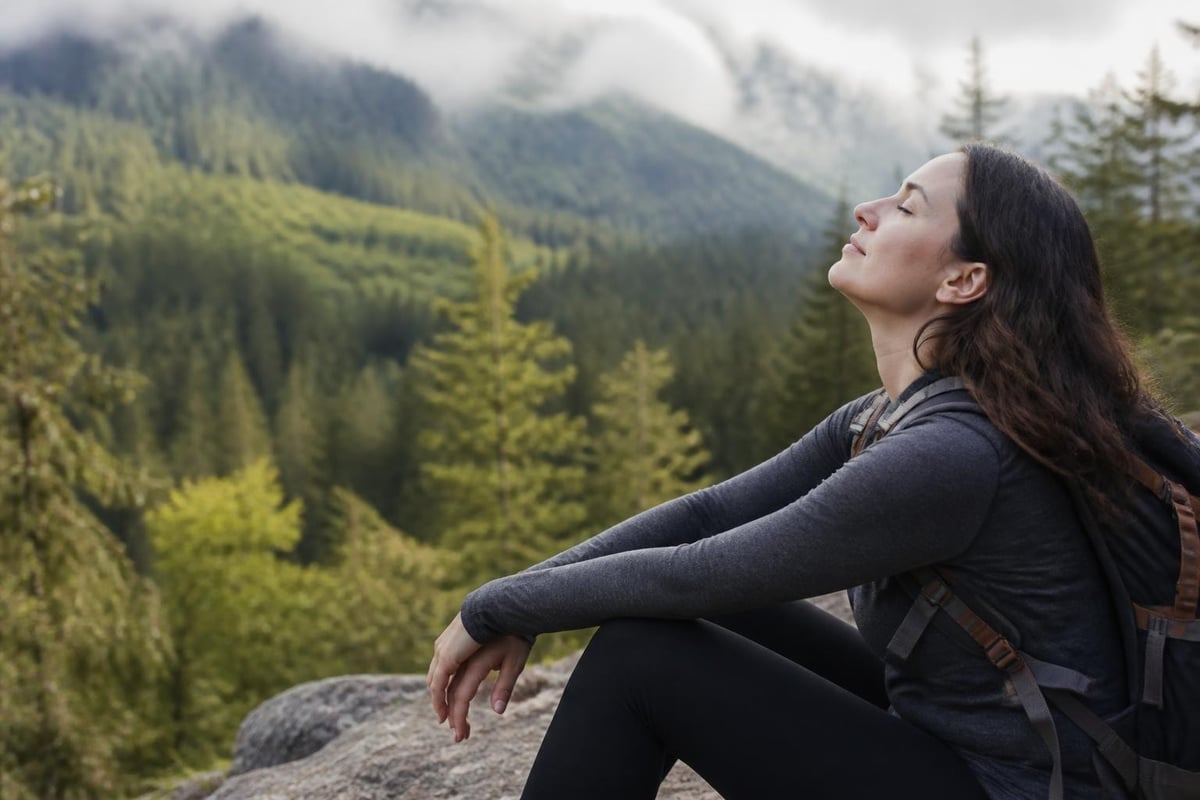
Creating a meaningful retreat in nature requires more thoughtful planning than simply booking accommodation in a scenic location. Planning a retreat involves defining clear intentions, selecting activities that align with your wellness goals, and choosing an environment that supports deep disconnection from daily stressors.
Key elements to consider when planning include:
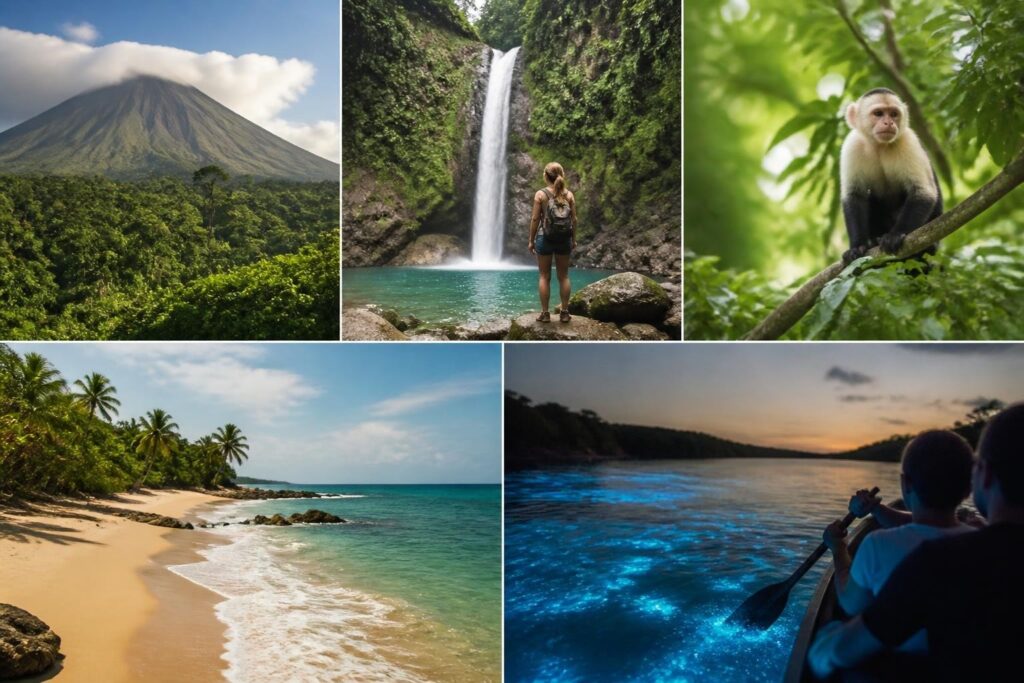
The location you choose fundamentally shapes your retreat experience. Costa Rica's Nicoya Peninsula, recognized as one of the world's Blue Zones where people live longer and healthier lives, offers a unique combination of biodiversity, pristine beaches, and lush rainforests that create an ideal setting for wellness journeys.
A common mistake in retreat planning involves overscheduling activities or, conversely, providing too little structure. The most effective nature retreats create rhythm between energizing experiences and quiet reflection.
| Activity Type | Purpose | Example Activities | Recommended Frequency |
|---|---|---|---|
| Movement | Physical vitality, embodiment | Yoga, jungle hiking, surfing | Daily (morning) |
| Contemplative | Mental clarity, emotional processing | Meditation, journaling, nature walks | Daily (evening) |
| Adventure | Engagement, presence, joy | Bioluminescent tours, wildlife observation | 2-3 times per retreat |
| Social | Connection, shared experience | Group meals, guided discussions | As desired |
This balance ensures you remain engaged without exhausting yourself, allowing the restorative aspects of nature to work their magic while you explore new experiences.
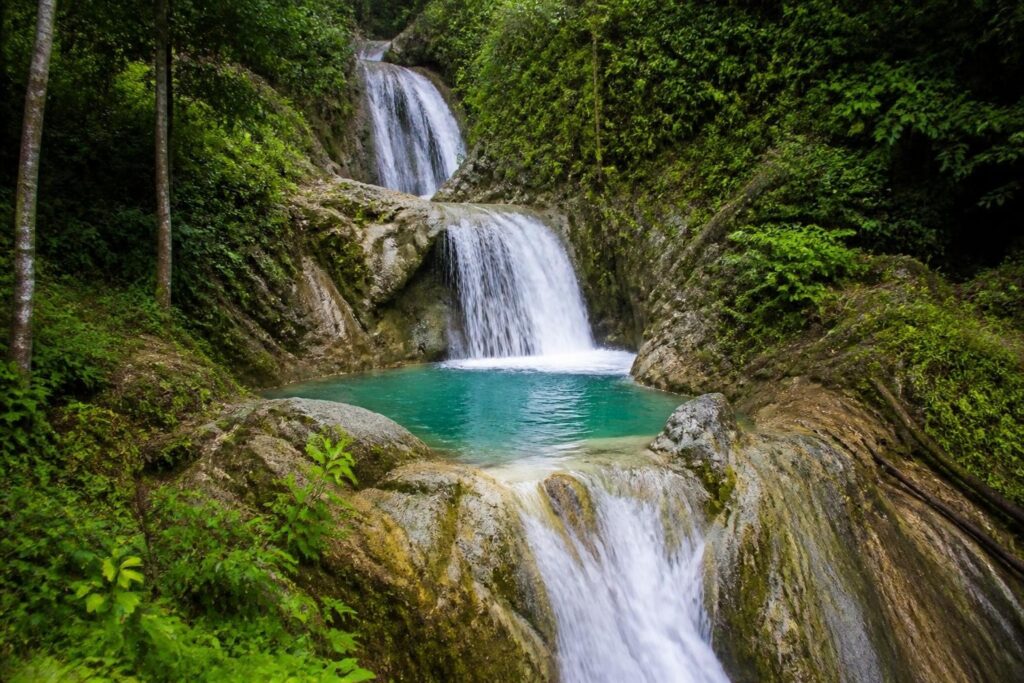
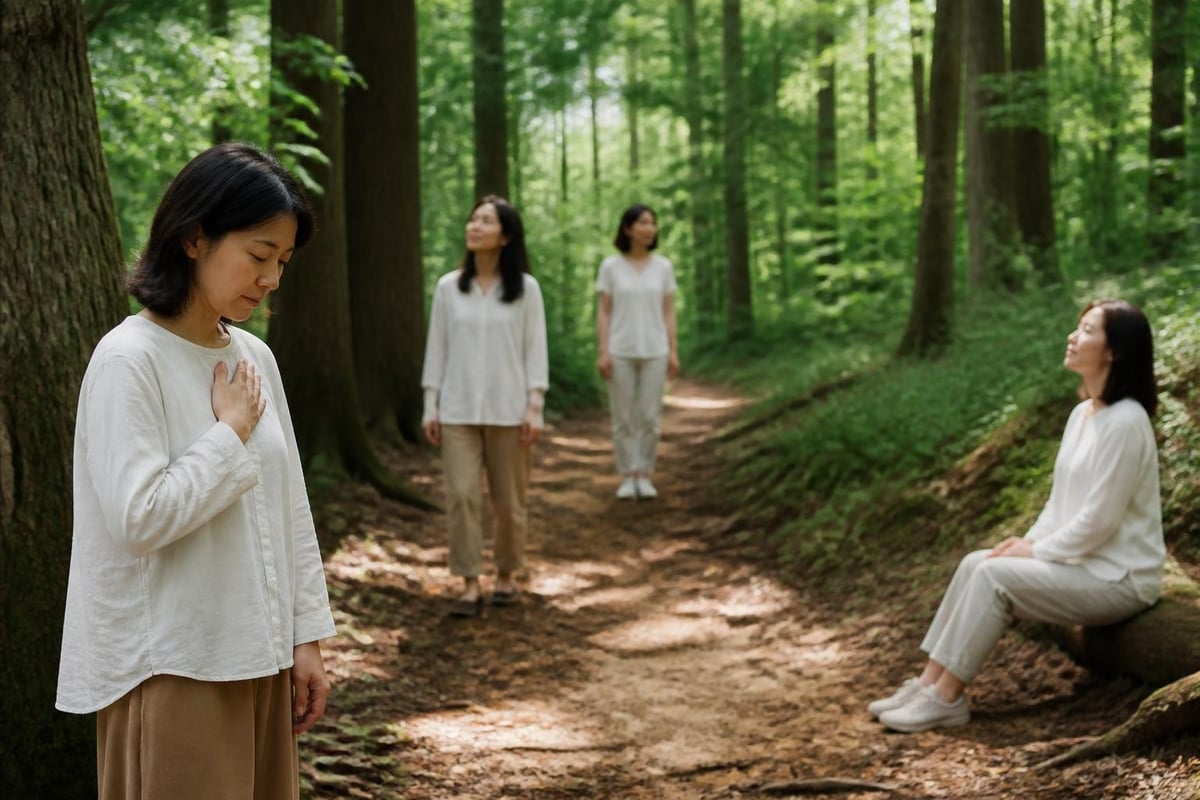
The Japanese practice of Shinrin-Yoku, or forest bathing, has gained significant attention in wellness circles for good reason. Meta-analysis of forest bathing research confirms substantial reductions in anxiety, depression, and stress hormones following guided forest immersion experiences. Unlike hiking with a destination in mind, forest bathing emphasizes slow, mindful presence among trees.
During a retreat in nature, incorporating forest bathing practices means engaging all five senses intentionally. You might spend an hour walking just a few hundred meters, pausing frequently to notice the texture of bark, the pattern of light through canopy leaves, or the subtle sounds of insect activity. This deliberate slowness contradicts everything modern culture teaches about productivity and efficiency, which is precisely why it proves so powerful.
These techniques transform a simple walk into a therapeutic practice that accumulates benefits throughout your retreat. When you explore adventure activities in tropical environments, you naturally incorporate many forest bathing principles while also engaging in more dynamic movement.
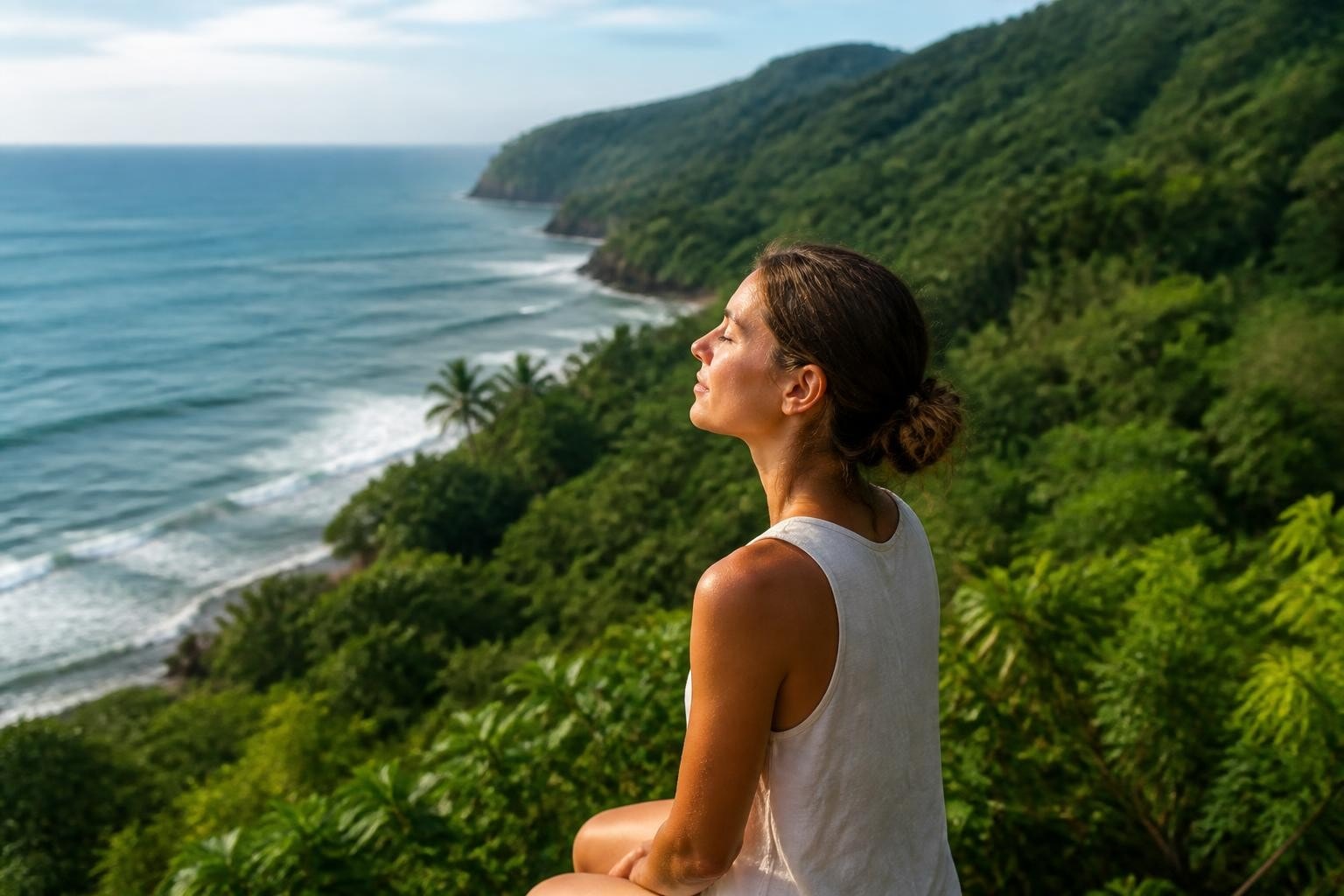
While forest environments receive significant attention in nature therapy research, coastal and marine settings offer equally powerful benefits. The negative ions generated by ocean waves, the magnesium absorbed through saltwater immersion, and the expansive visual horizons all contribute to distinct wellness outcomes.
Ocean environments specifically support:
A comprehensive retreat in nature leverages multiple ecosystems to address different aspects of wellness. Morning yoga sessions might occur within sight and sound of the Pacific Ocean, while afternoon explorations could venture into interior rainforests. Evening activities such as bioluminescent water tours combine the wonder of marine ecosystems with the magic of natural phenomena that exist far from artificial light.
Perhaps the most challenging yet valuable aspect of a retreat in nature involves truly disconnecting from digital communication. The constant availability demanded by modern life creates chronic stress that prevents deep rest and authentic self-reflection. Research on brief nature exposure and depressive mood demonstrates that even short periods away from technology in natural settings produce measurable mood improvements.
Complete digital abstinence works for some people, while others need gradual reduction. Effective strategies include:
The discomfort you might initially feel without constant digital input often gives way to profound relief within 24-48 hours. Your nervous system begins operating at a different pace, and you start noticing details that would normally escape your attention. This heightened awareness represents one of the most valuable outcomes of any nature retreat experience.
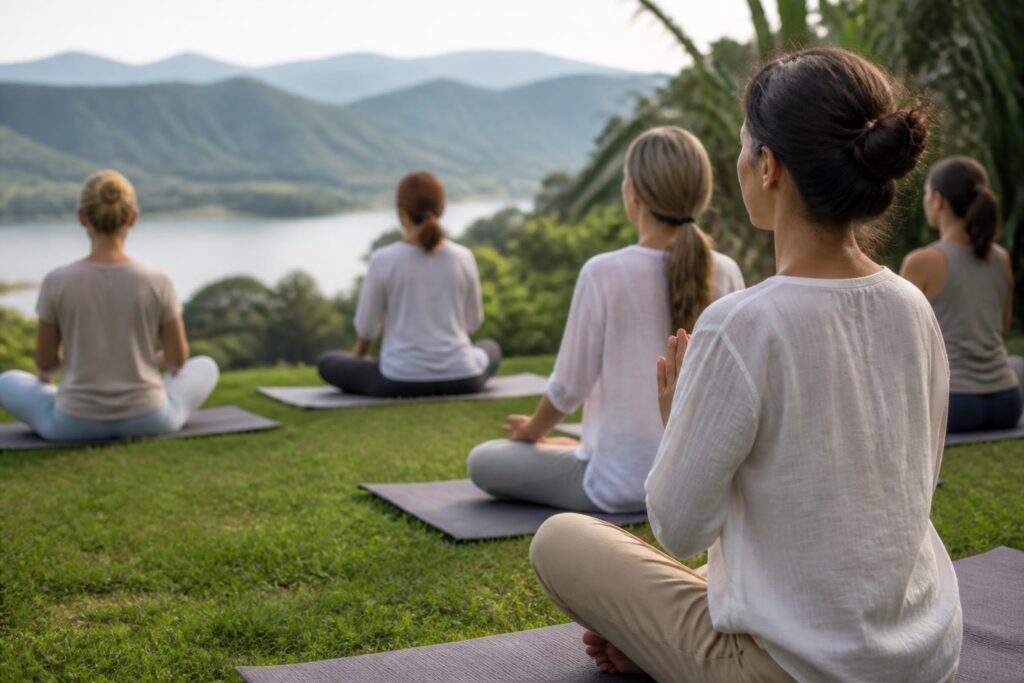
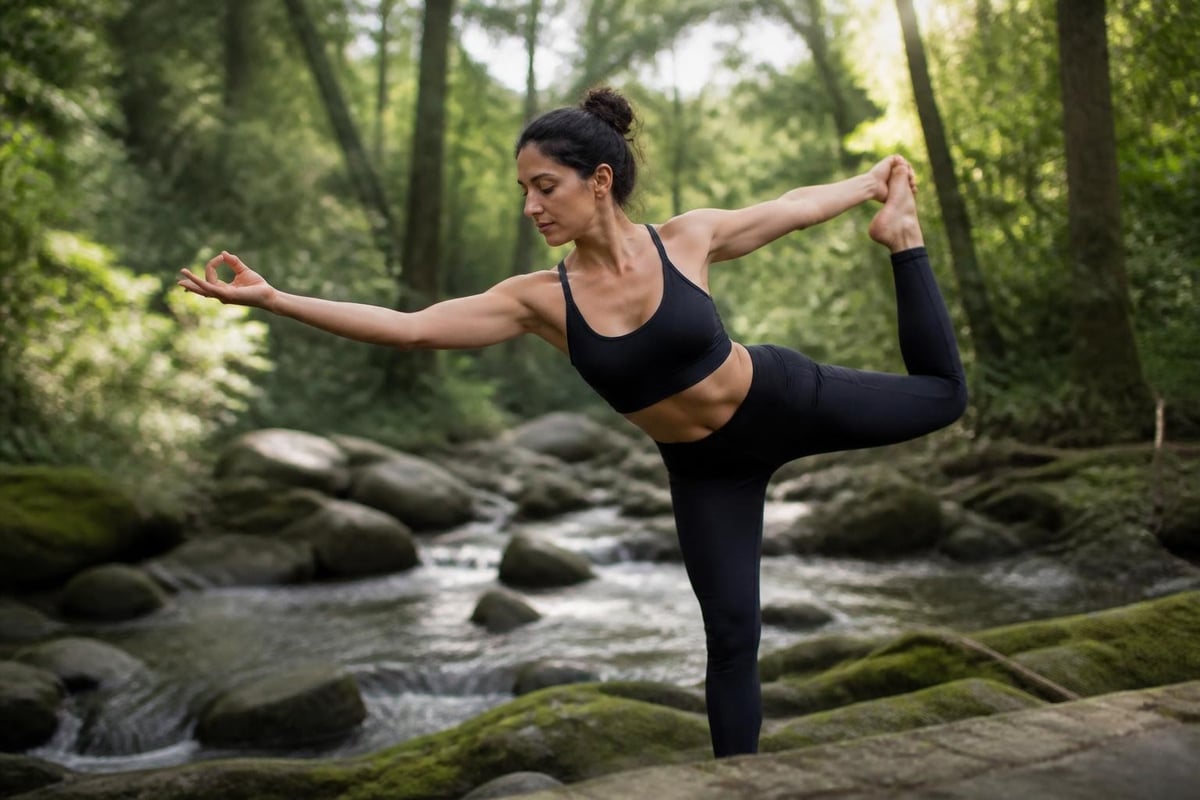
Physical activity during a retreat in nature serves purposes beyond cardiovascular fitness. Movement practices like yoga, tai chi, or simply mindful walking become vehicles for embodied presence and kinesthetic meditation. When you practice yoga as part of a structured wellness journey, the natural environment enhances traditional benefits through increased oxygen quality, negative ion exposure, and sensory richness.
Outdoor yoga sessions create unique challenges that actually deepen the practice. Uneven ground requires greater proprioceptive awareness. Natural sounds replace curated playlists. Temperature fluctuations and gentle breezes remind you of your body's relationship with the environment. These "imperfections" prevent the autopilot tendency that can develop in studio practice.
| Practice Type | Indoor Benefit | Nature-Enhanced Benefit |
|---|---|---|
| Yoga | Flexibility, strength, breath awareness | Plus grounding through earth contact, sensory integration |
| Meditation | Mental clarity, stress reduction | Plus natural soundscapes, expansive awareness |
| Walking | Cardiovascular health, basic fitness | Plus terrain variation, wildlife observation, forest bathing |
| Breathwork | Nervous system regulation | Plus cleaner air, oxygen-rich environment |
Adventure activities represent another form of mindful movement. Jungle hiking demands present-moment awareness as you navigate roots and rocks. Surfing requires total focus on wave timing and body position. These activities create flow states where self-consciousness disappears and you experience pure engagement with the present moment.
The food you consume during a retreat in nature significantly impacts your overall experience. Clean, nutrient-dense meals support the detoxification processes your body naturally initiates when removed from urban pollution and processed foods. Fresh local ingredients, particularly those grown in mineral-rich volcanic soil like that found in Costa Rica's Nicoya region, provide exceptional nutritional value.
Retreat nutrition principles include:
Many people experience unexpected dietary shifts during nature retreats. Cravings for sugar and caffeine often diminish as your body recalibrates to natural rhythms. You might find yourself naturally drawn to lighter meals and earlier eating times. These spontaneous adjustments reflect your body's innate wisdom when given the opportunity to operate without constant external stimulation.
The question of whether to pursue a private retreat or join a group setting depends on your personality, current life circumstances, and specific wellness goals. Comprehensive retreat planning guides emphasize aligning these logistical choices with your underlying intentions for the experience.
Solo retreats offer unparalleled opportunities for self-reflection and personal transformation. Without social obligations or group dynamics to navigate, you can follow your own rhythms completely. The silence and solitude can feel uncomfortable initially but often leads to profound insights and emotional processing that group settings cannot accommodate.
Group retreats provide different benefits, including shared experiences, diverse perspectives, and the accountability that comes from collective participation. You might discover that others' questions during yoga or processing conversations spark insights you would not have reached alone. The social bonds formed during intensive shared experiences often persist well beyond the retreat itself.
Bespoke private retreats represent a middle path, offering the customization and privacy of solo experiences with the option to include a partner, small friend group, or family members. This approach allows you to maintain intimacy while sharing transformative experiences with people who matter most in your life.
The ultimate measure of a retreat's value lies not in how you feel during the experience but in how it transforms your regular life afterward. Exploring travel tips for sustaining wellness can help you prepare for this crucial integration phase before your retreat even begins.
The practices you develop during a retreat in nature can absolutely transfer to urban or suburban environments, though they require intentional adaptation. A daily 10-minute meditation might replace hour-long sessions. Weekend nature walks can maintain the forest bathing benefits you discovered during the retreat. The key involves treating these practices as non-negotiable wellness infrastructure rather than optional luxuries.
Timing your retreat around seasonal patterns can significantly enhance the experience. Costa Rica's dry season from December through April offers consistently sunny weather ideal for beach and ocean activities, while the green season from May through November brings lush landscapes and fewer tourists, creating a more intimate connection with nature.
Seasonal advantages to consider:
Your personal circumstances matter more than objective seasonal rankings. If you are recovering from burnout, the quiet green season might provide exactly the solitude you need. If you want to experience adventure activities like surfing, dry season conditions typically offer more beginner-friendly waves.
The most profound shifts from a retreat in nature often occur not during dramatic moments but through accumulated subtle experiences. Watching sunrise from the same spot each morning builds a relationship with place. Gradually recognizing individual bird calls develops sensory awareness. Noticing how your breathing patterns change throughout the week reveals your nervous system's capacity for regulation.
These micro-transformations accumulate into genuine lifestyle shifts when you approach the retreat with openness and minimal expectations. The agenda you create beforehand matters less than your willingness to respond authentically to what each day offers. Sometimes the most valuable retreat experiences involve abandoning plans entirely in favor of following intuitive impulses toward rest, exploration, or solitude.
A retreat in nature represents far more than a vacation; it offers a structured opportunity to remember who you are beneath the layers of stress, distraction, and disconnection that modern life accumulates. The evidence supporting nature-based wellness continues growing stronger, while our collective need for these experiences becomes increasingly urgent. When you are ready to experience genuine transformation through immersive connection with pristine natural environments, Soluna offers bespoke wellness and adventure journeys in Costa Rica's Nicoya Blue Zone, where every element is designed to support your unique path toward renewal and vitality.