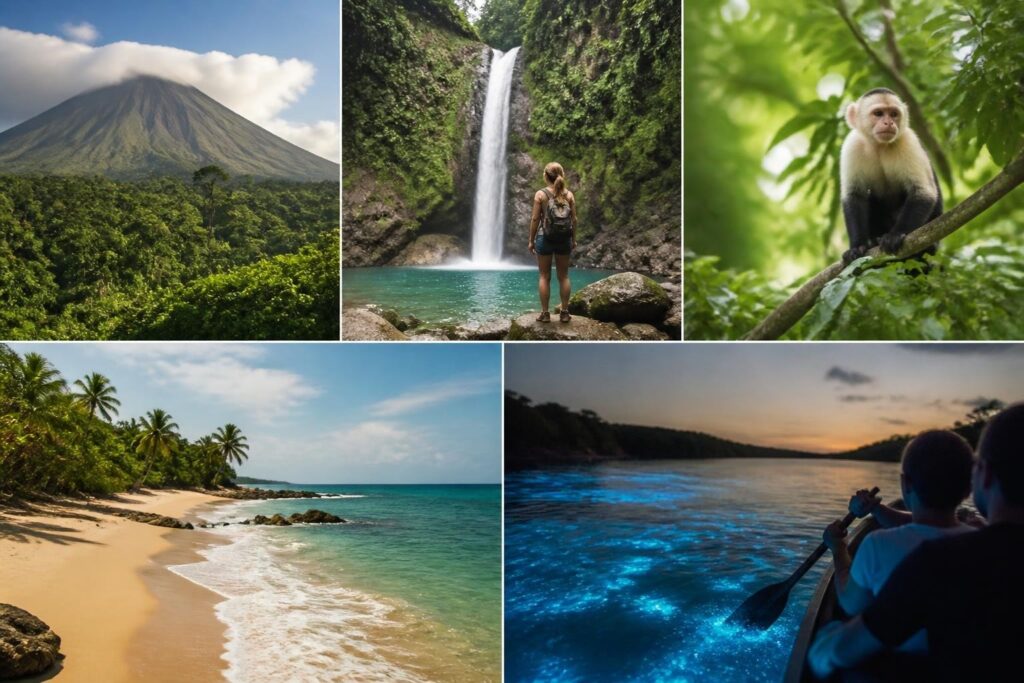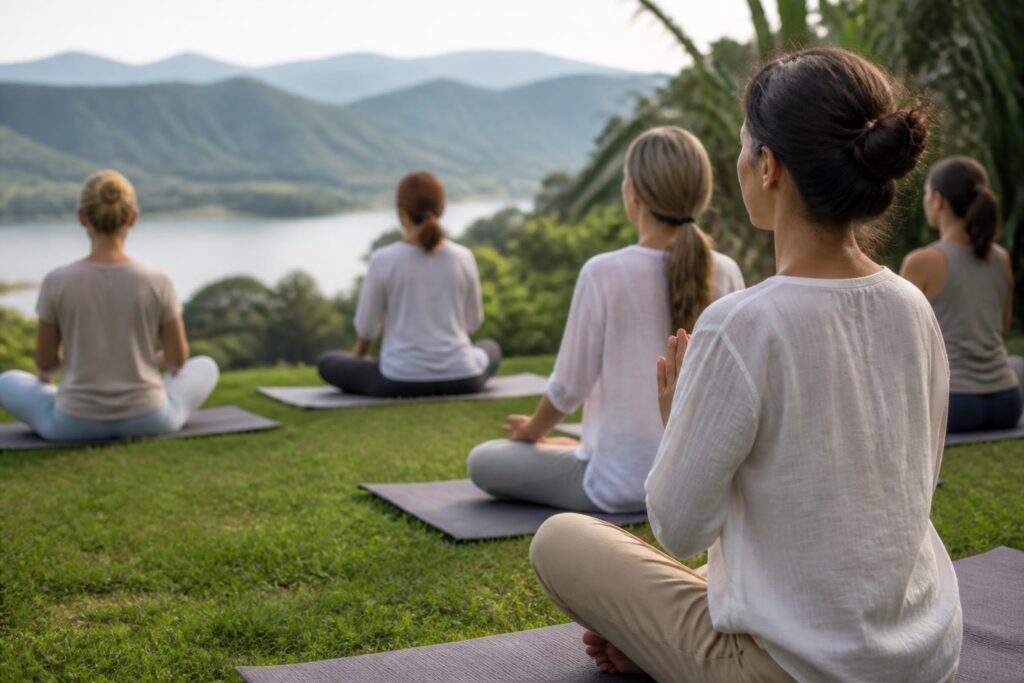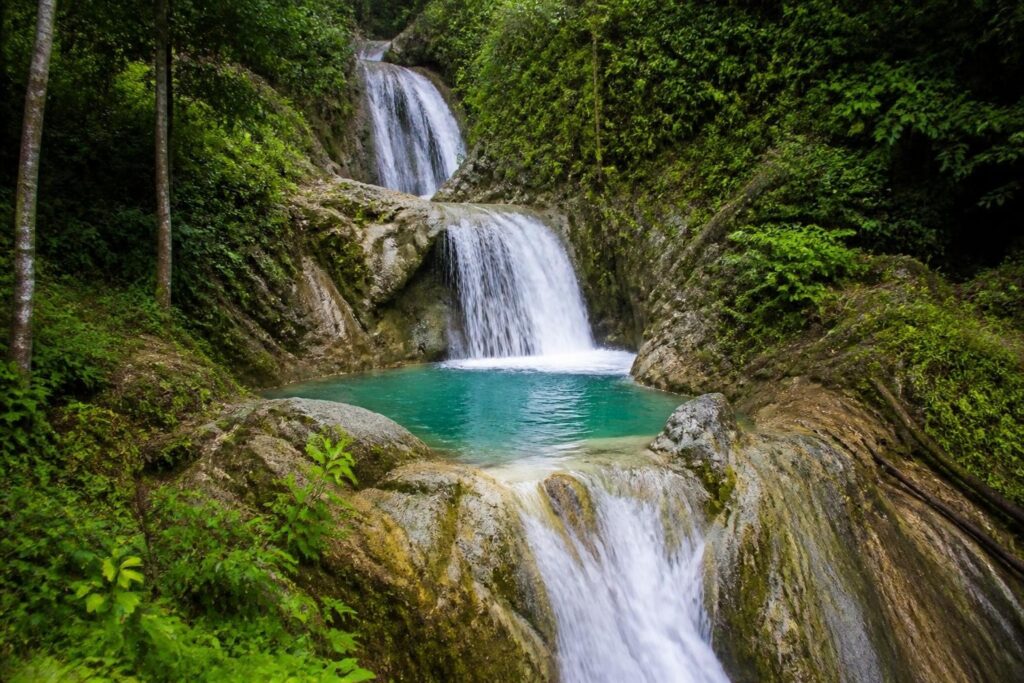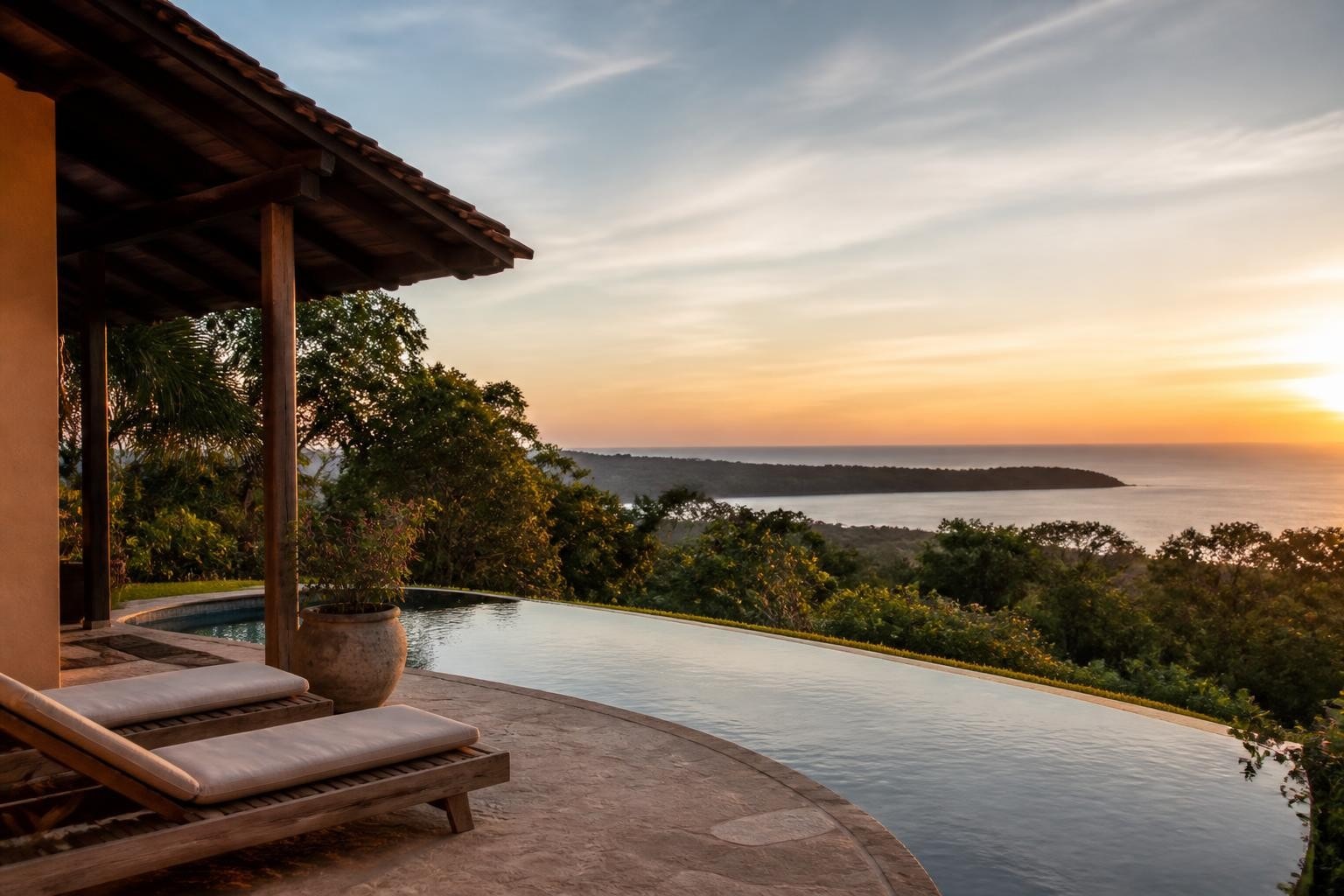
Choosing where to stay in Costa Rica can transform your entire travel experience, especially when seeking wellness, adventure, and authentic connection with nature. This Central American paradise offers diverse regions ranging from pristine Pacific beaches to mystical cloud forests, each providing unique opportunities for relaxation and rejuvenation. Whether you're planning a private retreat focused on yoga and meditation or an adventure-filled escape through jungle trails and coastal waters, understanding Costa Rica's distinct zones will help you select the perfect home base for your transformative journey.
Costa Rica divides naturally into several distinct geographical zones, each offering different climates, ecosystems, and wellness opportunities. The Pacific Coast stretches from the northern Guanacaste province down through the central Pacific and into the southern zone, providing consistent sunshine and warm ocean temperatures ideal for water activities and beach meditation.
The Caribbean side presents a completely different atmosphere, with lush rainforests meeting calmer waters and a laid-back Afro-Caribbean cultural influence. Meanwhile, the Central Valley surrounding San José offers mild temperatures year-round and easy access to multiple national parks within short driving distances.
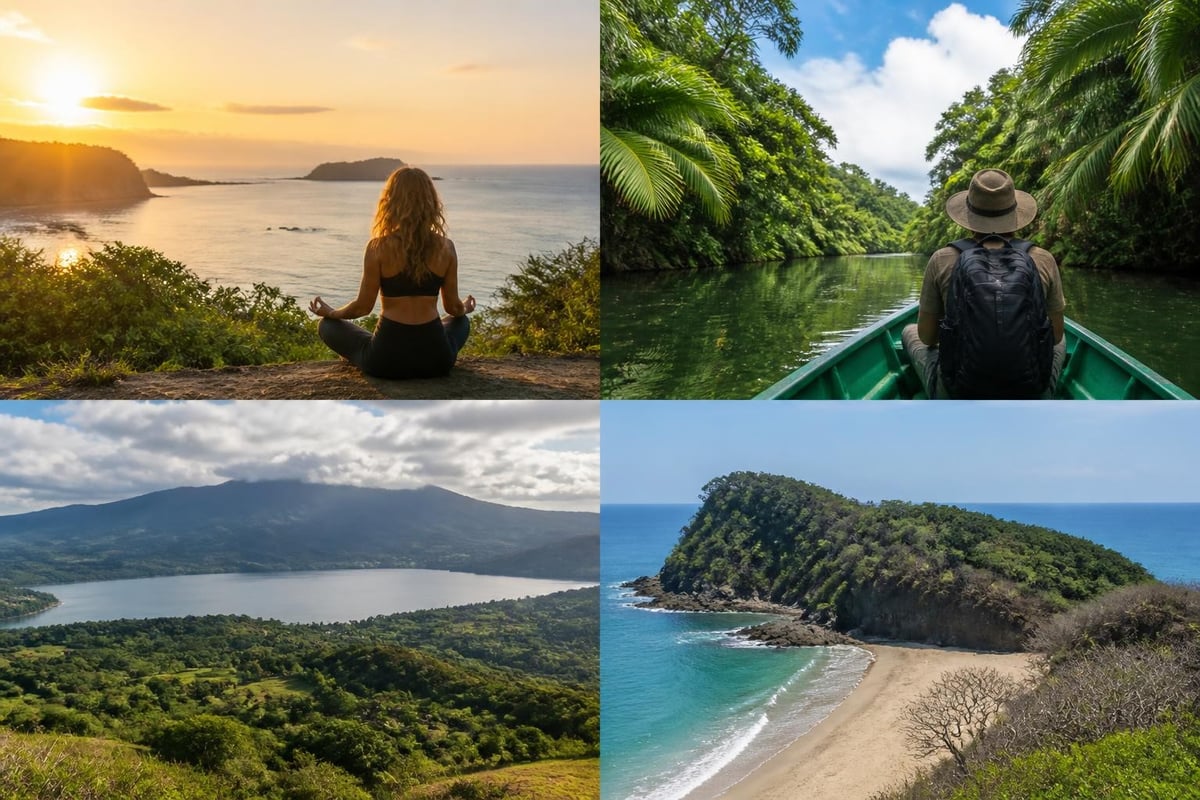
When deciding costa rica where to stay, consider these primary factors:
The best regions and towns in Costa Rica vary significantly in character, from bustling beach towns to secluded jungle hideaways, making advance research essential for matching your retreat goals with the right location.
The Nicoya Peninsula stands apart as one of only five Blue Zones worldwide, where residents consistently live beyond 100 years with exceptional health and vitality. This extraordinary region combines pristine beaches, protected forests, and a culture deeply rooted in wellness practices that have sustained communities for generations.
Santa Teresa has evolved into a premier destination for wellness seekers without sacrificing its bohemian beach town charm. The consistent surf breaks attract water sports enthusiasts, while the abundance of yoga studios, organic restaurants, and holistic practitioners creates an ideal environment for those seeking balance between adventure and restoration.
Mal País, adjacent to Santa Teresa, offers slightly more seclusion while maintaining access to the same natural beauty. Both towns provide numerous accommodation options, though for truly personalized wellness experiences, private retreats away from the main strips deliver deeper immersion in the Blue Zone lifestyle.
Nosara has established itself as a world-renowned yoga destination, with several internationally recognized studios and teacher training programs. The town's commitment to sustainable development and environmental protection has preserved its natural beauty while developing infrastructure that supports wellness tourism.
The beaches here require navigating unpaved roads, which naturally limits crowds and maintains a peaceful atmosphere conducive to meditation and reflection. This relative remoteness enhances the disconnection from daily stresses that many wellness seekers crave.
This artistic beach village attracts creative spirits and those seeking a more alternative lifestyle experience. Montezuma offers stunning waterfalls accessible via short hikes, tide pools perfect for contemplative soaking, and a vibrant community of long-term visitors who have embraced the pura vida philosophy.
The surrounding area provides opportunities for wellness-focused activities including forest bathing, sunset meditation sessions, and connecting with local artisans who practice traditional crafts passed down through generations.
While the Nicoya Peninsula offers exceptional wellness infrastructure, other Pacific regions deserve consideration when planning costa rica where to stay for your retreat.
This national park region combines accessible wildlife viewing with beautiful beaches and well-developed tourism amenities. The area hosts numerous eco-lodges and boutique hotels built into the hillsides, offering ocean views and proximity to both jungle trails and coastal relaxation.
Manuel Antonio's popularity means more crowds during peak season, which may not align with seekers of solitude and deep restoration. However, the convenience of restaurants, tour operators, and established wellness practitioners makes it suitable for those preferring more services readily available.
The southern Pacific zone around Uvita provides a quieter alternative with equally stunning natural beauty. The Marino Ballena National Park protects important marine habitats, including seasonal humpback whale migration routes that create magical opportunities for oceanic connection.
This region remains less developed than areas further north, offering authentic local experiences and accommodations that range from basic eco-lodges to luxury wellness retreats. The diverse accommodation styles across Costa Rica cater to various preferences and budgets, with the southern zone particularly appealing to those seeking authenticity over polished tourism infrastructure.
| Region | Wellness Focus | Adventure Level | Development | Best Season |
|---|---|---|---|---|
| Nicoya Peninsula | High | Medium-High | Moderate | December-April |
| Manuel Antonio | Medium | Medium | High | Year-round |
| Southern Pacific | Medium | High | Low | December-April |
| Caribbean Coast | Low | Medium | Low | September-October |
| Central Valley | Medium | Low | High | Year-round |
The question of costa rica where to stay extends beyond geography to encompass accommodation styles that support different wellness goals and travel philosophies.
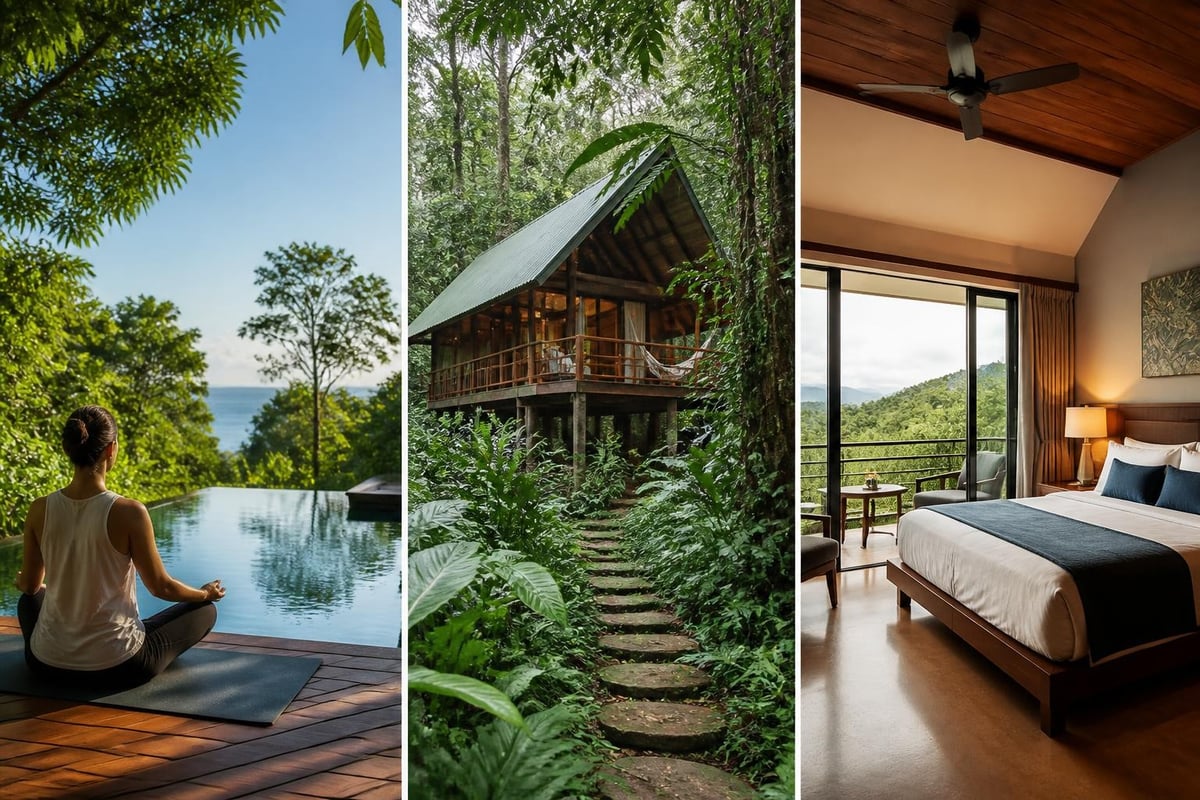
Bespoke retreat experiences offer the highest level of personalization, allowing travelers to design their days around specific wellness objectives. These properties typically accommodate small groups or individuals, providing dedicated spaces for yoga practice, meditation, and holistic treatments without the distractions of larger resort environments.
Private retreats in the Blue Zone particularly benefit from the region's inherent longevity factors, including mineral-rich water, abundant fresh tropical fruits, and strong community connections that residents credit for their exceptional health outcomes. Learning more about why people live longer in Nicoya can deepen your appreciation for this unique region.
Costa Rica pioneered eco-tourism, and its accommodation landscape reflects this environmental commitment. Eco-lodges integrate seamlessly with their surroundings, often featuring open-air designs, solar power, rainwater collection, and organic gardens that supply their kitchens.
These properties appeal to travelers whose wellness philosophy extends to environmental stewardship. Staying in accommodations that minimize ecological impact while maximizing natural connection creates alignment between personal values and vacation choices.
For those who want wellness amenities combined with easy access to restaurants, shops, and social opportunities, boutique hotels in established beach towns provide ideal balance. These properties typically offer smaller room counts than large resorts, maintaining intimate atmospheres while providing professional service and curated experiences.
Many boutique hotels now incorporate wellness elements such as yoga platforms, meditation gardens, and partnerships with local practitioners who offer services directly to guests.
Beyond aesthetic preferences and wellness amenities, several practical factors influence where to stay decisions that significantly impact your retreat experience.
Costa Rica's infrastructure varies dramatically between regions. The Central Valley and Guanacaste's main beach towns offer paved roads and reliable public transportation, while more remote areas require four-wheel drive vehicles and careful navigation of unpaved roads that become challenging during rainy season.
International flights arrive primarily at San José's Juan Santamaría International Airport or Liberia's Daniel Oduber Quirós International Airport in Guanacaste. Your accommodation's proximity to these airports affects transfer times and costs, with some remote properties requiring additional small plane flights or lengthy ground transportation.
Consider these accessibility factors:
Costa Rica experiences distinct dry and rainy seasons, though patterns vary between Pacific and Caribbean coasts. The Pacific dry season (December through April) brings consistent sunshine ideal for beach activities and outdoor yoga, while the rainy season (May through November) offers lower prices, fewer crowds, and lush landscapes at their most vibrant.
The Caribbean coast follows opposite patterns, with the driest months typically September and October when the Pacific receives heavy rainfall. This variation allows year-round opportunities for wellness travel, with location selection depending on your preferred weather conditions.
Accommodation costs in Costa Rica span enormous ranges, from budget hostels at $20 per night to luxury villas exceeding $1,000 per night. Wellness-focused properties typically command premium prices due to personalized services, smaller guest counts, and specialized amenities.
When evaluating costa rica where to stay from a budget perspective, consider total value rather than just nightly rates. All-inclusive retreat packages often provide better value than piecing together accommodation, meals, activities, and transfers separately. Various package options demonstrate how bundled services create both convenience and cost efficiency.
Your wellness goals should drive accommodation selection more than any other factor. A property perfect for active adventure seekers may not serve someone focused on quiet contemplation and deep rest.
Travelers combining wellness practices with physical adventures like surfing, hiking, and water sports need locations offering easy access to these activities without requiring extensive daily travel. The Nicoya Peninsula excels in this category, with adventure-focused packages providing structured itineraries that balance exertion with restoration.
Properties near multiple activity options allow flexible daily planning based on energy levels and weather conditions. Morning yoga sessions followed by afternoon surf lessons or jungle hikes create the rhythm many active travelers seek.
Those prioritizing deep rest, meditation, and gentle movement benefit from more secluded properties with minimal external stimulation. Remote locations naturally limit distractions, while thoughtful property design creates spaces that support introspection and stillness.
Consider whether you prefer complete solitude or a small community of like-minded travelers. Some people restore best in total silence and privacy, while others find gentle community connection enhances their wellness journey.
Authentic Costa Rican cultural experiences require staying in communities where local life continues beyond tourism. Smaller towns and family-run accommodations provide opportunities to practice Spanish, learn traditional cooking methods, and understand the cultural factors contributing to Blue Zone longevity.
Choosing between yoga-focused and adventure-focused retreats involves honest assessment of what will truly serve your current needs rather than what sounds appealing in theory.
While most guides focus on well-known destinations, several lesser-known regions offer exceptional wellness opportunities for travelers willing to venture off typical routes.
This remote southern region harbors some of Costa Rica's most pristine rainforest and untouched beaches. The Osa Peninsula receives fewer visitors than northern zones, creating opportunities for profound connection with nature in its wildest forms.
Accommodations here range from basic eco-lodges to luxury jungle retreats, with most properties requiring boat access or lengthy drives on challenging roads. This remoteness filters for serious nature lovers and those seeking genuine escape from connectivity and convenience.
Puerto Viejo and surrounding Caribbean communities offer completely different energy than Pacific locations. The Afro-Caribbean cultural influence creates unique cuisine, music, and lifestyle rhythms that appeal to travelers seeking diversity beyond typical Costa Rican experiences.
The where to stay guide from June 2026 highlights how Caribbean locations suit specific traveler profiles, particularly those interested in cultural diversity and less developed beach environments.
Monteverde and similar highland areas provide cool mountain climates and mystical cloud forest ecosystems completely different from coastal zones. These regions excel for nature observation, with incredible biodiversity and unique activities like canopy walks and night wildlife tours.
The cooler temperatures and frequent mist create atmospheric settings for contemplative practices, though these regions require different packing and expectations than beach destinations.
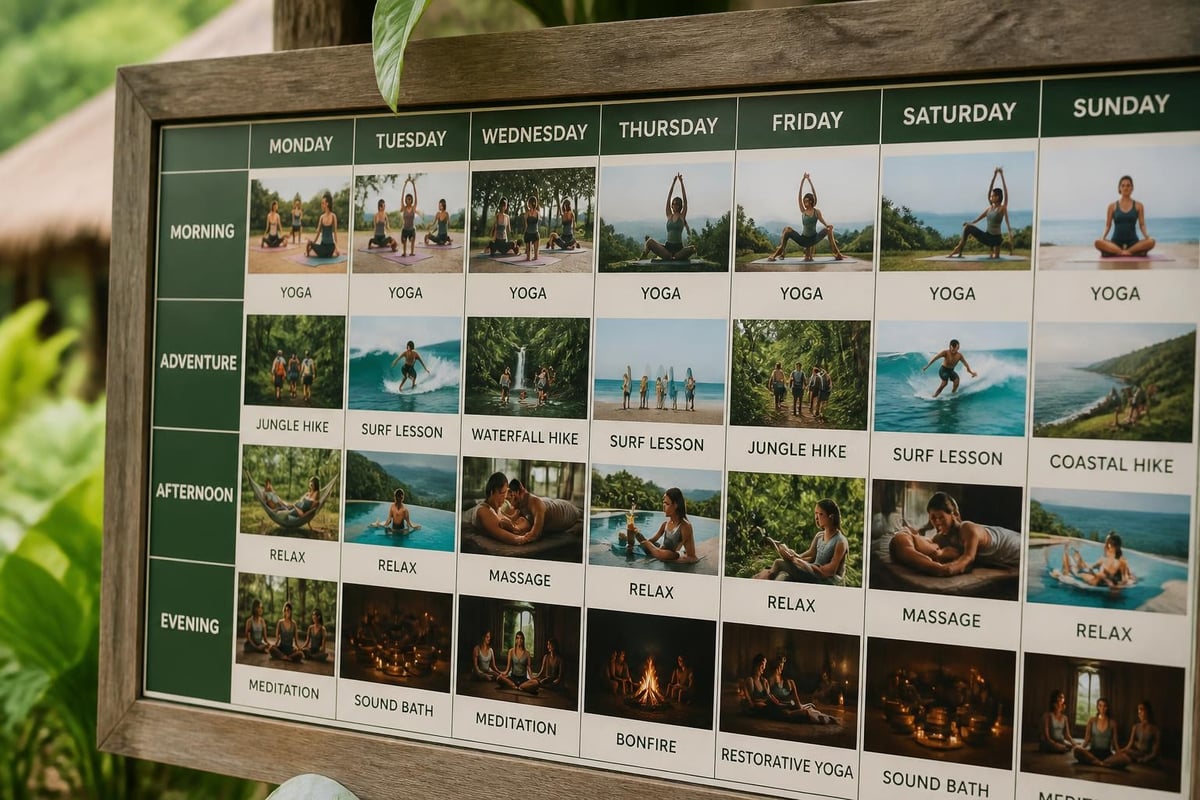
Most wellness travelers benefit from staying in one location rather than attempting to experience multiple regions in short timeframes. The stress of packing, transferring, and re-settling contradicts restoration goals that draw people to Costa Rica initially.
Committing to one property and region for your entire visit allows deeper connection with the environment, staff, and local community. This approach particularly suits 4-night to 8-night retreat packages designed to create complete experiences within specific locations.
Single-location stays eliminate decision fatigue about daily activities and logistics, allowing surrender to structured programs or spontaneous daily choices based on authentic desires rather than FOMO about missing experiences elsewhere.
Travelers with two or more weeks can thoughtfully combine contrasting regions, such as starting with active beach adventures before transitioning to quiet cloud forest restoration. This approach requires careful planning to ensure transfers don't consume valuable retreat time.
When combining locations, maintain minimum 3-4 night stays in each to avoid the exhaustion of constant movement. Consider how the second location complements rather than duplicates the first, creating a complete arc to your wellness journey.
The question of costa rica where to stay includes consideration of social dynamics that dramatically affect retreat experiences.
Group retreats create opportunities for meaningful connections with fellow travelers navigating similar wellness journeys. Shared meals, group yoga sessions, and collective adventures build camaraderie that many find unexpectedly valuable.
However, group dynamics also require compromise on scheduling, activity intensity, and personal preferences. Assess honestly whether you energize from group interaction or require solitude for restoration.
Private retreats offer maximum flexibility and personalization, allowing you to design each day around your specific intentions without accommodating others' preferences or abilities. This individualized approach suits couples, small friend groups, or solo travelers who know exactly what they need from their time in Costa Rica.
The trade-off involves higher per-person costs and missing spontaneous connections that often enrich group experiences. Both approaches hold value depending on your current life circumstances and wellness objectives.
Selecting costa rica where to stay requires balancing multiple factors from geographical preferences to accommodation styles, all filtered through your specific wellness intentions and practical constraints. The diversity of Costa Rica's regions ensures options for every traveler, whether you seek active adventure, quiet contemplation, or cultural immersion in one of the world's Blue Zones. Soluna specializes in creating bespoke retreat experiences in the Nicoya Peninsula, where personalized wellness and adventure programs allow you to disconnect from daily stress while connecting deeply with Costa Rica's extraordinary natural beauty and longevity-supporting environment.