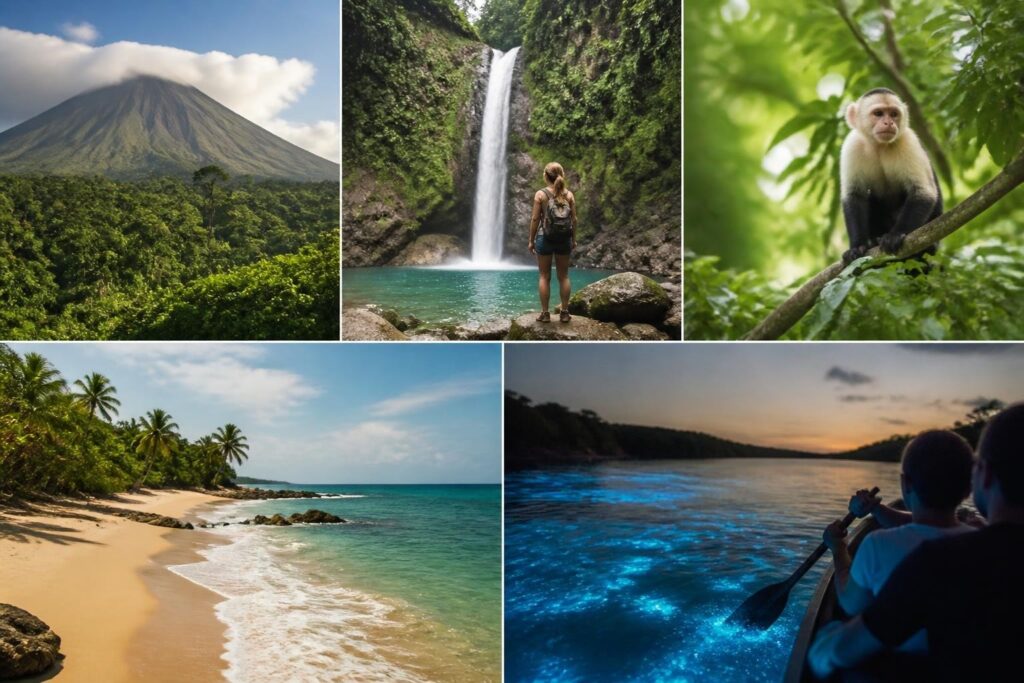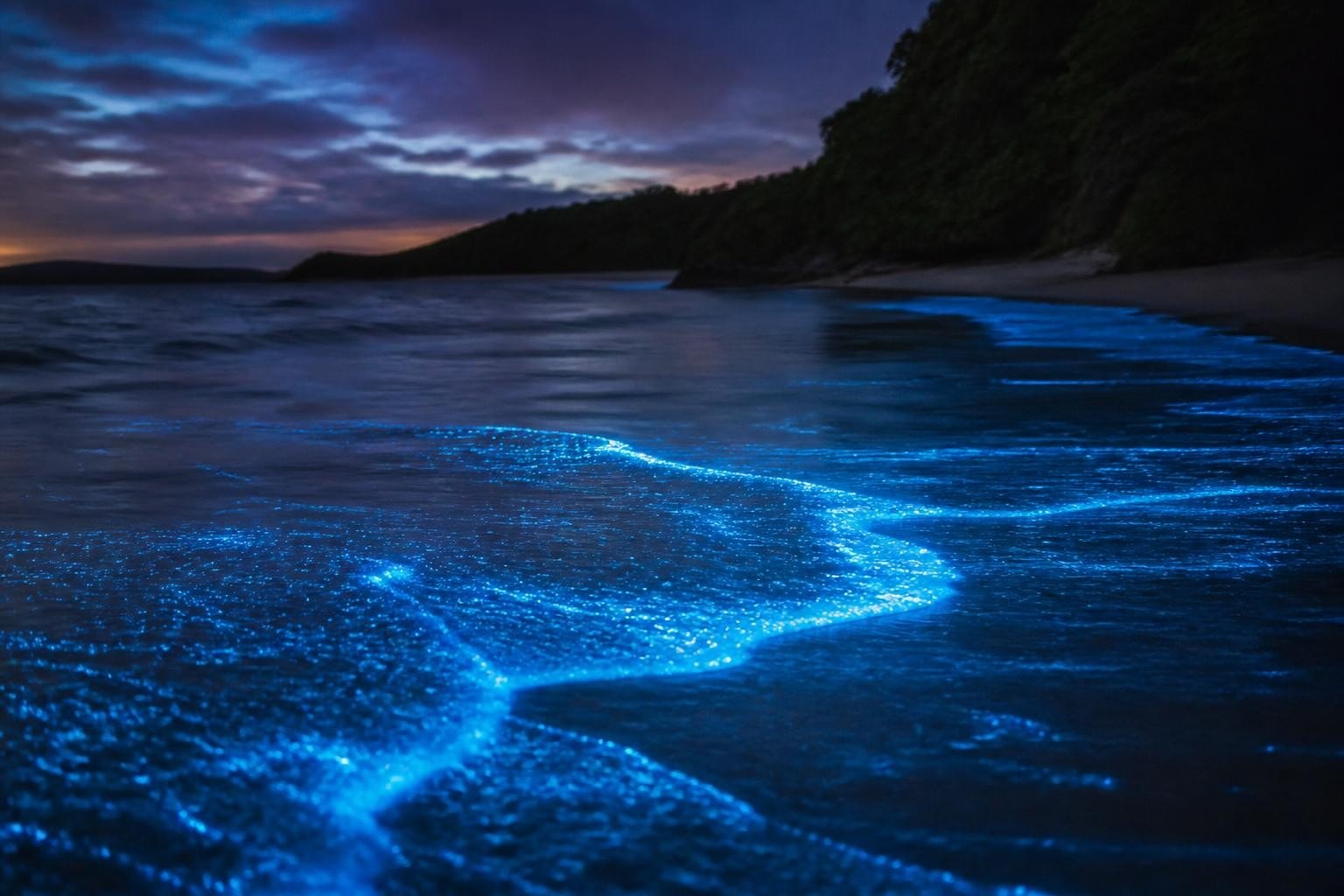
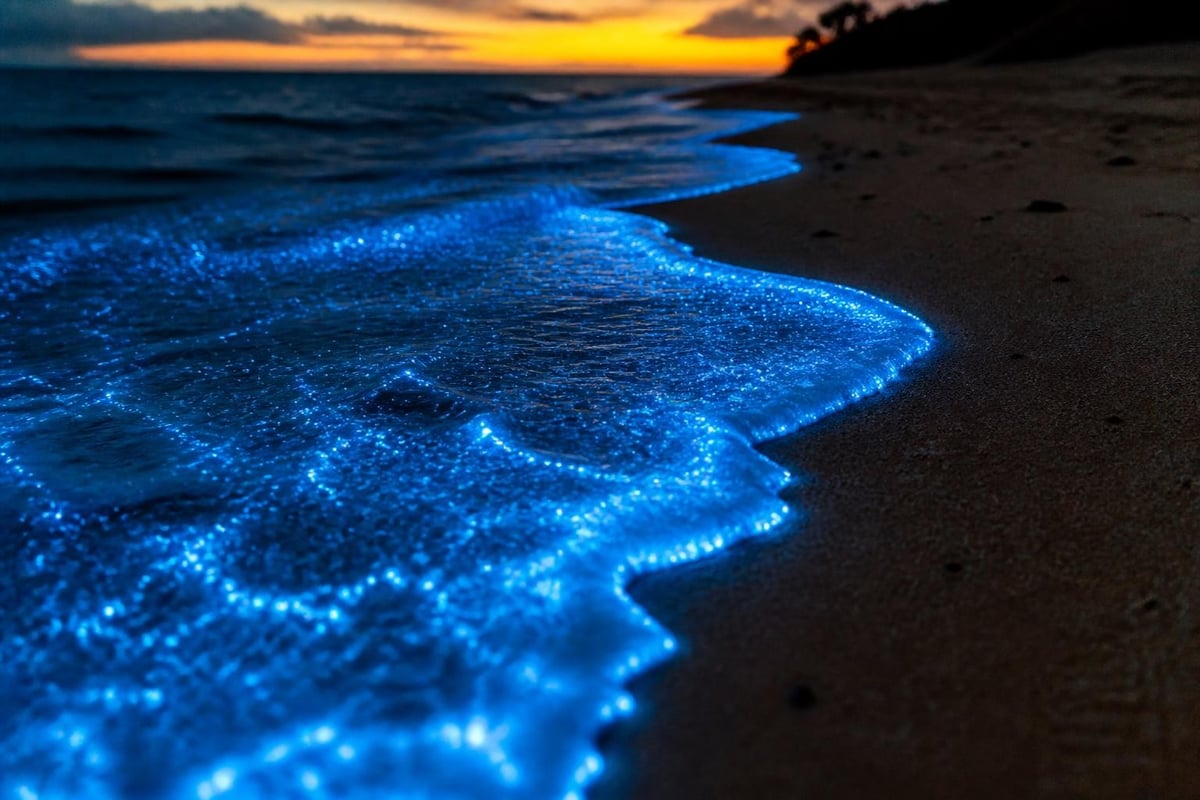
Costa Rica's natural wonders extend beyond its lush rainforests and diverse wildlife. When darkness falls along certain coastal areas, the ocean transforms into a glowing spectacle that seems almost otherworldly. A bioluminescence tour costa rica offers visitors the chance to witness one of nature's most mesmerizing displays, where microscopic organisms create ethereal blue-green light in the water with every movement. This phenomenon occurs when dinoflagellates, tiny marine plankton, emit light as a defense mechanism when disturbed, turning kayak paddles and swimming motions into trails of living light.
The science behind bioluminescent displays involves complex biochemical reactions within single-celled organisms. Research on dinoflagellate bioluminescence reveals that these organisms produce light through a stress response, releasing photons when mechanical stimulation occurs. This creates the magical glow that attracts thousands of visitors to Costa Rica's shores each year.
Dinoflagellates contain specialized organelles called scintillons that house luciferin and luciferase. When water movement triggers these cells, the chemical reaction produces a flash of blue-green light lasting less than a second. The cumulative effect of millions of these organisms creates the brilliant display visible during nighttime tours.
Key factors influencing bioluminescence intensity:
The phenomenon occurs naturally but varies significantly based on environmental conditions. Darker nights with minimal moon interference provide the most dramatic viewing experiences, making lunar phase planning essential for tour operators and visitors alike.
Costa Rica offers several exceptional locations for experiencing this natural wonder, each with distinct characteristics and accessibility features. The Nicoya Peninsula stands out as a premier destination for bioluminescence viewing, particularly in protected bays and estuaries where conditions favor dinoflagellate populations.
The Nicoya Peninsula, recognized as a Blue Zone region where residents enjoy exceptional longevity, provides ideal conditions for bioluminescence tour costa rica experiences. Protected coves around Paquera and surrounding areas create calm waters where bioluminescent organisms thrive.
| Location | Best Season | Water Conditions | Access Level |
|---|---|---|---|
| Paquera | December – April | Calm, sheltered | Moderate |
| Golfo de Nicoya | Year-round | Variable | Easy |
| Isla Tortuga Area | December – May | Protected | Moderate |
| Tambor Bay | January – April | Calm | Easy |
Golfo Dulce in southern Costa Rica offers another exceptional setting for witnessing bioluminescence. This deep-water gulf creates unique conditions where bioluminescent displays can be particularly intense. The protected nature of the gulf provides consistent viewing opportunities throughout much of the year.
The combination of Costa Rica’s unique natural phenomena and coastal geography creates perfect conditions for bioluminescent organisms to flourish.
Seasonal variations dramatically impact the quality of bioluminescence displays. Understanding these patterns helps visitors plan their trips for maximum impact and ensures an unforgettable experience in the glowing waters.
Peak bioluminescence season typically occurs:
The dry season provides more reliable conditions, though bioluminescence can occur year-round. Tour operators throughout the region adjust their schedules based on current conditions and historical patterns to optimize guest experiences.
The moon's phase plays a crucial role in bioluminescence visibility. New moon periods offer the darkest skies, allowing the bioluminescent glow to appear most vivid against the black water. Even a quarter moon can diminish the visual impact significantly.
Planning your bioluminescence tour costa rica adventure around the lunar calendar increases the likelihood of witnessing spectacular displays. Many wellness retreat programs, including those offered through extended adventure packages, coordinate activities to align with optimal viewing conditions.
Several tour styles allow visitors to experience bioluminescence, each offering unique perspectives and engagement levels. Selecting the right format depends on physical ability, adventure preferences, and desired intimacy with the phenomenon.
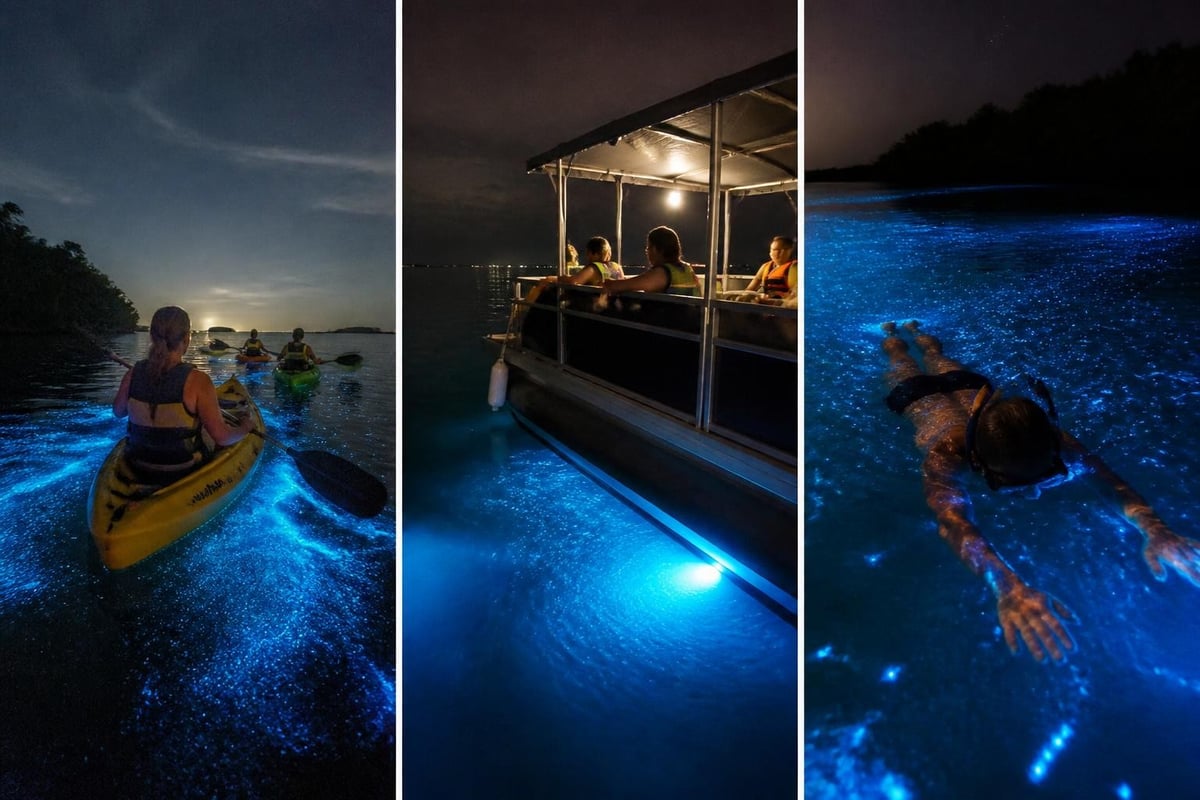
Kayaking remains the most popular method for experiencing bioluminescence. Paddling through glowing water creates mesmerizing trails with each stroke, and the quiet nature of kayaking preserves the serene atmosphere. Bioluminescent kayak tours typically last two to three hours and accommodate various skill levels.
What to expect on a kayak tour:
For those preferring a less physically demanding experience, boat tours provide comfortable platforms for observation. These tours often accommodate larger groups and may include additional amenities like refreshments and expert naturalist guides who explain the scientific aspects of the phenomenon.
The most immersive option involves swimming directly in bioluminescent waters. Moving through the glowing plankton creates an ethereal experience as your body becomes outlined in light. Specialized tours in the Guanacaste region offer swimming-focused experiences with proper safety protocols.
Proper preparation enhances enjoyment and ensures safety during nighttime water activities. Understanding what to bring and expect helps visitors make the most of this unique natural experience.
| Category | Items | Purpose |
|---|---|---|
| Clothing | Quick-dry shorts, water shoes, light jacket | Comfort and protection |
| Technology | Waterproof phone case, GoPro camera | Documentation |
| Personal | Towel, change of clothes, insect repellent | Post-tour comfort |
| Safety | Headlamp with red filter, whistle | Navigation and emergency |
Avoid bringing regular flashlights or white lights, as these diminish bioluminescence visibility. Red-filtered lights preserve night vision while providing necessary illumination when needed.
Capturing bioluminescence on camera presents technical challenges due to low light conditions and the ephemeral nature of the glow. Long exposure settings, high ISO capabilities, and waterproof housings increase success rates. Many visitors find that simply experiencing the moment without photography concerns provides greater satisfaction.
Camera settings for bioluminescence:
Professional tour operators often provide photography tips and may offer guided photography sessions as part of premium packages. Some exclusive nighttime tours specifically cater to photographers seeking to capture this phenomenon.
A bioluminescence tour costa rica experience complements wellness-focused travel by connecting visitors with natural rhythms and creating moments of profound wonder. The meditative quality of gliding through glowing water aligns perfectly with mindfulness practices and stress reduction goals.
Experiencing bioluminescence offers psychological and emotional benefits beyond simple entertainment. The combination of gentle physical activity, immersion in nature, and witnessing rare natural phenomena triggers positive neurological responses that support overall wellbeing.
Wellness benefits of bioluminescence tours:
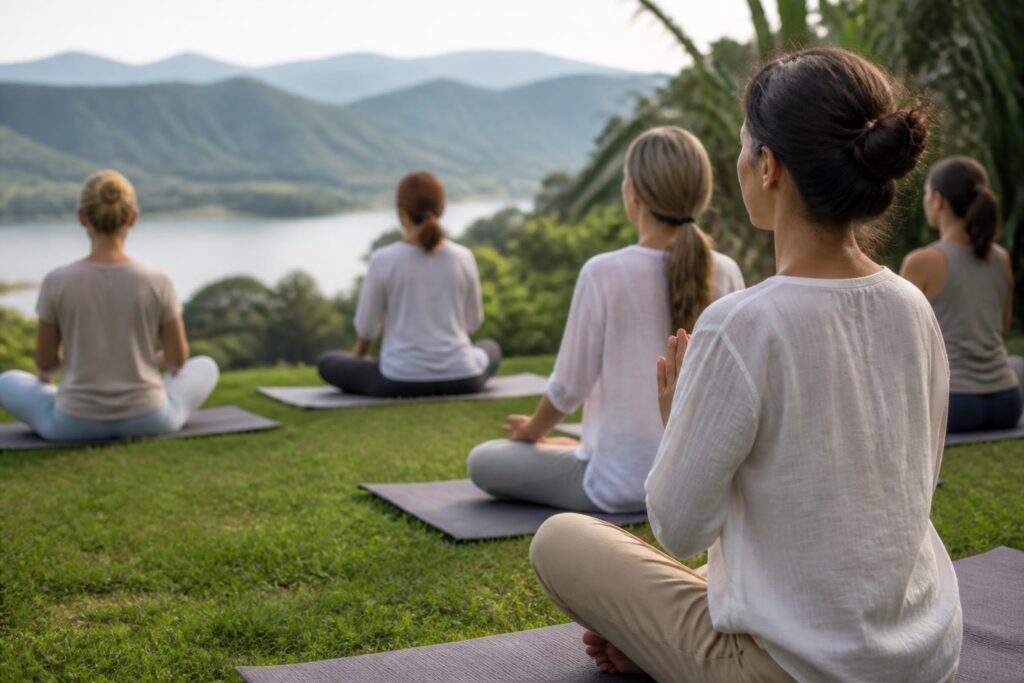
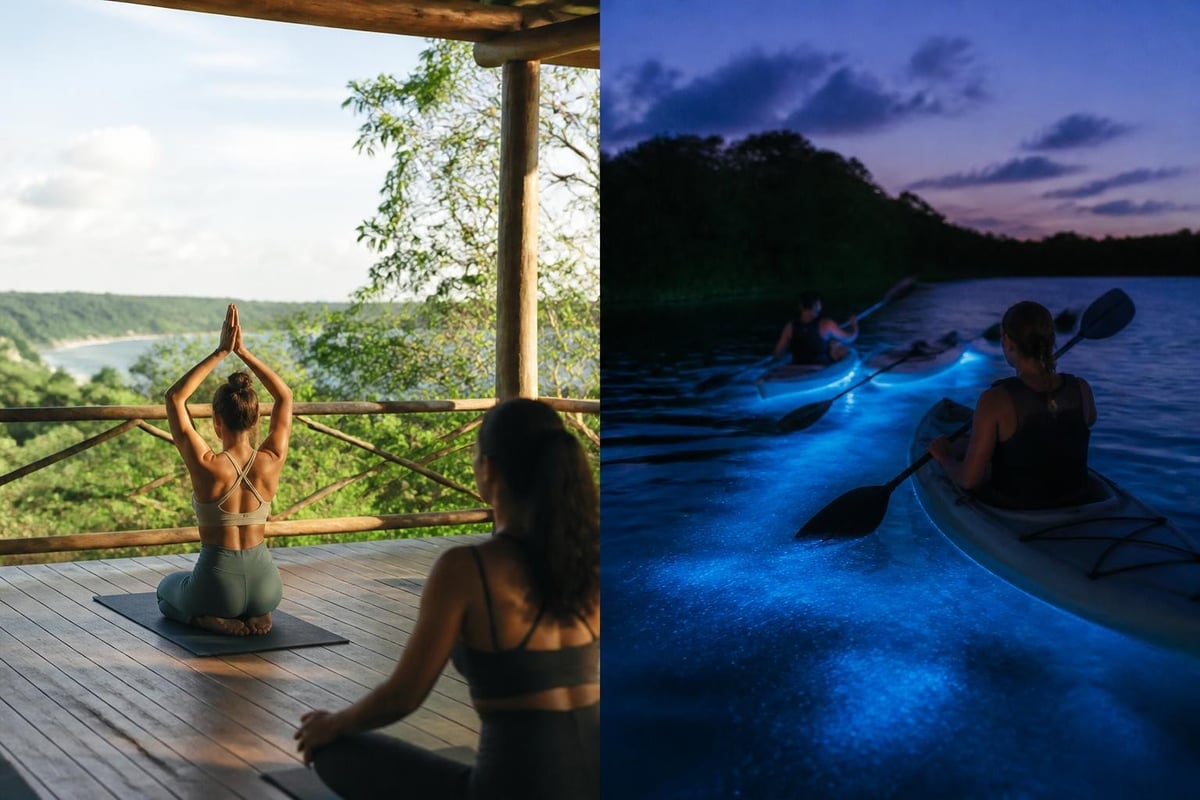
Many visitors incorporate bioluminescence tours into comprehensive wellness retreats that balance active adventure with restorative practices like yoga and meditation.
Bioluminescence tours work exceptionally well as evening activities within structured retreat programs. After daytime activities like jungle hikes and yoga sessions, an evening on glowing waters provides a memorable capstone experience that reinforces the retreat's focus on natural connection.
The Nicoya Blue Zone region offers unique advantages for wellness-oriented travelers, combining longevity-promoting lifestyle elements with access to extraordinary natural phenomena. Adventure-focused packages often feature bioluminescence tours alongside other signature Costa Rican experiences.
Responsible tourism practices ensure that bioluminescence remains accessible for future generations while protecting the delicate ecosystems that support these organisms. Understanding safety protocols and environmental guidelines helps visitors participate ethically in these tours.
Night kayaking and swimming require additional safety measures compared to daytime activities. Reputable tour operators provide comprehensive safety briefings, quality equipment, and experienced guides who monitor conditions throughout the tour.
Standard safety measures include:
Bioluminescent ecosystems are sensitive to human impact. Tour operators committed to sustainable practices limit group sizes, avoid touching or disturbing marine life, and educate guests about the organisms creating the light displays.
Sunscreen and insect repellent containing certain chemicals can harm dinoflagellates. Using reef-safe, biodegradable products or applying them hours before tours minimizes environmental impact. Some operators request that guests shower before entering bioluminescent waters to remove potential contaminants.
The quality of your bioluminescence tour costa rica experience depends heavily on operator expertise and commitment to guest satisfaction. Evaluating potential operators based on specific criteria helps ensure a safe, educational, and memorable experience.
| Factor | What to Look For | Red Flags |
|---|---|---|
| Experience | 5+ years operation, local knowledge | New operators, vague credentials |
| Group Size | 12 or fewer participants | Unlimited group sizes |
| Equipment | Well-maintained kayaks, quality life jackets | Old or damaged gear |
| Guides | Bilingual, naturalist training | Minimal training, poor communication |
| Reviews | Consistent positive feedback | Recent complaints, safety issues |
Detailed accounts from previous participants provide valuable insights into what different operators offer and how experiences vary across locations and seasons.
Before committing to a tour, prospective participants should inquire about weather cancellation policies, physical requirements, age restrictions, and what's included in the tour price. Understanding these details prevents disappointment and ensures proper preparation.
Essential booking questions:
Beyond the tour itself, several strategies can deepen your connection to the bioluminescence phenomenon and create a more comprehensive understanding of Costa Rica's coastal ecosystems.
Learning about dinoflagellates, ocean ecology, and the specific conditions that create optimal bioluminescence helps visitors appreciate what they're witnessing. Many tour operators provide educational materials or brief presentations before departure.
Understanding that you're observing a defense mechanism rather than deliberate communication from these organisms adds scientific context to the magical experience. The light serves to startle predators or attract predators of the organisms threatening the dinoflagellates.
Combining a bioluminescence tour costa rica adventure with daytime coastal activities provides fuller appreciation of the marine environment. Snorkeling, tide pool exploration, and beach walks during daylight hours reveal the ecosystem's complexity beyond the nighttime light show.
The Pacific coast of Costa Rica offers diverse experiences within short distances. Multi-day packages that include yoga and adventure activities allow visitors to experience various aspects of coastal life while maintaining a wellness focus.
While the basic phenomenon remains consistent across locations, each bioluminescence viewing area in Costa Rica offers distinct characteristics influenced by local geography, water conditions, and ecosystem dynamics.
The protected bays of the Nicoya Peninsula create consistently calm conditions ideal for kayaking. The region's status as a Blue Zone adds cultural richness to visits, allowing travelers to explore longevity-promoting lifestyle practices alongside natural wonders.
Water temperatures in the Nicoya region remain relatively stable year-round, supporting robust dinoflagellate populations. The combination of nutrient-rich waters and protected embayments creates conditions where bioluminescence displays can reach remarkable intensity.
Even within peak season, bioluminescence intensity fluctuates based on numerous environmental variables. Some nights produce subtle glows, while others create displays so bright they illuminate entire kayaks and surrounding water surfaces.
Factors affecting display intensity:
Experienced operators track these variables and communicate realistic expectations to guests. This transparency helps visitors appreciate whatever level of bioluminescence occurs during their specific tour.
Understanding the physical demands of different bioluminescence tour formats helps visitors select appropriate options based on fitness levels, age, and any mobility considerations.
Kayaking tours require moderate upper body strength and the ability to maintain paddling for extended periods. Most tours accommodate beginners with stable tandem kayaks and pace adjustments based on group capabilities. Swimming-focused experiences demand comfort in dark water and reasonable swimming proficiency.
Physical requirement breakdown:
Many operators set minimum age requirements between 6 and 12 years for kayaking tours, depending on whether tandem kayaks are available. Younger children may participate in boat-based tours where swimming isn't required. Safety and attention span considerations drive these policies.
Costa Rica's climate patterns significantly influence bioluminescence tour operations. Understanding regional weather helps visitors select optimal travel windows and prepare for possible schedule adjustments.
The dry season, spanning December through April, offers the most reliable conditions for bioluminescence viewing. Reduced cloud cover, calmer waters, and fewer weather cancellations make this period ideal for planning bioluminescence tour costa rica experiences.
However, the dry season also brings peak tourism periods. Booking tours well in advance ensures availability, particularly around major holidays and popular travel dates. Some operators offer early morning departures as alternatives to traditional evening tours during full moon periods.
While less predictable, the rainy season (May through November) can produce extraordinary bioluminescence displays. Afternoon rains often clear by evening, and the increased nutrient runoff can intensify plankton blooms. Flexible travelers willing to adjust schedules around weather find excellent value during this period.
Experiencing bioluminescence in Costa Rica's pristine coastal waters creates memories that resonate long after the glow fades. The combination of scientific wonder, physical engagement, and natural beauty offers transformative moments that align perfectly with wellness-focused travel. Whether you're seeking adventure, relaxation, or deeper connection with nature's mysteries, Soluna crafts bespoke retreats in the Nicoya Blue Zone that seamlessly integrate bioluminescence tours with yoga, jungle exploration, and personalized wellness experiences designed to help you disconnect from daily stress and reconnect with what matters most.