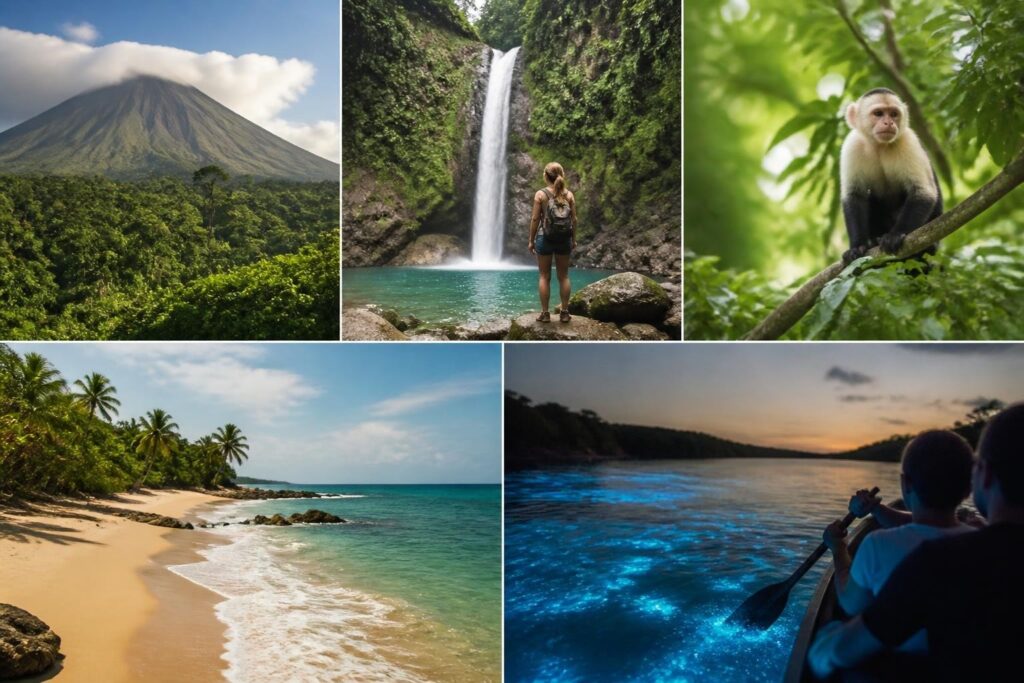
The nicoya peninsula blue zone stands as one of only five regions worldwide where people consistently live active lives well past 100 years. Located on Costa Rica's Pacific coast, this remarkable area has captured the attention of researchers, wellness seekers, and longevity experts who want to understand what makes this community so extraordinary. Unlike other Blue Zones scattered across the globe, the Nicoya Peninsula offers a unique combination of climate, culture, and lifestyle practices that contribute to not just longer lives, but healthier, more vibrant ones.
Blue Zones represent geographic regions where populations demonstrate exceptional longevity and lower rates of chronic disease. The concept was popularized by National Geographic fellow Dan Buettner, who identified five such regions globally.
The nicoya peninsula blue zone distinguishes itself through specific environmental and cultural factors. This 80-mile stretch of Costa Rican coastline maintains traditions that have remained largely unchanged for centuries, creating a living laboratory for longevity research.
Key characteristics of Blue Zones include:

What sets the nicoya peninsula blue zone apart involves both measurable health outcomes and cultural practices. Men in Nicoya have the lowest rates of middle-age mortality in the world, while women demonstrate exceptional bone density even in their 90s.
The region's volcanic soil contains high levels of calcium and magnesium, which enriches the local water supply. This mineral-rich water may contribute to stronger bones and cardiovascular health throughout life, offering a geographic advantage that complements lifestyle choices.
The traditional diet in the nicoya peninsula blue zone centers on what locals call "the three sisters": corn, beans, and squash. This combination provides complete proteins, essential amino acids, and sustained energy without relying on animal products as primary nutrition sources.
Corn tortillas made from nixtamalized corn (treated with lime) increase calcium bioavailability and provide B vitamins. Black beans contribute fiber, protein, and antioxidants. Squash adds vitamins A and C along with additional fiber.
| Food Category | Common Items | Nutritional Benefits |
|---|---|---|
| Grains | Corn tortillas, rice | Complex carbohydrates, B vitamins, calcium (when nixtamalized) |
| Legumes | Black beans, pinto beans | Complete proteins, fiber, iron, folate |
| Vegetables | Squash, peppers, tomatoes | Vitamins A, C, antioxidants, minerals |
| Fruits | Papaya, mango, citrus | Vitamin C, digestive enzymes, fiber |
| Proteins | Eggs, small portions of meat | Essential amino acids, vitamin B12 |
The traditional Nicoya diet emphasizes whole, minimally processed foods that maintain nutritional integrity. Meals are prepared at home using ingredients grown locally or regionally.
Residents of the nicoya peninsula blue zone typically consume their largest meal at midday. Breakfast often consists of gallo pinto (rice and beans) with eggs, while dinner remains light, usually finishing before sunset.
This eating pattern aligns with circadian rhythms, supporting better digestion and metabolic function. The practice of eating until 80% full, rather than complete satiation, helps maintain healthy weight throughout life.
Physical activity in the nicoya peninsula blue zone doesn't happen in gyms or structured exercise programs. Instead, movement integrates naturally into daily life through necessary activities.
Natural movement patterns include:
This constant, low-intensity movement maintains muscle mass, cardiovascular health, and joint flexibility without the stress of high-impact exercise. Research suggests that this integrated approach to physical activity contributes significantly to longevity outcomes.
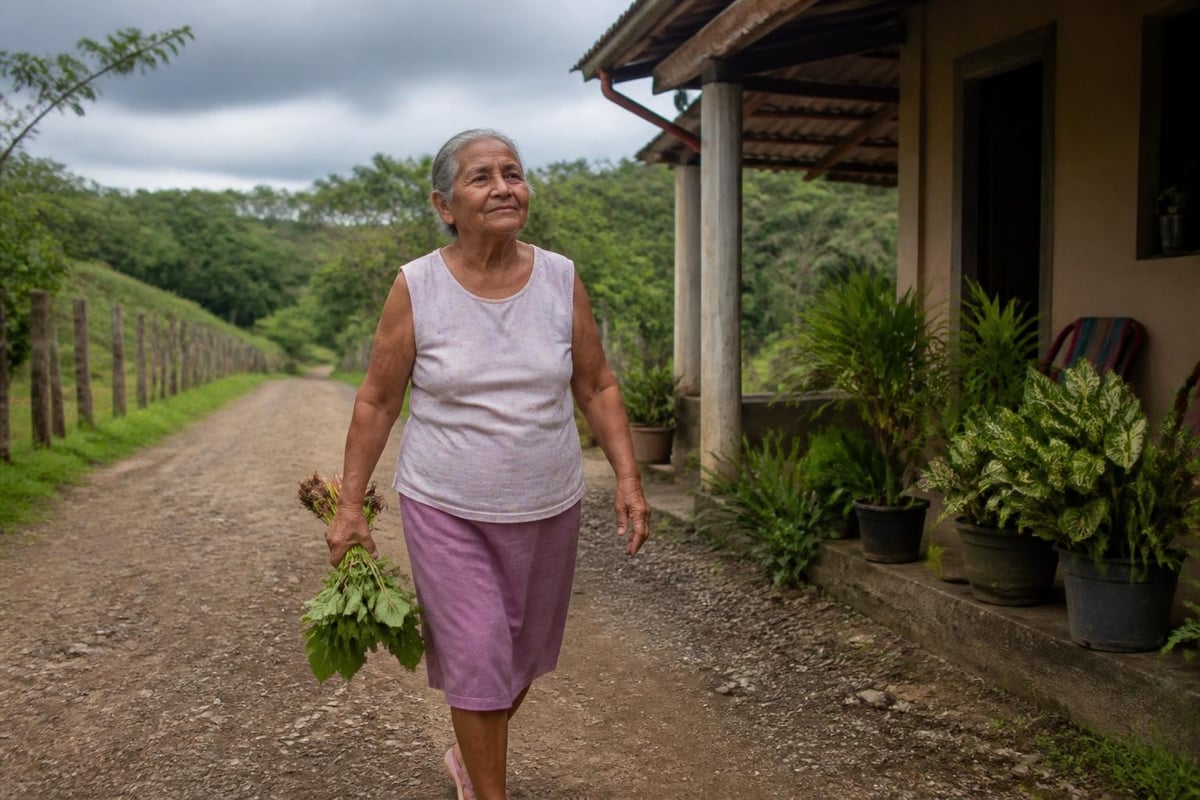
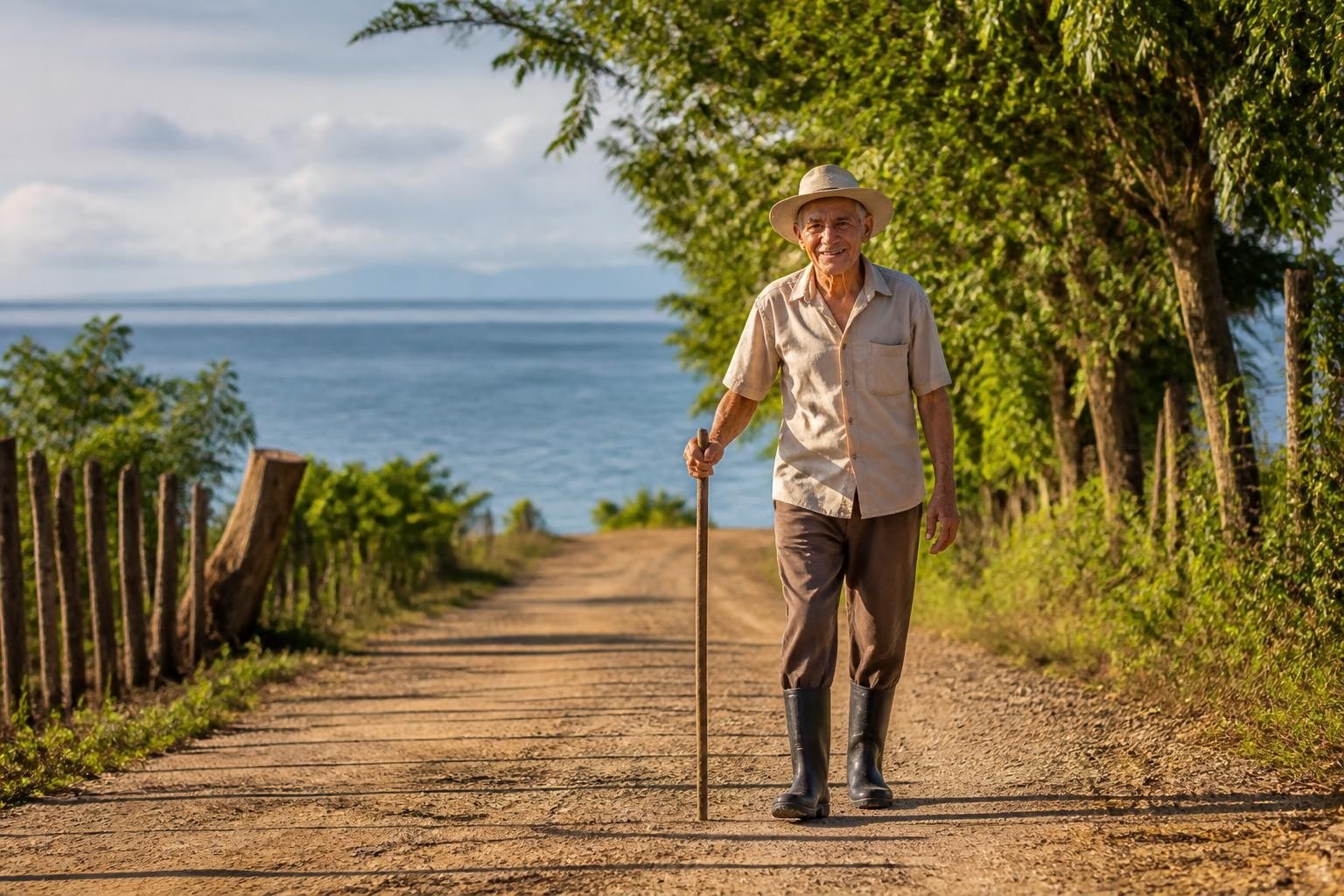
In the nicoya peninsula blue zone, residents maintain a strong sense of purpose well into their later years. The concept of "plan de vida" (life plan) gives people reasons to wake up each morning with intention and direction.
Elders remain active contributors to family and community life. Grandparents raise grandchildren, pass down traditional skills, and serve as respected advisors. This continued relevance prevents the social isolation that affects many aging populations in developed nations.
Family bonds in the nicoya peninsula blue zone create multi-generational households where elders live with or near their children and grandchildren. This arrangement provides practical support while maintaining social engagement and purpose.
Strong Catholic traditions provide structure, community, and meaning throughout life in the nicoya peninsula blue zone. Weekly church attendance, religious festivals, and daily prayer practices offer stress reduction and social connection simultaneously.
This spiritual dimension gives life events context and meaning, helping residents navigate challenges with resilience and acceptance.
The climate and natural environment of the nicoya peninsula blue zone contribute to year-round outdoor living. Consistent temperatures between 75-85°F encourage constant movement and vitamin D production through sun exposure.
| Environmental Factor | Health Impact |
|---|---|
| Mineral-rich water | Bone density, cardiovascular health |
| Year-round sunshine | Vitamin D production, mood regulation |
| Tropical biodiversity | Access to varied plant foods, herbal remedies |
| Ocean proximity | Fresh seafood, negative ions, stress reduction |
| Natural landscapes | Mental health benefits, outdoor activity encouragement |
The abundance of fresh water, fertile soil, and ocean resources means residents can access nutritious food without extensive processing or preservation. Gardens provide daily harvests of vegetables, while fruit trees offer year-round nutrition.
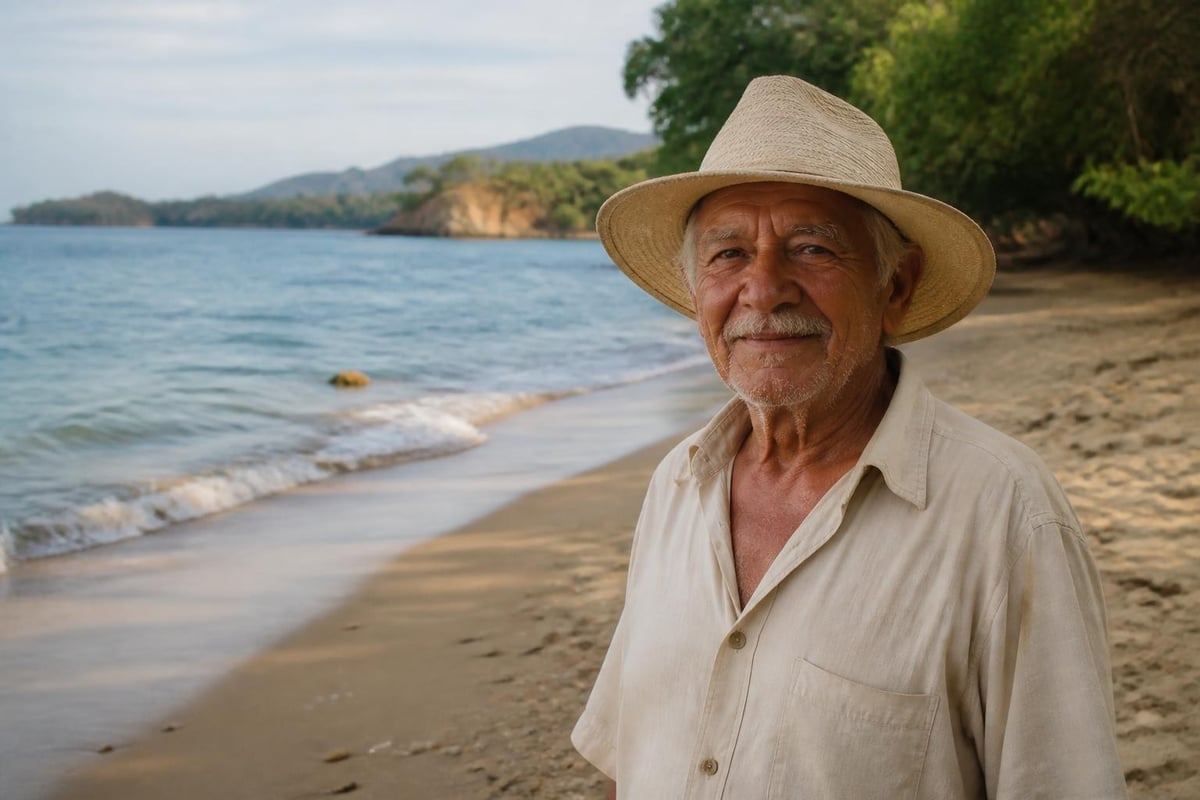
Work in the nicoya peninsula blue zone follows natural rhythms rather than industrial schedules. Agricultural work adapts to seasons, weather, and daylight hours. This flexibility reduces chronic stress while maintaining productivity.
Afternoon siestas provide rest during the hottest part of the day, supporting both physical recovery and mental clarity. Social time with neighbors and family members creates natural stress relief through laughter, conversation, and shared experiences.
Residents typically maintain consistent sleep schedules, rising with the sun and retiring shortly after dark. This pattern supports circadian rhythm regulation and hormone production essential for cellular repair.
Quality sleep combines with daily physical activity to promote recovery, immune function, and cognitive health throughout the lifespan.
Visitors to the nicoya peninsula blue zone can experience these longevity principles firsthand through immersive wellness experiences. Bespoke retreat offerings allow guests to disconnect from modern stressors while embracing traditional practices.
Practical applications include:
Experiencing the nicoya peninsula blue zone through guided wellness journeys provides direct exposure to longevity practices. Multi-day adventure packages combine yoga, jungle exploration, and cultural immersion with opportunities to observe and participate in traditional lifestyles.
These experiences offer more than vacation-they provide blueprints for sustainable lifestyle changes that support healthspan extension.
Local healers in the nicoya peninsula blue zone utilize plants, herbs, and natural remedies passed down through generations. This traditional knowledge complements modern healthcare while maintaining cultural continuity.
Common remedies include herbal teas for digestion, poultices for injuries, and plant-based treatments for common ailments. While not replacing medical care, these practices demonstrate the health benefits of biodiverse ecosystems and traditional ecological knowledge.
The nicoya peninsula blue zone demonstrates that longevity extends beyond physical health. Mental sharpness, emotional resilience, and psychological well-being remain high among centenarians in the region.
Contributing factors include:
The calcium and magnesium content in nicoya peninsula blue zone water supplies may play a crucial role in cardiovascular and bone health. Hard water provides these essential minerals with every drink, accumulating significant nutritional benefits over decades.
This geological advantage combines with hydration practices that prioritize water over sugary beverages, supporting metabolic health and reducing chronic disease risk.
Low exposure to environmental toxins characterizes life in the nicoya peninsula blue zone. Limited industrial pollution, minimal processed food consumption, and traditional building materials reduce toxic burden on the body.
This cleaner environment allows natural detoxification systems to function optimally, reducing inflammation and cellular damage that accelerate aging.
The nicoya peninsula blue zone offers evidence-based insights for anyone seeking to enhance longevity and quality of life. Rather than requiring radical lifestyle overhauls, the Blue Zone approach emphasizes sustainable, culturally rooted practices.
Key takeaways include:
Visitors exploring wellness-focused experiences in Costa Rica gain direct access to these principles through immersive programs that demonstrate their practical application.
As modernization reaches even remote areas, preserving the traditional practices that define the nicoya peninsula blue zone becomes increasingly important. Researchers continue studying the region to understand genetic, environmental, and cultural factors contributing to exceptional longevity.
Efforts to document traditional diets, movement patterns, and social structures ensure this knowledge remains available for future generations. The challenge lies in maintaining these practices while providing access to modern healthcare, education, and economic opportunities.
Thoughtfully designed wellness tourism can support local economies while preserving traditional lifestyles. When visitors engage respectfully with communities, learning from rather than exploiting cultural practices, tourism becomes a preservation tool.
The nicoya peninsula blue zone benefits when visitors appreciate and support traditional agriculture, crafts, and knowledge systems. This economic incentive helps younger generations value ancestral wisdom rather than abandoning it for urban opportunities.
The nicoya peninsula blue zone demonstrates that longevity stems from integrated lifestyle practices rather than single interventions or quick fixes. By embracing natural movement, plant-based nutrition, strong social bonds, and purposeful living, residents achieve not just longer lives but better ones. If you're ready to experience these longevity principles firsthand, Soluna offers private wellness retreats designed to immerse you in Blue Zone wisdom through yoga, adventure activities, and authentic Costa Rican experiences that reconnect you with the fundamentals of vibrant health.