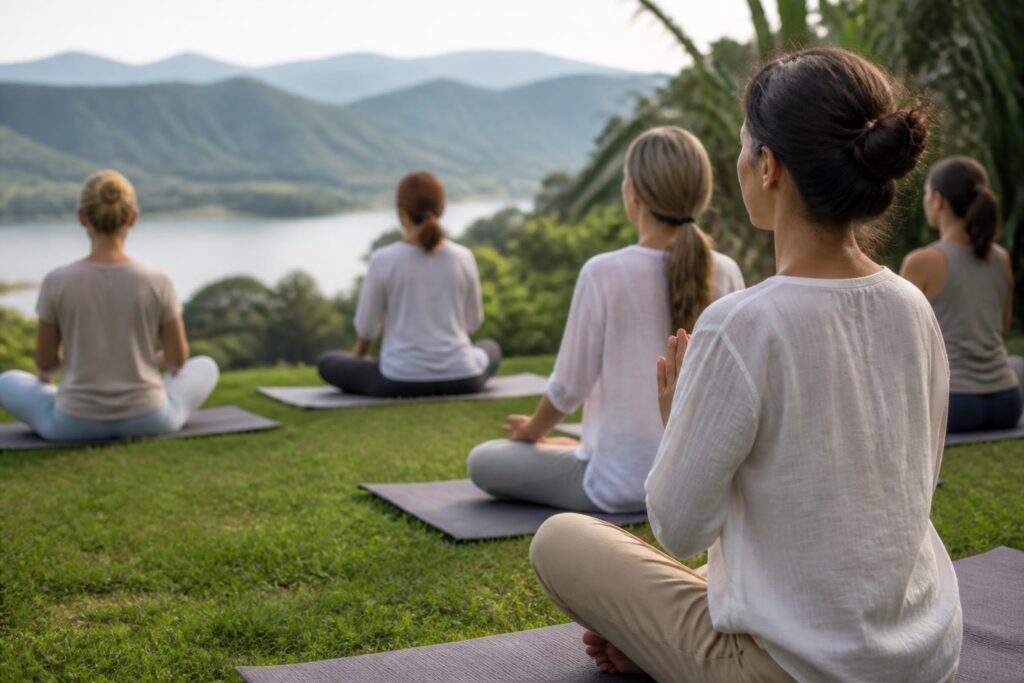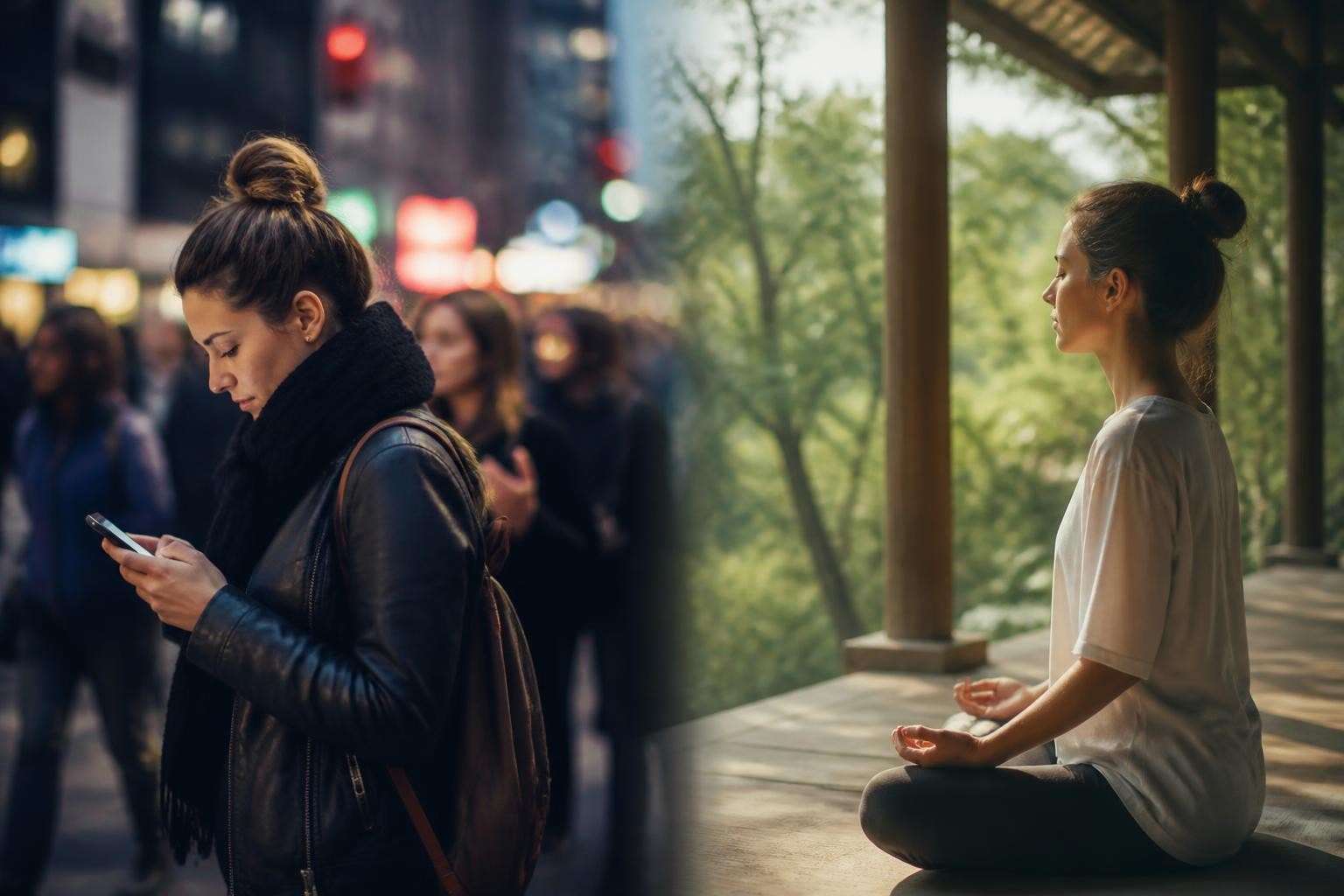
Searching for a silent meditation retreat near me has become one of the most popular wellness queries in 2026, reflecting our collective need to disconnect from constant digital stimulation and reconnect with inner stillness. Whether you're experiencing burnout, seeking spiritual growth, or simply craving a break from the noise of modern life, a silent retreat offers a unique opportunity to reset your mind and body. These immersive experiences range from weekend introductions to week-long deep dives, each designed to help participants cultivate presence, awareness, and profound mental clarity through the practice of noble silence.
A silent meditation retreat near me offers far more than just a break from talking. The practice of maintaining silence, often called Noble Silence, extends beyond verbal communication to include limiting eye contact, gestures, reading, writing, and all forms of external distraction. This comprehensive approach to stillness creates the conditions for genuine introspection and mental renewal.
Research has demonstrated compelling evidence for the benefits of meditation retreats. Studies examining traditional meditation retreats have shown moderate to significant improvements in psychological outcomes, including reduced anxiety, enhanced emotional regulation, and increased mindfulness capacity. These findings validate what practitioners have known for centuries: dedicated time in silence fundamentally shifts our relationship with thoughts, emotions, and stress.
The neurological benefits extend beyond the retreat itself. Participants often report lasting changes in their stress response patterns, improved focus, and greater emotional resilience weeks and months after returning home.
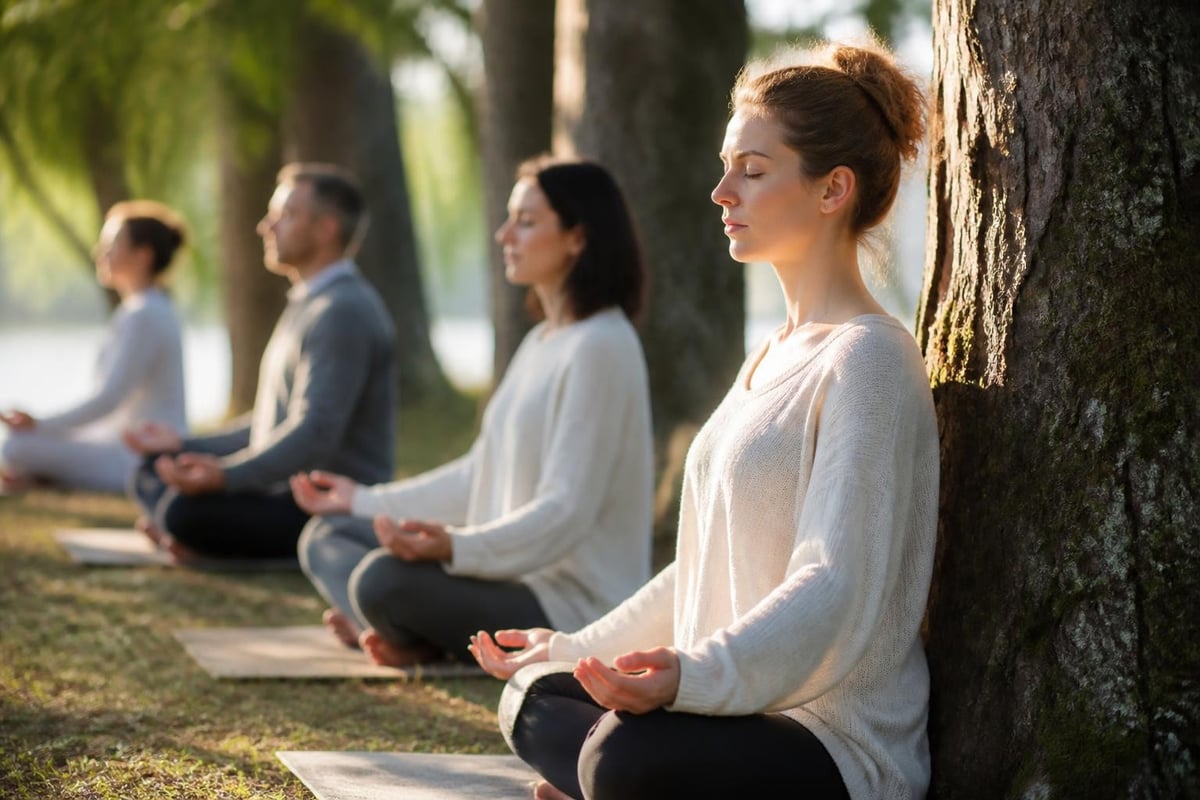
When searching for a silent meditation retreat near me, you'll encounter several distinct approaches, each with its own philosophy and methodology.
| Retreat Type | Duration | Primary Focus | Intensity Level |
|---|---|---|---|
| Vipassana | 10 days | Insight meditation, body scanning | High |
| Zen Sesshin | 3-7 days | Zazen practice, mindful work | High |
| Mindfulness-Based | 5-7 days | Present-moment awareness | Moderate |
| Nature-Integrated | 3-7 days | Meditation combined with natural settings | Moderate |
| Bespoke Wellness | 3-14 days | Customized silent practice with movement | Flexible |
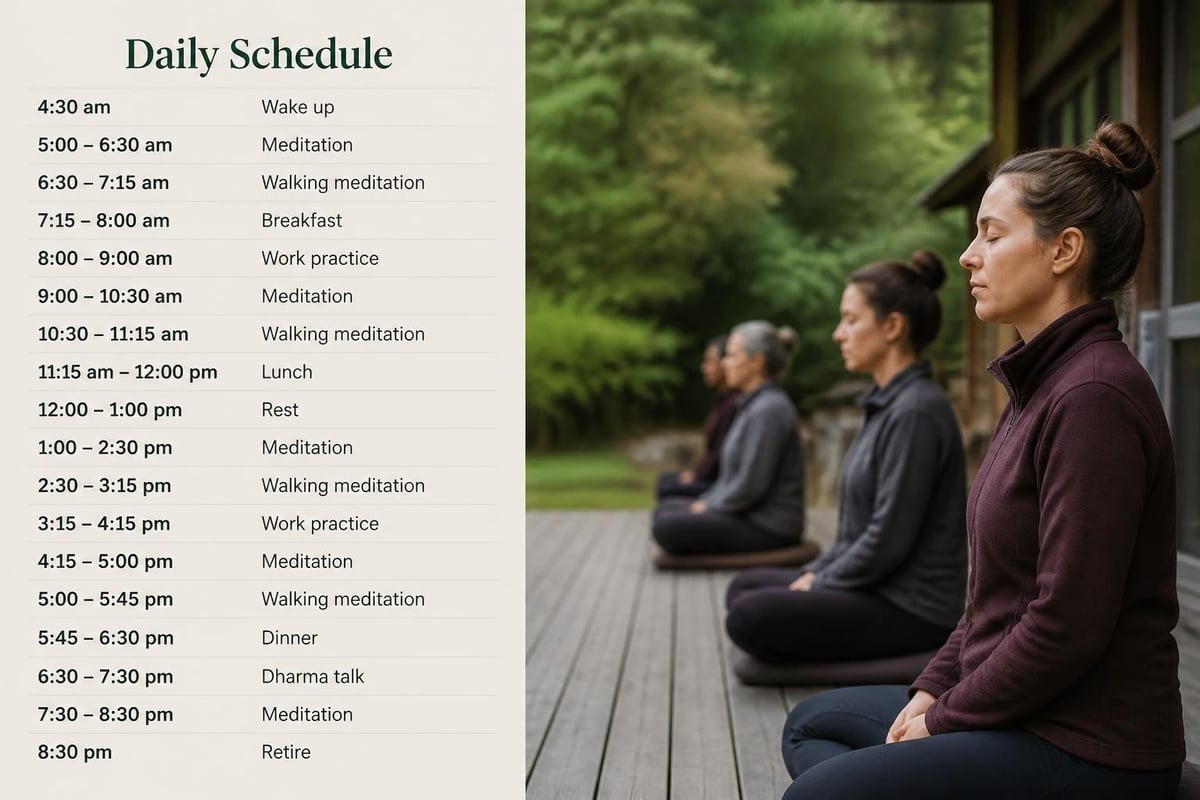
Vipassana retreats follow the strictest traditional format, typically requiring ten days of complete silence with meditation sessions beginning at 4:30 AM. These intensive experiences demand significant commitment but offer profound insights into the nature of mind and reality.
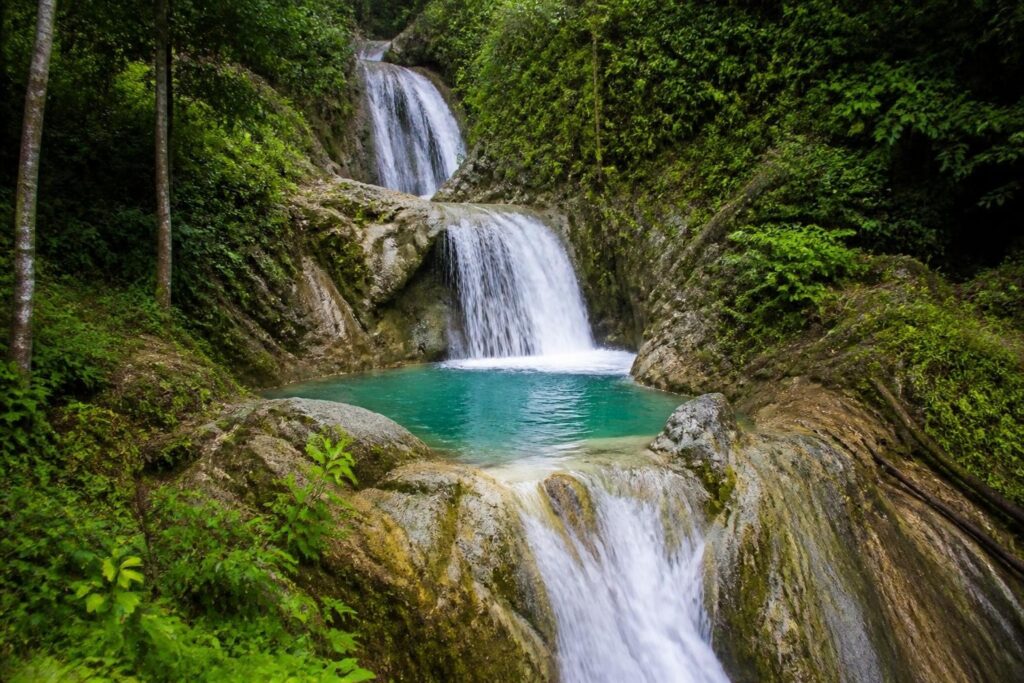
Nature-integrated silent retreats combine meditation practice with the healing properties of natural environments. Locations like Costa Rica’s Nicoya Blue Zone offer unique advantages, where the longevity-promoting lifestyle of Blue Zones merges with dedicated silence practice.
Consider your current meditation experience when selecting a silent meditation retreat near me. First-time participants often benefit from shorter retreats (3-5 days) that incorporate gentle guidance and structured support. These introductory experiences provide the essential framework without overwhelming beginners.
Experienced practitioners may seek longer, more intensive formats that allow deeper states of concentration and insight. The key is matching the retreat structure to your current capacity while allowing for meaningful growth.
Preparation significantly influences your retreat experience. Developing a foundation before attending helps you navigate the challenges of extended silence with greater ease and benefit.
Start establishing a daily meditation routine at least four weeks before your retreat. Begin with just ten minutes daily, gradually increasing to 30-45 minutes as the retreat date approaches. This progressive approach builds the mental stamina required for multiple hours of daily practice.
Key preparation practices include:
Creating small moments of silence in your daily routine helps acclimate your nervous system to stillness. Try silent walks, eating a meal without devices, or dedicating your commute to awareness practice rather than podcasts or music.
Your physical preparation matters as much as your mental readiness. Most silent retreats involve extended periods of sitting, so building comfort in meditation postures prevents unnecessary pain and distraction.
Practice sitting on both cushions and chairs to determine which works best for your body. Invest in comfortable, loose-fitting clothing that allows unrestricted breathing and movement. Natural fabrics work best in various climates and won't distract with synthetic textures.
Understanding the typical structure helps ease anxiety about your first silent meditation retreat near me. While specific schedules vary by tradition and location, most retreats follow a consistent framework designed to maximize practice opportunities.
A standard retreat day begins early, often between 4:30 and 6:00 AM. Morning meditation sessions capitalize on the mind's natural clarity after sleep and before the day's activities generate mental momentum.
Typical daily rhythm:
The first two to three days typically present the greatest challenges. Your mind, unaccustomed to such sustained inward focus, may generate intense restlessness, boredom, or emotional volatility. This is completely normal and represents the mind processing stored stress and stimulation.
Common experiences include racing thoughts, emotional releases, physical discomfort, and powerful resistance to continuing. Personal accounts from experienced practitioners reveal that these difficulties often transform into profound breakthroughs by day four or five.
The environment where you practice significantly influences your retreat experience. Natural settings provide unique advantages for a silent meditation retreat near me, offering sensory richness that supports rather than distracts from awareness.
Costa Rica's Nicoya Peninsula, recognized as one of the world's five Blue Zones where people live measurably longer, healthier lives, provides an ideal setting for combining silence with wellness. The region's emphasis on pura vida (pure life) naturally aligns with retreat values of simplicity, presence, and connection to nature.
Wellness retreats in this region often incorporate elements that complement silent practice, including jungle settings that reduce cortisol levels, ocean sounds that promote alpha brain waves, and pristine air quality that enhances breathing meditation.
While traditional silent retreats maintain rigid schedules, more flexible approaches recognize that different individuals thrive under varied conditions. Bespoke retreat formats allow participants to customize their silent practice intensity while incorporating complementary wellness activities.
This personalized approach might include:
Finding the right silent meditation retreat near me requires evaluating several practical factors beyond meditation style and location.
| Duration | Best For | Considerations |
|---|---|---|
| Weekend (2-3 days) | First-timers, busy professionals | Shorter introduction, less depth |
| Week-long (5-7 days) | Serious practitioners, moderate experience | Balanced duration for transformation |
| Extended (10+ days) | Experienced meditators | Deep practice, significant time commitment |
Consider your work obligations, family responsibilities, and financial capacity when selecting duration. A quality shorter retreat often provides more benefit than a longer retreat you attend with resentment about time away.
Retreat settings range from rustic shared dormitories to private rooms with dedicated spaces for personal practice. Your accommodation preference depends on your comfort needs and budget constraints.
Shared spaces foster a sense of community and often cost less, but may present challenges if you're sensitive to noise or need private processing time. Private accommodations allow greater autonomy over your schedule and environment but typically require higher investment.
The quality of instruction dramatically impacts your retreat outcome. Research the background, training lineage, and teaching experience of retreat leaders. Experienced teachers provide crucial guidance when you encounter difficult mental states or physical discomfort.
Look for retreats offering individual check-ins or optional guidance sessions where you can privately discuss your experience despite the general silence rule. This support structure helps prevent overwhelm and ensures you're practicing safely and effectively.
The days immediately following your silent meditation retreat near me are crucial for integration. Many participants experience a "retreat high" where everything feels more vivid, peaceful, and meaningful. Understanding how to sustain these benefits requires intentional planning.
Preparing for your return should begin before you leave for the retreat. Schedule at least one buffer day between returning home and resuming full work responsibilities. This transition period allows you to gradually reintroduce speech, technology, and social interaction.
Post-retreat integration practices:
Research shows that the benefits of meditation retreats extend well beyond the event itself, but only when participants maintain consistent practice afterward. Commit to a realistic daily meditation duration based on your actual schedule, not an idealized version.
Start with a minimum viable commitment that you can absolutely maintain, even on your busiest days. Twenty minutes daily that you actually do outweighs an hour daily that remains aspirational. Build from this foundation as your motivation and capacity grow.
When searching for a silent meditation retreat near me, prioritize authenticity and alignment with your values over convenience or marketing appeal. The most transformative retreats often occur in settings that remove you from familiar patterns and environments.
Authentic retreats maintain clear lineages to established meditation traditions while potentially adapting surface elements to contemporary needs. Be cautious of retreats that seem to cherry-pick appealing aspects while avoiding the challenging core practices that generate real transformation.
Understanding what constitutes a genuine silent retreat experience helps you distinguish substantive offerings from wellness tourism that appropriates meditation language without depth.
Consider whether the retreat includes experienced teachers, maintains ethical guidelines, offers sliding-scale pricing to ensure accessibility, and demonstrates commitment to the tradition beyond commercial interests.
Traveling to a dedicated retreat location, particularly in nature-rich environments, provides advantages that local urban retreats cannot match. The physical journey to a distant location symbolically reinforces your commitment to personal transformation.
Natural settings like rainforest environments offer sensory experiences that complement meditation practice. Bird songs, ocean waves, and rustling leaves provide natural soundscapes that support concentration without mechanical artificiality.
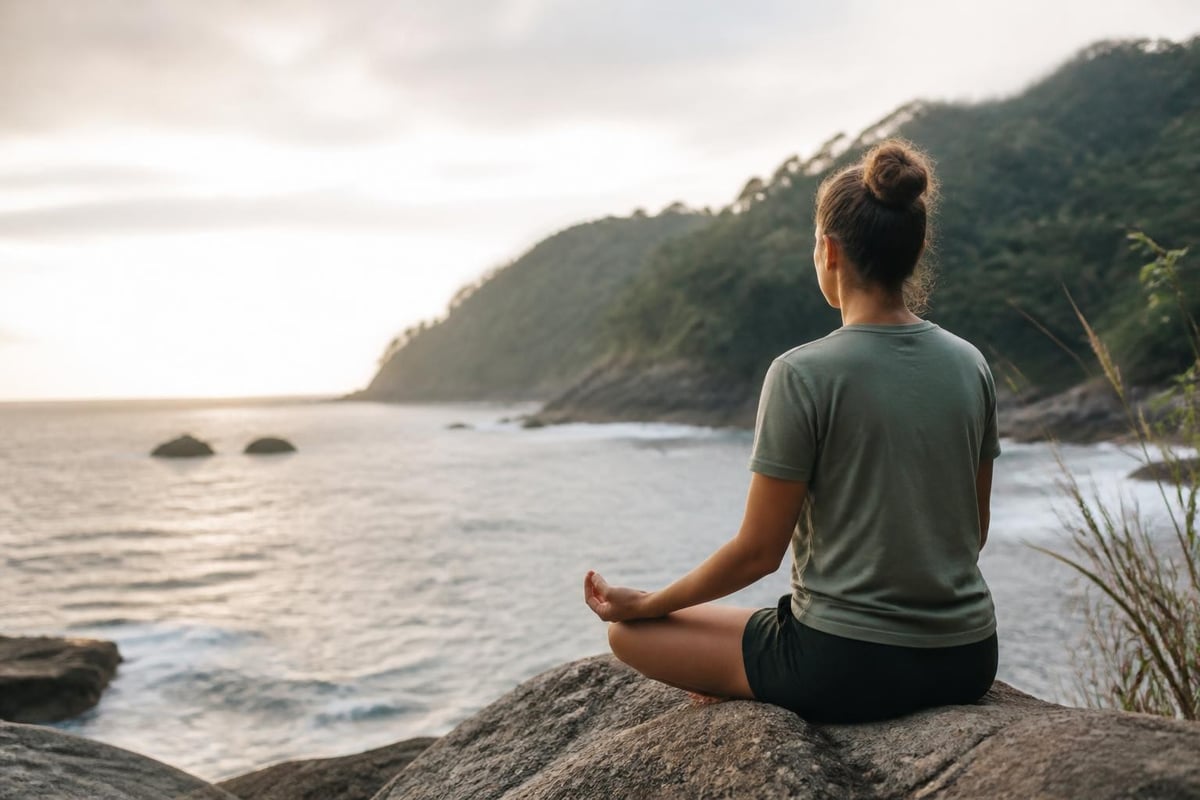
Many people hesitate to commit to a silent meditation retreat near me due to understandable concerns and misconceptions about what the experience entails.
This concern is nearly universal among first-time retreat participants. The truth is that most people cannot sit still for extended periods when they begin. Retreats accommodate this reality through walking meditation, mindful work periods, and guidance on adjusting postures.
Physical discomfort is acknowledged and worked with as part of practice, not something to be eliminated. Teachers provide modifications, postural adjustments, and encouragement to help you develop capacity gradually rather than forcing impossible positions.
Ironically, people with the busiest minds often benefit most from silent retreats. The practice isn't about stopping thoughts but changing your relationship to them. A busy mind provides rich material for developing awareness and equanimity.
Retreats create structured conditions specifically designed to work with mental agitation. The extended duration allows your nervous system to gradually downregulate from habitual overstimulation, a process that requires days rather than hours.
Legitimate concerns about family emergencies or urgent responsibilities can be addressed while maintaining the retreat's integrity. Most retreat centers allow you to leave emergency contact information with staff who will reach you if truly necessary.
The question to examine is whether constant availability actually serves your relationships and responsibilities or simply feeds anxiety and control patterns. What you pack for a retreat should reflect a genuine willingness to temporarily release routine obligations.
Not every silent meditation retreat near me follows the same rigid format. Contemporary approaches recognize that different individuals benefit from varied structures that honor core silence principles while adapting surface elements.
Some wellness retreats incorporate periods of silence within a broader program that includes movement practices, nature immersion, and selective social interaction. This approach works well for individuals new to intensive practice or those seeking balance between inward focus and active engagement.
A typical hybrid structure might include morning silence until noon, allowing for deep meditation and contemplative breakfast, followed by afternoon activities like yoga, hiking, or creative expression, then returning to silence for dinner and evening practice.
Choosing between group retreats and private experiences depends on your personality and practice goals. Group retreats provide structure, community energy, and often lower costs through shared resources.
Private or small-group retreats offer customization, flexibility, and deeper teacher interaction. These bespoke experiences can adjust the silence intensity, meditation style, and daily schedule to match your evolving needs throughout the retreat.
If you've completed multiple silent retreats, you may seek deeper challenges and refinements to your practice. Advanced retreats often extend duration, intensify the schedule, or incorporate specialized techniques.
Moving from week-long to month-long retreats represents a significant leap in commitment and depth. These extended periods allow practitioners to move beyond surface mental clearing into profound states of concentration and insight rarely accessible in shorter formats.
The first ten days often mirror patterns from previous week-long retreats. Real transformation frequently begins in the second and third weeks when the mind finally exhausts its habitual patterns and opens to genuinely new territory.
Advanced retreats might focus on specific practices like:
These specialized approaches assume solid foundational practice and benefit from experienced teacher guidance to navigate the unique challenges they present.
Finding the right silent meditation retreat near me requires careful consideration of your experience level, personal needs, and the authentic depth of the program you choose. The investment of time and energy pays dividends in mental clarity, emotional resilience, and a fundamentally transformed relationship with your inner life. Soluna offers a unique opportunity to experience silence within Costa Rica's Nicoya Blue Zone, combining meditation practice with the natural healing properties of rainforest settings, pristine beaches, and the longevity-promoting lifestyle of one of Earth's healthiest regions.