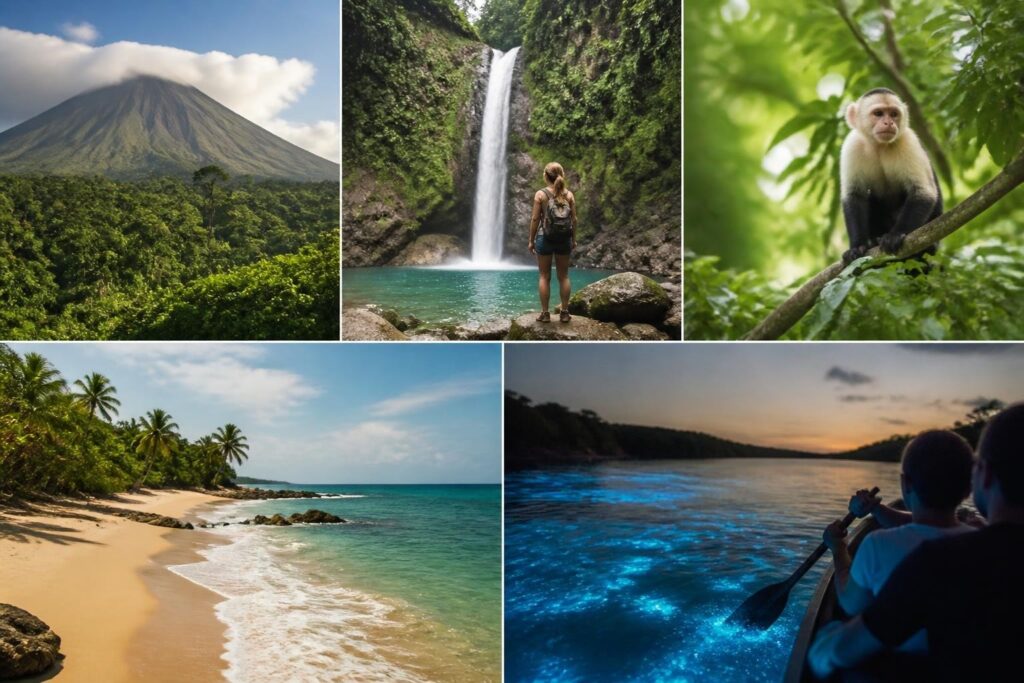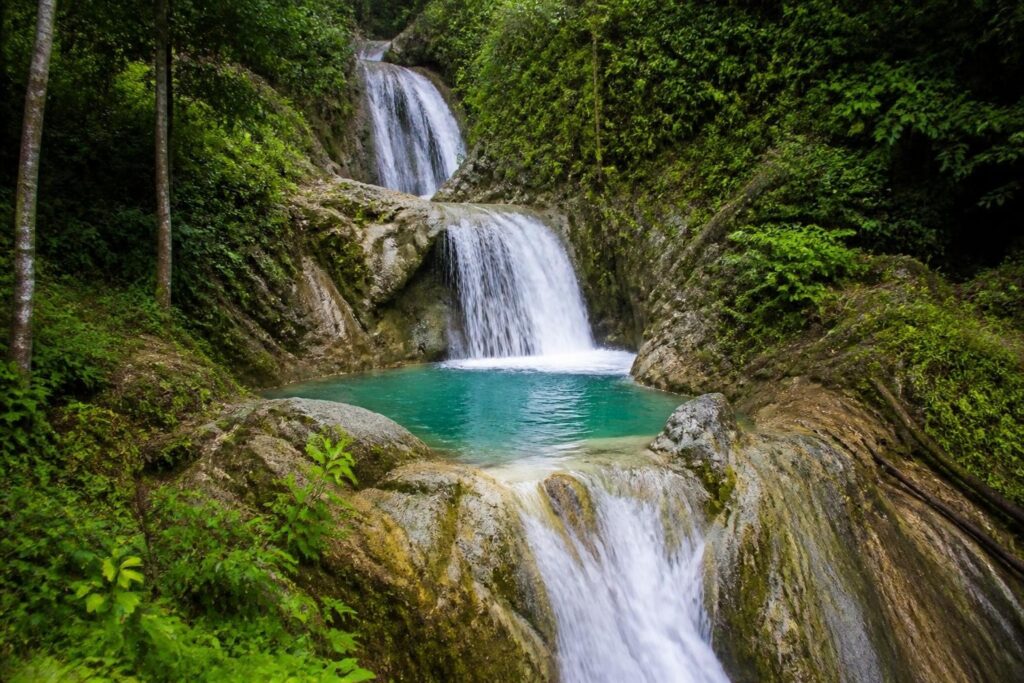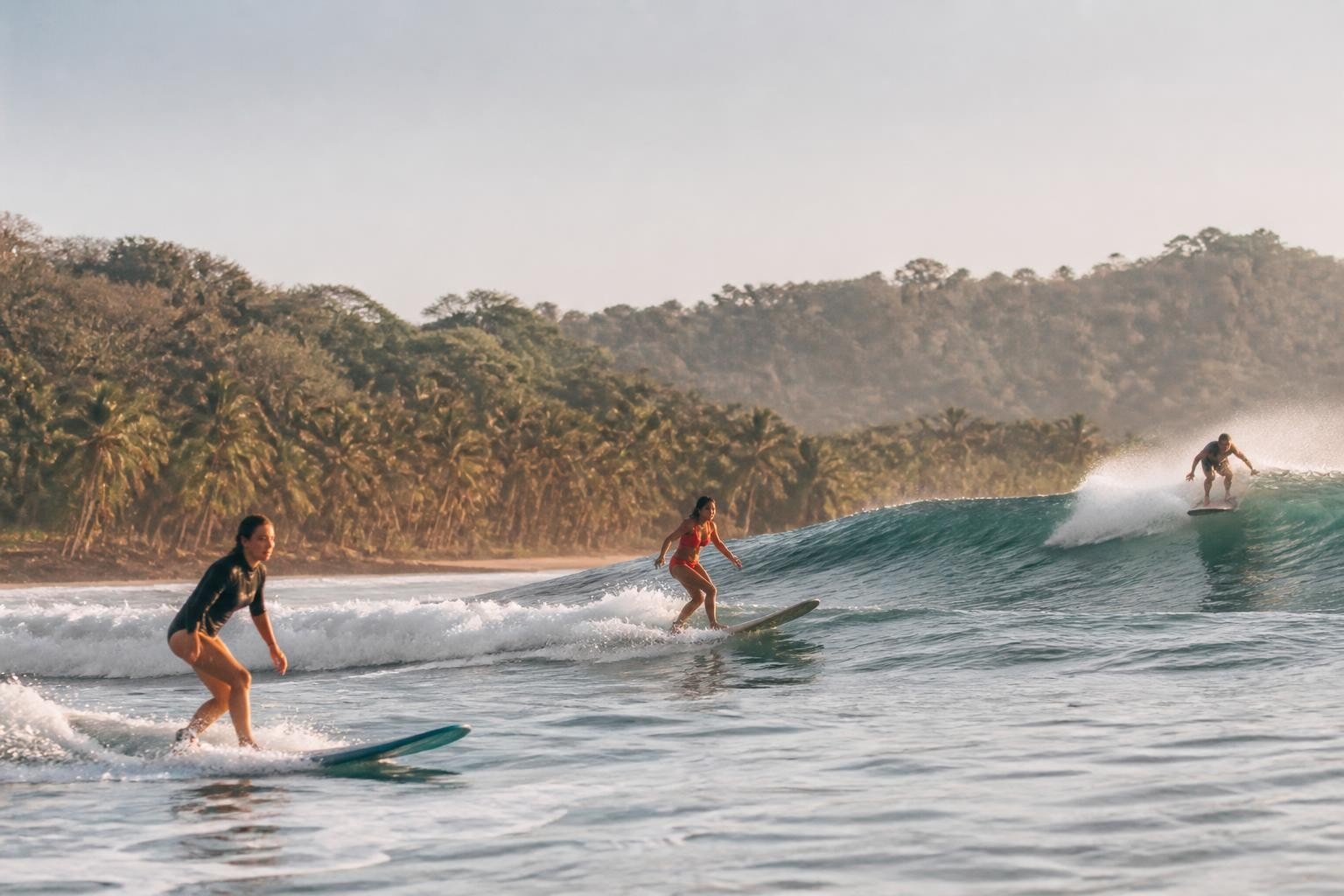
The southwestern tip of Costa Rica's Nicoya Peninsula holds a magnetic appeal for surfers seeking consistent waves, warm water, and an authentic beach town atmosphere. Santa teresa surfing costa rica has evolved from a hidden gem into a world-renowned destination where powder-soft beaches meet powerful Pacific swells. This coastal stretch offers remarkable wave diversity, making it equally welcoming to first-timers paddling out nervously and seasoned surfers hunting for barrel sections. Beyond the surf, the surrounding region forms part of the Nicoya Blue Zone, where wellness traditions and natural beauty create an environment that nourishes both body and spirit.
Santa Teresa comprises several distinct beach sections, each offering unique wave characteristics that cater to different skill levels and preferences. The coastline stretches approximately six kilometers, with Playa Carmen in the north transitioning into Playa Santa Teresa, followed by Playa Hermosa to the south.
Playa Carmen features gentler beach breaks ideal for beginners and longboarders. The sandy bottom creates forgiving waves that reform consistently, allowing newcomers to practice pop-ups and basic maneuvers without intimidating power. During lower tides, the waves here become particularly manageable for first-time surfers.
The central section of Playa Santa Teresa delivers the most versatile conditions. Several reef and point breaks emerge during different tide stages, offering right and left-hand waves that can hold size during significant swells. Local surfers congregate at these spots during prime conditions, creating a vibrant lineup atmosphere.
| Surf Spot | Wave Type | Skill Level | Best Tide | Peak Season |
|---|---|---|---|---|
| Playa Carmen | Beach break | Beginner-Intermediate | Low to mid | May-November |
| Santa Teresa Main | Mixed reef/beach | Intermediate-Advanced | Mid to high | April-October |
| Playa Hermosa | Point break | Advanced | Low to mid | May-September |
| Manzanillo | Reef break | Advanced | Mid to high | June-August |
Playa Hermosa, located south of the main town area, presents more challenging conditions with a rocky point that produces powerful, hollow waves during optimal swells. This spot demands respect and experience, particularly during larger south swells when wave faces can exceed overhead height. The detailed breakdown of Santa Teresa’s surf breaks helps surfers identify which spots match their current abilities.
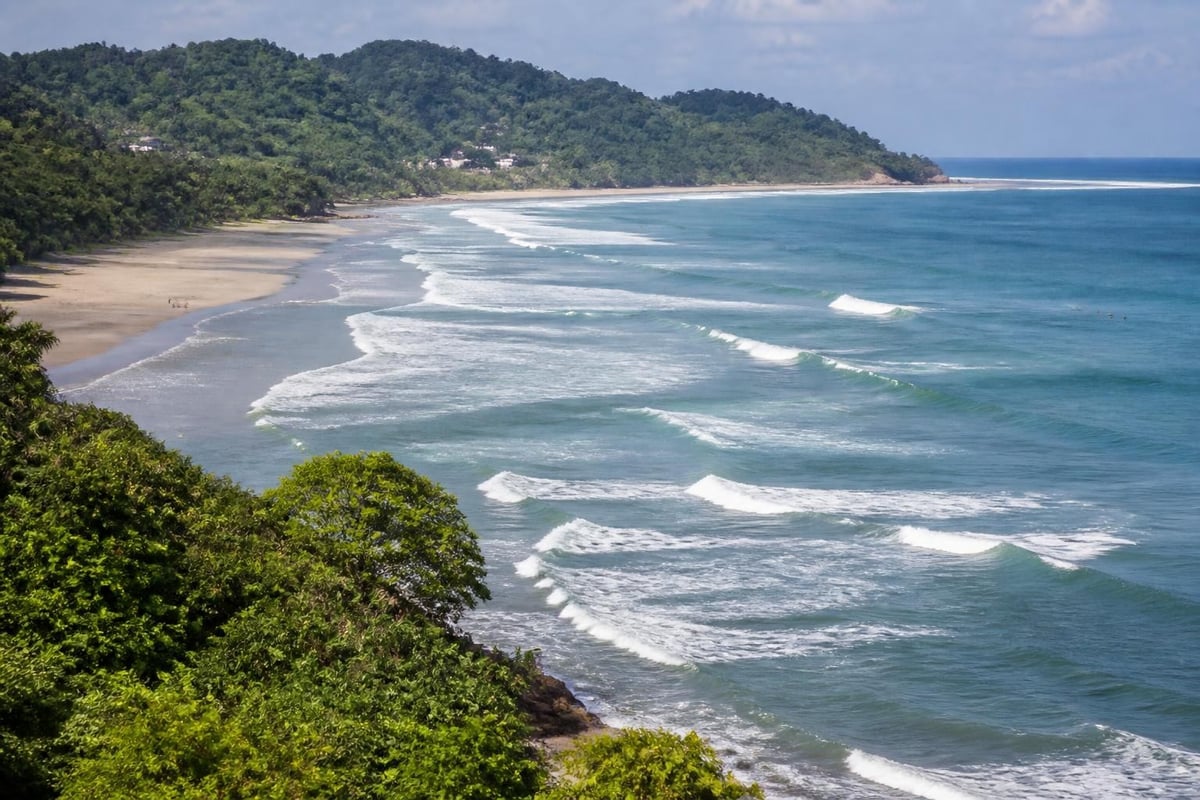
Santa teresa surfing costa rica benefits from two distinct swell seasons that create year-round surfing opportunities. The wet season, spanning May through November, brings consistent south and southwest swells from Southern Hemisphere storms. These swells generate the most powerful and consistent waves, with June through August representing peak surf season.
Wet Season Advantages:
The dry season from December through April sees smaller but cleaner conditions. North swells and groundswells arrive less frequently but produce excellent quality waves when they materialize. This period attracts more visitors seeking sunshine and predictable weather, creating busier lineups at popular breaks.
Morning sessions deliver the cleanest conditions throughout the year. Offshore or light winds prevail at dawn, creating glassy wave faces that showcase Santa Teresa's natural wave quality. By mid-morning, thermal heating typically generates onshore breezes that can texture the water surface and reduce wave quality.
Tide changes significantly impact which breaks work best. Lower tides expose reef structures and create faster, hollower waves suited for experienced surfers. Higher tides soften the breaks, making them more forgiving for learners while reducing the intensity at advanced spots. Understanding these surf seasons and optimal timing maximizes wave quality during your visit.
The abundance of beginner-friendly waves makes santa teresa surfing costa rica an exceptional destination for first-time surfers. Numerous surf schools operate along the coastline, providing instruction, equipment rentals, and ocean safety education. Most schools position themselves near Playa Carmen, where gentle waves create ideal learning conditions.
A typical beginner lesson spans two to three hours and includes:
The warm water temperature eliminates wetsuit requirements, allowing unrestricted movement that accelerates the learning process. Sandy bottoms provide soft landings during inevitable wipeouts, reducing injury risk and building confidence more quickly than rocky or reef environments.
After mastering basic wave riding at Playa Carmen, intermediate surfers naturally progress toward the central Santa Teresa breaks. These spots introduce steeper takeoffs, faster wave sections, and more critical positioning requirements. The transition challenges developing surfers to refine their techniques while still offering forgiving sections that allow recovery from mistakes.
For those beginning their surfing journey, the combination of quality instruction and ideal wave conditions creates rapid skill development. Many visitors experience standing on waves during their first session, building momentum that carries through subsequent days.
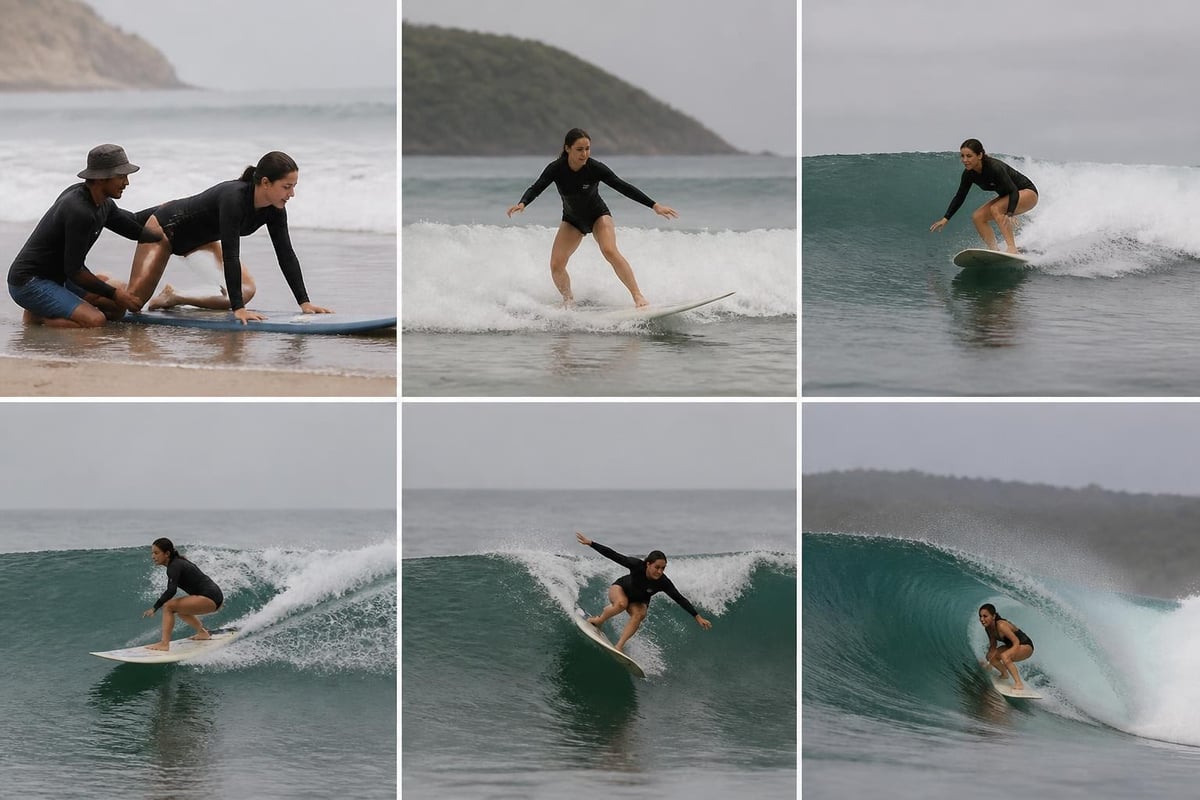
Choosing appropriate surfboard dimensions dramatically impacts success rates, particularly for beginners and intermediate surfers. Santa Teresa's rental shops stock extensive inventories spanning soft-top foam boards, fiberglass longboards, funboards, and performance shortboards.
Recommended Board Types by Experience:
Most rental operations offer daily and weekly rates, with weekly rentals providing significant cost savings for extended stays. Daily rates typically range from $15-25 depending on board quality and type, while weekly rentals average $70-120.
The tropical sun delivers intense UV radiation that can cause severe burns within 30 minutes of exposure. Reef-safe sunscreen rated SPF 50 or higher protects skin while preserving marine ecosystems. Apply liberally and reapply after each session.
Additional recommended items include:
The santa teresa surfing costa rica scene embraces an inclusive, laid-back atmosphere where experienced locals welcome newcomers who demonstrate respect and proper etiquette. Unlike some territorial surf destinations, Santa Teresa's multiple breaks disperse crowds and reduce lineup tensions.
Standard surf etiquette applies universally:
The town's bohemian vibe extends beyond the water, creating a wellness-focused community centered on healthy living, yoga practice, and connection with nature. This atmosphere attracts individuals seeking holistic health experiences that combine physical activity with mental restoration.
Santa Teresa's location within the Nicoya Blue Zone provides unique wellness advantages. The region's longevity secrets-including fresh, nutrient-dense foods, strong community connections, and active outdoor lifestyles-complement surf-focused visits perfectly.
Many surfers structure their days around morning surf sessions followed by yoga classes, healthy meals featuring local produce, and afternoon activities like jungle exploration or beach relaxation. This balanced approach prevents overexertion while maximizing both physical fitness and mental clarity.
Accessing Santa Teresa requires navigating Costa Rica's rustic infrastructure. Most visitors fly into San José's Juan Santamaría International Airport or Liberia's Daniel Oduber International Airport. From San José, the journey spans approximately four to five hours via a combination of highway driving and ferry crossing, while Liberia offers a closer departure point at roughly three hours of travel time.
| Transportation Option | Duration from San José | Approximate Cost | Convenience Level |
|---|---|---|---|
| Rental car + ferry | 4-5 hours | $350-500/week | High flexibility |
| Shared shuttle | 5-6 hours | $50-75/person | Budget-friendly |
| Private transfer | 4-5 hours | $200-300 total | Most comfortable |
| Domestic flight + shuttle | 2-3 hours total | $150-200/person | Fastest option |
The rainy season demands four-wheel-drive vehicles for navigating unpaved roads that become muddy and rutted. Even during dry months, a 4×4 vehicle provides access to more remote beaches and ensures reliable transportation.
Santa Teresa offers diverse lodging options ranging from budget hostels to luxury villas. Most surf-focused visitors choose accommodations within walking or biking distance of primary breaks, eliminating transportation needs for daily sessions.
The town lacks large supermarkets, but several well-stocked minimarts and weekly farmers markets provide fresh produce, basic supplies, and prepared foods. Numerous restaurants serve fresh seafood, traditional Costa Rican casados, and international cuisine catering to health-conscious travelers.
Understanding why Santa Teresa attracts surfers worldwide helps set realistic expectations and optimize trip planning. The combination of consistent waves, warm conditions, and welcoming atmosphere creates memorable experiences for surfers at every skill level.
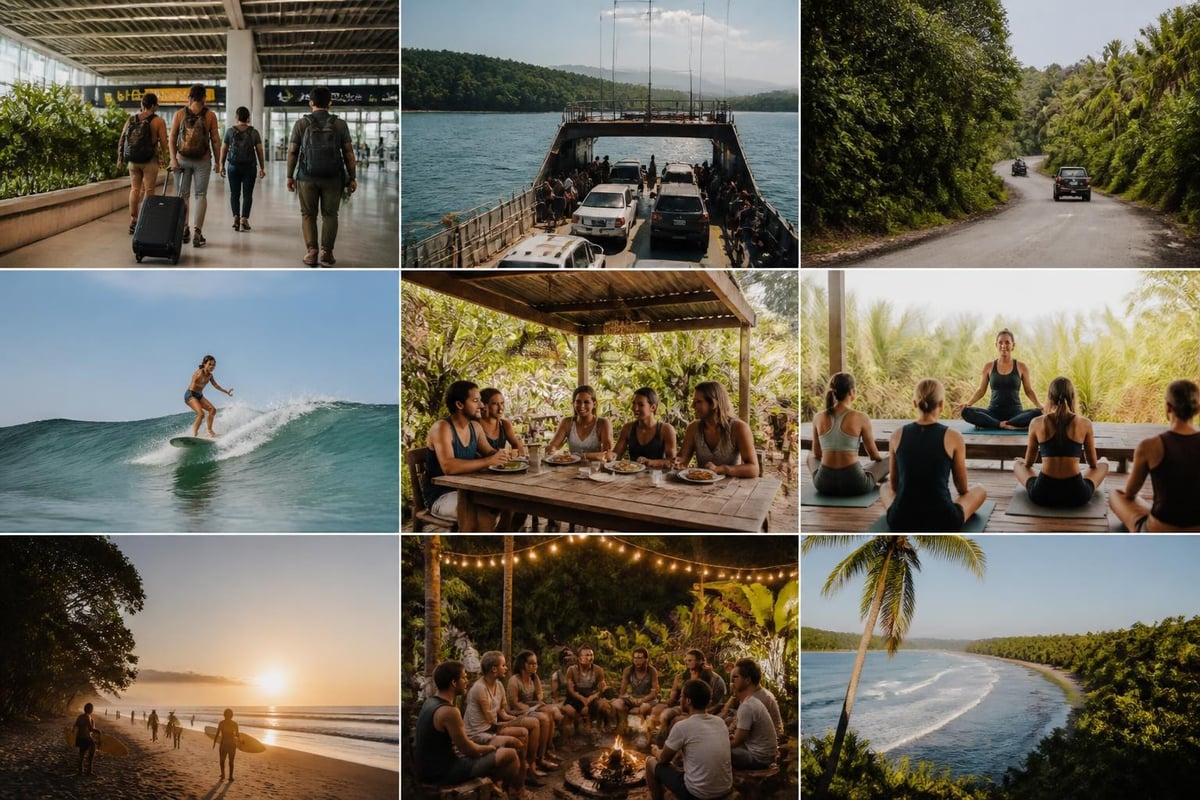
Santa teresa surfing costa rica represents one element within a comprehensive wellness ecosystem. The surrounding Nicoya Peninsula offers diverse activities that complement surf-focused trips, creating balanced experiences that nourish multiple dimensions of well-being.
Complementary Activities:
This holistic approach allows visitors to balance the physical demands of daily surfing with restorative practices that prevent fatigue and enhance overall trip quality. The yoga and wellness options available in Santa Teresa transform simple surf trips into comprehensive wellness journeys.
Living within one of the world's five Blue Zones provides Santa Teresa with unique health advantages. The Nicoya Peninsula's residents demonstrate exceptional longevity and vitality, attributed to lifestyle factors including:
Visitors absorb these influences during their stays, often departing with renewed perspectives on healthy living and sustainable lifestyle choices. The comprehensive guide to Santa Teresa explores how surf culture intertwines with the region's wellness-focused atmosphere.
Experienced surfers find numerous opportunities to push their abilities throughout santa teresa surfing costa rica. Beyond the well-known breaks, several advanced spots demand solid skills and local knowledge.
Manzanillo, located south of Playa Hermosa, produces powerful right-hand waves breaking over shallow reef. This spot works best during medium to large south swells and mid to high tides. The wave holds exceptional shape when conditions align, creating long walls suitable for aggressive, high-performance surfing.
The broader Nicoya Peninsula contains additional world-class surf spots within short driving distances. Mal País, Santa Teresa's immediate neighbor to the south, offers similar wave quality with slightly different exposure angles. Playa Negra in Guanacaste, roughly 90 minutes north, provides a completely different wave character with its renowned right-hand point break.
Day trips to these alternative spots prevent burnout from surfing identical waves daily while exposing visitors to Costa Rica's diverse coastal landscapes. These day excursions throughout the region enhance overall trip experiences by revealing the peninsula's natural diversity.
Modern surf forecasting provides remarkably accurate predictions five to seven days in advance. Several websites and mobile applications deliver detailed information specific to Santa Teresa's breaks, including:
Experienced surfers check forecasts during trip planning phases to optimize travel dates around expected swell events. During stays, daily forecast reviews help prioritize which breaks to surf based on current conditions. Resources like surf forecasts for Santa Teresa provide detailed, spot-specific information supporting informed decisions.
Beyond digital forecasts, developing the ability to read ocean conditions directly enhances safety and wave selection. Key observations include:
These observational skills develop naturally through regular surf sessions, creating intuitive understanding that supplements technological forecasting tools.
While santa teresa surfing costa rica generally provides safe conditions, ocean environments always present inherent risks requiring awareness and preparation. Understanding potential hazards and mitigation strategies prevents most incidents.
Primary Safety Concerns:
Rip currents present the most common danger for inexperienced surfers. Rather than fighting against the current flow, swimmers should paddle parallel to shore until escaping the channel, then angle back toward the beach. Remaining calm and conserving energy proves crucial during rip current encounters.
Santa Teresa maintains basic medical facilities capable of treating minor injuries, cuts, and common ailments. More serious medical situations require evacuation to larger cities like Puntarenas or San José, emphasizing the importance of travel insurance covering medical emergencies and evacuation costs.
Local surf shops and schools maintain first aid supplies and trained staff familiar with common surf injuries. Building relationships with these operations provides valuable support networks during extended stays. Understanding beginner safety protocols creates foundations for responsible ocean engagement.
The pristine natural environment that makes Santa Teresa exceptional requires active protection and sustainable practices from residents and visitors alike. The surf community increasingly embraces environmental responsibility, recognizing that wave quality depends on healthy ocean ecosystems.
Sustainable Practices for Surfers:
The surrounding natural beauty of Costa Rica deserves preservation for future generations of surfers and ocean enthusiasts. Individual actions compound across thousands of annual visitors, creating significant collective impact.
Several local organizations coordinate environmental protection efforts throughout the Nicoya Peninsula. These groups organize regular beach cleanups, wildlife monitoring programs, and educational initiatives raising awareness about coastal ecosystem health. Visitors can participate in these activities, transforming vacations into meaningful contributions toward environmental stewardship.
Santa Teresa delivers exceptional surfing experiences for riders at every skill level, combining consistent waves with the wellness benefits of Costa Rica's Nicoya Blue Zone. Whether catching your first wave or charging overhead barrels, this coastal paradise offers ideal conditions for ocean connection. Soluna creates bespoke retreat experiences that weave surfing into comprehensive wellness journeys, incorporating yoga, jungle exploration, and the transformative magic of bioluminescent waters. Discover how disconnecting from daily routines while connecting with nature's rhythms creates lasting transformation beyond what any single activity can provide alone.