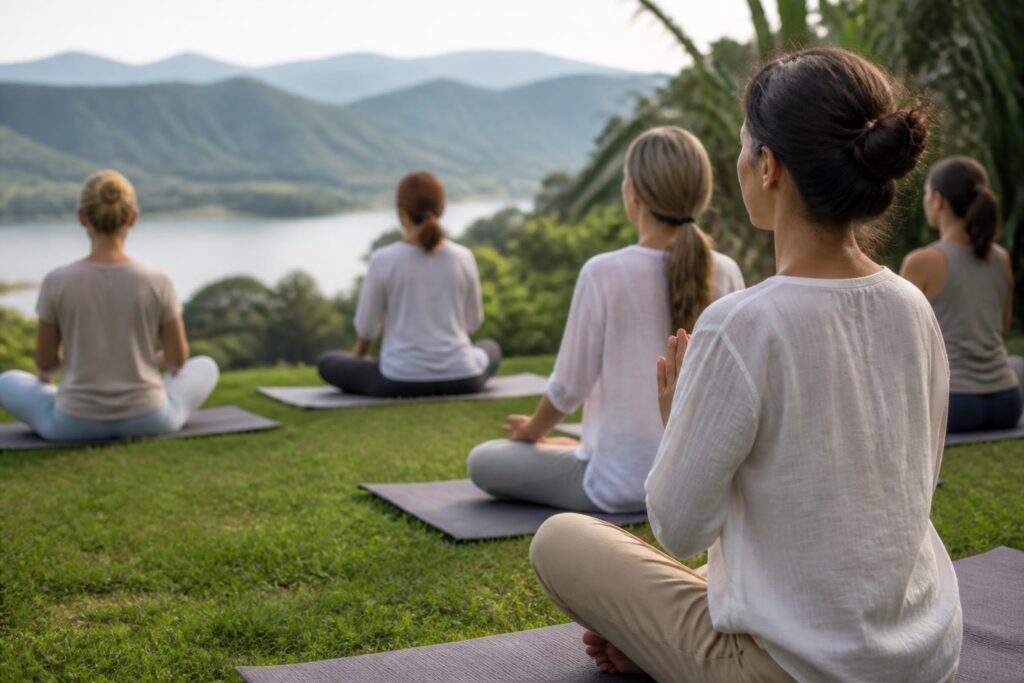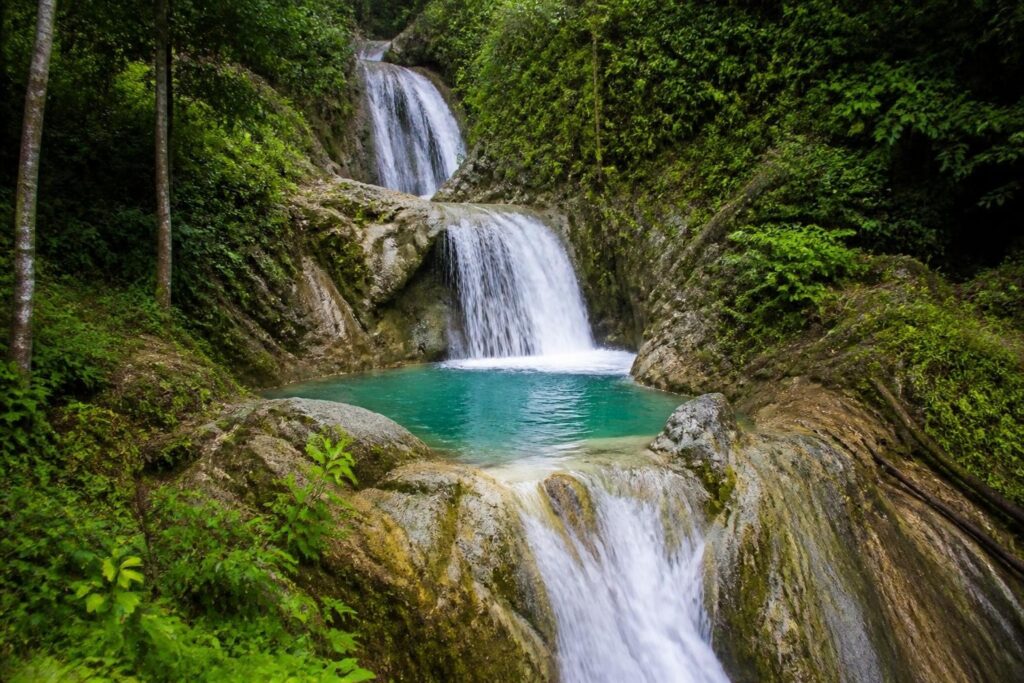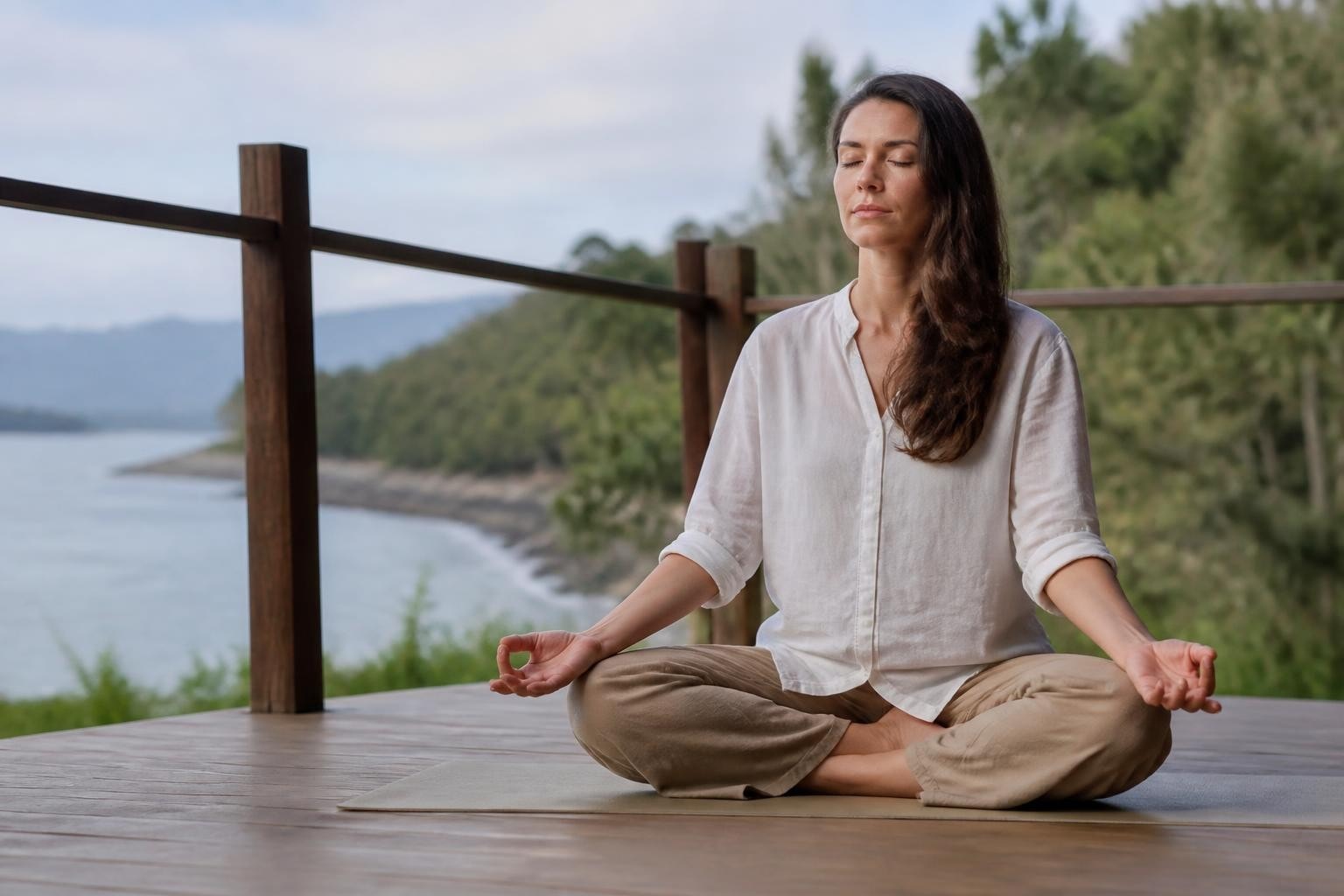
The relentless pace of modern life has created an unprecedented mental health crisis. Professionals, entrepreneurs, and creatives alike find themselves trapped in cycles of stress, burnout, and disconnection. A mental wellness retreat offers more than temporary respite-it provides a structured pathway to genuine transformation through immersive experiences that address the root causes of mental exhaustion rather than merely treating symptoms.
Modern mental wellness retreats have evolved far beyond traditional spa vacations or meditation workshops. These immersive experiences combine evidence-based therapeutic approaches with nature-based healing practices designed to recalibrate your mental, emotional, and physical systems simultaneously.
Research demonstrates that residential retreats provide measurable health and wellbeing improvements through systematic interventions in controlled environments. When you remove yourself from daily stressors and immerse yourself in healing practices, your nervous system enters a state of receptivity that facilitates deep transformation.
Key physiological changes during a mental wellness retreat include:
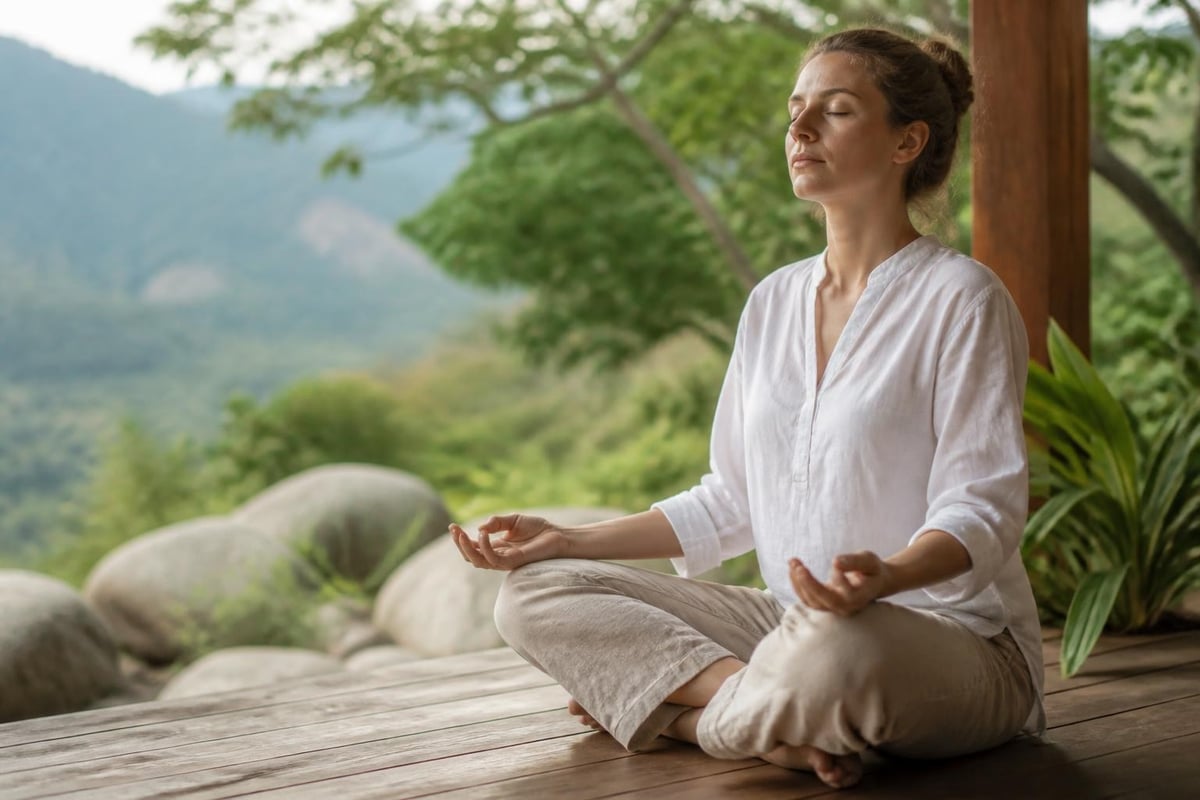
The effectiveness of these programs stems from their multidimensional approach. Rather than addressing mental health through a single modality, comprehensive retreats integrate movement, nutrition, mindfulness, community, and nature immersion into cohesive healing protocols.
The concept of Blue Zones-regions where populations demonstrate exceptional longevity and wellbeing-has revolutionized our understanding of holistic health. Costa Rica's Nicoya Peninsula, recognized globally as one of five Blue Zones, offers unique environmental and cultural conditions that amplify the benefits of any mental wellness retreat.
| Blue Zone Factor | Mental Health Benefit | Retreat Application |
|---|---|---|
| Natural Movement | Reduces anxiety through embodied awareness | Daily nature hikes, ocean activities, yoga |
| Plant-Based Nutrition | Stabilizes mood through gut-brain axis | Fresh, locally-sourced meals |
| Purpose (Plan de Vida) | Increases life satisfaction and meaning | Intention-setting workshops |
| Stress Reduction | Lowers inflammation and cortisol | Disconnection from technology |
| Strong Social Bonds | Enhances emotional resilience | Small group experiences |
The most effective mental wellness retreats recognize that transformation requires both structure and flexibility. Cookie-cutter programs cannot address the nuanced needs of individuals dealing with burnout, anxiety, relationship challenges, or existential questioning.
Bespoke retreat experiences allow facilitators to calibrate activities, intensities, and modalities to your specific needs. Someone recovering from corporate burnout requires different interventions than someone processing grief or navigating a major life transition.
Essential components of personalized retreat design:
The transformative benefits of wellness retreats emerge when participants feel simultaneously supported and challenged. This delicate balance requires experienced facilitators who can read subtle cues and adjust programming dynamically.
Physical activity represents one of the most powerful interventions for mental health, yet conventional exercise programs often fail to engage the mind-body connection essential for deep healing. A mental wellness retreat reframes movement as exploration rather than obligation.
Jungle hiking through primary rainforest engages all senses while naturally regulating breathing patterns and reducing rumination. Ocean-based activities like surfing or stand-up paddleboarding demand present-moment awareness that quiets anxious thought patterns. Yoga practices at retreat settings combine physical challenge with breathwork and meditation for comprehensive nervous system regulation.

Research on intensive mindfulness meditation training confirms that sustained practice in retreat settings produces more significant mental health improvements than sporadic home practice. The immersive environment eliminates competing demands, allowing participants to develop skills that become accessible during everyday challenges.
Your surroundings profoundly influence mental states through mechanisms ranging from air quality to color psychology. Mental wellness retreats leverage environmental factors deliberately to support healing processes.
Humans evolved in natural environments, and our nervous systems remain calibrated to respond to organic patterns, natural light, and biodiversity. Extended time in nature reduces activity in the prefrontal cortex associated with rumination while enhancing activity in regions governing empathy and presence.
Experiences like bioluminescent water tours create profound perspective shifts. Witnessing the ocean illuminate with millions of dinoflagellates reminds us of nature's intelligence and our place within larger systems. These moments of awe reliably reduce anxiety and increase life satisfaction according to positive psychology research.
Environmental factors supporting mental wellness:
The average person checks their phone 96 times daily, creating constant interruption to sustained attention and present-moment awareness. Mental health retreats establish technology boundaries allowing your nervous system to experience the novel sensation of undivided attention.
This disconnection initially provokes anxiety in many participants-a clear signal of how dependent we've become on digital validation. Within 48-72 hours, most report experiencing a mental clarity they haven't felt in years. Thoughts become more coherent, emotions more accessible, and the capacity for genuine rest returns.
A mental wellness retreat provides the rare opportunity to establish or deepen contemplative practices that research consistently links to improved mental health outcomes. The challenge lies not in learning techniques but in creating conditions where they become intrinsically rewarding rather than another self-improvement obligation.
While seated meditation forms a cornerstone of many retreat programs, embodied practices often prove more accessible for those new to contemplative work. Conscious movement, breathwork, and somatic experiencing help participants develop awareness of how emotions manifest physically.
| Practice Category | Primary Benefit | Retreat Integration |
|---|---|---|
| Breathwork | Autonomic nervous system regulation | Morning energizing sessions, evening calming practices |
| Somatic Therapy | Trauma release through body awareness | Guided sessions with trained practitioners |
| Mindful Movement | Present-moment anchoring | Yoga, tai chi, conscious hiking |
| Sound Healing | Brainwave entrainment for deep relaxation | Evening ceremonies with crystal bowls, gongs |
| Journaling | Cognitive processing and insight integration | Structured prompts, free writing time |
The proven benefits of wellness retreats include enhanced mental clarity that participants describe as "lifting fog" they didn't realize obscured their thinking. This cognitive reset results from the combination of quality sleep, reduced decision fatigue, and practices that quiet mental noise.
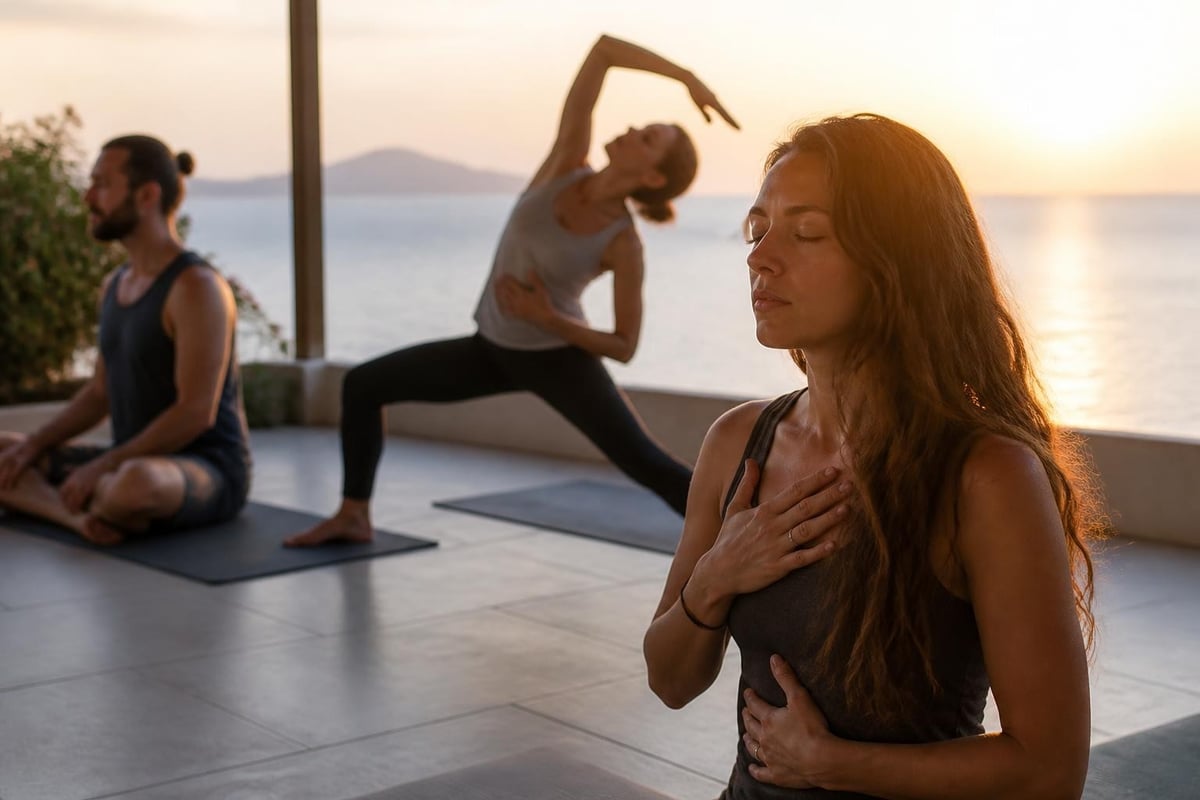
Despite our hyperconnected digital lives, loneliness rates have reached epidemic levels. Mental wellness retreats create intentional community experiences that remind us of our fundamental need for authentic human connection.
Small group settings foster vulnerability and mutual support without the performance anxiety common in larger gatherings. Sharing meals, practices, and nature experiences with others on similar journeys creates bonds that often extend well beyond the retreat itself.
The true measure of a mental wellness retreat's effectiveness emerges in the months following your return. Without integration strategies, the insights and practices you've developed can quickly dissolve under the pressure of everyday responsibilities.
Pre-departure planning should address:
Many participants benefit from gradually reintroducing technology and responsibilities rather than immediately returning to full capacity. This graduated transition allows new neural pathways to strengthen before facing previous stress patterns.
Traditional mental health approaches focus on symptom reduction-less anxiety, fewer depressive episodes. While important, this framework limits our vision of what's possible. A mental wellness retreat aims for positive indicators: increased capacity for joy, deeper relationships, clearer sense of purpose, enhanced creativity, and greater resilience.
Tracking these qualitative changes requires different metrics than standard clinical assessments. Journaling about daily experiences of presence, gratitude practices, and regular self-assessment of energy levels provide valuable feedback about whether retreat insights are integrating into daily life.
With wellness tourism projected to exceed $1.3 trillion globally in 2026, the market offers overwhelming options ranging from luxury resorts to rustic hermitages. Discerning which retreat aligns with your needs requires clarity about your intentions and honest assessment of what environments support your healing.
Evaluating retreat quality involves examining:
Private or semi-private experiences often provide deeper work than large group retreats, particularly for those dealing with significant stress, trauma, or transition. The boutique villa setting creates psychological safety essential for vulnerability and authentic processing.
Viewing a mental wellness retreat as an expense rather than investment in your most valuable resource-your mental health-reflects the cultural devaluation of preventative care. The cost of untreated chronic stress includes decreased productivity, strained relationships, health complications, and diminished quality of life.
Research demonstrates that workplace stress costs the U.S. economy over $300 billion annually through absenteeism, reduced productivity, and healthcare expenses. A single week invested in comprehensive mental health restoration often returns multiples through enhanced focus, decision-making, and emotional regulation.
Advances in neuroscience, psychology, and integrative medicine continue reshaping how we approach mental health. The retreat model positions itself at the intersection of these disciplines, offering immersive testing grounds for emerging protocols and ancient wisdom traditions finding validation through modern research.
Innovations like AI-supported mental wellness systems may eventually democratize access to personalized support, yet the irreplaceable elements of nature immersion, human connection, and extended disengagement from daily life ensure that physical retreats will remain essential for deep transformation.
The growing recognition that mental health cannot be separated from physical health, social connection, environmental factors, and sense of purpose drives demand for holistic approaches. Mental wellness retreats meeting this comprehensive definition will continue expanding while superficial offerings fade as participants become more discerning about what produces lasting change.
Climate considerations also influence retreat location decisions. Choosing destinations committed to environmental stewardship and regenerative practices aligns personal healing with planetary healing-an integration increasingly important to conscious travelers. Costa Rica's leadership in sustainability, renewable energy, and biodiversity protection makes it an increasingly attractive destination for those seeking alignment between values and vacation choices.
Investing in your mental wellness through immersive retreat experiences represents one of the most powerful decisions you can make for your long-term health and happiness. The combination of nature immersion, evidence-based practices, and dedicated time for self-reflection creates conditions for transformation impossible to replicate in daily life. Soluna offers bespoke mental wellness experiences in Costa Rica's renowned Nicoya Blue Zone, designing private journeys that honor your unique needs while providing the structure, expertise, and natural beauty essential for profound renewal. Your journey toward lasting wellbeing begins with a single courageous step toward prioritizing yourself.