Costa Rica has emerged as a premier destination for travelers seeking authentic, intimate accommodations that blend luxury with sustainability. The rise of costa rica boutique hotels reflects a broader shift in tourism preferences, with visitors increasingly prioritizing meaningful experiences over standardized resort stays. These carefully curated properties offer personalized service, unique architectural designs, and deep connections to local culture and ecosystems. From the misty cloud forests of Monteverde to the pristine beaches of the Nicoya Peninsula, boutique accommodations provide gateways to Costa Rica's most remarkable landscapes while maintaining an unwavering commitment to environmental stewardship and community engagement.
The boutique hotel sector in Costa Rica has experienced remarkable growth over the past decade, driven by evolving traveler preferences and the country's strong reputation for ecotourism. According to Costa Rica Tourism Institute data, smaller independent properties have captured an increasing share of overnight stays, particularly among international visitors seeking wellness-focused and adventure-oriented experiences.
Costa rica boutique hotels typically feature fewer than 50 rooms, emphasizing personalized service and distinctive character over standardized amenities. These properties often showcase:
The defining characteristic extends beyond physical amenities. Boutique properties cultivate relationships with local guides, artisans, and conservation organizations, creating authentic experiences that larger resorts cannot replicate. Many owners live on-site or nearby, ensuring consistent quality and genuine hospitality that reflects Costa Rican culture.
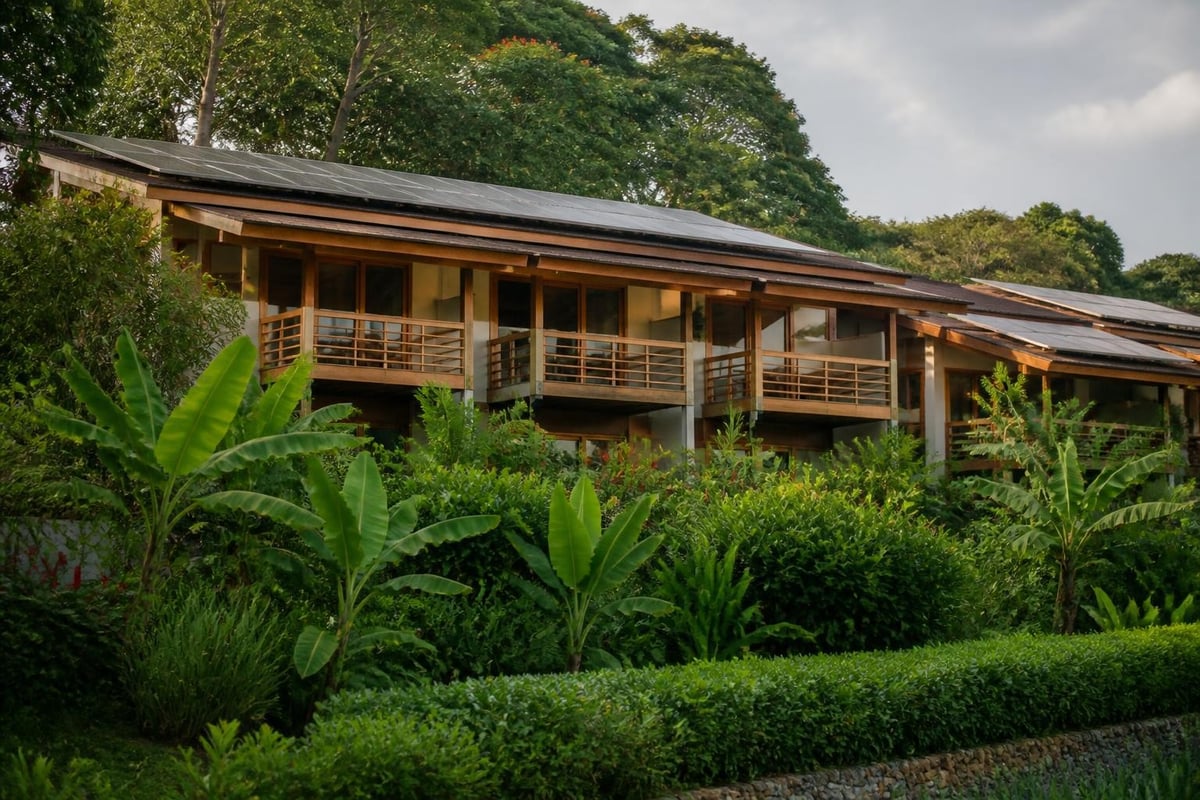
Different regions attract distinct boutique hotel styles and guest demographics:
| Region | Boutique Hotel Character | Primary Activities | Typical Guest Profile |
|---|---|---|---|
| Nicoya Peninsula | Beach-wellness fusion, yoga retreats | Surfing, bioluminescence tours, horseback riding | Wellness seekers, couples, digital nomads |
| Monteverde | Cloud forest lodges, birding centers | Canopy walks, wildlife observation, coffee tours | Nature enthusiasts, families, researchers |
| Arenal | Volcano-view properties, hot springs | Hiking, zip-lining, thermal baths | Adventure travelers, honeymooners |
| Caribbean Coast | Afro-Caribbean cultural lodges | Snorkeling, cultural immersion, jungle treks | Cultural explorers, eco-tourists |
The Nicoya Peninsula, specifically, has gained recognition as one of the world's Blue Zones, where residents experience exceptional longevity. This distinction has attracted wellness-focused boutique hotels that integrate local lifestyle practices into their programming, offering guests opportunities to explore the factors contributing to this remarkable phenomenon.
The Nicoya Blue Zone designation provides costa rica boutique hotels in this region with a unique positioning advantage. Research into this phenomenon has identified key factors including diet, physical activity, social connection, and purpose that contribute to residents' health and longevity.
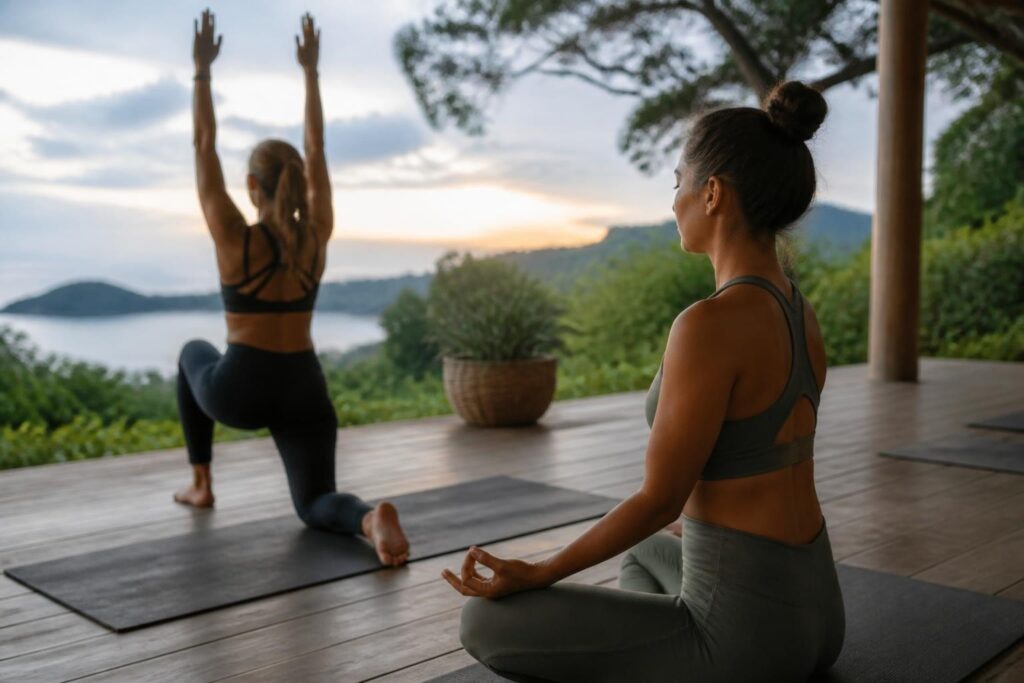
Forward-thinking boutique hotels in the Nicoya Peninsula have developed programs that allow guests to experience these longevity factors firsthand. Properties offering bespoke wellness journeys create immersive experiences that go beyond standard spa services:
These programs attract health-conscious travelers willing to invest in transformative experiences. The boutique hotel format, with its intimate scale and flexible programming, proves ideal for delivering personalized wellness journeys that larger resorts cannot accommodate.
Costa Rica's development of ecotourism infrastructure, documented in academic research on the country’s sustainable tourism evolution, established frameworks that boutique properties continue to refine. Modern costa rica boutique hotels implement comprehensive sustainability practices:
Energy and Water Management:
Waste Reduction and Circular Economy:
These commitments resonate with travelers who increasingly prioritize environmental responsibility when selecting accommodations. Properties that authentically implement sustainable practices differentiate themselves in a competitive market while contributing to Costa Rica's broader conservation goals.
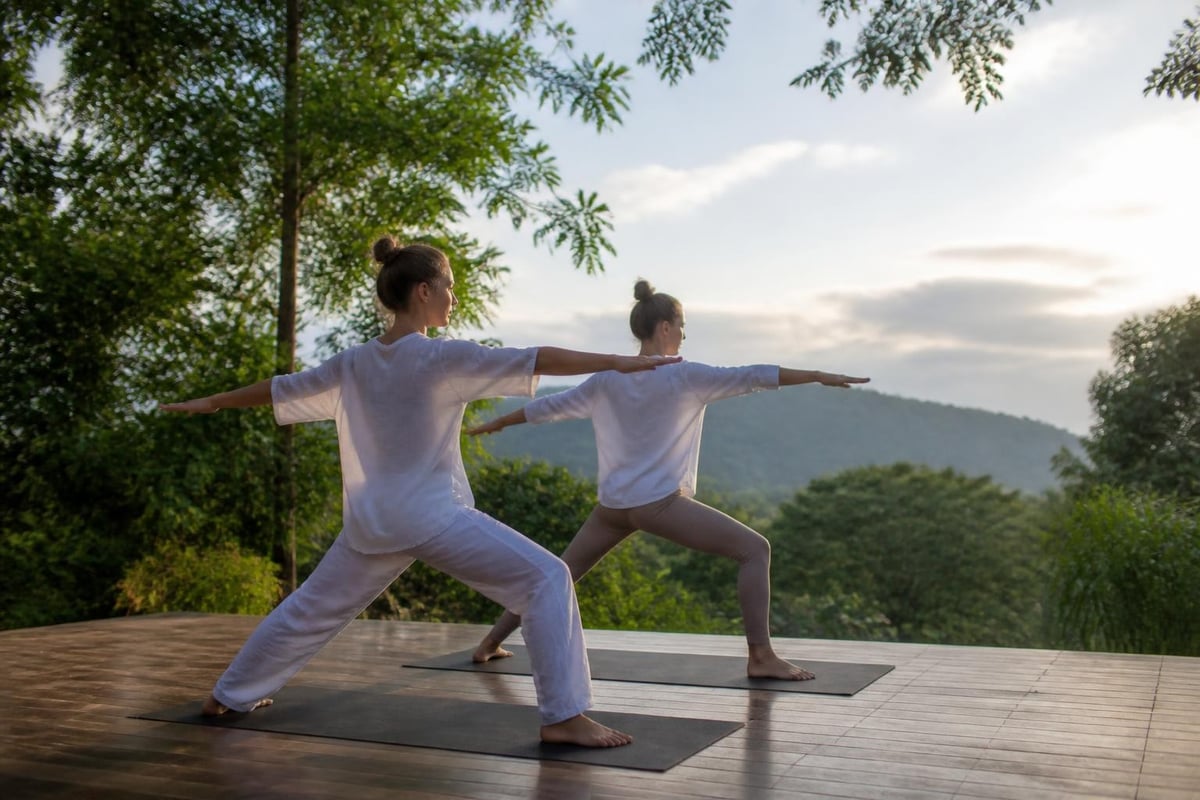
The competitive advantage of boutique properties lies in their ability to curate unique experiences that connect guests with Costa Rica's natural and cultural assets. Unlike standardized resort programming, these experiences reflect each property's specific location, ownership vision, and community relationships.
Costa rica boutique hotels excel at providing access to wilderness areas and wildlife encounters through partnerships with expert local guides. Properties situated near protected areas offer:
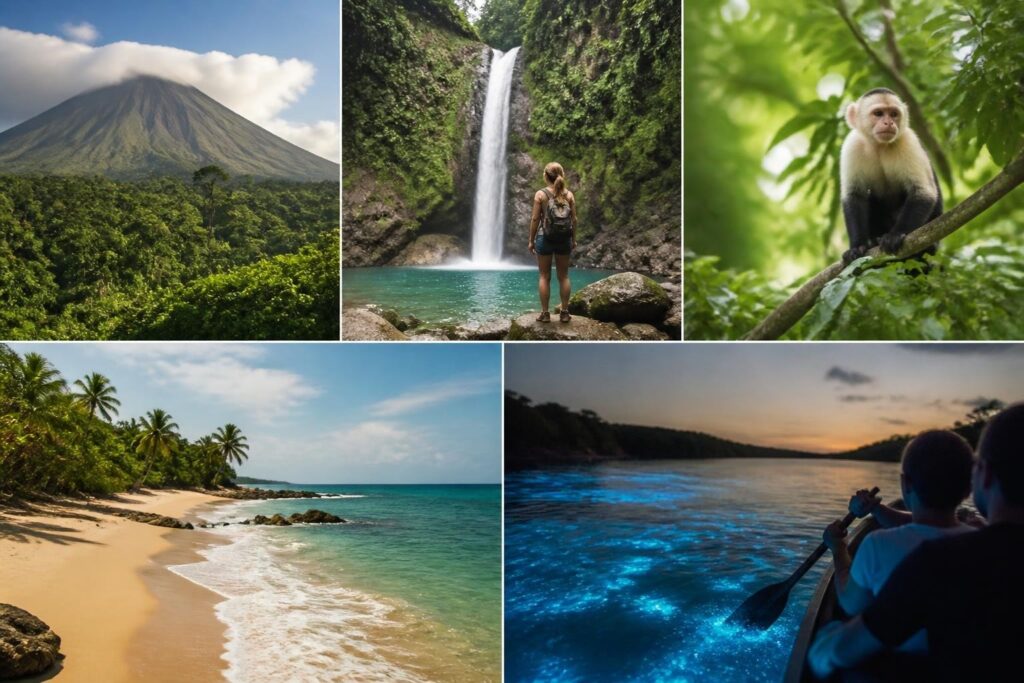
The Nicoya Peninsula provides particularly diverse adventure opportunities. Guests can experience sunset mangrove tours revealing bioluminescent waters, hikes through Cabo Blanco Nature Reserve, or bird watching expeditions targeting endemic species. These activities, arranged through boutique properties with established guide relationships, deliver experiences unavailable to independent travelers.
Boutique hotel operators often maintain deep community ties, enabling cultural exchanges that enrich guest experiences:
These programs generate economic benefits for local communities while providing guests with authentic cultural insights. Properties that facilitate genuine interactions rather than staged performances create memorable experiences that guests value and share through word-of-mouth recommendations and social media.
The physical design of costa rica boutique hotels reflects both aesthetic preferences and practical responses to tropical climates. Successful properties balance luxury expectations with environmental sensitivity and cultural appropriateness.
| Design Element | Purpose | Implementation Example |
|---|---|---|
| Open-air structures | Natural cooling, connection to outdoors | Yoga shalas, dining pavilions with minimal walls |
| Local hardwoods | Sustainability, aesthetic warmth | Teak and pochote furnishings from certified sources |
| Thatched roofing | Traditional appearance, insulation | Palm frond roofs in rancho-style buildings |
| Elevated platforms | Wildlife corridors, flood prevention | Bungalows on stilts maintaining ground-level passage |
| Native landscaping | Water conservation, habitat provision | Gardens featuring heliconia, bromelia, and native palms |
Contemporary boutique properties increasingly engage Costa Rican architects and designers who understand both international luxury standards and local building traditions. This collaboration produces spaces that feel simultaneously sophisticated and place-specific, avoiding the generic tropical aesthetic common to chain resorts.
Boutique hotels differentiate their offerings through diverse room configurations catering to various traveler needs:
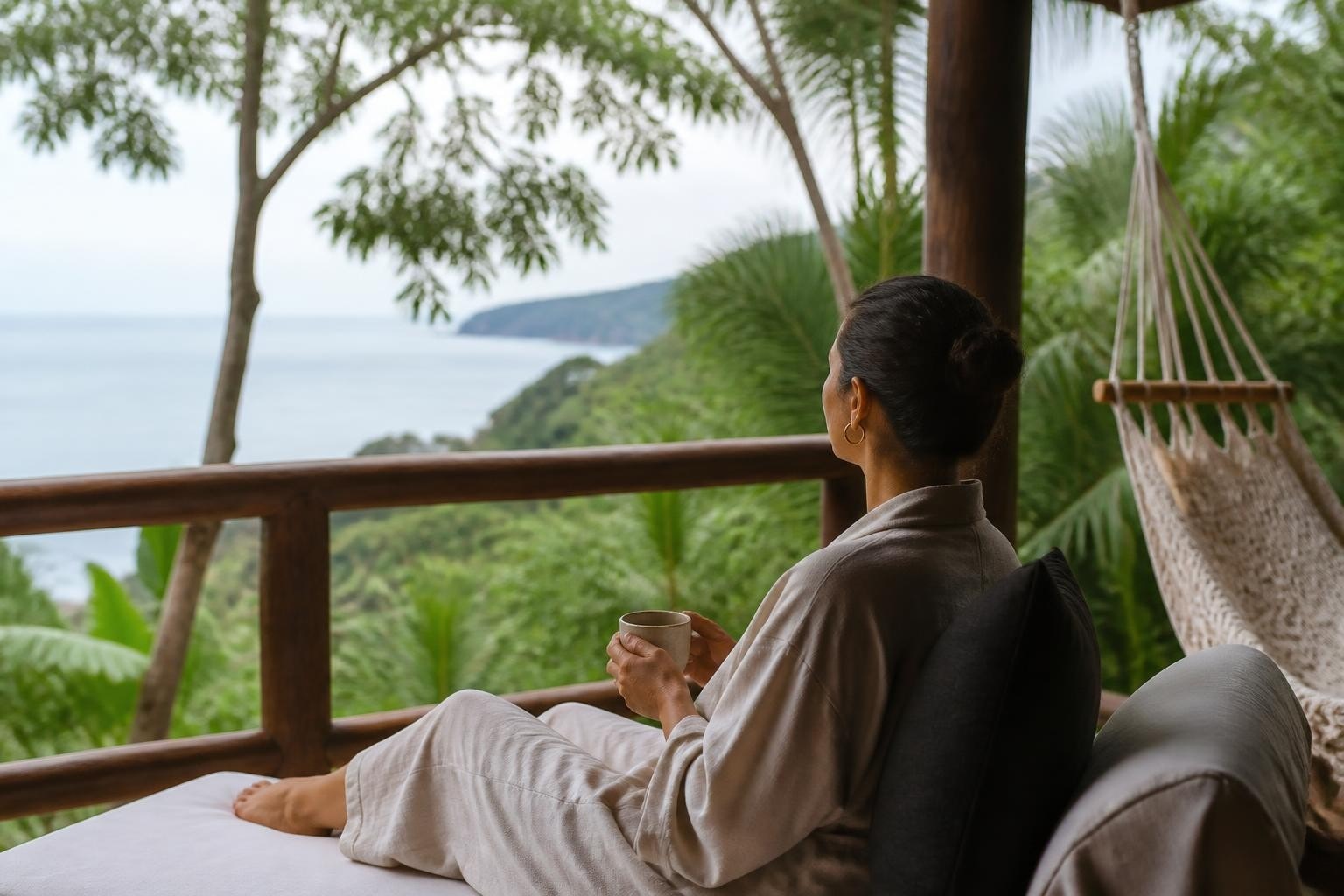
The emphasis on privacy and individuality distinguishes boutique properties from larger hotels where standardization prevails. Travelers seeking solitude and personalized space find these configurations particularly appealing, especially for extended wellness retreats or romantic getaways.
The intersection of boutique hospitality and wellness represents a significant growth sector within Costa Rican tourism. Properties specializing in this niche develop comprehensive programs addressing physical, mental, and spiritual well-being.
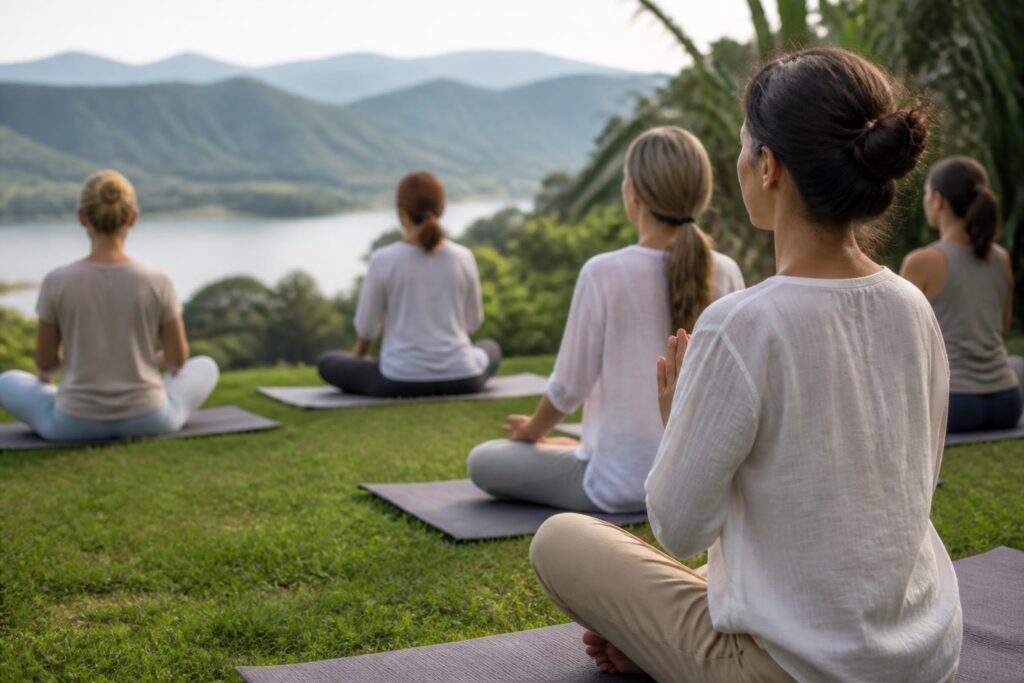
Costa rica boutique hotels offering wellness programs typically structure experiences around multi-day packages that combine various modalities:
Typical Five-Day Wellness Retreat Structure:
These structured programs appeal to guests seeking transformative experiences rather than simple relaxation. The boutique hotel format allows for small group sizes and individualized attention from wellness practitioners, creating outcomes that justify premium pricing.
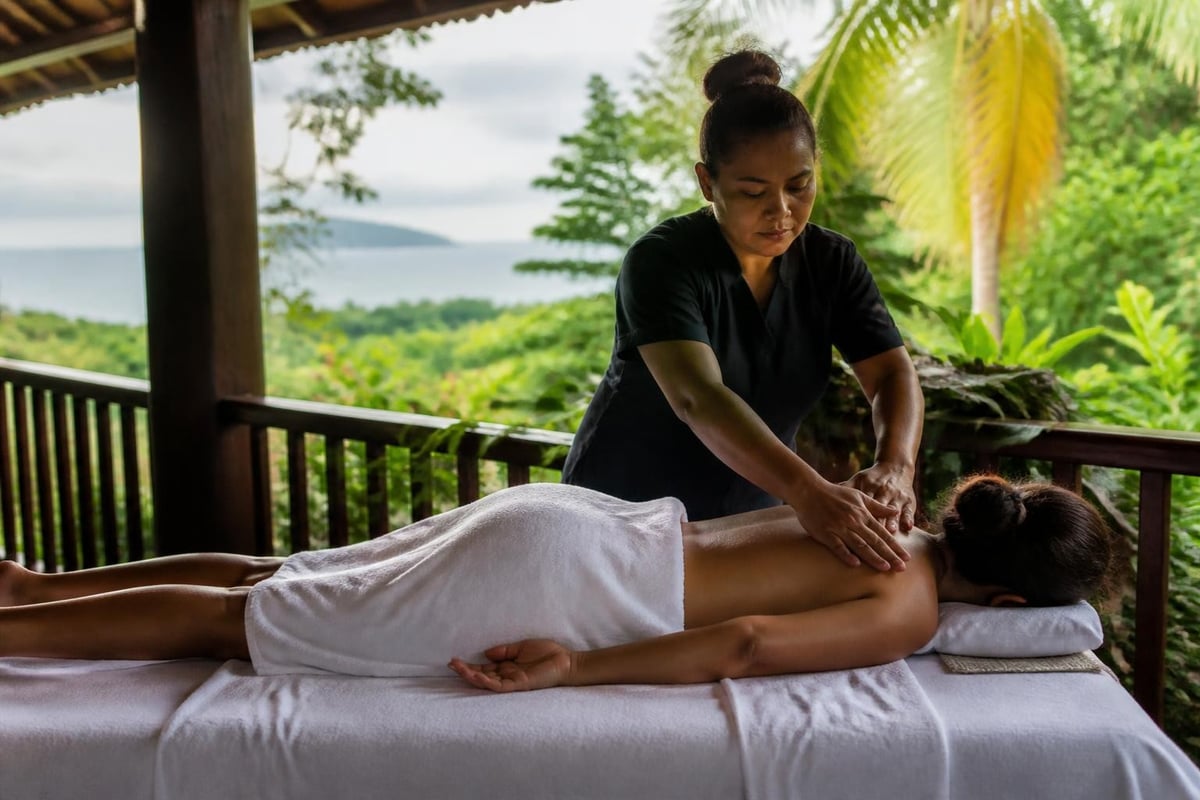
Forward-thinking properties develop expertise in specific wellness domains, establishing reputations that attract targeted clientele:
By specializing rather than offering generic wellness amenities, boutique properties differentiate themselves and build loyal followings within specific wellness communities. This focused approach proves more effective than attempting to serve all wellness markets simultaneously.
The costa rica boutique hotels sector continues evolving in response to changing traveler preferences, technological capabilities, and global tourism patterns. Understanding current trends helps properties position themselves effectively for sustained success.
The normalization of remote work has created demand for boutique properties accommodating longer stays with appropriate amenities:
Properties near surf breaks, nature reserves, or wellness centers attract digital nomads seeking lifestyle balance. The Nicoya Peninsula, with its combination of natural beauty, adventure opportunities, and proximity to the international airport in Liberia, has emerged as a particularly attractive destination for this demographic.
Leading boutique properties now move beyond sustainable practices toward regenerative tourism that actively improves ecosystems and communities. According to research on destination resilience and stakeholder approaches, this evolution requires collaborative frameworks engaging multiple stakeholders.
Progressive costa rica boutique hotels implement regenerative initiatives including:
These commitments appeal to travelers who view their tourism spending as investment in positive change rather than mere consumption. Properties articulating and demonstrating regenerative practices command premium pricing while building meaningful differentiation.
While maintaining connection to nature, boutique hotels increasingly incorporate wellness technology enhancing guest experiences:
| Technology | Application | Guest Benefit |
|---|---|---|
| Biometric tracking | Heart rate variability, sleep quality monitoring | Quantified wellness progress during stays |
| Personalized nutrition | Genetic testing, metabolic assessment | Customized meal plans optimizing individual health |
| Virtual reality meditation | Guided visualization, stress reduction | Enhanced mindfulness practice accessibility |
| Circadian lighting | Automated light adjustment supporting sleep cycles | Improved rest quality and energy levels |
The key lies in integrating technology thoughtfully, enhancing rather than replacing human connection and natural experiences. Successful properties use technology to personalize services while preserving the unplugged, present-focused experience guests seek.
With dozens of costa rica boutique hotels available, travelers benefit from understanding selection criteria aligned with their priorities and preferences. Different properties excel in distinct areas, making careful research essential for optimal experiences.
Location and Accessibility Considerations:
Program and Activity Offerings:
Accommodation Characteristics:
Prospective guests should inquire about specific details that significantly impact experience quality:
Properties providing transparent, detailed responses demonstrate professionalism and guest-centered operations. Vague or evasive answers may indicate operational challenges or misalignment between marketing claims and reality.
The growth of boutique hospitality contributes meaningfully to Costa Rica's tourism economy while distributing benefits more equitably than large resort developments. The World Travel & Tourism Council’s analysis of Costa Rica’s tourism economic impact demonstrates the sector's significance, with boutique properties playing an increasingly important role.
Costa rica boutique hotels generate employment characterized by:
Beyond direct employment, boutique properties generate multiplier effects through purchases from local suppliers. Farm-to-table dining programs source produce from nearby organic farms, baked goods from community cooperatives, and beverages from regional roasters and brewers. These purchasing decisions circulate tourism revenue throughout local economies rather than extracting it to international corporate headquarters.
Thoughtfully operated boutique hotels serve as cultural preservation mechanisms by:
These initiatives provide economic incentives for cultural continuation while educating international visitors about Costa Rican diversity beyond tourist stereotypes. Properties that authentically engage with local culture create richer experiences for guests while supporting community vitality.
Travelers often weigh costa rica boutique hotels against conventional resort options when planning trips. Understanding the distinct value propositions helps align accommodation choices with travel priorities.
Intimacy and Personalization:
Boutique properties remember guest names, dietary preferences, and interests, adapting services accordingly. Staff members develop genuine relationships with visitors rather than delivering scripted interactions.
Authentic Experiences:
Smaller properties maintain deeper community connections, facilitating cultural exchanges and local experiences unavailable through large resorts isolated from surrounding areas.
Environmental Responsibility:
Boutique operations more easily implement comprehensive sustainability practices and adapt quickly to emerging best practices in regenerative tourism.
Flexibility and Customization:
Without corporate protocols constraining operations, boutique properties accommodate special requests, dietary needs, and personalized itineraries with greater ease.
Conventional resorts offer certain conveniences that appeal to specific traveler segments:
The choice ultimately depends on whether travelers prioritize convenience and predictability or authenticity and personalization. Neither approach is inherently superior; they serve different preferences and travel styles.
Successful experiences at costa rica boutique hotels require understanding operational differences from conventional hotels and preparing accordingly.
Wellness-Focused Properties:
Adventure-Oriented Properties:
Boutique properties in remote locations may face connectivity limitations affecting pre-arrival communications. Travelers should:
Setting realistic expectations about rustic versus luxury accommodations prevents disappointment. Some boutique properties embrace deliberately simple aesthetics and amenities as part of their disconnection philosophy, while others offer refined luxury in intimate settings. Reviewing recent guest photos and testimonials clarifies what to expect.
While established regions like Condé Nast Traveler’s featured Costa Rica properties attract significant attention, emerging destinations offer opportunities to experience costa rica boutique hotels before they reach saturation.
Osa Peninsula:
This remote southwestern region harbors exceptional biodiversity within Corcovado National Park and surrounding areas. Boutique jungle lodges provide access to pristine rainforests with minimal tourist presence, appealing to serious nature enthusiasts and researchers.
Caribbean Coast (Southern Sector):
Beyond popular Puerto Viejo, the southern Caribbean coast offers Afro-Caribbean cultural experiences, coral reef diving, and laid-back boutique properties reflecting the region's distinct character and slower pace.
Northern Lowlands:
Between Arenal and the Nicaraguan border, this less-visited region features wetlands, chocolate farms, and boutique properties focused on agricultural tourism and birding rather than volcano views.
Central Pacific (South of Jacó):
While Jacó attracts resort development, areas south toward Quepos and beyond offer boutique alternatives with beach access, jungle settings, and proximity to Manuel Antonio National Park without crowds.
These emerging destinations provide opportunities for travelers seeking discovery and authenticity over established tourism circuits. Properties in these areas often offer exceptional value while delivering unique experiences unavailable in saturated markets.
Costa rica boutique hotels represent the evolution of hospitality toward personalization, sustainability, and authentic connection with place. These properties demonstrate that luxury need not mean excess, and that meaningful travel experiences emerge from thoughtful curation rather than standardized amenities. For travelers seeking transformative wellness journeys in one of the world's most biodiverse countries, Soluna offers bespoke retreats in the Nicoya Blue Zone, combining private wellness programming with adventure activities that reveal Costa Rica's extraordinary natural beauty while supporting your personal transformation.