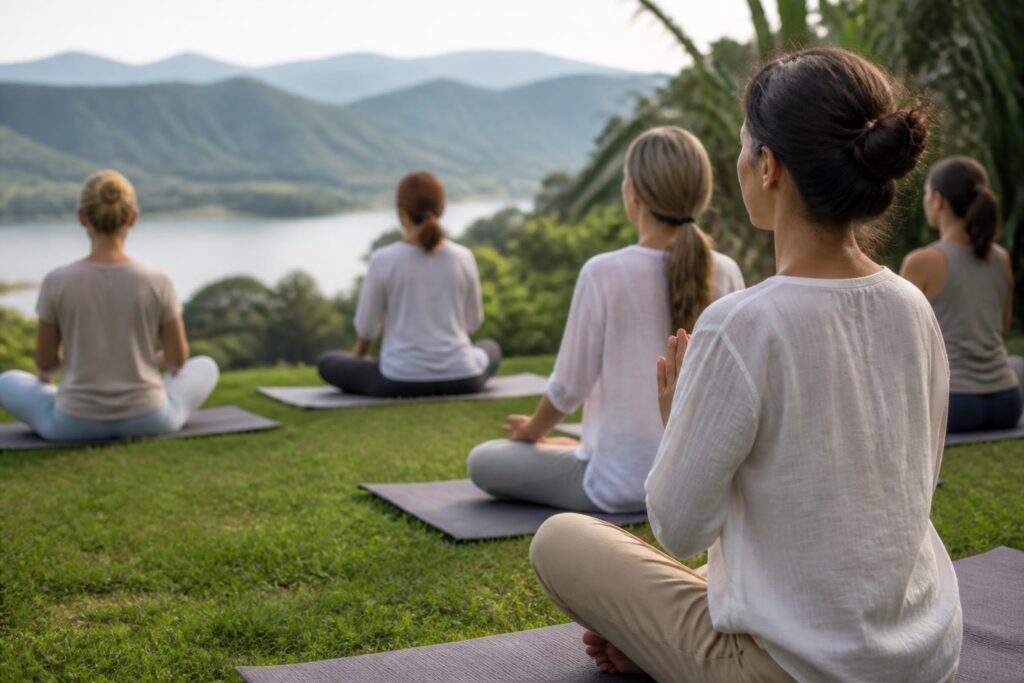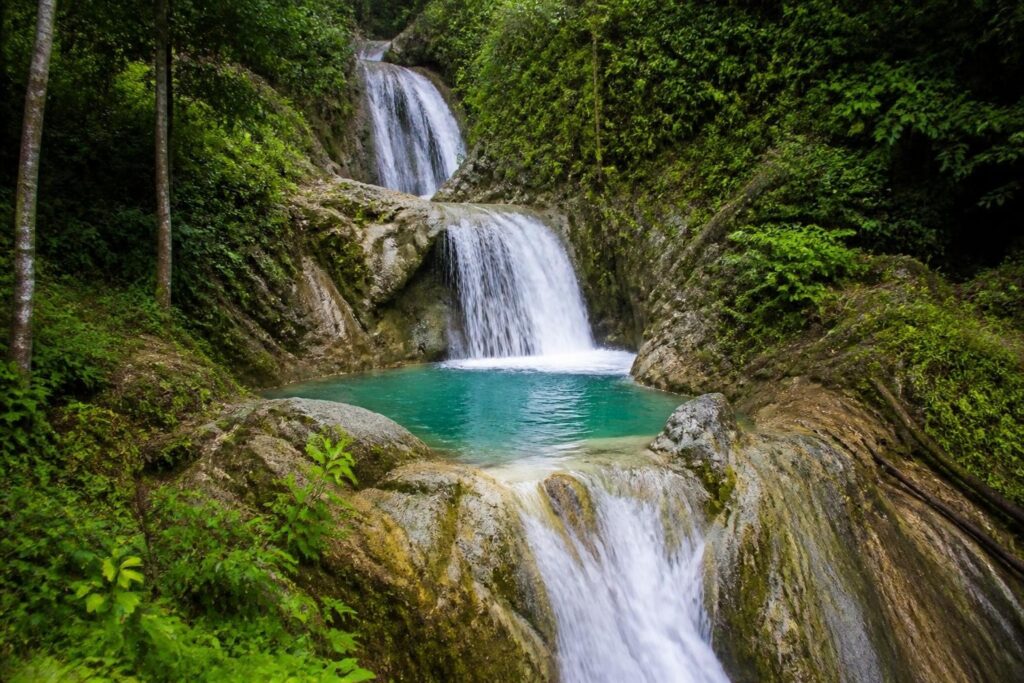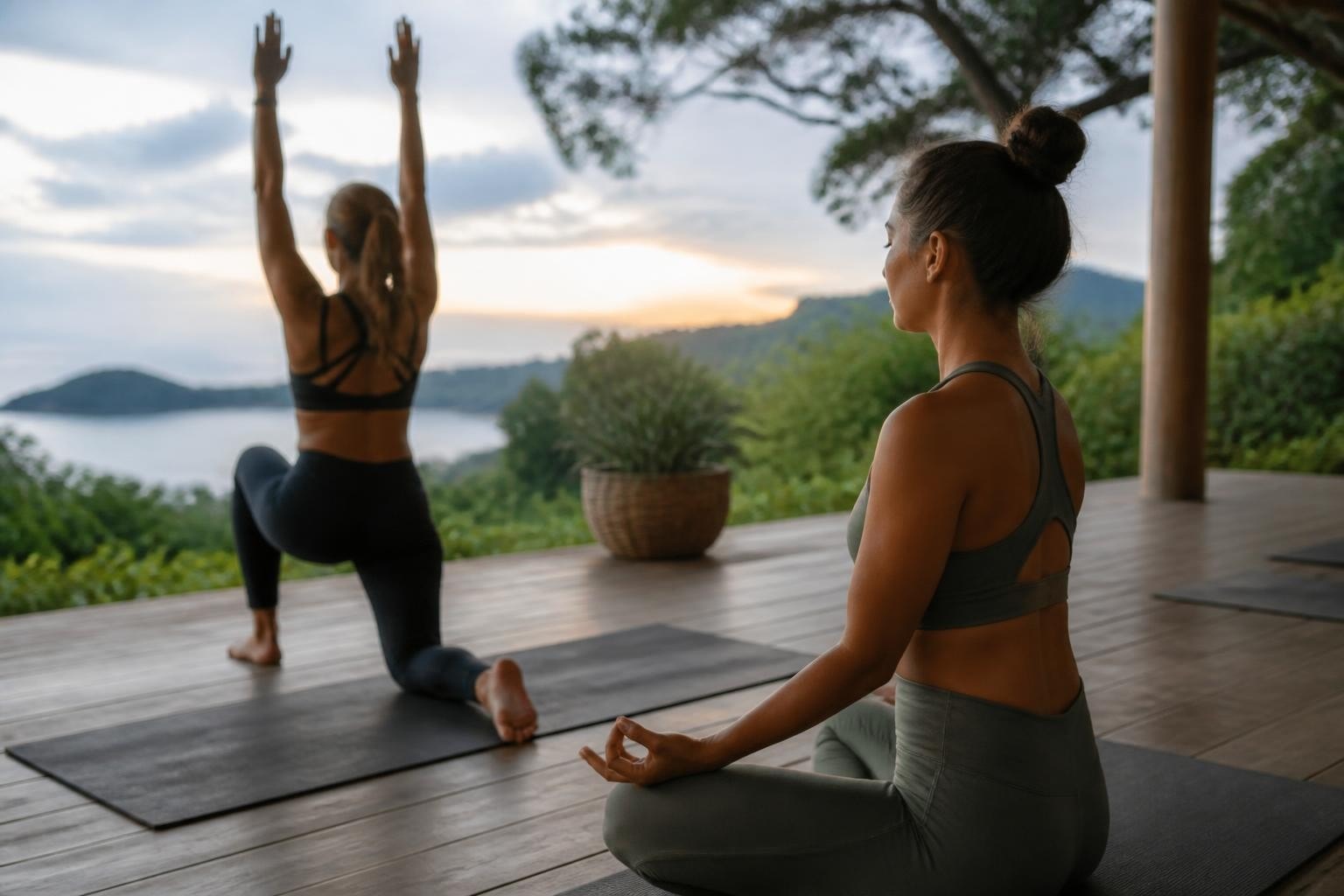
The modern wellness landscape has evolved beyond quick fixes and weekend spa visits. Today's health-conscious travelers seek immersive experiences that integrate physical fitness, mental clarity, and sustainable lifestyle changes. A fitness wellness retreat offers exactly this: a comprehensive approach to health transformation that combines structured movement practices with restorative wellness modalities in environments designed to support lasting change. As stress-related health conditions continue to rise and sedentary lifestyles dominate, these retreats provide an essential intervention-a dedicated time and space to reset, rebuild, and recalibrate your relationship with your body and mind.
A fitness wellness retreat represents a significant departure from traditional vacation models and conventional gym memberships. These immersive experiences blend evidence-based fitness programming with holistic wellness practices, typically set in environments that naturally support health outcomes. The format acknowledges what research on residential retreats has consistently shown: that intensive, multi-day wellness interventions in supportive environments produce measurable improvements in both psychological and physiological health markers.
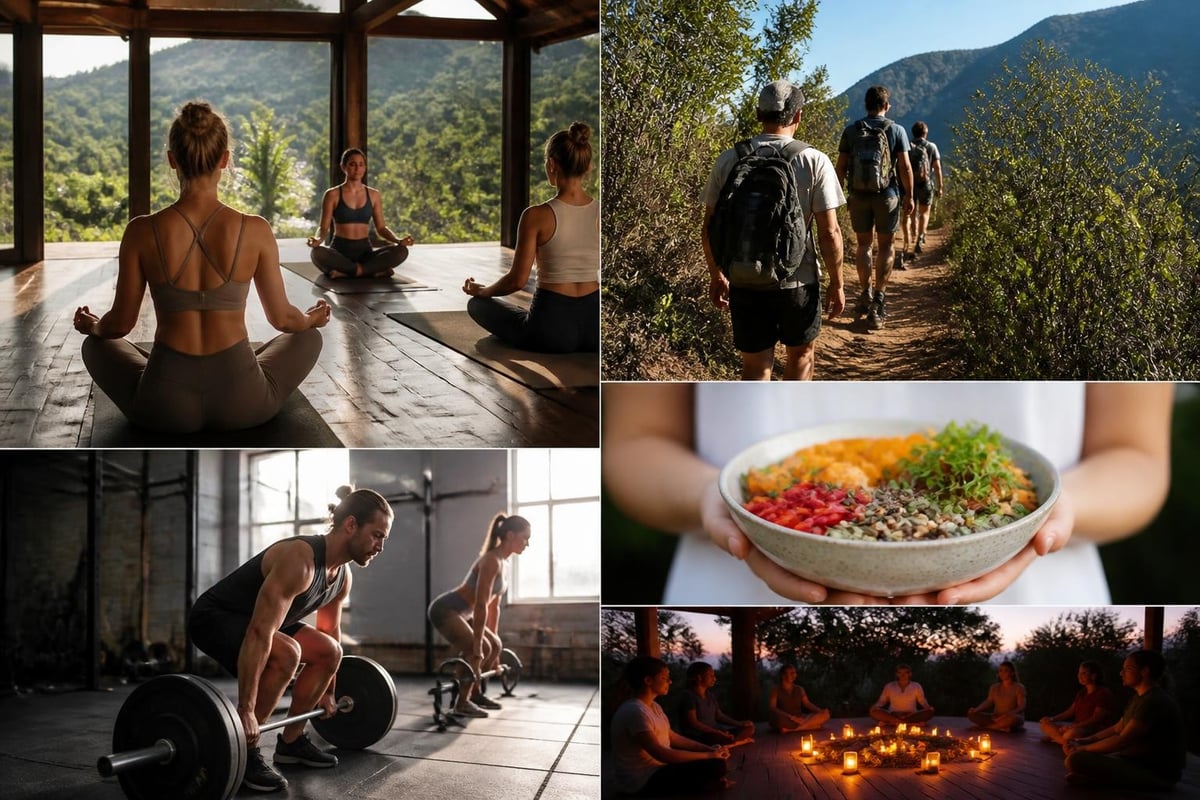
The most successful fitness wellness retreat programs share several critical elements that distinguish them from standard fitness vacations or spa getaways:
The integration of these elements creates a synergistic effect. Morning yoga prepares the body for afternoon hiking. Strength training sessions are followed by guided meditation. Each component supports and enhances the others, creating a comprehensive wellness ecosystem.
Research continues to validate what participants instinctively feel: these immersive experiences produce real, measurable results. Studies examining retreat outcomes have documented improvements in stress biomarkers, cardiovascular health indicators, sleep quality, and mental health scores. The concentrated format allows for rapid habit formation while the removal from daily stressors creates space for genuine recovery.
Environmental factors play a crucial role in these outcomes. Evidence on forest bathing and nature exposure demonstrates significant short-term cardiovascular and mental health benefits, supporting the strategic location of retreats in natural settings. The Blue Zones-regions where populations experience exceptional longevity-offer particularly powerful environments for wellness interventions, combining natural beauty with cultural practices that inherently support health.
Selecting the right fitness wellness retreat requires honest self-assessment and clear goal-setting. Not all retreats are created equal, and the ideal experience varies dramatically based on individual needs, fitness levels, and wellness objectives.
Begin by evaluating your current fitness level and identifying specific outcomes you hope to achieve. Are you recovering from burnout and seeking primarily restorative practices? Or are you an active individual looking to deepen your practice and challenge yourself in new environments? Your answers will guide every subsequent decision.
| Goal Category | Primary Focus | Ideal Program Mix | Duration Recommendation |
|---|---|---|---|
| Stress Recovery | Restorative practices | 70% gentle movement, 30% active | 5-7 days |
| Fitness Reset | Balanced programming | 50% active, 50% restorative | 7-10 days |
| Performance Enhancement | Challenging activities | 70% active, 30% restorative | 10-14 days |
| Lifestyle Transformation | Comprehensive education | 60% active, 40% education/rest | 14+ days |
Consider also the social dynamics you prefer. Some travelers thrive in group settings with shared meals and activities, while others require the privacy and customization of bespoke experiences. Both models offer distinct advantages, and neither is inherently superior.
The setting of your fitness wellness retreat profoundly impacts outcomes. Coastal environments offer different benefits than mountain settings or jungle locations. Blue Zones like Costa Rica's Nicoya Peninsula provide unique advantages: established wellness infrastructure, populations modeling healthy longevity, and biodiverse natural environments that support varied activities.
When evaluating locations, consider:
The benefits of trees and green spaces on mental and physical health are well-documented, making forested and naturally abundant locations particularly valuable. Environments that minimize urban stressors while maximizing exposure to natural elements accelerate the recovery and transformation process.
The fitness component of a wellness retreat extends far beyond scheduled exercise classes. Quality programs integrate diverse movement modalities that address multiple aspects of physical health while remaining accessible to varied fitness levels.
Effective strength programming at a fitness wellness retreat differs significantly from typical gym routines. Sessions emphasize functional movement patterns, bodyweight exercises, and techniques that travelers can sustain after returning home. Small group sizes allow for individual attention and modification, ensuring safety while still providing appropriate challenge.
Progressive programming across the retreat duration matters significantly. Day one might introduce fundamental movement patterns through gentle strength circuits, while mid-retreat sessions incorporate more complex exercises as participants adapt and recover. The final days often focus on integration-helping participants understand how to maintain their practice independently.
Trail hiking, beach walking, swimming, and jungle exploration provide cardiovascular benefits while simultaneously delivering the mental health advantages of nature exposure. This dual benefit makes outdoor cardio sessions particularly valuable within the retreat format.
The variety inherent in outdoor activities also addresses a common limitation of conventional exercise: monotony. A sunrise beach walk offers dramatically different experiences and benefits compared to an afternoon jungle hike, yet both deliver cardiovascular training while reducing stress through immersion in natural environments.
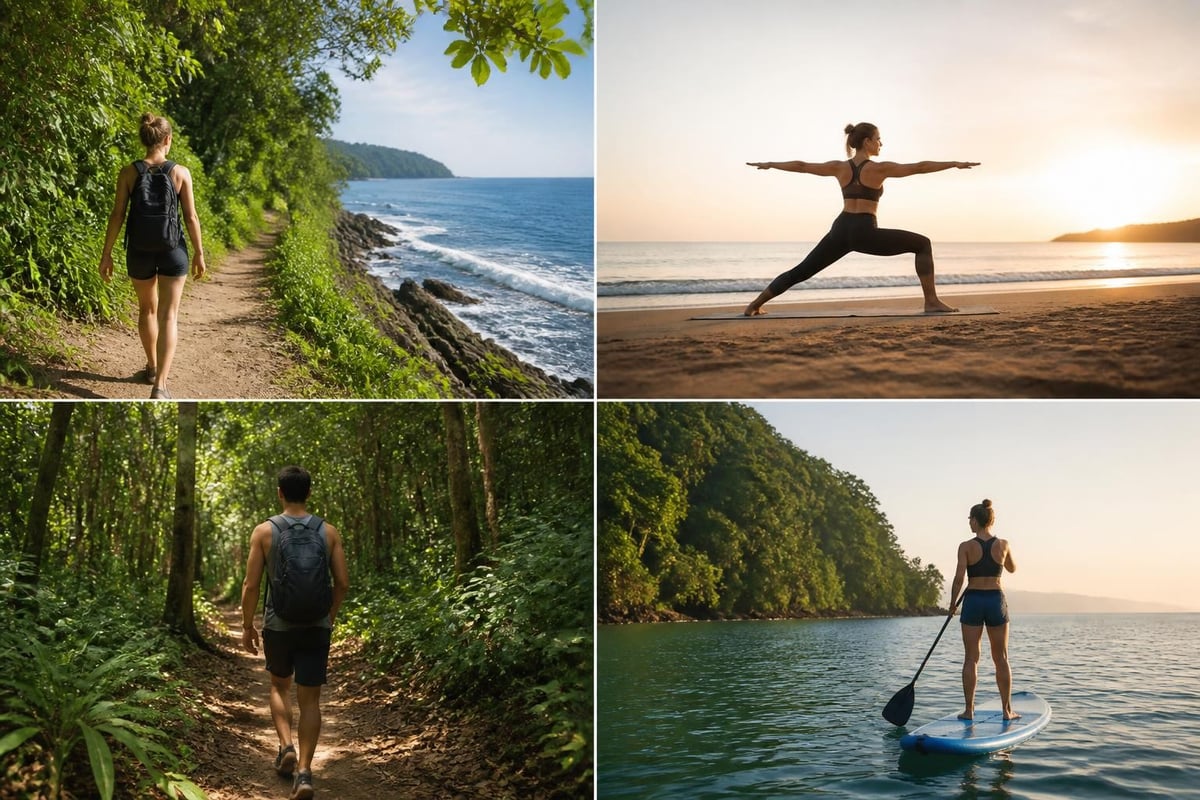
A true fitness wellness retreat balances active movement with equally important restorative practices. This integration distinguishes comprehensive wellness experiences from simple fitness vacations.
Daily yoga practice serves multiple functions within the retreat structure. Morning sessions prepare the body for activity, emphasizing mobility and breath work. Evening practices shift toward restoration, incorporating gentle stretches and relaxation techniques that support recovery and improve sleep quality.
Style variety matters. A week-long retreat might include energizing vinyasa flows, strengthening power yoga, restorative yin sessions, and targeted mobility work. This diversity addresses different needs while keeping practice engaging.
Meditation, breathwork, and mindfulness training form the mental wellness foundation of quality programs. Emerging research on mindfulness retreats is examining mechanisms through which these practices produce lasting changes in psychological wellbeing and even epigenetic markers.
Guided meditation sessions introduce various techniques: breath-focused attention, body scanning, loving-kindness practice, and walking meditation. This variety helps participants identify approaches that resonate personally, increasing the likelihood of sustained practice post-retreat.
Key mindfulness components include:
Quality sleep forms the foundation of all health outcomes, yet it remains elusive for many. A fitness wellness retreat creates optimal conditions for sleep restoration through multiple mechanisms: physical exertion that promotes natural tiredness, stress reduction that quiets mental activity, natural light exposure that regulates circadian rhythms, and elimination of digital stimulation before bedtime.
Recovery extends beyond sleep to include active rest periods, massage therapy, hydrotherapy where available, and simple unstructured time. These elements acknowledge that transformation requires not just stimulus (exercise and activity) but also adequate recovery for adaptation to occur.
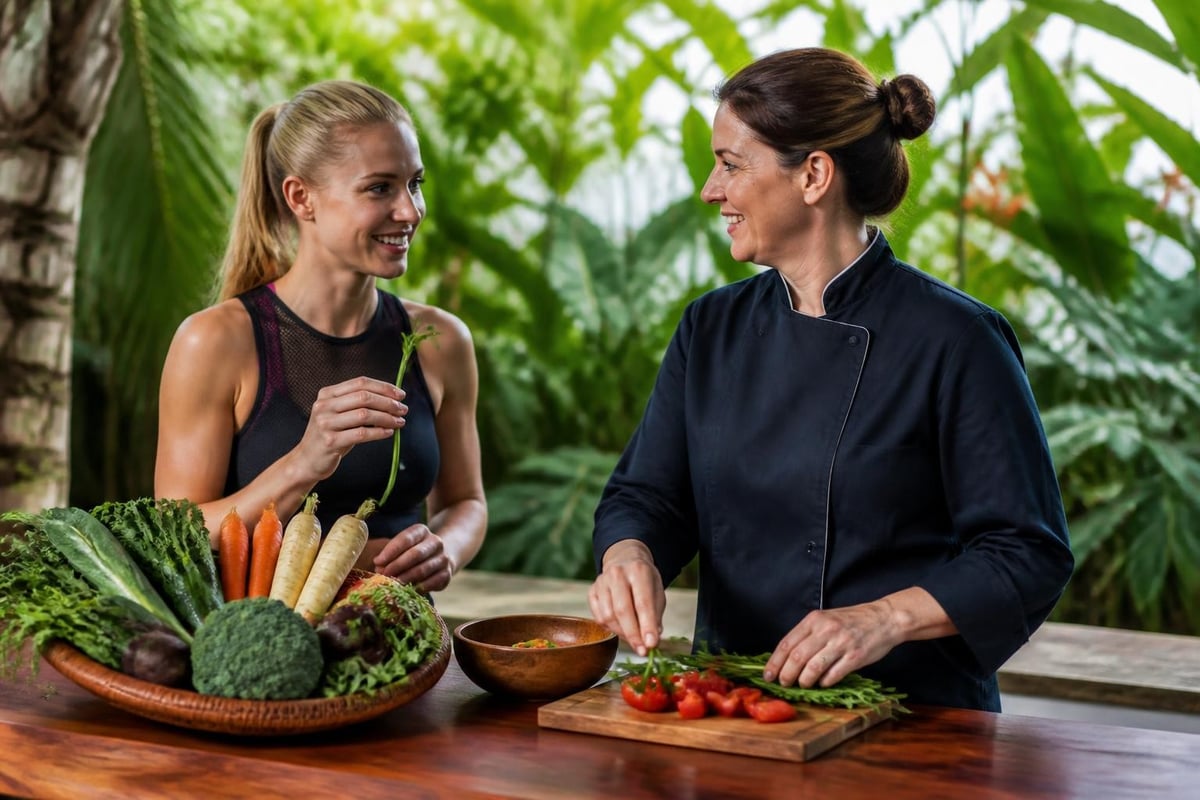
Food at a fitness wellness retreat serves purposes beyond simple sustenance. Meals provide fuel for activity, demonstrate practical healthy eating patterns, introduce new ingredients and preparations, and create social connection points that enhance the overall experience.
The most impactful retreat nutrition programs emphasize whole, minimally processed foods sourced locally when possible. This approach offers multiple advantages: superior nutritional density, reduced environmental impact, connection to local food culture, and practical modeling of sustainable eating patterns.
| Meal Component | Typical Approach | Benefits |
|---|---|---|
| Breakfast | Fruit, whole grains, plant proteins | Sustained energy, fiber, antioxidants |
| Lunch | Large salads, lean proteins, complex carbs | Nutrient density, satiety, recovery support |
| Dinner | Balanced plates, moderate portions | Digestive ease, sleep quality, variety |
| Snacks | Fruits, nuts, seeds | Blood sugar stability, energy between sessions |
Meals become educational opportunities. Cooking demonstrations, nutrition workshops, and informal discussions around shared tables help participants understand not just what to eat, but why and how. This knowledge transfer increases the likelihood that healthy patterns established during the retreat will persist afterward.
Proper hydration becomes particularly crucial when combining increased physical activity with warm climates typical of tropical retreat locations. Quality programs provide constant access to clean water, herbal teas, and coconut water, while educating participants on individual hydration needs.
Supplementation approaches vary but typically remain minimal, emphasizing nutrient intake through whole foods. When supplements are incorporated, they address specific needs: electrolyte replacement during intense activity days, adaptogenic herbs for stress support, or digestive enzymes to support optimal nutrient absorption.
Beyond structured fitness sessions and wellness practices, adventure activities add elements of play, discovery, and challenge that deepen the retreat experience. These activities engage participants differently than scheduled classes, often producing breakthrough moments and lasting memories.
Coastal retreat locations offer unique opportunities for water activities that combine fitness benefits with natural wonder. Swimming provides low-impact full-body exercise while ocean kayaking builds strength and endurance. Stand-up paddleboarding challenges balance and core stability while offering a peaceful meditation-in-motion experience. The adventure programming available in locations like Costa Rica's Nicoya Peninsula creates opportunities for experiences unavailable in most home environments.
Nighttime water experiences add another dimension entirely. Bioluminescent bay tours create moments of awe that shift perspective and remind participants of nature's remarkable complexity. These experiences often become the most talked-about retreat memories, representing the magical elements that make immersive wellness travel transformative rather than merely beneficial.
Jungle hiking, wildlife observation, and guided nature walks combine cardiovascular exercise with education and connection to the natural world. These activities embody what NHS England describes as green social prescribing-the therapeutic use of nature-based interventions to improve mental and physical health.
The educational component matters significantly. Guided hikes led by naturalists transform simple walks into immersive learning experiences about ecosystems, biodiversity, and environmental stewardship. This deepens participants' connection to place while providing context that enriches the entire retreat experience. Viewing wildlife in natural habitats creates powerful reminders of our interconnection with broader ecological systems.
The true measure of a fitness wellness retreat's success lies not in how you feel during the experience, but in how the intervention shapes your life in subsequent months and years. Quality programs build sustainability into their design, providing tools and frameworks that support continued progress.
The final days of a thoughtfully designed retreat shift focus toward integration and planning. Participants work to identify which practices resonated most deeply and develop realistic plans for continuing them at home. This might include establishing a morning yoga routine, scheduling regular nature time, or implementing specific stress-management techniques learned during the retreat.
Creating environmental supports at home increases success rates dramatically. This might involve:
Many participants find that connecting with fellow retreat attendees provides valuable ongoing support. Shared experience creates bonds that can be leveraged for accountability and encouragement. Some retreat providers facilitate ongoing communication through private groups or periodic virtual check-ins, extending the supportive environment beyond the physical retreat duration.
However, those who choose private, bespoke retreat experiences often value the personalized follow-up that comes with one-on-one programming. Customized recommendations, individualized practice sequences, and direct communication with retreat facilitators support continued progress without requiring group participation.
The decision between group retreats and private wellness experiences represents one of the most significant choices in retreat planning. Each model offers distinct advantages, and the ideal choice depends entirely on individual preferences and goals.
Private fitness wellness retreat experiences provide unmatched customization. Every element-from activity schedule to meal preferences to intensity levels-can be tailored to individual needs and goals. This model particularly suits travelers with specific health considerations, those seeking privacy, or individuals who want complete control over pacing and focus areas.
Bespoke programming allows for real-time adjustment based on how your body responds each day. Feeling energized? Activities can be intensified. Experiencing fatigue or muscle soreness? The schedule shifts to emphasize recovery. This flexibility simply isn't possible in group settings with pre-set schedules.
Private experiences also enable focused family or couple's wellness journeys. Partners with different fitness levels can pursue separate activities during the day while reconnecting over shared meals and selected joint experiences. This balance maximizes individual benefit while preserving relationship connection time.
Group retreats offer the energy and motivation that comes from shared experience. Working alongside others pursuing similar goals creates natural accountability and often pushes participants beyond what they might attempt alone. The social connection formed during shared challenges and vulnerable growth moments often becomes as valuable as the physical benefits.
Cost considerations also favor group formats, making immersive wellness experiences accessible to broader audiences. Shared resources and economies of scale reduce per-person pricing while still delivering quality programming and settings.
Location selection profoundly impacts retreat outcomes, and few settings offer the advantages of Blue Zone regions. These areas-where populations experience exceptional longevity and health-provide living laboratories for wellness practices and cultural norms that support wellbeing.
Blue Zones share common characteristics: populations that remain active throughout life, plant-based dietary patterns, strong social connections, clear life purpose, and regular stress reduction practices. These elements aren't programmed into retreat schedules-they're woven into the cultural fabric participants experience during their stay.
Costa Rica's Nicoya Peninsula, one of only five identified Blue Zones globally, offers additional advantages for wellness retreats. The region's spectacular coastal landscape provides diverse environments for varied activities. The culture's "pura vida" philosophy aligns perfectly with wellness values of presence, gratitude, and balanced living.
Experiencing a fitness wellness retreat in a Blue Zone means immersion in an environment where healthy living is simply how life unfolds. Locals provide daily modeling of sustainable wellness practices, making abstract health principles tangible and achievable.
The ecological richness of regions like Costa Rica enables programming variety impossible in less diverse environments. A single day might include sunrise yoga on a pristine beach, mid-morning jungle hiking through biodiverse forests, afternoon strength training with ocean views, and sunset meditation accompanied by wildlife sounds. This variety maintains engagement while delivering comprehensive wellness benefits through diverse natural settings.
The tropical environment itself becomes a wellness tool. Warm temperatures support outdoor activity year-round. Abundant sunlight regulates circadian rhythms and supports vitamin D production. The sensory richness of tropical ecosystems-birdsong, ocean sounds, forest scents-provides natural stress reduction unavailable in sterile gym environments.
A fitness wellness retreat offers far more than a vacation with workouts. These immersive experiences provide the time, space, and expert guidance needed to genuinely reset your health trajectory, combining movement, mindfulness, and nutrition in environments specifically chosen to support transformation. The benefits extend well beyond the retreat itself when you select programming designed for integration and long-term sustainability. Soluna creates bespoke wellness journeys in Costa Rica's Nicoya Blue Zone, where private retreats combine yoga, adventure activities like jungle hikes and bioluminescent water tours, and complete disconnection from daily stressors. Whether you're seeking restoration from burnout or looking to deepen your wellness practice in one of the world's most naturally healing environments, a personalized retreat experience can provide the catalyst for lasting change.