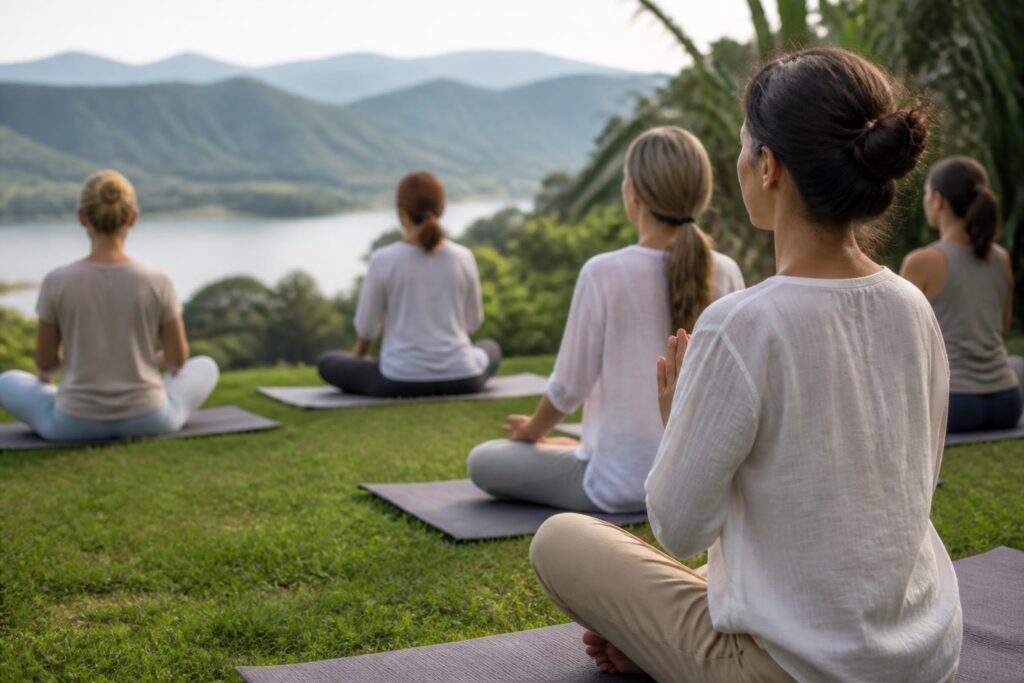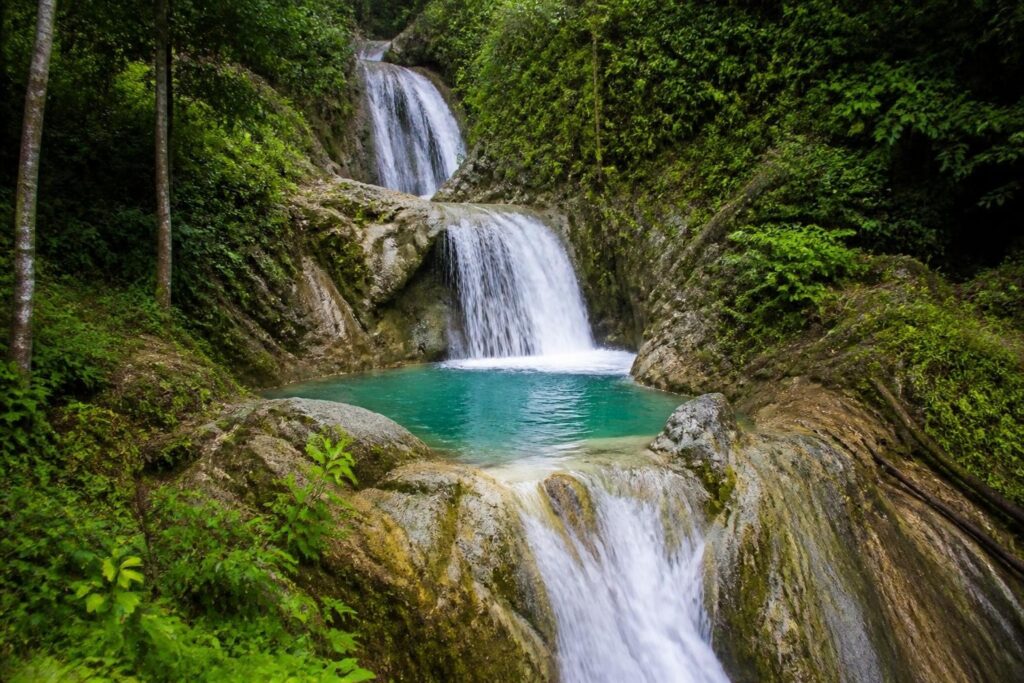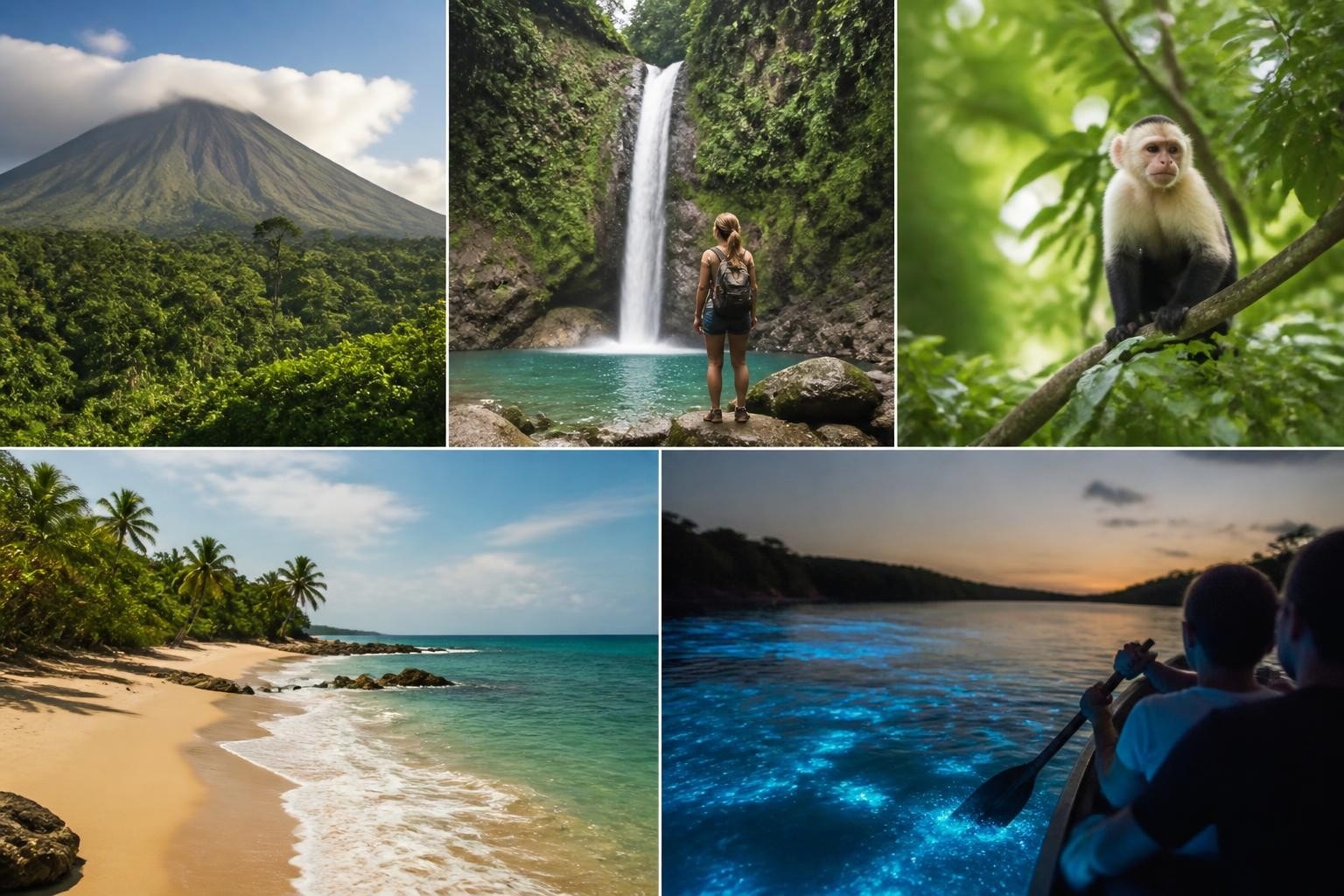
Costa Rica's Nicoya Peninsula offers a remarkable concentration of natural wonders, making it an ideal base for wellness travelers seeking to combine rejuvenation with exploration. Whether you're staying at a wellness retreat or simply passing through, the region's accessibility to diverse ecosystems means you can experience everything from cloud forests to volcanic landscapes within a single day. A well-planned day trip Costa Rica adventure allows you to immerse yourself in the country's famed biodiversity while returning to your sanctuary each evening, creating the perfect balance between excitement and restoration.
The Nicoya Peninsula holds the distinction of being one of the world's five Blue Zones, regions where people consistently live longer, healthier lives. This designation extends beyond longevity statistics to encompass the area's unique geography, which concentrates an extraordinary variety of ecosystems within relatively compact distances.
From the southern Nicoya region, travelers can reach multiple climate zones and protected areas within two to four hours. The peninsula's position along Costa Rica's Pacific coast provides access to both marine environments and interior mountain ranges. This geographic diversity means your day trip Costa Rica itinerary can include tropical dry forests, mangrove estuaries, coral reefs, and even higher-elevation reserves without requiring overnight travel.
Key distance considerations:
The infrastructure throughout the region has improved significantly, with Costa Rica’s commitment to sustainable tourism ensuring that even remote destinations maintain accessibility while preserving their natural character.
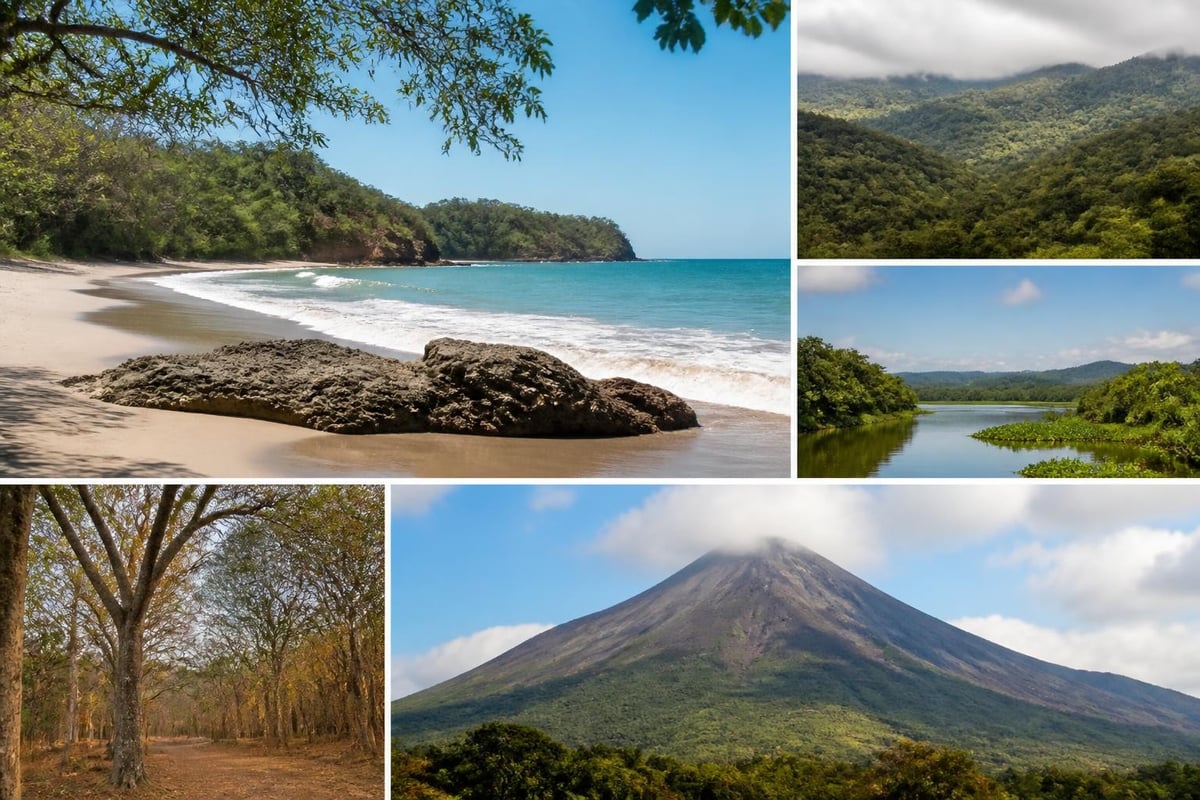
Costa Rica sits along the Pacific Ring of Fire, creating opportunities to witness active volcanic landscapes safely. While the most famous volcanoes require longer journeys from Nicoya, several geothermal areas and volcanic formations make for compelling day trips.
Though Arenal represents a longer day trip Costa Rica excursion (approximately 4.5 hours from southern Nicoya), many wellness-focused travelers consider it worthwhile for the combination of volcanic views and natural hot springs. The volcano itself remains one of the country's most photogenic landmarks, even though its explosive activity ceased in 2010.
| Attraction | Distance from Nicoya | Best For | Estimated Time |
|---|---|---|---|
| Arenal Observatory | 4.5 hours | Volcano views, hiking | Full day |
| Tabacón Hot Springs | 4.5 hours | Thermal pools, spa | Full day |
| Rincón de la Vieja | 2.5 hours | Geothermal features | 8-10 hours |
| Tenorio Volcano (Río Celeste) | 3 hours | Turquoise waterfall | 8-10 hours |
Before planning any volcanic day trip, consult current activity reports from OVSICORI to understand any restrictions or safety advisories. Costa Rica's volcanic monitoring system provides real-time updates on seismic activity, ensuring visitors can make informed decisions about their itineraries.
The geothermal areas near Rincón de la Vieja showcase bubbling mud pots, fumaroles, and natural steam vents. These features provide a tangible connection to the tectonic forces shaping Costa Rica's landscape, making them particularly engaging for travelers interested in geological education alongside their wellness journey.
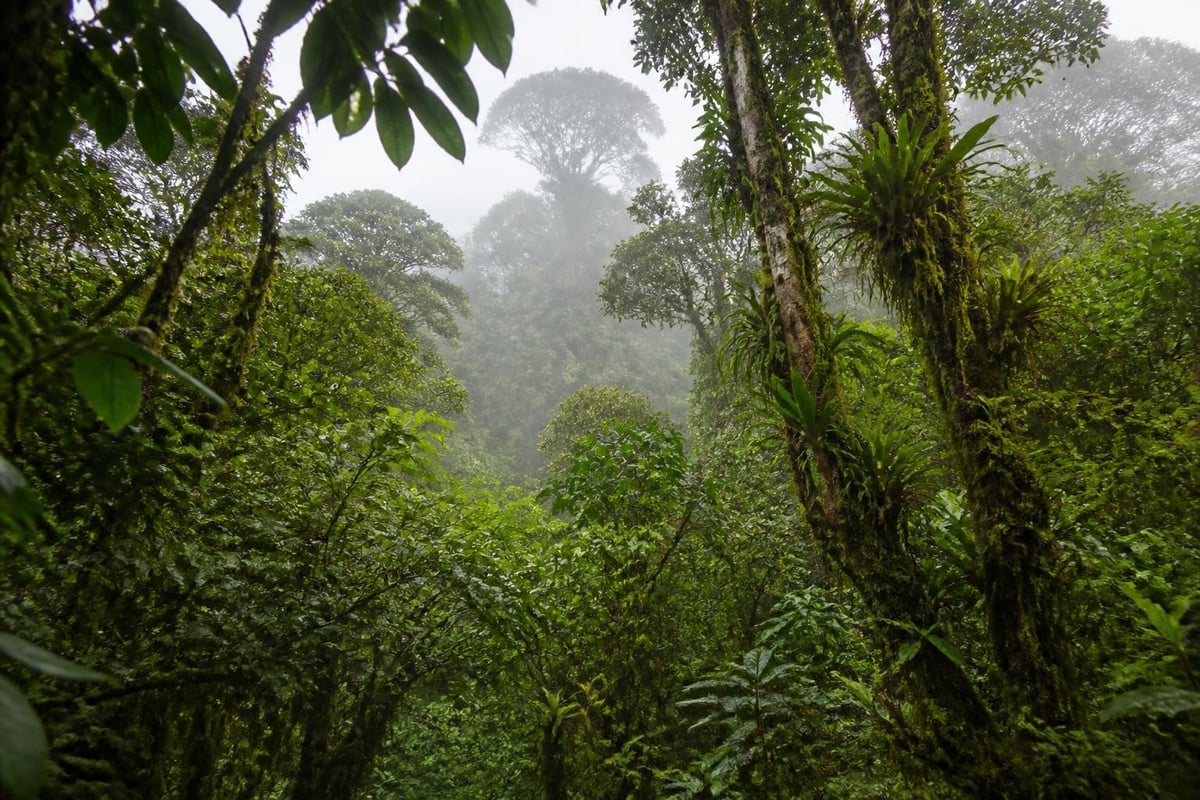
The Monteverde Cloud Forest Reserve represents one of Costa Rica's most renowned conservation areas, protecting unique highland ecosystems perpetually shrouded in mist. This day trip Costa Rica option offers a dramatically different environment from coastal Nicoya, with temperatures often 15-20 degrees cooler and humidity levels approaching saturation.
Cloud forests exist in a narrow altitudinal band where persistent cloud cover creates constant moisture. The result is an ecosystem supporting extraordinary biodiversity, including over 400 bird species, 100 mammal species, and thousands of insect varieties. The vegetation itself differs markedly from lowland forests, with trees covered in epiphytes, mosses, and bromeliads that absorb moisture directly from the air.
Essential cloud forest experiences:
The Monteverde Institute’s conservation programs demonstrate the ongoing research and community engagement that protects these fragile ecosystems. Understanding this conservation context enriches your visit, transforming it from simple tourism into meaningful participation in environmental stewardship.
Given the 3.5-hour drive from southern Nicoya, successful Monteverde day trips require early departure (6:00 AM recommended) and realistic expectations about time allocation. The journey itself traverses multiple ecosystems, providing scenic interest throughout.
Reserve your cloud forest entry in advance during peak season (December through April). Morning visits offer the best wildlife viewing opportunities, as many species remain active before midday heat. Allow at least three hours within the reserve itself to experience multiple trails and microclimates.
The waters surrounding the Nicoya Peninsula support remarkable marine biodiversity, creating opportunities for day trips focused on ocean experiences. These excursions range from gentle snorkeling to more adventurous offshore explorations, all while maintaining the restorative quality that wellness travelers seek.
One of the most magical day trip Costa Rica options combines the white-sand beaches of Tortuga Island with evening bioluminescent water tours. Soluna’s bioluminescence experience showcases this natural phenomenon, where microscopic organisms create ethereal blue-green light when disturbed.
The science behind bioluminescence involves dinoflagellates responding to movement with chemical reactions that produce cold light. This defensive mechanism, designed to startle predators, creates one of nature's most enchanting displays. Swimming through bioluminescent waters provides a profound connection to marine ecosystems and the unseen life surrounding you.
For travelers seeking a shorter coastal day trip, the Curú Wildlife National Park offers hiking, wildlife observation, and beach access within 45 minutes of many Nicoya wellness retreats. This 1,496-hectare protected area encompasses five distinct habitats, from mangrove swamps to tropical dry forest.
Wildlife commonly observed at Curú includes:
The refuge's well-maintained trail system accommodates various fitness levels, making it accessible for wellness retreat guests transitioning from restorative practices to gentle adventure. The combination of forest and beach environments within a single location maximizes your day trip efficiency.
Costa Rica's consistent rainfall and mountainous terrain create countless waterfalls, many accessible through rewarding hikes that combine physical activity with natural beauty. These excursions align perfectly with wellness principles, offering both cardiovascular exercise and the mental health benefits of forest bathing.
The Nicoya Peninsula features several waterfall hikes requiring minimal travel time. Cocalito Waterfall represents an excellent option, with a moderate trail leading through transitional forest to a multi-tiered cascade. The hike typically requires 60-90 minutes each direction, with opportunities for swimming in natural pools.
Another rewarding destination is the Arbolito de Jesús hike, which combines waterfall access with cultural significance. The trail passes through working farmland before entering primary forest, illustrating the landscape mosaic that characterizes much of Costa Rica.
Waterfall hiking preparation:
The Japanese practice of shinrin-yoku, or forest bathing, has gained scientific validation for its measurable health benefits. Studies demonstrate that time in forest environments reduces cortisol levels, lowers blood pressure, and improves immune function. A day trip Costa Rica waterfall hike provides ideal conditions for this practice, combining gentle physical exertion with sensory immersion in natural surroundings.
Pay attention to the forest's soundscape during your hike: the layered calls of different bird species, insect choruses, rustling leaves, and flowing water create a complex acoustic environment dramatically different from urban settings. This auditory richness contributes to the restorative quality of forest time.
Costa Rica supports approximately 5% of the world's biodiversity despite occupying only 0.03% of Earth's surface. This concentration makes wildlife observation exceptionally rewarding, with opportunities to see rare species without extensive searching.
The Nicoya Peninsula falls along the Pacific flyway, hosting both resident species and seasonal migrants. Bird watching tours led by experienced naturalists significantly increase your likelihood of spotting target species while learning about their behaviors and ecological roles.
| Bird Species | Best Viewing Season | Habitat | Difficulty |
|---|---|---|---|
| Scarlet macaw | Year-round | Coastal forest | Easy |
| Resplendent quetzal | December-May | Cloud forest | Moderate |
| Boat-billed heron | Year-round | Mangroves | Easy |
| Lesson's motmot | Year-round | Dry forest | Moderate |
| Mangrove hummingbird | Year-round | Mangroves | Difficult |
Responsible wildlife observation requires maintaining appropriate distances and avoiding behaviors that stress animals. Never use playback calls to attract birds (except under naturalist guidance), don't approach nesting sites, and resist the temptation to "improve" photo angles by disturbing vegetation or habitat.
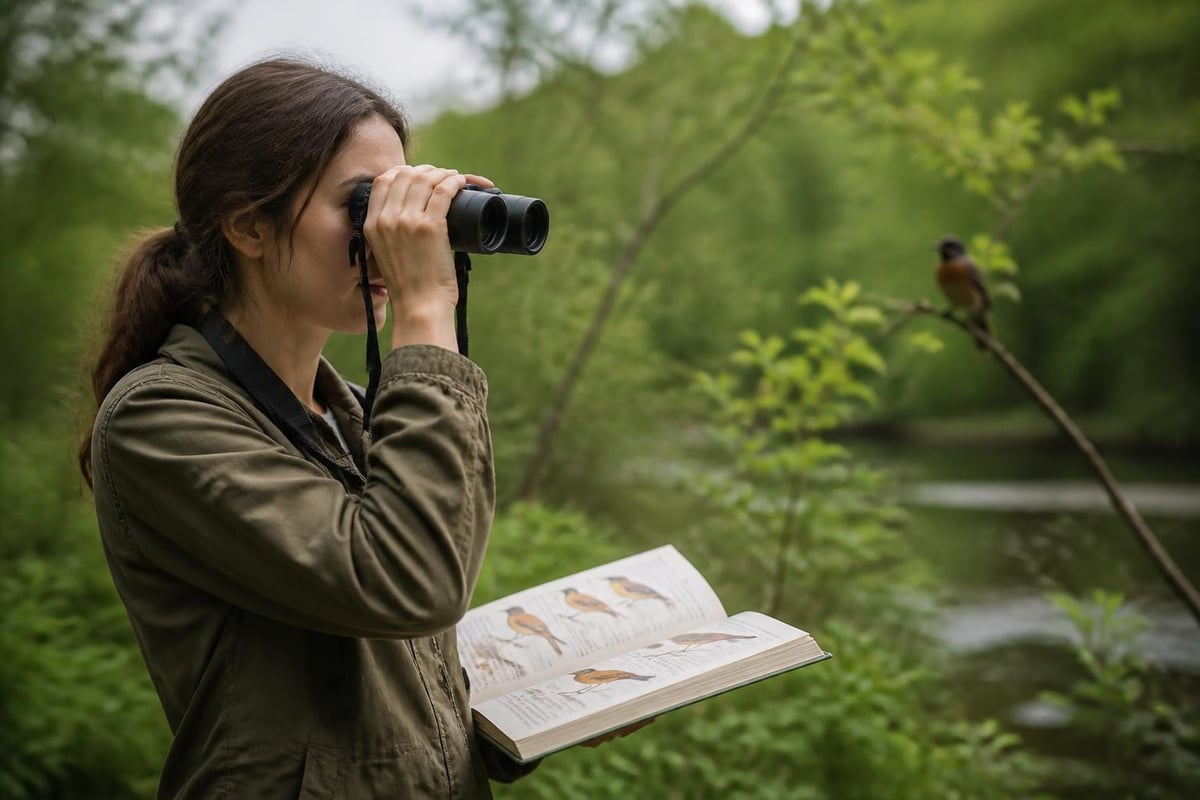
Quality binoculars transform wildlife observation, allowing you to see details invisible to the naked eye. A 8×42 or 10×42 configuration provides the magnification and light-gathering ability necessary for Costa Rica's forest environments. Similarly, a field guide specific to Costa Rican birds helps identify species and understand their ecological relationships.
Costa Rica's tourism industry has increasingly embraced sustainability, with the government's Certification for Sustainable Tourism program setting standards for environmental management, social contributions, and economic benefits to local communities.
When booking day trip Costa Rica excursions, prioritize operators displaying CST (Certificación para la Sostenibilidad Turística) credentials. This rating system evaluates businesses across multiple sustainability dimensions, from water conservation to community engagement. Higher certification levels indicate greater commitment to sustainable practices.
Sustainability factors to consider:
Individual choices significantly impact the sustainability of your day trips. Bring reusable water bottles to avoid single-use plastics (most tour operators provide refill opportunities). Choose reef-safe sunscreen to protect marine ecosystems. Pack out all trash, including organic waste that might introduce non-native seeds to protected areas.
Supporting local businesses and guides ensures that tourism revenue remains within communities rather than flowing to international corporations. This economic sustainability strengthens local support for conservation, as communities directly benefit from protecting the natural resources that attract visitors.
The most fulfilling day trip Costa Rica experiences integrate adventure with the restorative practices central to wellness retreats. This balance prevents the exhaustion that can accompany overly ambitious itineraries while maintaining the excitement of exploration.
A well-designed day trip alternates active and passive elements, allowing your body to recover between exertions while keeping your mind engaged. For example, a volcano day trip might include:
Morning: Moderate hike with elevation gain to viewpoint
Midday: Hot springs soaking and lunch
Afternoon: Gentle nature walk at lower elevation
Evening: Return journey with sunset observation stops
This rhythm honors your body's natural energy fluctuations while maximizing experience variety. The transitions between activities provide processing time to absorb what you've encountered rather than rushing from one attraction to the next.
If you're building day trips into a longer wellness retreat, strategic scheduling enhances both elements. Place more demanding excursions mid-retreat when your energy is highest. Bookend your stay with gentler activities like horseback riding or beach time to ease into and out of the retreat experience.
Consider alternating adventure days with purely restorative days. This pattern prevents the accumulated fatigue that can undermine wellness benefits. Your body requires time to integrate the benefits of yoga, meditation, and bodywork alongside the stimulation of exploration.
Successful day trips require attention to practical details that might seem minor but significantly impact comfort and enjoyment. Costa Rica's tropical climate and varied terrain demand specific preparations.
Create a standardized day-trip packing list to ensure you never forget critical items:
Clothing and footwear:
Health and safety:
Technology and documentation:
Renting a vehicle provides maximum flexibility for day trip Costa Rica adventures, though Costa Rica's roads require confident driving. Many routes involve unpaved sections, river crossings (in dry season), and steep grades. Four-wheel drive is essential for reaching certain destinations.
Alternatively, private guided tours eliminate navigation stress while adding interpretive value through naturalist expertise. This option often proves more economical than rental vehicles when factoring in fuel, parking, and potential wrong turns in remote areas.
| Transportation Option | Pros | Cons | Best For |
|---|---|---|---|
| Private guided tour | Expert knowledge, no driving stress | Higher cost, fixed schedule | First-time visitors, specialty interests |
| Rental 4WD vehicle | Maximum flexibility, multiple stops | Driving challenges, navigation | Experienced travelers, custom itineraries |
| Shared shuttle | Economical, meets other travelers | Limited schedule, less flexibility | Budget-conscious, popular destinations |
| Combination approach | Balances cost and convenience | Requires coordination | Extended stays, varied destinations |
Costa Rica's tropical location means year-round warm temperatures, but distinct wet and dry seasons significantly affect day trip experiences. Understanding these patterns helps you set appropriate expectations and pack correctly.
The dry season offers the most predictable weather, with minimal rainfall and consistently sunny skies. This period coincides with peak tourism, meaning higher prices and more crowded attractions. However, the reliable conditions make it ideal for activities dependent on weather, such as volcano viewing or long hikes.
Wildlife observation can be easier during dry season as animals concentrate near remaining water sources. Conversely, some landscapes appear brown and parched compared to wet season's lush green.
Costa Rica's tourism industry has rebranded the wet season as "green season," emphasizing the advantages rather than focusing on rain. During these months, afternoon showers occur almost daily, but mornings typically remain clear. This pattern makes early-departure day trips particularly practical.
Green season advantages include:
Pack rain gear regardless of season, as microclimates and elevation changes create localized weather patterns. Mountain areas receive precipitation even during dry season, while some Pacific coastal zones remain relatively dry year-round.
Beyond natural attractions, cultural experiences provide insight into Costa Rican traditions and the communities sustaining them. These day trips often combine with nature-based activities, creating rich, multifaceted experiences.
Costa Rica's coffee culture runs deep, with small-scale farms throughout the highlands producing exceptional beans. Farm tours demonstrate the complete process from cultivation through roasting, often including tastings that reveal the complexity of properly grown and processed coffee.
Similarly, cacao farms showcase chocolate production from tree to bar. These agricultural tourism experiences support family farms while educating visitors about sustainable farming practices and fair-trade economics.
Visiting artisan cooperatives and local markets connects you with traditional crafts while supporting local economies. The town of Guaitil, approximately two hours from southern Nicoya, is renowned for Chorotega pottery using pre-Columbian techniques. Watching artisans shape and fire clay using methods unchanged for centuries provides tangible connection to Costa Rica's indigenous heritage.
Farmers markets throughout the region offer opportunities to sample tropical fruits, interact with vendors, and observe daily Costa Rican life beyond tourism contexts. These experiences ground your day trip Costa Rica adventures in authentic cultural exchange rather than purely nature-focused activities.
Some day trips combine multiple activities into comprehensive experiences that maximize your time and provide varied perspectives on a single region. These packages eliminate the need for independent planning while ensuring logical flow between activities.
A Monteverde adventure package might include:
This structure provides approximately 10-11 hours of activities and transportation, representing a full but not exhausting day. The variety prevents monotony while the thematic coherence creates a cohesive narrative.
Working with local operators who understand wellness principles allows you to customize day trips to match your energy levels and interests. Perhaps you prefer replacing the afternoon hike with spa time at hot springs, or extending the coffee tour while abbreviating other elements. This flexibility ensures your day trip Costa Rica experience enhances rather than detracts from your overall wellness journey.
Planning thoughtful day trips from your Nicoya Peninsula base enriches your Costa Rica experience by revealing the country's remarkable ecological and cultural diversity. The key lies in balancing adventure with restoration, ensuring each excursion energizes rather than depletes you. Soluna specializes in creating bespoke wellness retreats that seamlessly integrate curated day trips with restorative practices, allowing you to explore Costa Rica's natural wonders while maintaining the rejuvenation that brought you to the Blue Zone. Their intimate knowledge of the region ensures you experience the peninsula's best offerings without the stress of independent planning, returning each evening to your sanctuary refreshed rather than exhausted.