Women today face unprecedented levels of stress, burnout, and the constant pressure to balance career, family, and personal wellbeing. The rise of wellness retreats for women reflects a growing recognition that dedicated time for self-care is not a luxury but a necessity. These immersive experiences offer more than a simple vacation; they provide transformative opportunities to reset, recharge, and reconnect with yourself in ways that everyday life rarely permits. According to the Global Wellness Institute’s latest wellness tourism data, the wellness travel market continues to expand significantly, with women representing the majority of participants seeking intentional, health-focused journeys.
The demands placed on contemporary women extend far beyond previous generations. Professional responsibilities, caregiving duties, social expectations, and digital connectivity create a persistent state of hypervigilance that depletes mental and physical resources. Research published in Nature Medicine highlights the importance of self-care interventions for women’s health, demonstrating that targeted wellness programs can significantly improve both physical health outcomes and psychological wellbeing.
Wellness retreats for women address these unique challenges by creating protected spaces dedicated entirely to restoration and growth. Unlike general vacation experiences, these programs are intentionally designed around women's specific health needs, hormonal considerations, and the desire for authentic community with other women navigating similar life stages.
Evidence supporting the health impact of wellness retreats continues to grow. A systematic review on residential retreats examined multiple studies and found measurable improvements in stress levels, depression symptoms, and overall quality of life among participants. These benefits often persisted for months following retreat completion, suggesting that immersive wellness experiences create lasting behavioral and psychological changes.
The mechanisms behind these improvements involve multiple factors:
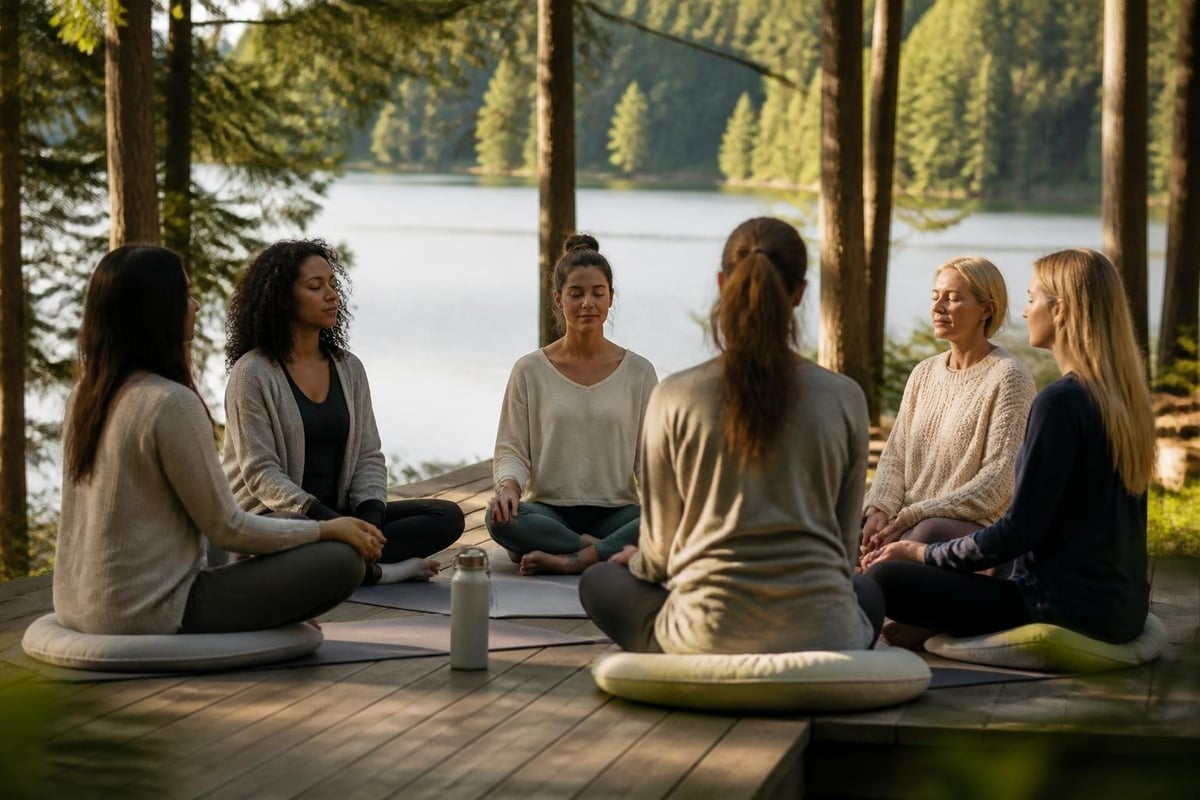
The wellness retreat landscape offers diverse options tailored to different goals, preferences, and life circumstances. Understanding these variations helps women select experiences aligned with their specific needs and desired outcomes.
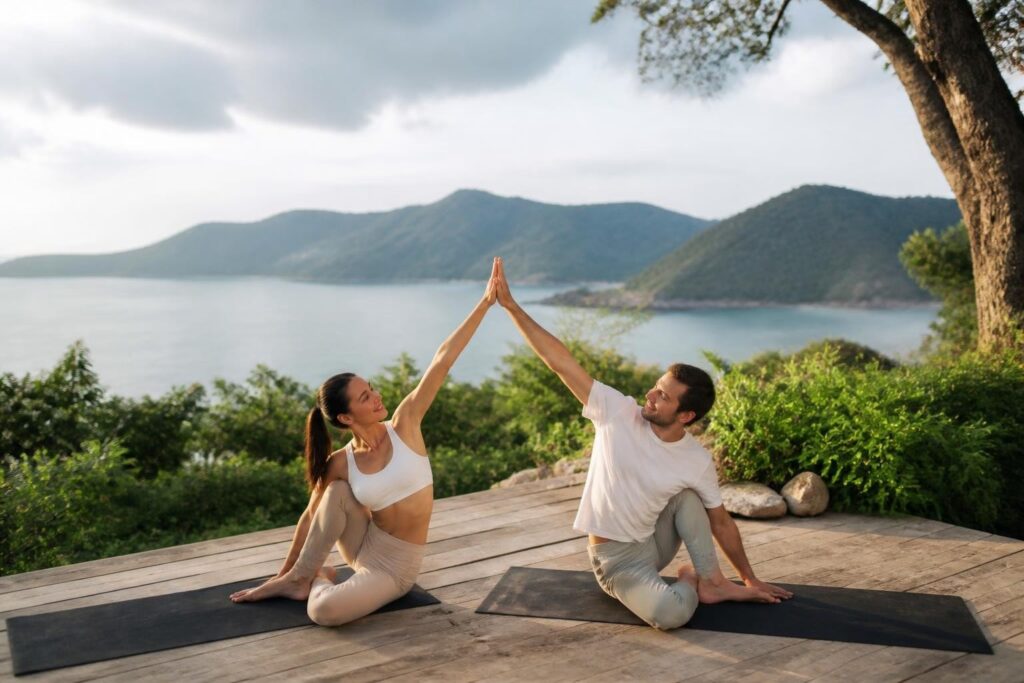
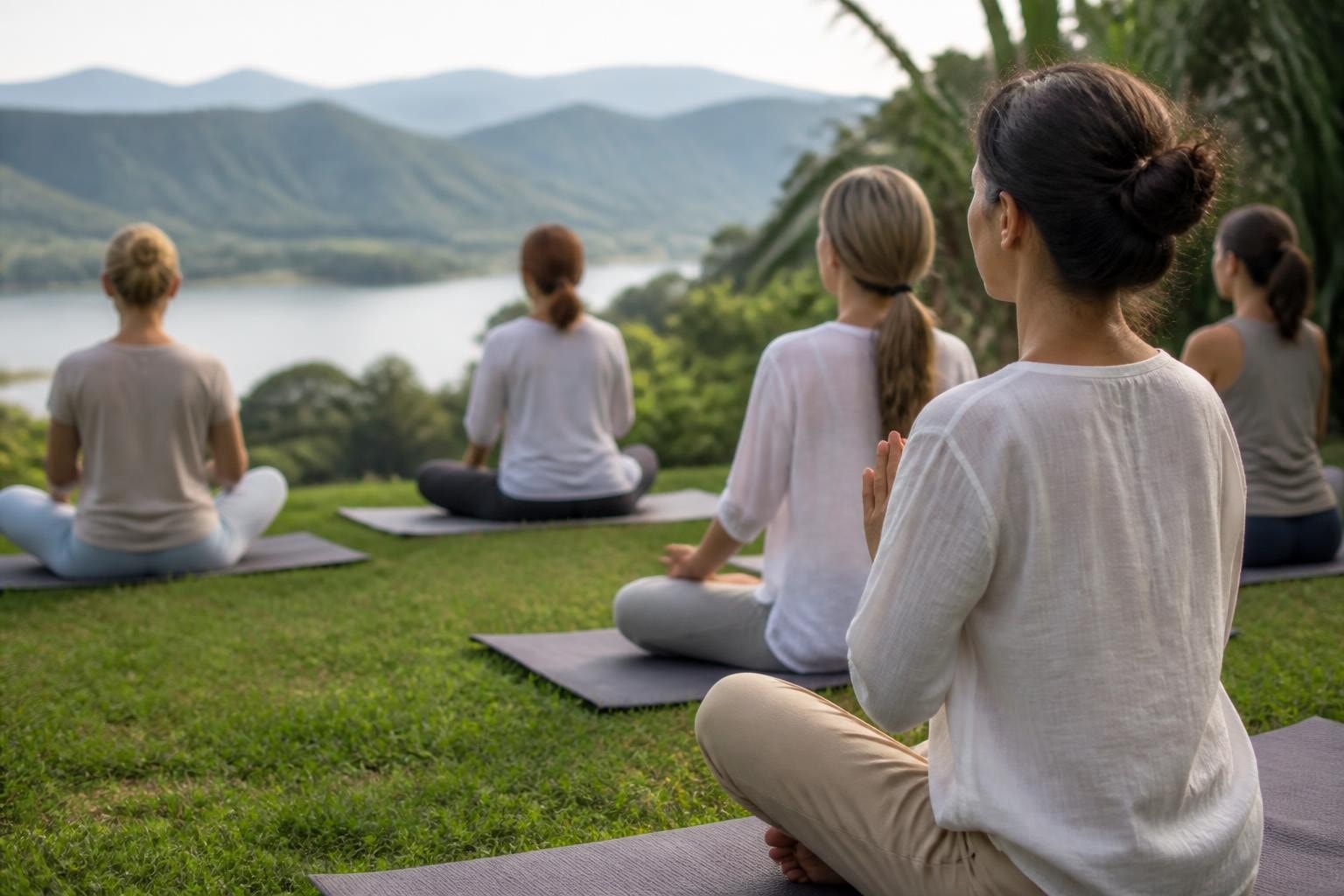
These programs center on contemplative practices designed to quiet mental chatter and cultivate present-moment awareness. Daily yoga sessions ranging from gentle restorative classes to vigorous vinyasa flows accommodate various fitness levels and physical limitations. Research from Harvard Health demonstrates how meditation and mindfulness practices effectively reduce anxiety and depression symptoms, making these retreats particularly valuable for women managing mood challenges.
Typical elements include:
For women seeking physical challenge combined with natural beauty, adventure wellness retreats offer dynamic experiences that build confidence while promoting fitness. These programs recognize the profound connection between nature exposure and health benefits, integrating outdoor activities with wellness practices. Costa Rica's Nicoya Blue Zone, home to some of the world's longest-living populations, provides an ideal setting for these transformative experiences.
Adventure wellness retreats may include:
| Activity Type | Physical Benefit | Mental Benefit | Spiritual Benefit |
|---|---|---|---|
| Jungle hiking | Cardiovascular fitness | Stress reduction | Connection to nature |
| Surfing lessons | Core strength, balance | Presence, flow state | Humility, persistence |
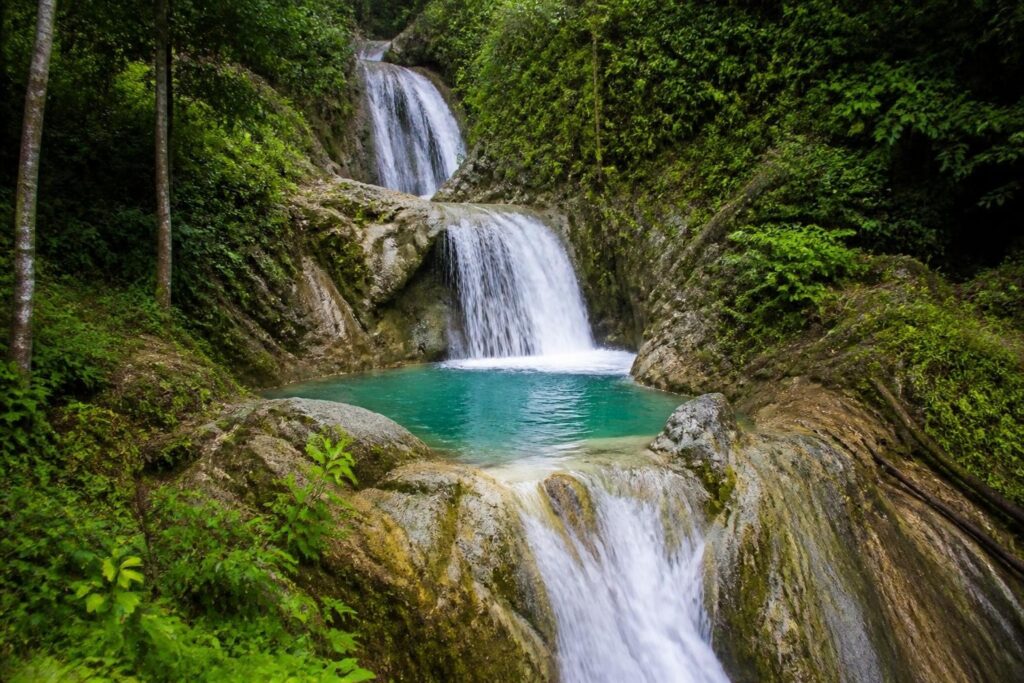
| Waterfall exploration | Full-body movement | Wonder, awe | Renewal, cleansing |
| Wildlife observation | Gentle walking | Mindfulness | Interconnection |
Programs like those found in the adventure category demonstrate how physical challenge and natural immersion create powerful catalysts for personal transformation.
These comprehensive programs address wellness from multiple angles, combining nutrition education, body treatments, fitness activities, and stress management techniques. Women often choose these retreats when seeking to establish healthier habits or address specific health concerns like digestive issues, hormonal imbalances, or chronic fatigue.
Components typically include:
Selecting from the growing number of wellness retreats for women requires careful consideration of multiple factors. The most transformative experiences result from strong alignment between personal goals, retreat offerings, and individual preferences.
Begin by clarifying what you hope to gain from the retreat experience. Different objectives suggest different program types:
For stress relief and mental clarity: Choose retreats emphasizing meditation, gentle yoga, and quiet contemplation. Look for programs offering significant unstructured time and natural settings that promote relaxation.
For physical transformation: Select active retreats incorporating fitness classes, outdoor adventures, and nutritional guidance. Programs with personal training or body composition assessments provide structure and accountability.
For emotional healing: Seek retreats offering therapeutic modalities like journaling workshops, creative expression, or guided emotional release work. Smaller group sizes facilitate deeper processing and sharing.
For life transitions: Consider retreats specifically designed for particular life stages (motherhood, menopause, career changes, loss) where facilitators understand unique challenges and fellow participants share common experiences.
Not all wellness retreats for women maintain equivalent standards of expertise, safety, or ethical practices. Critical evaluation factors include:
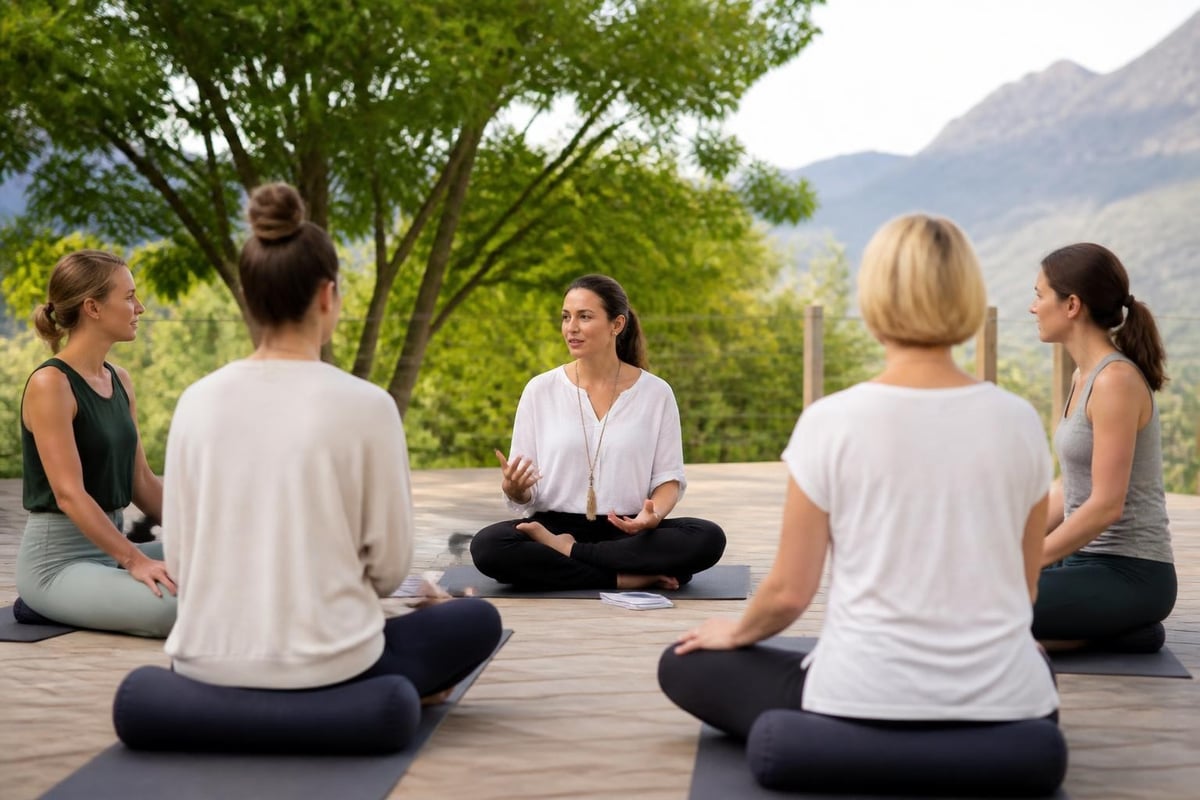
Wellness retreats for women vary significantly in structure and duration. Each format offers distinct advantages:
Weekend intensives (2-3 days) provide accessible entry points for those new to retreats or with limited time availability. While shorter, these concentrated experiences still create separation from daily routines and introduce wellness practices. They work well for establishing whether retreat experiences resonate with you before committing to longer programs.
Week-long retreats (5-8 days) represent the optimal duration for many women seeking meaningful transformation. This timeframe allows several days to decompress and adjust, followed by deeper exploration of practices and personal insights. Research suggests this duration produces measurable physiological changes in stress markers and establishes new habit patterns. Options like 4-night adventure packages or extended 7-night programs balance immersion with practical scheduling.
Extended retreats (2+ weeks) facilitate profound shifts in perspective and lifestyle. These longer commitments suit women navigating major life transitions, recovering from burnout, or pursuing serious meditation practice. The extended duration allows nervous system regulation to fully unfold and new behaviors to consolidate.
Location profoundly influences retreat experiences. The wellness tourism sector increasingly recognizes how destination characteristics contribute to healing and transformation.
Certain geographic areas demonstrate exceptional population health and longevity, offering unique environments for wellness retreats. Costa Rica's Nicoya Peninsula, designated a Blue Zone, provides living examples of lifestyle practices that support vitality into advanced age. Experiencing these communities firsthand offers insights that transcend intellectual understanding.
Blue Zone characteristics benefiting retreat participants:
Wellness retreats for women in these regions allow immersion in cultures that naturally embody many principles wellness programs aim to teach. This experiential learning creates powerful reference points for post-retreat life.
Climate and landscape significantly affect retreat experiences. Tropical environments offer distinct advantages for certain wellness goals:
Tropical benefits: Year-round warmth facilitates outdoor activities, ocean access provides therapeutic benefits through swimming and negative ions, lush vegetation creates sensory richness, and increased light exposure can improve mood and circadian rhythm regulation.
Temperate benefits: Seasonal experiences connect participants to natural cycles, cooler weather supports certain physical activities without heat stress, and familiar climates may feel more comfortable for those sensitive to heat and humidity.
Consider personal preferences, health conditions (heat sensitivity, respiratory issues), and the specific activities you want to pursue when evaluating climate options.
Understanding typical retreat structures helps set realistic expectations and maximize benefits. While wellness retreats for women vary in specifics, certain patterns commonly emerge.
Most retreats establish consistent daily routines that support circadian rhythm regulation and habit formation. A representative schedule might include:
6:00-7:00 AM: Sunrise meditation or gentle movement
7:30-9:00 AM: Nourishing breakfast with whole foods
9:30-11:30 AM: Morning activity (yoga, hiking, workshops)
12:00-1:30 PM: Lunch and rest period
2:00-4:00 PM: Afternoon session (skill-building, treatments)
4:30-6:00 PM: Free time for journaling, rest, or optional activities
6:00-7:00 PM: Evening yoga or meditation
7:30-9:00 PM: Dinner and community time
This structure balances engagement with rest, preventing the exhaustion that defeats wellness goals. Quality programs also incorporate unscheduled time for individual processing and integration.
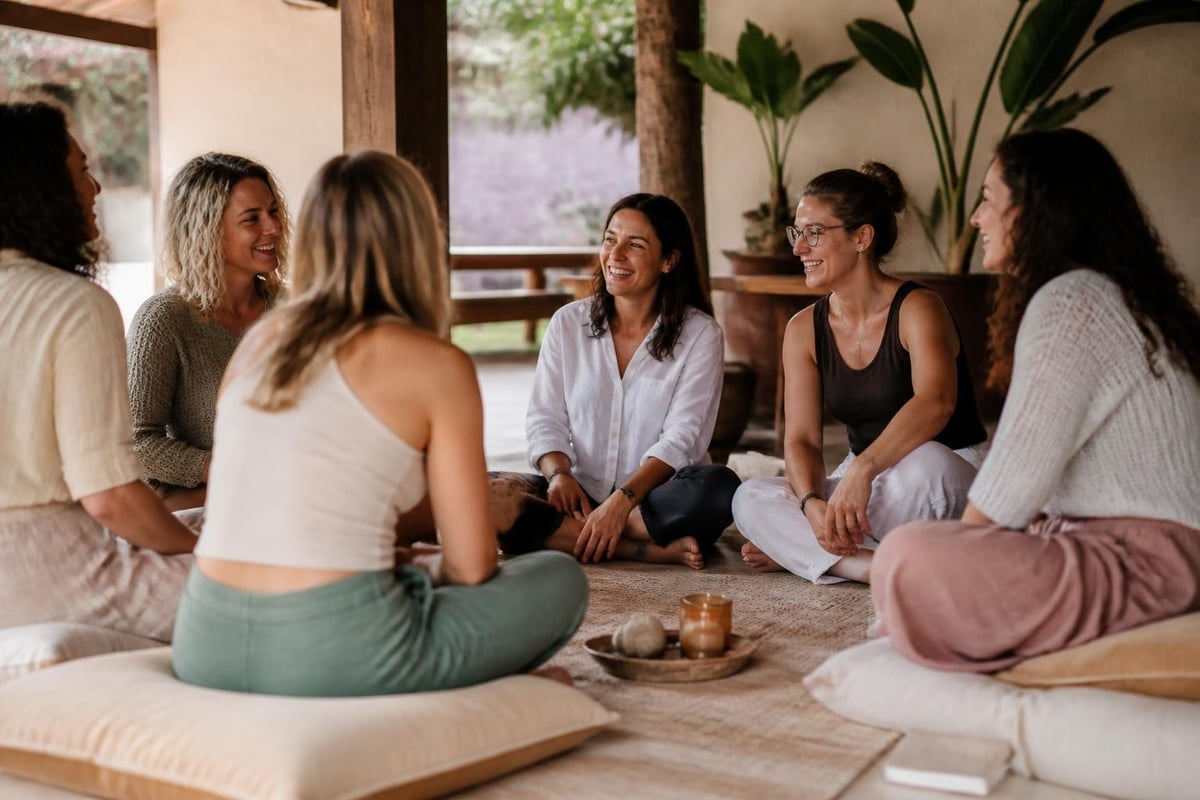
The social environment at wellness retreats for women deserves careful attention. Many participants report that connections formed with other women represent among the most valuable retreat outcomes. Shared vulnerability, mutual support, and witnessing others' growth create bonding that differs from typical friendships.
Successful retreat communities establish:
Women attending solo often discover that this independence enhances rather than diminishes their experience, removing social obligations and allowing complete focus on personal needs.
The most significant challenge following wellness retreats for women involves translating retreat experiences into sustainable daily practices. Research indicates that without intentional integration strategies, retreat benefits often diminish within weeks of returning home.
Before departing, dedicate time to identifying specific practices you will continue. Effective integration plans include:
Starting small increases sustainability. A daily ten-minute meditation practice maintained consistently produces more lasting benefits than ambitious hour-long sessions that quickly become overwhelming.
Certain elements unique to retreat settings (ocean proximity, complete schedule freedom, chef-prepared meals) cannot be directly replicated at home. Focus instead on the underlying principles these elements served.
Retreat element: Daily ocean swims for stress relief
Home adaptation: Regular visits to local parks, lakes, or even intentional baths with Epsom salts
Retreat element: Complete digital disconnection
Home adaptation: Designated phone-free hours, separate charging location from bedroom, app time limits
Retreat element: Nutritious meals prepared by others
Home adaptation: Batch cooking on weekends, simple whole-food recipes, healthy meal delivery services
The goal is not perfect replication but consistent implementation of practices supporting your wellbeing within real-world constraints.
Wellness retreats for women represent significant financial and time investments. Understanding value propositions helps determine whether and when these experiences make sense for your circumstances.
Retreat pricing varies dramatically based on multiple variables:
| Factor | Budget Range | Mid-Range | Luxury Range |
|---|---|---|---|
| Accommodation | Shared rooms, basic facilities | Private rooms, moderate amenities | Luxury suites, premium facilities |
| Group size | 15-25 participants | 10-15 participants | 6-10 participants |
| Inclusions | Core programming only | Most meals and activities | All-inclusive with treatments |
| Location | Domestic, accessible areas | International, special settings | Exclusive, remote destinations |
Typical investment ranges from $150-300 per day for basic programs to $500-1,000+ daily for luxury offerings. When evaluating costs, consider the per-day breakdown and what is included versus additional expenses for treatments, excursions, or travel.
Beyond monetary costs, consider the potential returns wellness retreats for women can provide:
Health returns: Reduced medical expenses from stress-related conditions, improved sleep quality, enhanced immune function, and better chronic disease management.
Professional returns: Increased productivity, clearer decision-making, enhanced creativity, and reduced burnout risk that could otherwise derail careers.
Relational returns: Improved emotional regulation benefiting all relationships, energy to invest in connections that matter, and modeling self-care for children or others you influence.
Personal returns: Greater life satisfaction, renewed sense of purpose, expanded self-awareness, and skills for managing future challenges.
When viewed through this comprehensive lens, quality wellness experiences often represent exceptional value despite upfront costs.
Women's health and wellness needs evolve throughout life. Increasingly, wellness retreats for women target specific demographics and life phases with tailored programming.
Women in intensive caregiving roles (young children, aging parents, special needs family members) face unique burnout risks. Retreats designed for this population acknowledge the guilt and logistics surrounding time away while providing desperately needed restoration.
These programs often feature:
Some retreats accommodate mothers bringing children with childcare provided, while others specifically create child-free environments for complete mental separation.
The perimenopausal and menopausal transitions bring significant physical, emotional, and identity shifts that wellness retreats can specifically address. Programming recognizes hormonal changes, body image concerns, and the existential questions arising during this passage.
Relevant retreat elements include:
This life stage often coincides with greater financial resources and children's independence, creating ideal conditions for retreat participation.
Career changes, whether voluntary or forced, create stress and uncertainty. Specialized retreats support women navigating professional pivots through clarity practices, skills assessment, and visioning work.
These programs balance restoration with strategic planning, helping participants emerge with renewed energy and clearer direction. Content might address entrepreneurship, encore careers, retirement planning, or industry transitions.
Thorough preparation enhances retreat experiences and outcomes. Women who invest time in pre-retreat planning report greater satisfaction and smoother transitions into program participation.
If your chosen retreat includes significant physical activity, gradual conditioning prevents injury and allows fuller participation. For yoga-intensive programs, establish a basic home practice weeks before departure. For hiking or adventure-focused retreats, build cardiovascular fitness and leg strength through regular walking or climbing stairs.
Medical considerations matter equally. Consult healthcare providers about any chronic conditions, ensure adequate prescription medication supplies, and discuss whether retreat activities present concerns given your health status. Bring copies of relevant medical information and insurance cards.
Creating psychological readiness supports deeper retreat engagement. Practices that help include:
Beyond standard travel items, wellness retreats for women require specific gear:
For yoga retreats: Mat (or confirm availability), comfortable layered clothing, blocks and straps if you use modifications
For nature-based retreats: Appropriate footwear for terrain, sun protection, insect repellent, reusable water bottle, waterproof bag for electronics
For all retreats: Journal and pens, any spiritual or comfort items meaningful to you, basic first aid supplies, healthy snacks for travel days
Pack lighter than typical vacations. Retreat environments emphasize simplicity, and excessive belongings create unnecessary decision fatigue. Many women report that paring down possessions for retreat mirrors the mental decluttering they seek.
While dedicated wellness retreats for women offer unique benefits, incorporating retreat principles into regular life extends their value. Periodic mini-retreats at home or locally maintain the connection to practices and insights gained during immersive experiences.
Monthly or quarterly day-long personal retreats provide powerful resets without extensive travel or expense. Effective home retreats require:
Boundary-setting: Communicate with household members that you are unavailable except for emergencies. Silence phone notifications and avoid email.
Space preparation: Designate a specific area for retreat activities. Clear clutter, perhaps add candles or flowers, and ensure comfort.
Structured schedule: Plan your day in advance with blocks for movement, meditation, journaling, reading, nourishing meals, and rest. Structure prevents aimless scrolling while allowing flexibility.
Nature connection: Incorporate outdoor time even if only in your backyard or a nearby park. The health benefits of nature access apply to brief exposures, not only extended wilderness immersion.
Investigate retreat centers, monasteries, or wellness facilities within driving distance offering day or overnight programs. These local options provide environmental change without significant travel demands. Even staying overnight at a nearby retreat center creates psychological separation that home-based experiences cannot fully replicate.
Many women alternate between annual destination retreats and quarterly local or home-based mini-retreats, creating a sustainable rhythm of regular renewal. Exploring the retreats category can provide inspiration for both immersive and abbreviated wellness experiences.
Wellness retreats for women offer transformative opportunities to prioritize health, reset perspectives, and establish sustainable self-care practices amid demanding modern life. The most successful experiences align personal goals with appropriate program types, locations, and formats while incorporating thoughtful preparation and post-retreat integration strategies.
Whether you are drawn to the tranquil practice of yoga, the exhilaration of outdoor adventure, or comprehensive holistic programming, investing in dedicated wellness time yields returns extending far beyond the retreat itself. Soluna specializes in creating bespoke wellness experiences for women in Costa Rica's remarkable Nicoya Blue Zone, combining yoga, nature immersion, and adventure activities tailored to your unique needs. Discover how a personalized retreat in this extraordinary location can support your wellness journey.