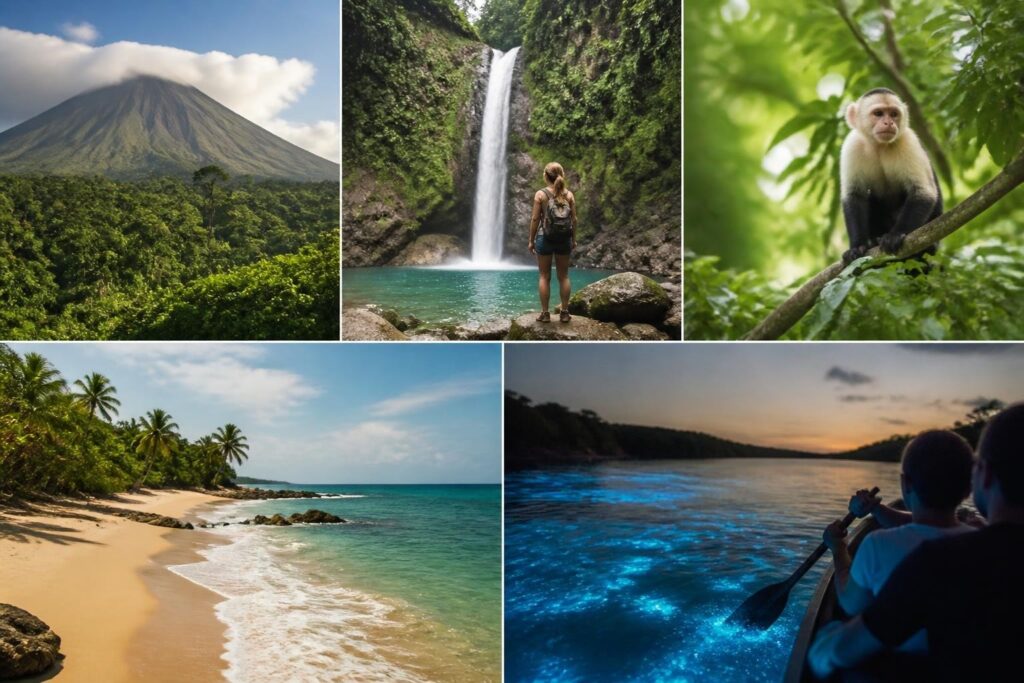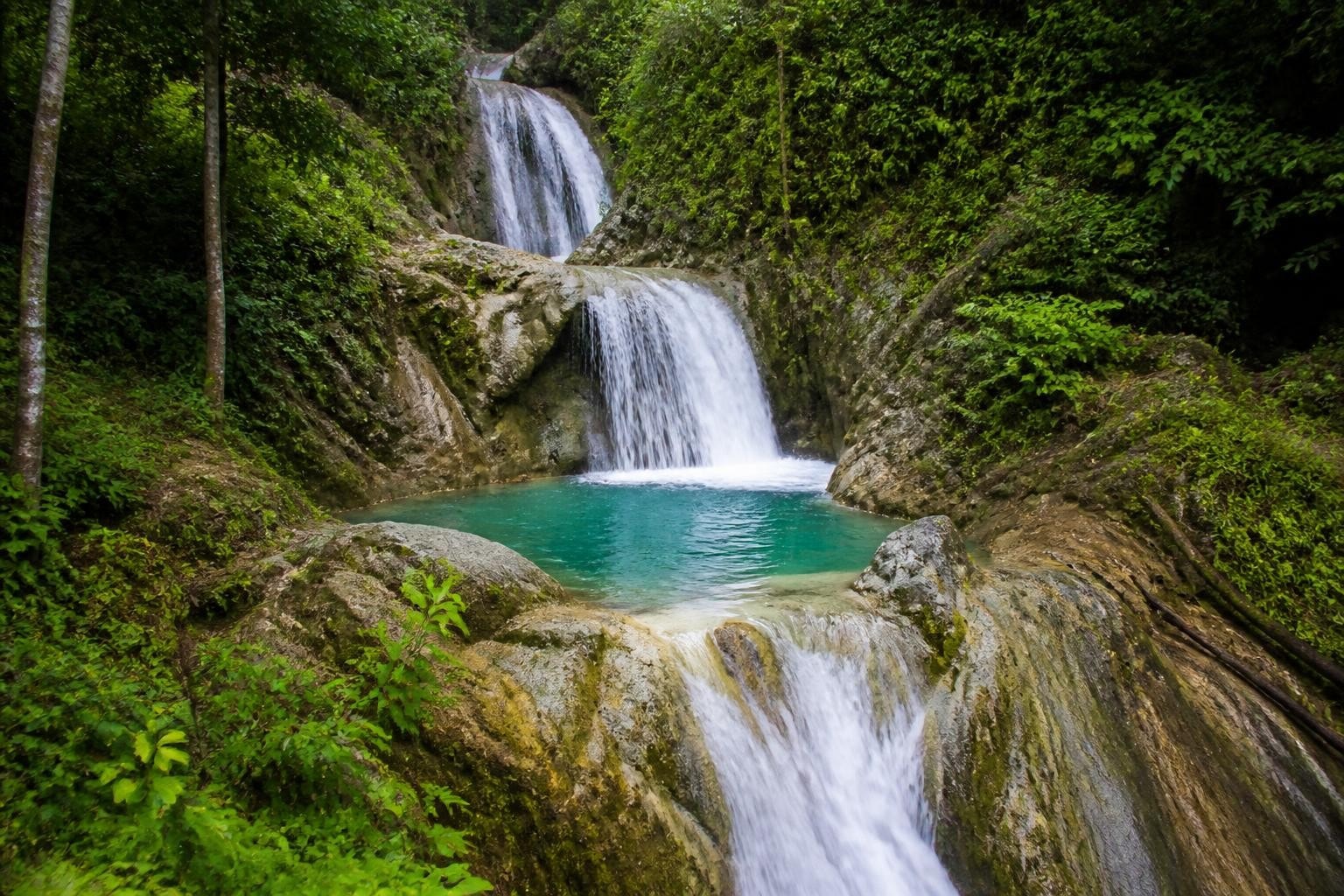
The journey to montezuma waterfalls costa rica represents more than a simple day hike. This trio of cascading falls tucked into the tropical rainforest of the Nicoya Peninsula offers travelers a rare combination of accessible adventure and transformative natural beauty. Each tier reveals its own personality, from gentle swimming pools to dramatic 80-foot cascades, creating an immersive experience that aligns perfectly with wellness-focused travel.
The montezuma waterfalls costa rica trail begins just outside the bohemian beach town of Montezuma, following a well-trodden path through dense jungle canopy. The main route spans approximately 1.5 miles roundtrip, though the varying terrain makes the journey feel more substantial than the distance suggests.
Two primary entry points serve hikers heading to the falls. The most popular trailhead starts at the north end of Montezuma village, clearly marked with wooden signs directing visitors inland. A less-traveled alternative begins near the Sun Trails entrance, offering a slightly longer but more serene approach.
Trail Characteristics:
The path requires crossing the Montezuma River multiple times, with water levels varying significantly between dry season (December through April) and wet season (May through November). Lonely Planet’s trail overview notes that proper footwear becomes critical during higher water periods.
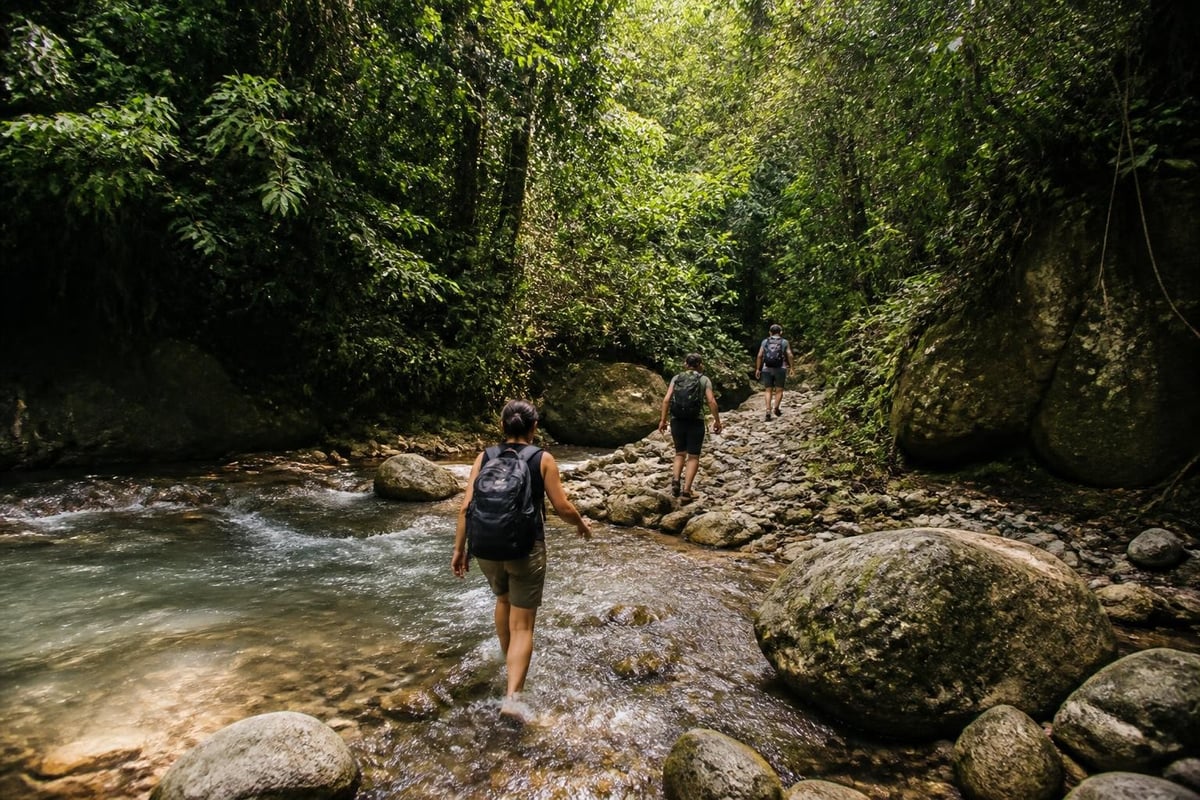
Each waterfall tier at montezuma waterfalls costa rica offers distinct experiences for visitors seeking both adventure and tranquility.
| Waterfall Tier | Height | Best For | Access Difficulty |
|---|---|---|---|
| Lower Falls | 15 feet | Swimming, families | Easy |
| Middle Falls | 30 feet | Photography, intermediate swimming | Moderate |
| Upper Falls | 80 feet | Scenic views, experienced hikers | Challenging |
The lower falls greet hikers first, providing a gentle introduction with shallow pools perfect for cooling off. Many families choose to make this their turnaround point, enjoying the accessible swimming area without tackling more technical terrain.
Continuing upstream, the middle falls require navigating slippery rocks and using fixed ropes to ascend steeper sections. This tier features deeper pools and stronger currents, attracting confident swimmers and those seeking more dramatic scenery. The official Puntarenas regional guide emphasizes exercising caution around all swimming areas.
The upper falls demand the greatest physical commitment. The final ascent involves rope-assisted climbing over wet boulders and exposed rock faces. Reaching the top reveals the most spectacular cascade, where water plunges 80 feet into a deep turquoise pool surrounded by virgin rainforest.
Responsible exploration of montezuma waterfalls costa rica requires acknowledging inherent risks while preparing appropriately for jungle conditions.
The falls have witnessed occasional accidents, primarily from cliff jumping, slipping on wet rocks, and underestimating current strength. Local emergency services remain limited, making prevention the most effective safety strategy.
Critical Safety Measures:
The rocks surrounding all three tiers maintain a perpetual slickness from constant mist and algae growth. Even experienced hikers should move deliberately, using three-point contact when scrambling. Rough Guides recommendations stress that rushing through difficult sections significantly increases injury risk.
Seasonal variations dramatically affect the montezuma waterfalls costa rica experience. Dry season (December-April) offers the most predictable conditions, with lower water volumes making river crossings safer and rocks more visible. The trade-off comes in potentially crowded trails during peak tourism months.
Wet season (May-November) transforms the falls into roaring torrents, creating spectacular visual displays but also hazardous conditions. Water levels can rise rapidly during afternoon storms, potentially trapping hikers on the wrong side of the river. Early morning visits during any season provide the best combination of manageable crowds and optimal lighting for photography.
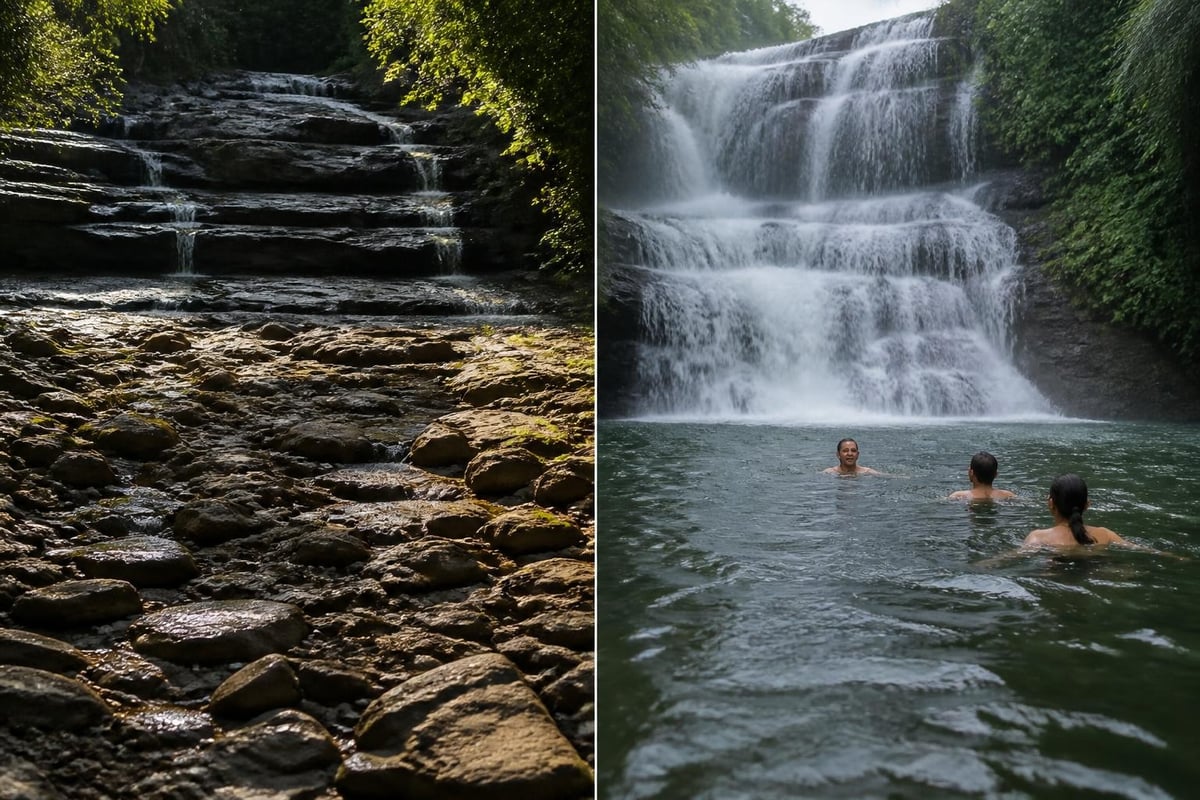
Strategic preparation transforms the montezuma waterfalls costa rica hike from a challenging scramble into an enriching wellness experience.
| Item Category | Essential Items | Optional Upgrades |
|---|---|---|
| Footwear | Water shoes or hiking sandals | Approach shoes with aggressive tread |
| Protection | Reef-safe sunscreen, insect repellent | Lightweight rain jacket |
| Hydration | 2 liters water per person | Electrolyte tablets |
| Safety | First aid kit, whistle | Waterproof phone case |
| Comfort | Quick-dry towel, swimsuit | Waterproof dry bag (20L) |
Standard hiking boots prove counterproductive on this trail. The frequent water crossings and perpetually wet rocks demand footwear that drains quickly while maintaining traction. Many wellness travelers find that quality water shoes provide the ideal balance of protection and functionality.
Aligning your body and mind before tackling montezuma waterfalls costa rica enhances both safety and enjoyment. Those incorporating wellness activities into their Costa Rica journey often approach the falls as a moving meditation rather than a physical challenge to conquer.
Physical Preparation:
Mental Preparation:
The montezuma waterfalls costa rica experience complements broader wellness objectives when approached intentionally rather than as a tourist checkbox.
Transform the trail into a nature-based therapy session by engaging all senses throughout the journey. Notice the temperature shifts as you move between sun-dappled clearings and shaded jungle passages. Listen for howler monkeys, tropical birds, and the growing roar of cascading water. Feel the texture transitions between smooth river stones and rough volcanic rock.
The rope-assisted climbs demand complete presence, naturally pulling attention away from mental chatter and into the immediate physical experience. This forced mindfulness creates a meditative state that many practitioners find more accessible than seated meditation.
Experienced wellness travelers position the waterfall hike within a broader itinerary that balances exertion with restoration. The adventure offerings throughout the Nicoya Peninsula allow for thoughtful sequencing.
Sample Weekly Integration:
This rhythm prevents the waterfall hike from becoming an isolated strenuous activity, instead weaving it into a tapestry of transformative experiences.
Visiting montezuma waterfalls costa rica carries responsibilities that extend beyond personal safety and enjoyment.
The increasing popularity of the falls has created environmental pressures documented in academic studies of tourism impacts in the Montezuma region. Conscientious visitors minimize their footprint through deliberate practices.
Essential Conservation Actions:
The swimming pools at each tier face particular vulnerability from sunscreen chemicals, soap residue, and physical disturbance of sediment. Allowing natural oils to rinse off in the ocean before hiking inland helps protect these delicate freshwater ecosystems.
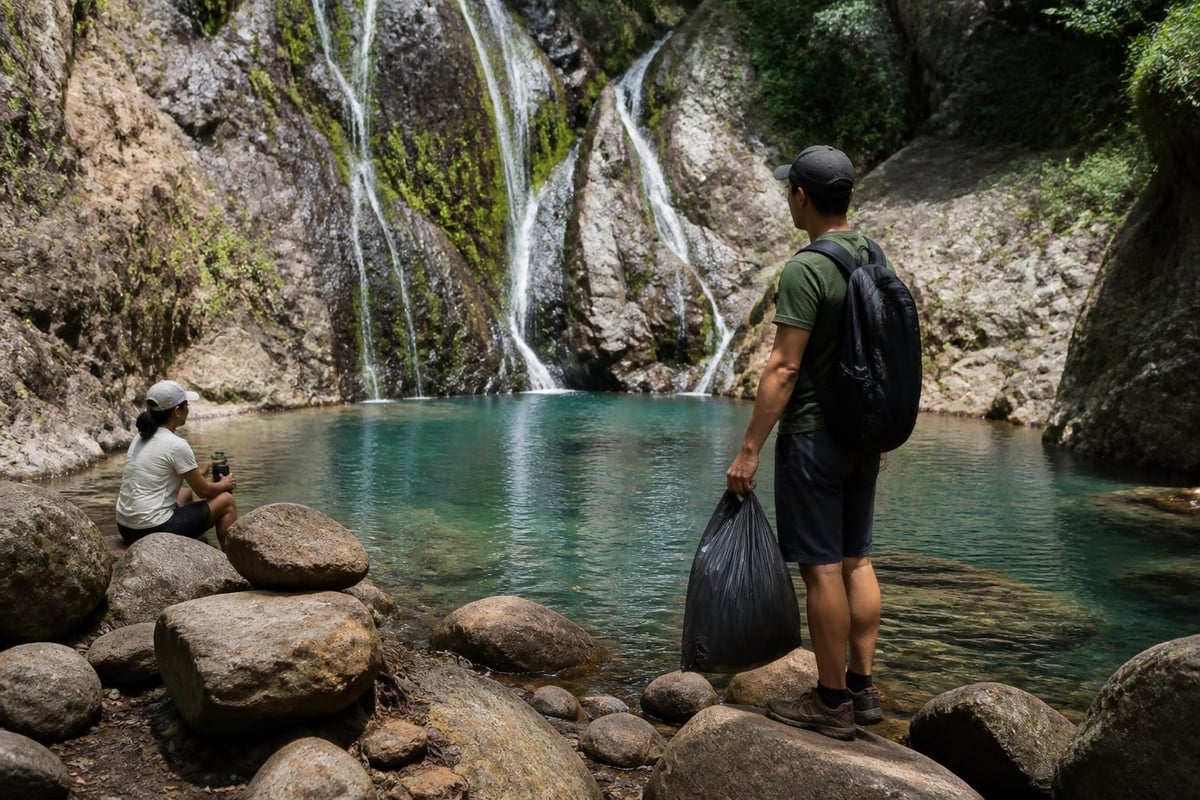
The town of Montezuma depends heavily on tourism revenue while striving to maintain its laid-back character and environmental integrity. Thoughtful visitors support sustainable development by choosing locally-owned accommodations, dining at family-run sodas, and hiring local guides when desired.
Several community members offer informal guide services at the trailhead. While the trail doesn't require a guide for most hikers, employing local expertise benefits both your safety and the community economy. Guides provide current trail condition updates, identify wildlife, and share cultural context that enriches the experience.
The montezuma waterfalls costa rica experience exists within a larger ecosystem of wellness and adventure opportunities throughout the region.
Nearby Natural Features:
Wellness-Focused Activities:
The travel tips for the Nicoya region emphasize that Montezuma functions best as a base for multi-day exploration rather than a quick day-trip destination.
Reaching montezuma waterfalls costa rica requires planning beyond the hike itself. Montezuma sits on the southern Nicoya Peninsula, accessible via ferry from Puntarenas or overland through winding mountain roads.
Transportation Options:
The town maintains a cash-based economy with limited ATM access, so arriving with sufficient colones prevents complications. Most accommodations range from budget hostels to boutique eco-lodges, with advance reservations recommended during high season.
The living landscape surrounding montezuma waterfalls costa rica shifts dramatically throughout the year, offering different rewards to repeat visitors.
The jungle corridor leading to the falls supports remarkable biodiversity. Patient hikers regularly encounter howler monkeys, white-faced capuchins, coatis, iguanas, and morpho butterflies. Bird enthusiasts spot toucans, parrots, and motmots in the canopy overhead.
Peak Wildlife Viewing:
Maintaining quiet conversation volumes and moving slowly increases wildlife sighting opportunities. The Media.CostaRica guide notes that rushing directly to the upper falls causes hikers to miss many observation opportunities.
The montezuma waterfalls costa rica setting provides exceptional photography opportunities, from wide-angle landscape shots to intimate macro work. The challenge lies in balancing documentation with presence.
Photography Best Practices:
The play of light through the jungle canopy creates optimal conditions for photography between 8-10 AM and 2-4 PM, when directional sunlight penetrates to the forest floor.
The most meaningful montezuma waterfalls costa rica experiences often emerge from personal intention-setting rather than following prescribed itineraries.
Pre-Hike Intention Setting:
During the Hike:
Post-Hike Integration:
Those building longer retreat experiences often return to the falls multiple times, discovering new layers with each visit.
Hours and Access:
What to Bring Checklist:
Who Should Skip This Hike:
The montezuma waterfalls costa rica trail rewards preparation, patience, and respect for both natural forces and personal limits.
The waterfalls outside Montezuma represent Costa Rica's Nicoya Peninsula at its most authentic, combining accessible adventure with genuine natural beauty. Whether you're seeking physical challenge, meditative immersion, or simply a memorable day in the jungle, this hike delivers on multiple levels. Soluna integrates the Montezuma waterfalls experience into thoughtfully designed wellness retreats throughout the Nicoya Blue Zone, creating personalized journeys that balance adventure with restoration while honoring the rhythms of this remarkable landscape.