A tantric yoga retreat offers a profound opportunity to explore ancient practices that unite body, breath, energy, and consciousness in immersive settings far removed from daily distractions. Unlike typical yoga vacations focused primarily on physical postures, these specialized retreats delve into comprehensive spiritual and energetic teachings rooted in centuries-old traditions. For seekers looking to deepen their practice, understand subtle energy systems, and experience authentic transformation, selecting the right retreat environment and qualified teachers becomes essential to both safety and meaningful growth.
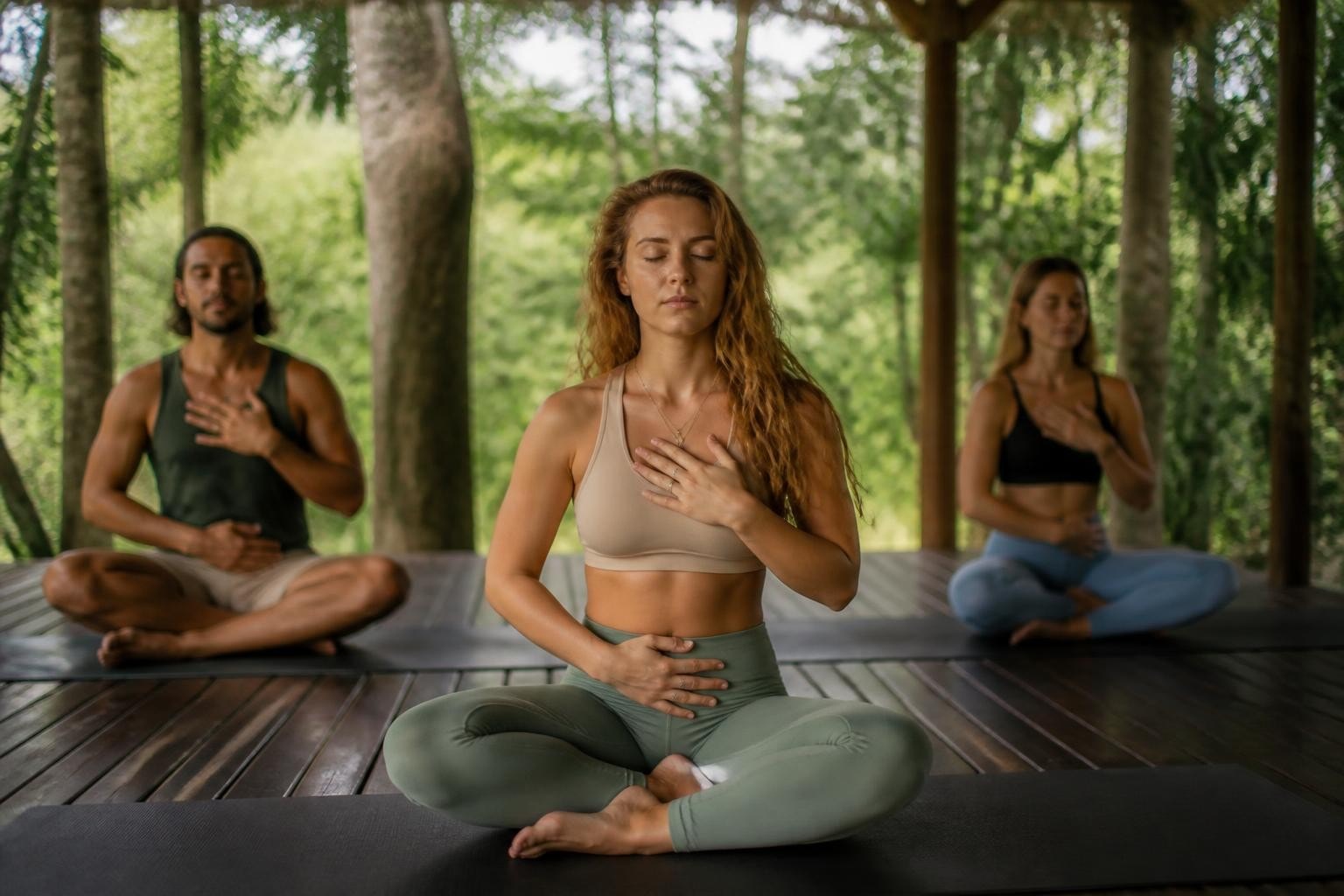
The term "tantric" has been widely misunderstood in Western culture, often reduced to mere sexual practice or sensuality. Authentic tantric yoga encompasses a vast philosophical system originating in ancient India that views all aspects of life as pathways to spiritual awakening. The practice integrates physical postures, pranayama breathing techniques, mantra recitation, meditation, and energetic awareness to cultivate expanded consciousness.
Traditional tantric approaches recognize that divine energy permeates everything, including the physical body. Rather than rejecting material existence, practitioners learn to transform ordinary experiences into opportunities for spiritual realization. This non-dualistic perspective distinguishes tantra from ascetic traditions that view the body as an obstacle to enlightenment.
Tantric yoga retreats typically incorporate several foundational components that work synergistically:
The classification and practice of Yoga Tantra within Buddhist traditions offers additional perspectives on how these practices evolved across different lineages and cultural contexts.
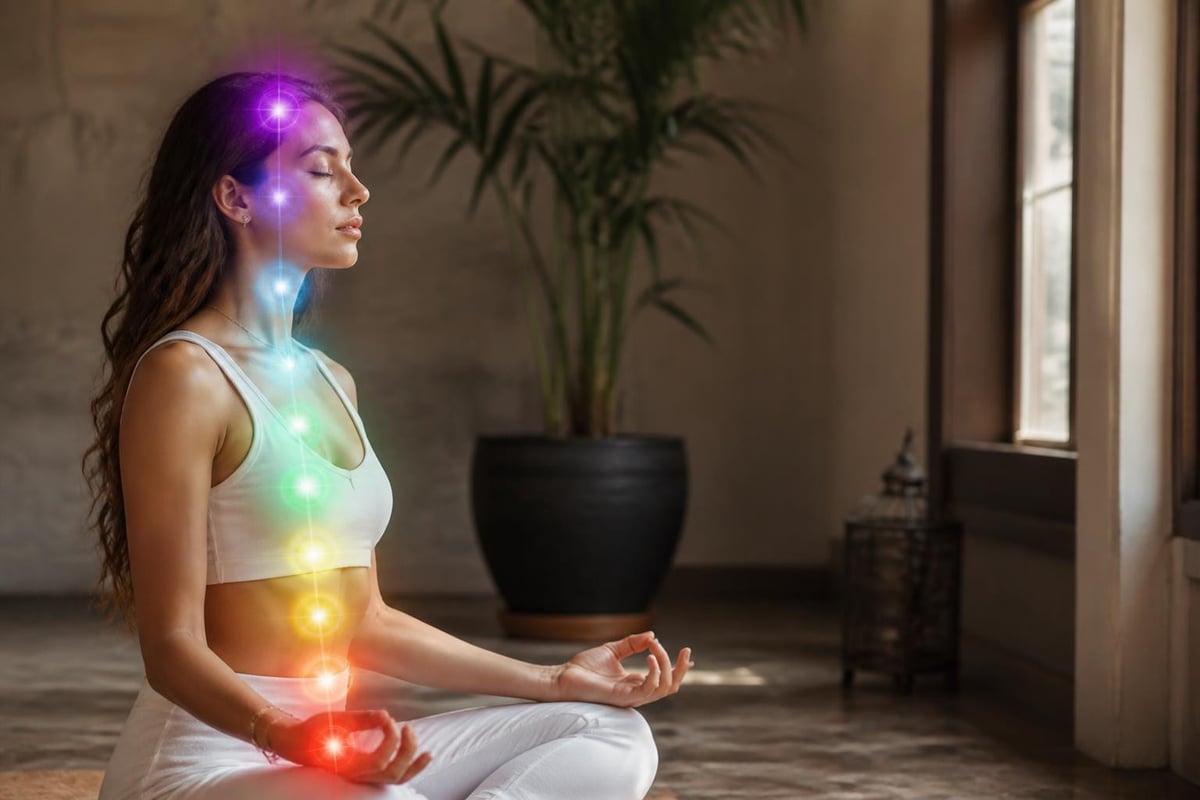
Attending a tantric yoga retreat provides concentrated time to develop skills and awareness that superficial drop-in classes cannot achieve. The immersive nature allows practitioners to notice subtle shifts in energy, emotion, and consciousness that emerge only through sustained practice. Many participants report lasting changes in how they relate to themselves, others, and their life purpose.
Research examining psychological characteristics of tantric yoga meditation demonstrates measurable benefits for mental health and contemplative depth. Studies document improvements in emotional regulation, stress resilience, and self-awareness among regular practitioners.
Participants in well-designed tantric yoga retreats often experience multiple dimensions of benefit:
| Benefit Category | Specific Outcomes | Typical Timeline |
|---|---|---|
| Physical Health | Improved flexibility, deeper breathing, better sleep | 3-7 days |
| Mental Clarity | Reduced anxiety, enhanced focus, clearer priorities | 5-10 days |
| Emotional Balance | Greater equanimity, trauma release, emotional intelligence | 7-14 days |
| Spiritual Depth | Expanded awareness, connection to purpose, transcendent experiences | Variable, often gradual |
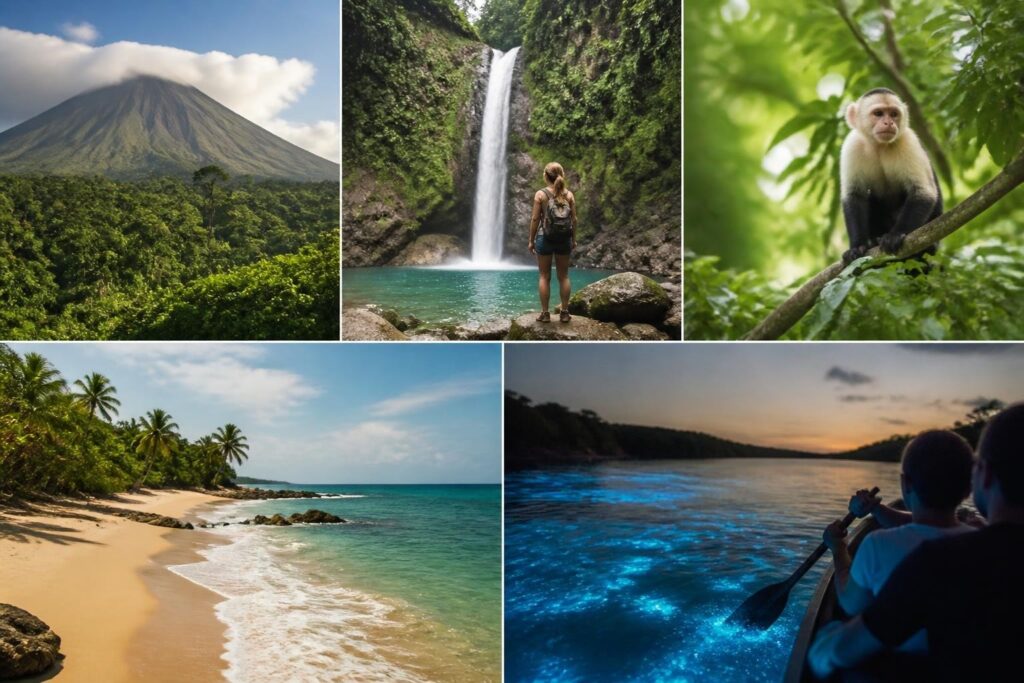
The natural environment significantly amplifies these benefits. Settings like Costa Rica's Nicoya Blue Zone provide pristine ecosystems where the pace of modern life fades and participants can truly disconnect. When combined with wellness retreat experiences, the integration of yoga with jungle exploration and oceanic immersion creates multisensory transformation.
However, it's important to note that intensive practice can bring challenging material to the surface. Harvard Health Publishing’s perspective on meditation retreats reminds participants to consider contraindications and consult healthcare providers if they have histories of trauma, dissociation, or certain mental health conditions.
The tantric yoga field has unfortunately attracted exploitative individuals who misuse spiritual authority and sacred teachings. Recent high-profile cases, including disturbing accounts of abuse within tantric networks, highlight the critical importance of thorough vetting before committing to any program.
When researching tantric yoga retreat options, certain warning signs should prompt immediate caution or withdrawal:
Reputable programs operate with transparency, clear consent protocols, and adherence to professional standards such as the Yoga Alliance Code of Conduct, which establishes ethical boundaries around touch, scope of practice, and participant safety.
Due diligence protects both your investment and your wellbeing. Consider asking prospective retreat leaders these essential questions:

A typical tantric yoga retreat follows a structured daily schedule designed to progressively deepen practice while maintaining sustainable energy. Programs usually span five to fourteen days, with longer durations allowing more complete cycles of learning and integration.
Morning sessions often begin before sunrise to harness the powerful transition energy of dawn:
5:30 AM – Wake and personal meditation
6:00 AM – Group pranayama and mantra practice
7:30 AM – Asana flow focusing on opening energy channels
9:00 AM – Nourishing breakfast with mindful eating
10:30 AM – Philosophical study or guided discussion
12:00 PM – Free time for journaling, rest, or nature exploration
1:00 PM – Light lunch
2:00 PM – Optional activities like jungle hikes or beach time
4:30 PM – Restorative yoga and yoga nidra
6:00 PM – Chakra meditation and energy work
7:30 PM – Dinner
8:30 PM – Evening satsang or silent reflection
This rhythm honors the body's natural cycles while providing structure without rigidity. Many programs incorporate silence periods, particularly during meals or designated retreat days, to deepen inward focus.
High-quality tantric yoga retreats recognize that transformation happens through varied experiences, not just formal practice. Programs in biodiverse settings leverage their environments to enhance energetic opening and grounding.
Activities that complement tantric practice include:
In Costa Rica's Nicoya Peninsula, unique opportunities like bioluminescent water tours create mystical experiences that mirror the illumination of inner consciousness. The glowing waters become a tangible metaphor for the awakening of subtle energies within the practitioner.
Successful retreat participation begins weeks before arrival. Physical, mental, and logistical preparation ensures you can fully engage without distraction or discomfort.
Your body will be asked to sit, breathe, and move in ways that may differ significantly from your current routine. Build capacity gradually:
If you're combining your tantric yoga retreat with adventure activities such as hiking to waterfalls or exploring wildlife reserves, cardiovascular fitness will enhance your enjoyment and stamina.
Intensive practice often surfaces buried emotions, unresolved conflicts, and suppressed memories. This emergence serves the healing process, but forewarned is forearmed:
| Preparation Strategy | Purpose | Implementation |
|---|---|---|
| Journaling practice | Create baseline self-awareness | Write daily for 2 weeks before departure |
| Intention setting | Clarify what you seek | Define 2-3 specific intentions for the retreat |
| Support network | Ensure post-retreat integration help | Inform trusted friends or therapist of plans |
| Digital detox trial | Practice disconnection | Take weekend breaks from devices |
| Expectation management | Release attachment to specific outcomes | Cultivate curiosity over goals |
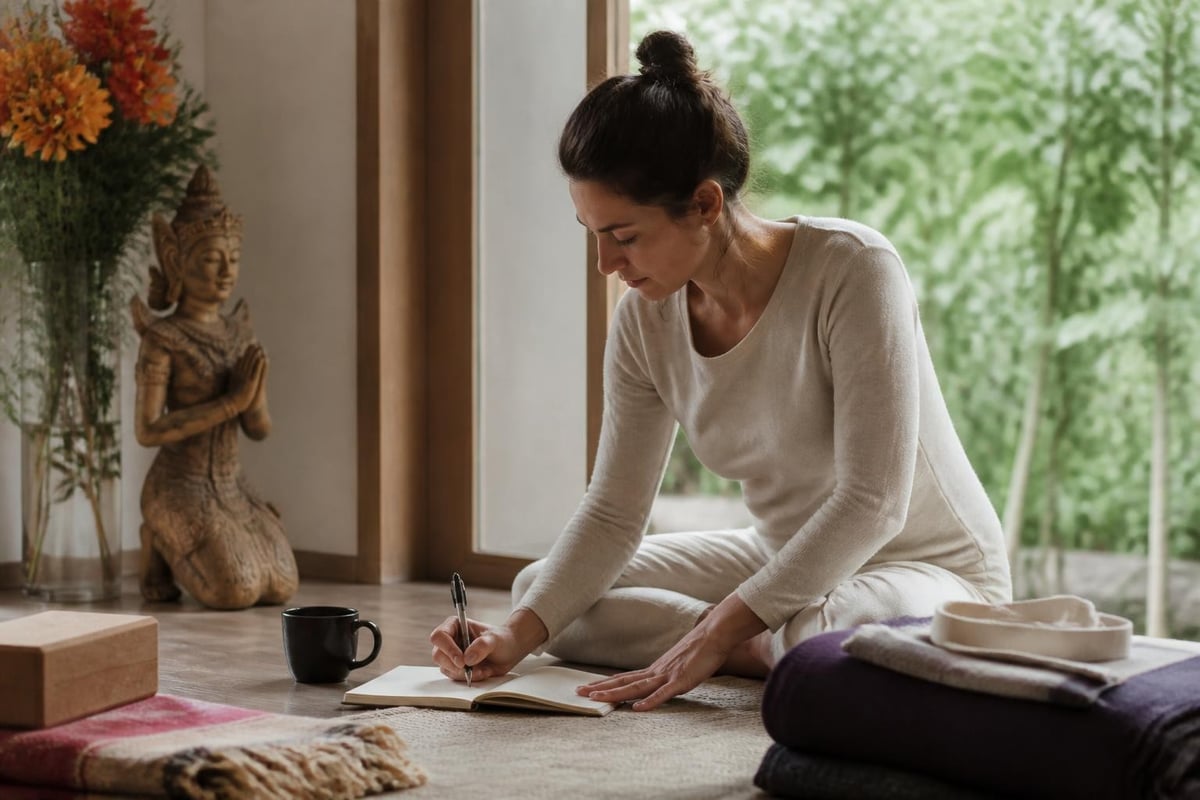
The days or weeks following a tantric yoga retreat often prove more challenging than the retreat itself. Returning to familiar environments and relationships while maintaining newfound awareness requires deliberate strategy and compassion for yourself.
Create a sustainable bridge between retreat insights and daily life:
Many practitioners find that annual or semi-annual retreat attendance creates a sustainable rhythm. Each intensive period deepens previous learning while introducing new dimensions of practice. The time between retreats becomes the laboratory where teachings get tested and embodied in real-world circumstances.
Whether you're a complete beginner or seasoned practitioner, tantric yoga retreats exist for various skill levels. Matching program intensity to your current capacity prevents overwhelm and injury while ensuring appropriate challenge.
Introductory tantric yoga retreats focus on foundational concepts without assuming prior knowledge:
These programs often attract participants seeking general wellness and stress reduction rather than intensive spiritual practice. Locations like Costa Rica's Blue Zones provide the added benefit of longevity-promoting lifestyle factors and pristine natural beauty.
Experienced practitioners may seek deeper immersion:
These intensive formats demand significant prior experience with both yoga and meditation. They're not appropriate for those new to contemplative practice or working through acute mental health challenges.
Location profoundly impacts retreat quality and depth of experience. Tantric traditions have always recognized that specific places hold particular energetic qualities that support spiritual opening. Modern practitioners continue to seek environments that enhance rather than distract from practice.
Pristine ecosystems provide immediate sensory feedback about interconnection, impermanence, and the play of energies that tantric philosophy describes. The constant movement of ocean tides mirrors breath cycles. Jungle biodiversity demonstrates the creative power tantric cosmology celebrates. Wildlife behaviors reveal natural wisdom about presence and instinct.
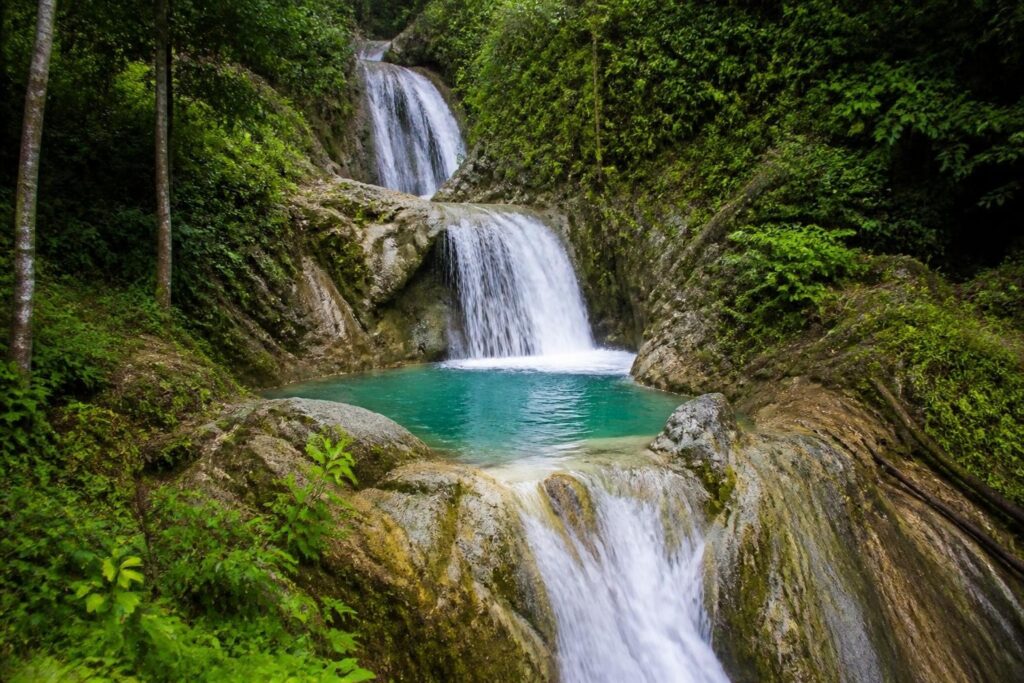
Costa Rica's Nicoya Peninsula, designated a Blue Zone for exceptional longevity and quality of life, offers an ideal setting where wellness culture and unspoiled nature converge. The region's adventure opportunities complement contemplative practice by engaging the body in elemental ways – moving through forests, swimming in waterfalls, witnessing sunset transitions.
When tantric yoga retreat facilitators choose locations wisely, the land itself becomes a teacher. The earth element grounds scattered energies. Water cleanses and purifies. Fire transforms resistance. Air reminds practitioners of the subtle breath underlying all vitality.
Responsible retreat organizers consider the impact their programs have on local communities and ecosystems. Ethical considerations include:
Programs that embed these values demonstrate the tantric principle that spiritual practice and social responsibility cannot be separated. Authentic awakening extends awareness to all beings, not just the practitioner's individual liberation.
Tantric yoga encompasses numerous schools, each emphasizing different aspects of practice. Understanding these variations helps participants select retreats aligned with their interests and values.
This non-dualistic tradition from northern India emphasizes recognition of consciousness as the fundamental reality. Practices focus on awareness itself rather than manipulating energy or achieving altered states. Retreats in this lineage typically include:
Perhaps the most well-known approach in the West, kundalini practices work systematically with the dormant energy said to rest at the base of the spine. When awakened through specific techniques, this shakti energy rises through the chakras, producing profound transformation. Practices include:
Tibetan Buddhist traditions developed elaborate tantric systems integrating deity yoga, mandalas, and compassion cultivation. These approaches differ significantly from Hindu-derived tantra while sharing some conceptual frameworks. Retreat practices might include:
Tantric yoga retreat pricing varies enormously based on location, duration, teacher credentials, and included amenities. Understanding what you're paying for helps evaluate whether a program offers fair value.
| Price Tier | Daily Rate | Typically Includes | Common Locations |
|---|---|---|---|
| Budget | $75-150 | Shared accommodation, basic meals, group classes | India, Nepal, Southeast Asia |
| Mid-Range | $150-300 | Private or shared room, all meals, classes, some excursions | Costa Rica, Mexico, Portugal |
| Premium | $300-500 | Private bungalow, gourmet meals, small groups, personalized attention | Specialized resorts worldwide |
| Luxury | $500+ | Exclusive settings, one-on-one instruction, spa treatments, complete service | High-end destinations globally |
Beyond base cost, budget for international travel, insurance, additional activities, gratuities for staff and teachers, and personal items. A realistic total investment for a week-long international tantric yoga retreat typically ranges from $2,000 to $5,000 including all expenses.
The lowest cost option rarely provides the best experience. Consider these value factors:
Many practitioners find that investing in a higher-quality retreat produces deeper, longer-lasting transformation than attending multiple cheaper programs. The concentrated teaching, superior environment, and adequate rest create conditions for genuine breakthrough rather than mere temporary relaxation.
Attending a tantric yoga retreat alone can feel daunting, particularly for those new to spiritual communities or international travel. However, solo participation often enhances the experience by removing familiar relationship dynamics and encouraging authentic self-encounter.
Traveling without companions creates specific advantages:
Most retreat centers actively foster welcoming community among solo travelers, creating structured opportunities for connection during meals, discussion periods, or optional group activities.
Women traveling alone to tantric yoga retreats should take standard safety precautions while recognizing that quality programs maintain secure, respectful environments:
Reputable programs in destinations like Costa Rica maintain professional standards that prioritize participant safety. Activities such as horseback riding adventures or hiking in national parks operate with trained guides and established safety protocols.
Choosing a tantric yoga retreat represents a significant investment in your spiritual growth and wellbeing, one that requires careful research and honest self-assessment of readiness. The most transformative experiences combine qualified teachers, pristine natural settings, ethical operations, and appropriate matching between program intensity and your current capacity.
If you're seeking a bespoke wellness journey that integrates contemplative practice with Costa Rica's extraordinary natural beauty, Soluna offers private retreats in the Nicoya Blue Zone where yoga, meditation, and adventure experiences converge. Their customized approach ensures your retreat honors your unique intentions while providing the structure, safety, and inspiration that profound transformation requires.