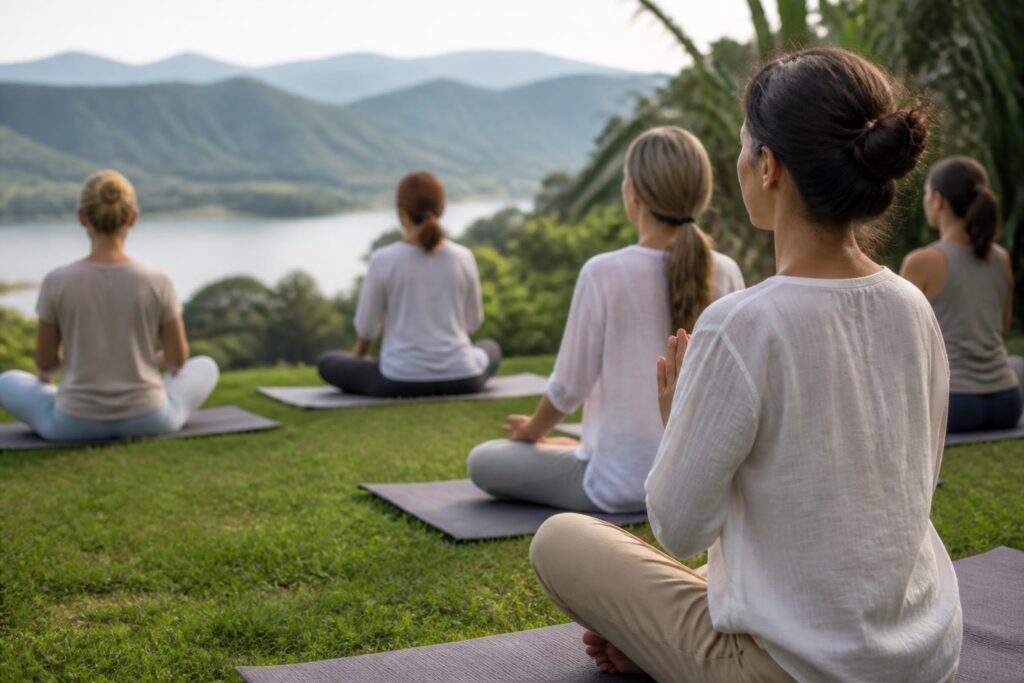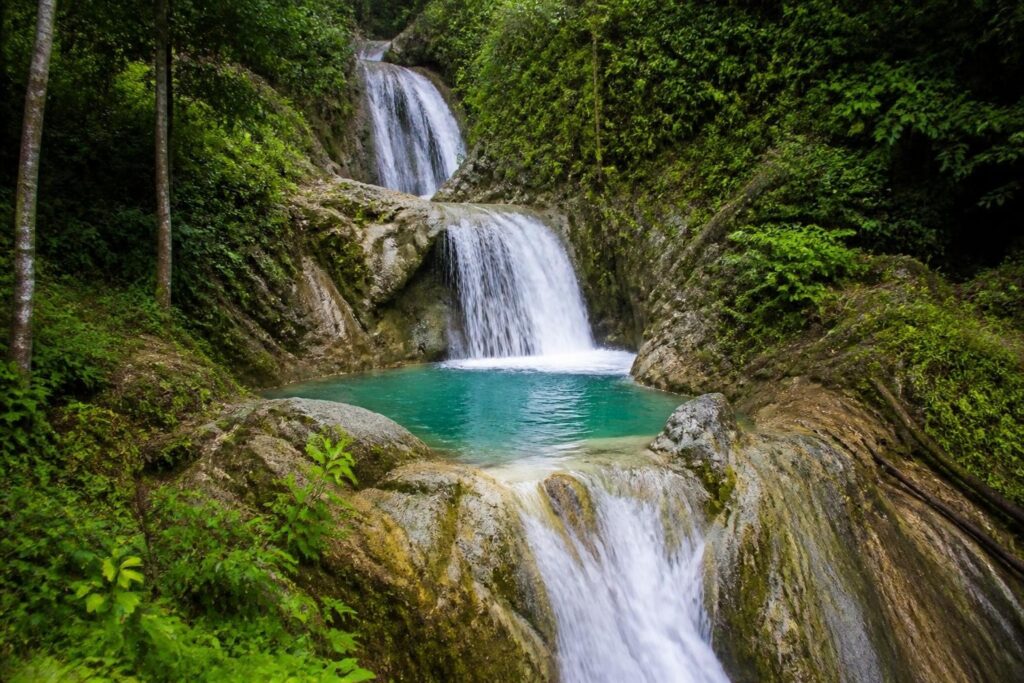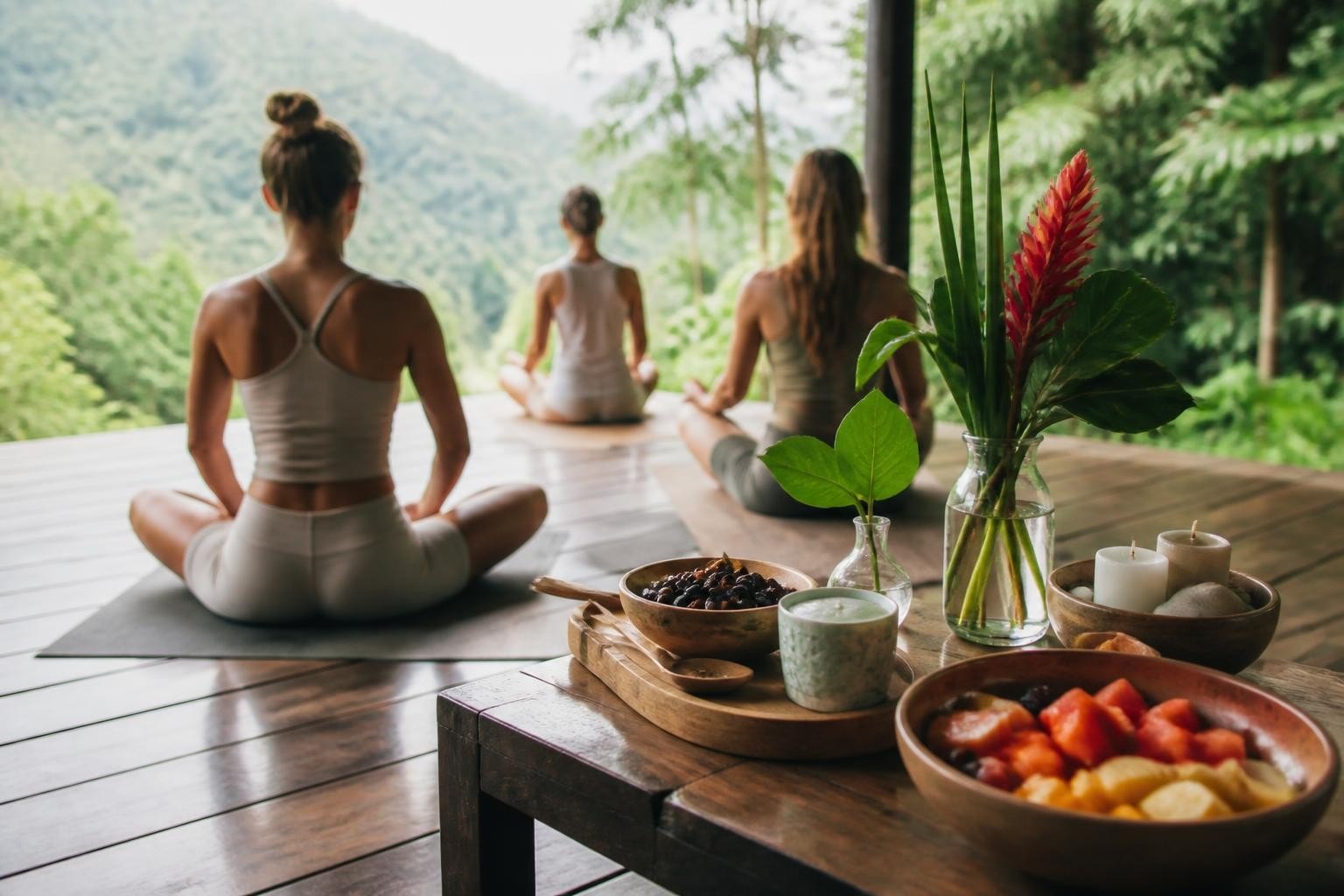
The modern wellness movement has evolved beyond quick fixes and temporary relief. Today's travelers seek comprehensive transformation through holistic healing retreats that address physical, mental, emotional, and spiritual wellbeing simultaneously. These immersive experiences combine ancient healing traditions with evidence-based therapies, creating pathways to lasting vitality. As stress-related health conditions continue rising in 2026, more people are discovering that true healing requires a whole-person approach, one that honors the interconnectedness of body, mind, and environment.
Holistic healing operates on a fundamental principle: the body possesses innate wisdom to heal itself when provided with the right conditions. Rather than treating isolated symptoms, this approach examines root causes and addresses imbalances across multiple dimensions of health.
The World Health Organization recognizes traditional and complementary medicine as vital components of comprehensive healthcare systems worldwide. This global acknowledgment reflects growing scientific evidence supporting integrative approaches that combine conventional medicine with time-tested healing modalities.
Holistic healing retreats structure their programs around several interconnected elements:
These components work synergistically, creating transformation that extends beyond what any single therapy could achieve alone. The integration distinguishes holistic healing retreats from conventional spa vacations or medical treatments.
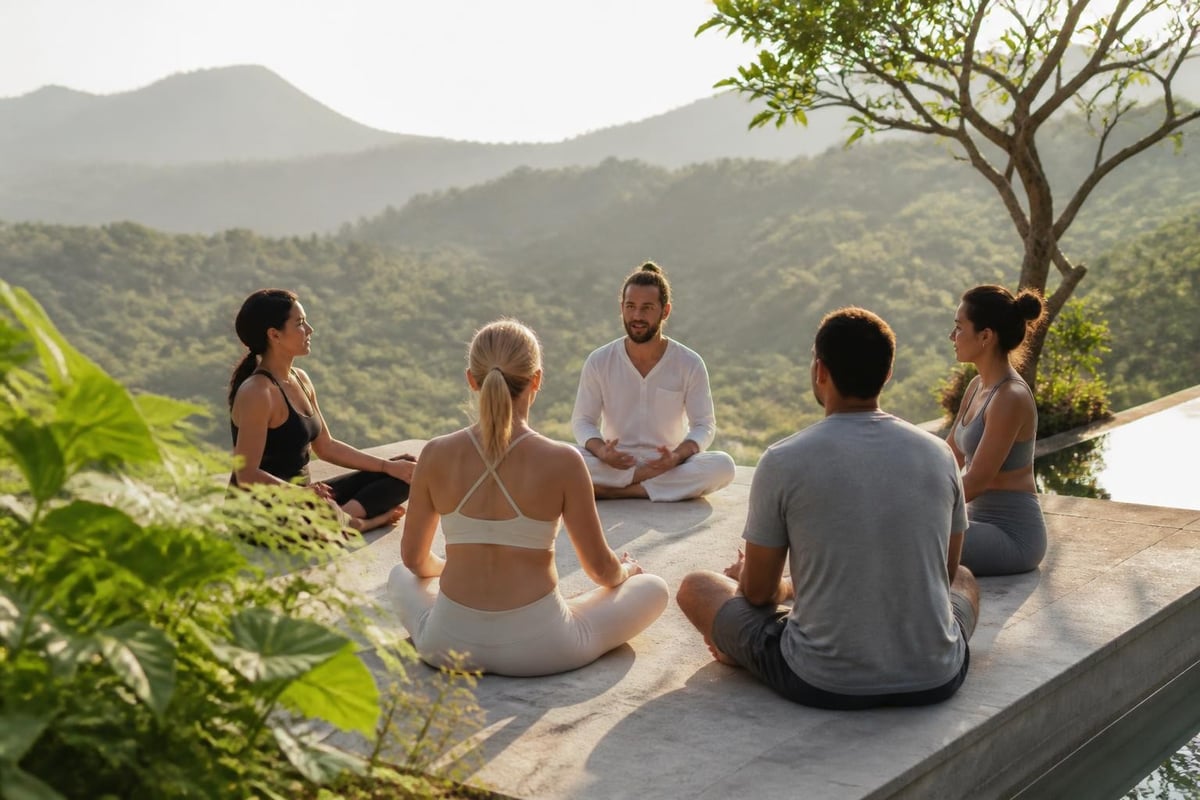
Modern neuroscience validates what ancient healing traditions have taught for millennia: our thoughts, emotions, and physical health exist in constant dialogue. Chronic stress triggers inflammatory responses, while practices like meditation demonstrably alter brain structure and reduce stress hormones.
Research published in 2026 continues revealing mechanisms through which holistic practices influence health outcomes. Yoga modulates the autonomic nervous system, breathwork affects vagal tone, and time in nature reduces cortisol levels while boosting immune function.
| Therapy Type | Primary Benefits | Scientific Support |
|---|---|---|
| Yoga & Movement | Flexibility, strength, stress reduction | Extensive clinical trials |
| Meditation | Emotional regulation, focus, inflammation reduction | Neuroimaging studies |
| Nutritional Therapy | Cellular health, energy, disease prevention | Metabolic research |
| Bodywork & Massage | Pain relief, circulation, nervous system balance | Clinical outcomes data |
| Nature Immersion | Mental health, immune function, vitality | Environmental psychology |
The National Center for Complementary and Integrative Health provides guidance on evaluating evidence for complementary approaches, helping consumers distinguish between well-researched practices and unsubstantiated claims.
Understanding this scientific foundation empowers retreat participants to engage more fully with their healing journey, trusting both ancient wisdom and contemporary research.
The retreat experience typically begins before arrival, with pre-program consultations to understand individual needs, health history, and wellness goals. This personalized approach ensures each participant receives appropriate guidance and support throughout their journey.
Daily schedules balance structured activities with unscheduled time for rest and integration. Morning might begin with sunrise yoga or meditation, followed by nourishing meals prepared with whole, local ingredients. Afternoon activities could include guided nature walks, therapeutic sessions, or educational workshops on sustainable wellness practices.
This rhythm honors the body's natural circadian patterns while creating space for profound transformation. The Blue Zone lifestyle principles observed in regions like Nicoya, Costa Rica, demonstrate how daily routines significantly impact longevity and vitality.
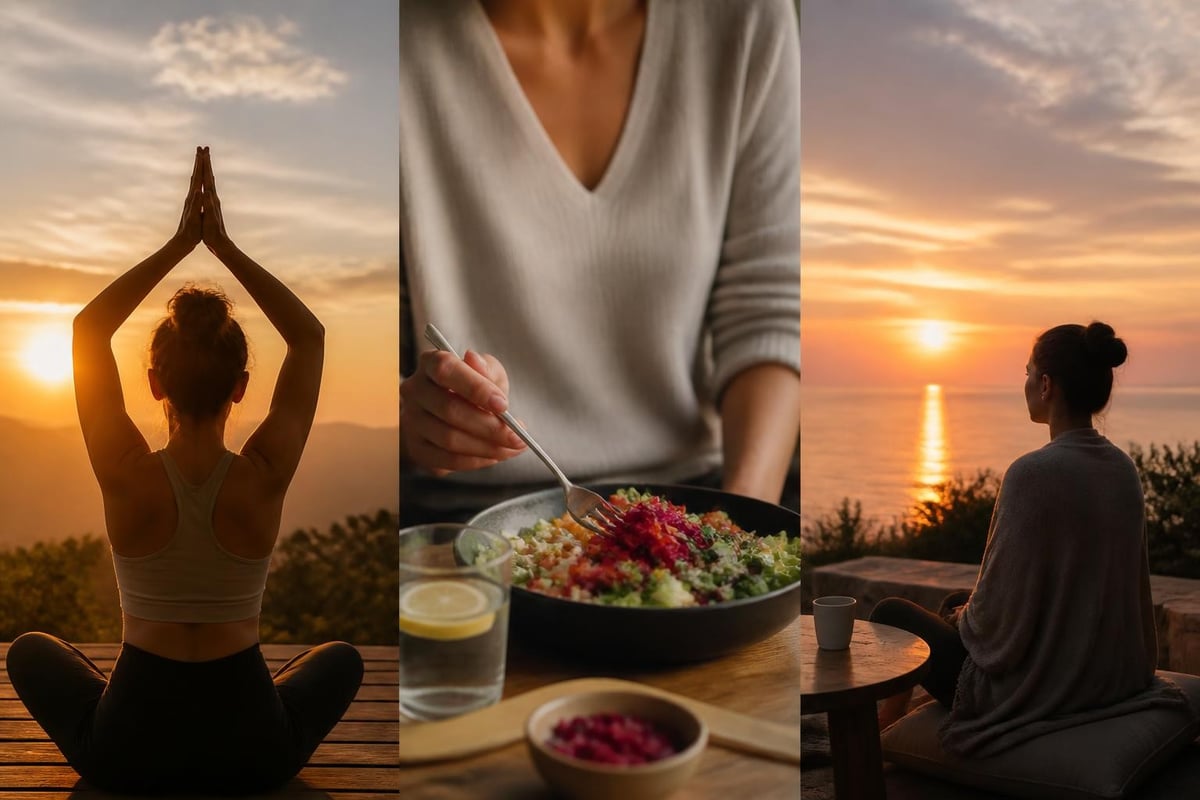
The physical setting profoundly influences healing outcomes. Holistic healing retreats situated in natural environments offer therapeutic benefits that urban settings cannot replicate. Coastal locations provide negative ions from ocean air, mountain retreats offer altitude benefits and mineral-rich spring water, while jungle environments deliver biodiversity that enhances immune function.
Costa Rica's Nicoya Peninsula stands out as a premier destination for wellness transformation. As one of only five Blue Zones globally where people consistently live past 100 with exceptional quality of life, Nicoya offers both environmental healing and cultural wisdom.
Natural elements in therapeutic settings:
The bioluminescent water experiences available in certain coastal areas create magical moments that remind participants of nature's wonder, often triggering profound emotional releases and spiritual connections.
Geography also determines available activities. Coastal locations enable surfing therapy, ocean swimming, and beach meditation, while jungle settings offer canopy walks, waterfall therapy, and wildlife observation as healing modalities.
Today's holistic healing retreats curate diverse therapeutic offerings, allowing participants to discover which modalities resonate most deeply with their unique constitution and needs.
Yoga remains foundational at most retreats, but modern programs expand beyond traditional asana practice. Offerings might include:
Those exploring retreat options with yoga should consider both their experience level and whether they prefer yoga-centered or adventure-balanced programs.
Food serves as medicine at holistic healing retreats. Meals feature:
Many retreats incorporate nutritional education, teaching participants to maintain healthy eating patterns after returning home. The connection between Blue Zone nutrition and longevity provides compelling evidence for plant-rich, whole-food diets.
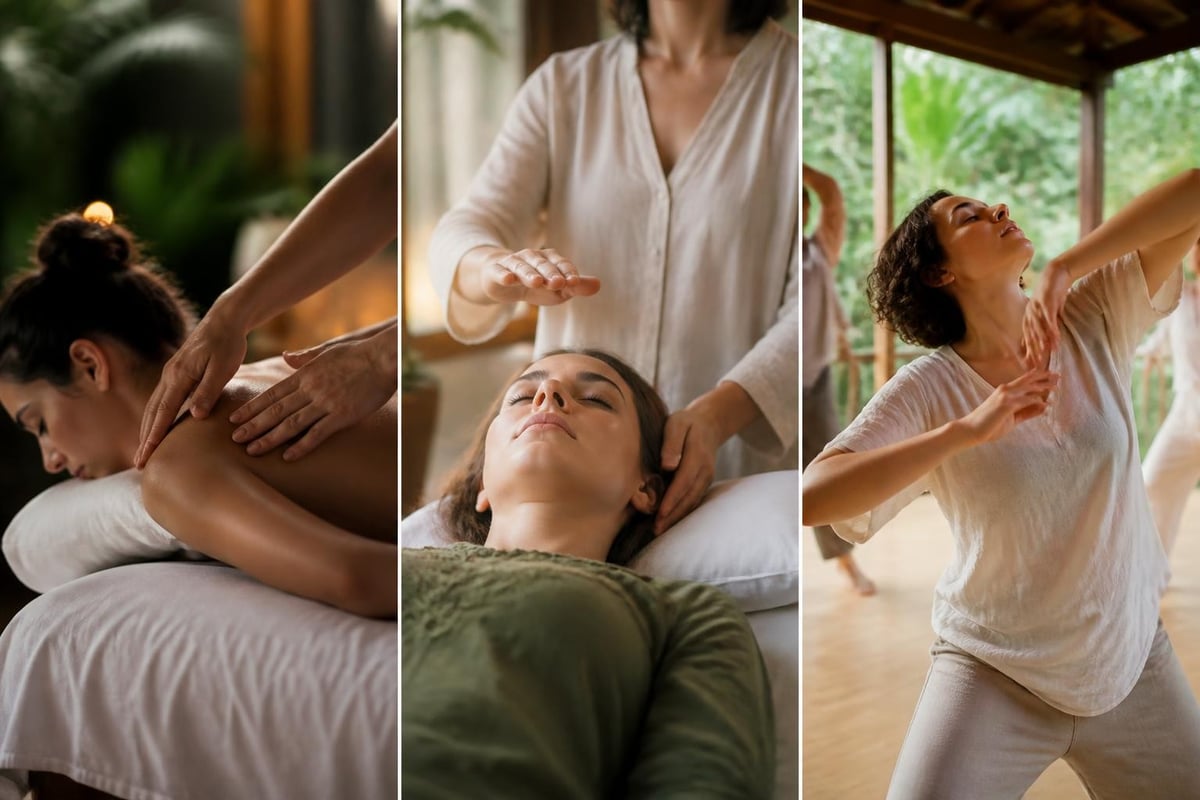
Physical touch therapies release stored tension and trauma while promoting circulation and lymphatic flow:
| Modality | Focus Area | Best For |
|---|---|---|
| Deep Tissue Massage | Chronic muscle tension | Athletic recovery, pain relief |
| Lymphatic Drainage | Detoxification, immune support | Post-illness, inflammation reduction |
| Craniosacral Therapy | Nervous system, trauma release | Anxiety, sleep issues, headaches |
| Reflexology | Organ systems via foot meridians | Digestive issues, stress management |
| Energy Work (Reiki) | Energetic blockages | Emotional healing, spiritual connection |
As holistic healing retreats gain popularity, quality and safety standards become increasingly important. Before committing to a program, prospective participants should research thoroughly.
The NHS provides guidance on complementary therapies including how to verify practitioner credentials and understand potential contraindications. This becomes especially crucial for people with pre-existing health conditions or taking medications.
Regarding practitioners and safety:
Regarding program structure:
Those considering complementary health approaches benefit from NCCIH's practical checklist covering important safety and decision-making factors.
Reputable retreat centers prioritize transparency, qualified staff, and participant wellbeing above marketing hype. They conduct thorough intake processes and modify programming based on individual needs rather than forcing everyone through identical experiences.
The transformation experienced during holistic healing retreats creates momentum, but lasting change requires intentional integration. The most successful programs include post-retreat support helping participants maintain practices and insights gained during their immersive experience.
Effective integration begins during the retreat itself. Participants should:
Many retreat centers offer follow-up calls, online community access, or graduated programs that support continued growth. This ongoing connection prevents the common pattern where retreat benefits fade within weeks of returning to daily life.
Translating retreat experiences into sustainable daily rhythms requires adaptation. A two-hour morning yoga session might become a 20-minute home practice. Elaborate retreat meals simplify to quick, nourishing recipes. The key is maintaining consistency over perfection.
Starting with small, manageable commitments builds confidence and sustainable habits. Ten minutes of daily meditation proves more transformative than sporadic hour-long sessions. The retreat experience provides a foundation, but home practice creates lasting transformation.
Not all holistic healing retreats follow the same model. Some emphasize gentle restoration and inward reflection, while others combine healing modalities with physical adventure and environmental exploration.
Restoration-focused retreats suit those experiencing burnout, recovering from illness, or seeking deep emotional healing. These programs prioritize rest, gentle movement, therapeutic sessions, and ample unstructured time.
Adventure-integrated retreats appeal to active individuals who find healing through physical challenge and nature immersion. These might include surfing, jungle hiking, waterfall rappelling, or wildlife observation alongside traditional wellness practices.
The adventure packages in Costa Rica demonstrate how physical exploration and healing practices complement each other. Surfing builds presence and resilience, hiking connects participants with natural beauty, while yoga and bodywork support recovery and reflection.
Consider your current state and what you need most:
| Current State | Recommended Focus | Key Activities |
|---|---|---|
| Burned out, exhausted | Restoration | Gentle yoga, massage, meditation, sleep |
| Stuck, uninspired | Adventure-balanced | Hiking, surfing, creative workshops, exploration |
| Grieving, processing trauma | Therapeutic restoration | Somatic work, art therapy, nature time, counseling |
| Physically inactive | Gentle movement introduction | Beginner yoga, walking, stretching, breathwork |
| Seeking spiritual connection | Contemplative | Meditation, ceremony, journaling, silence |
Bespoke retreat programs offer the advantage of customization, allowing participants to adjust daily activities based on energy levels and emerging needs rather than following rigid schedules.
While personal transformation occurs internally, holistic healing retreats create powerful container through shared experience. Group dynamics facilitate healing in ways solitary practice cannot achieve.
Witnessing others' vulnerability and breakthroughs normalizes our own struggles and growth. Shared meals, group practices, and evening reflections build authentic connections that combat the isolation endemic to modern life. Many participants report that retreat friendships become ongoing sources of support and accountability.
Benefits of community healing:
However, community dynamics require skillful facilitation. Quality retreats create psychologically safe spaces where participants can be authentic without judgment, facilitated by clear agreements and experienced leadership.
Some prefer private or couples retreats avoiding group energy entirely. These intimate experiences allow deeper personalization and privacy while sacrificing community benefits. The choice depends on individual preferences and healing needs.
Holistic healing retreats represent significant financial investment, with week-long programs ranging from moderate to luxury pricing depending on location, accommodations, and included services. This reality creates accessibility challenges, though growing recognition of retreat value is expanding options.
Retreat pricing typically includes:
Additional costs might include premium add-ons like private sessions, specialized therapies, travel to the retreat location, and personal expenses.
When evaluating cost, consider the concentration of value: expert instruction, therapeutic sessions, premium accommodations, and gourmet meals compressed into one week. Separately purchasing these services at home over months would often exceed retreat pricing.
For those with budget constraints:
The investment in holistic healing retreats often yields returns through reduced medical expenses, increased productivity, improved relationships, and enhanced quality of life. Viewing wellness as prevention rather than luxury reframes the financial commitment.
Adequate preparation maximizes retreat benefits and minimizes logistical stress. Both physical and mental preparation enhance the transformative potential of your investment.
In the weeks before departure:
Those attending retreats in Nicoya should consider climate adaptation, especially if arriving from significantly different environments. Light, breathable clothing and strong sun protection prove essential.
Creating space for transformation requires releasing expectations and cultivating openness:
Knowing what to pack for a week in Nicoya reduces pre-travel anxiety and ensures you have necessary items for comfortable participation in all activities.
Most holistic healing retreats encourage or require digital disconnection to facilitate presence and depth. This can trigger anxiety for people accustomed to constant connectivity.
Prepare by:
The initial discomfort of digital absence typically gives way to relief and presence, allowing retreat experiences to penetrate more deeply than would be possible while distracted by devices.
Holistic healing retreats offer comprehensive transformation by addressing the interconnected dimensions of human wellbeing in immersive, supportive environments. The combination of evidence-based practices, ancient wisdom, natural settings, and expert guidance creates conditions for profound healing that extends far beyond typical vacation experiences. Whether you seek restoration from burnout, adventure-based renewal, or deeper spiritual connection, Soluna provides bespoke wellness journeys in Costa Rica's Nicoya Blue Zone, where pristine nature, longevity wisdom, and personalized care converge to support your unique healing path. Your transformation awaits in a place where wellness isn't just practiced but woven into the fabric of daily life.