
Through hikes represent one of the most transformative experiences available to adventurers seeking both physical challenge and mental clarity. These extended journeys along continuous trails demand preparation, resilience, and a commitment to stepping away from daily routines. Whether you're considering a multi-week expedition through mountain ranges or exploring Costa Rica's lush tropical paths, understanding the fundamentals of long-distance hiking helps ensure a successful and rewarding experience.
A through hike involves hiking a long-distance trail from start to finish in one continuous journey, typically taking weeks or months to complete. Unlike section hiking, where trails are completed in segments over multiple trips, through hikes require sustained commitment and immersion in the wilderness experience.
The most recognized through hikes in North America include the Appalachian Trail, Pacific Crest Trail, and Continental Divide Trail. However, countless other routes worldwide offer similar opportunities for extended wilderness exploration. Each trail presents unique challenges, from terrain variation to climate conditions, requiring hikers to adapt their strategies accordingly.
Long-distance hiking fundamentally changes how your body and mind operate. The repetitive motion of walking eight to twelve hours daily builds extraordinary cardiovascular endurance while strengthening muscles throughout your legs, core, and back. Most hikers lose significant weight during the first few weeks before their bodies adapt to the caloric demands.
Physical benefits include:
The mental transformation often proves even more profound. Days spent in natural environments, away from digital distractions, create space for reflection and psychological reset. Many hikers report reduced anxiety, improved focus, and a renewed sense of purpose after completing through hikes.

Training for through hikes requires months of progressive preparation. Your body needs time to adapt to the sustained physical demands of carrying a loaded pack over varied terrain for consecutive days.
Begin with shorter day hikes, gradually increasing distance and elevation gain. Aim for at least three training hikes weekly, progressively adding weight to your pack. Start with ten to fifteen pounds and build toward your expected trail weight, typically twenty-five to thirty-five pounds for most hikers.
| Training Phase | Duration | Weekly Mileage | Pack Weight | Focus Areas |
|---|---|---|---|---|
| Foundation | Weeks 1-4 | 15-20 miles | 10-15 lbs | Building base fitness |
| Building | Weeks 5-8 | 25-35 miles | 20-25 lbs | Increasing endurance |
| Peak | Weeks 9-12 | 35-45 miles | 25-35 lbs | Trail simulation |
| Taper | Week 13-14 | 20-25 miles | Full weight | Recovery and preparation |
Incorporate strength training twice weekly, focusing on exercises that support hiking mechanics. Squats, lunges, step-ups, and calf raises build leg strength, while planks and rows develop core stability essential for carrying a pack comfortably.
The U.S. Forest Service provides essential hiking safety tips that emphasize proper preparation and gradual progression in training intensity. Pay attention to your body's signals during training to prevent overuse injuries before they derail your plans.
Selecting appropriate gear makes the difference between a successful through hike and an uncomfortable struggle. Every item in your pack should earn its place through functionality and weight efficiency.
Your pack itself becomes your mobile home. Choose a backpack with a capacity between forty-five and sixty-five liters, depending on your gear choices and resupply strategy. Proper fit matters more than brand names. Visit specialty retailers where staff can adjust your pack to your torso length and hip size.
These three items constitute the majority of your base weight and deserve careful consideration:
Backpack selection criteria:
Shelter options range from:
Your sleep system includes sleeping bag or quilt, sleeping pad, and potentially a liner. Temperature ratings should match the coldest conditions you'll encounter with a fifteen-degree buffer. Experienced long-distance hikers often prefer quilts, which eliminate unused material beneath the body while reducing weight.
Sustaining energy levels during through hikes requires consuming substantially more calories than typical daily intake. Most hikers burn between 4,000 and 6,000 calories daily, depending on terrain difficulty, pace, and body composition.
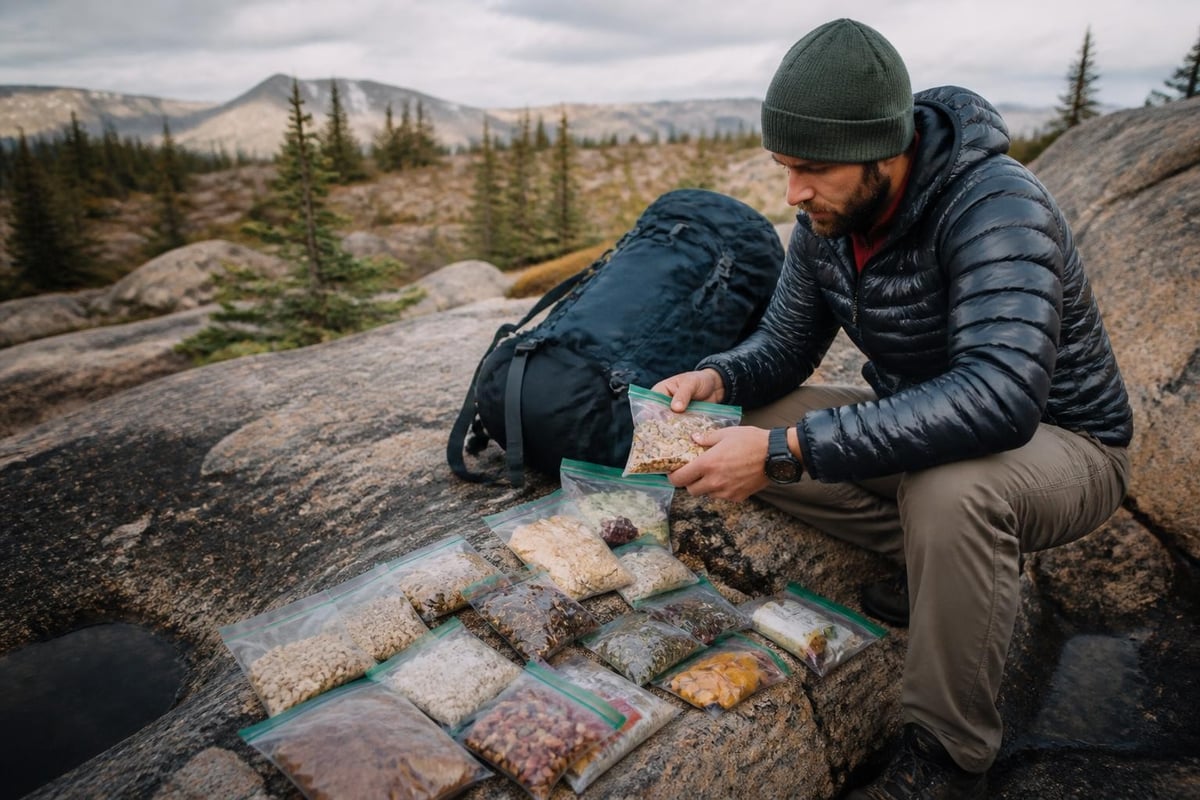
Focus on calorie-dense foods that provide maximum energy per ounce of weight. Nuts, nut butters, dried fruits, energy bars, and dehydrated meals form the foundation of most trail diets. Many hikers supplement with olive oil or coconut oil to boost caloric intake efficiently.
Plan for approximately two pounds of food per day, adjusting based on resupply frequency and personal metabolism. Break consumption into consistent intervals throughout the day rather than relying on large meals that divert blood flow to digestion.
Water management becomes critical in regions with inconsistent sources. Study your trail's water availability carefully, carrying sufficient capacity for dry sections while minimizing unnecessary weight. Treatment options include chemical purification, filtration systems, and UV sterilization, each with advantages depending on water source types.
Physical readiness represents only half the equation for successful through hikes. Mental resilience determines whether you'll persevere through challenging conditions, loneliness, discomfort, and the inevitable moments of questioning your decision.
Understanding the psychological phases common to long-distance hiking helps normalize difficult emotions. The first week typically brings euphoria and excitement. Week two often introduces doubt as physical discomfort peaks before your body fully adapts. By week three, most hikers settle into a sustainable rhythm.
Develop coping strategies before starting your journey. Meditation practices, journaling, and mindfulness techniques provide tools for managing difficult moments. Many hikers find that setting small, achievable daily goals maintains motivation better than fixating on the distant endpoint.
Mental preparation techniques:
The solitude of through hikes offers profound opportunities for self-discovery, but prepare yourself for the psychological impact of extended isolation. Some hikers thrive in solitude, while others seek regular social interaction with fellow trail users. Knowing your tendencies helps you plan accordingly.
Through hikes inherently involve risk exposure that requires careful management. The National Park Service’s hiking safety guidelines emphasize planning, knowing personal limits, and carrying essential safety items.
Weather represents one of the most significant hazards. Hypothermia can occur even in summer at elevation when rain, wind, and fatigue combine. Carry appropriate layers, monitor weather forecasts when possible, and recognize early warning signs of temperature-related conditions.
Wildlife encounters require specific protocols depending on regional fauna. Research animals common to your trail corridor and learn proper food storage techniques. In bear country, hard-sided canisters or bear bags protect both you and wildlife from dangerous interactions.
| Safety Category | Essential Items | Usage Guidelines |
|---|---|---|
| Navigation | GPS device, maps, compass | Cross-reference multiple tools |
| Communication | Emergency beacon, cell phone | Test before departure |
| First Aid | Comprehensive kit, medications | Know how to use each item |
| Emergency Shelter | Space blanket, emergency bivy | Practice deployment |
| Fire Starting | Waterproof matches, lighter, tinder | Multiple redundant methods |
Treeline Review’s safety tips for first-time thru-hikers cover environmental hazards and emergency planning in detail. Familiarize yourself with common trail emergencies and response protocols before beginning your journey.
Communicate your itinerary with trusted contacts, including expected resupply points and estimated completion dates. Check in regularly when connectivity allows, adjusting plans as conditions dictate.
Through hikes create unique social environments where hikers form deep bonds quickly. The shared experience of physical challenge and wilderness immersion breaks down typical social barriers, creating what many describe as a "trail family" dynamic.
Most long-distance trails have established communities with their own cultures, traditions, and unwritten rules. Trail names, given by fellow hikers based on memorable moments or characteristics, replace conventional names. This tradition symbolizes the transformation that occurs during extended wilderness time.
Respecting both the natural environment and fellow trail users ensures positive experiences for everyone. The Leave No Trace principles provide foundational guidelines:
Understanding pack speed variations helps manage social dynamics. Faster hikers moving twenty-plus miles daily naturally separate from those hiking shorter distances. Neither approach holds inherent superiority; personal preferences and goals should dictate your pace.
The wellness advantages of through hikes extend far beyond cardiovascular improvements and weight management. Extended time in natural environments triggers physiological responses that promote healing and restoration at cellular levels.
Documented wellness benefits include:
The Blue Zones research, including studies from Costa Rica’s Nicoya Peninsula, demonstrates how regular walking and time in nature contribute to exceptional longevity and health outcomes. Communities where walking remains a primary transportation method show significantly lower rates of chronic disease.

While many associate through hikes with temperate mountain ranges, tropical regions offer equally compelling opportunities for extended hiking experiences. Costa Rica's diverse ecosystems provide challenging trails through rainforests, cloud forests, and coastal environments.
Tropical through hikes present distinct considerations. Heat and humidity require modified pacing strategies, typically involving earlier starts to capitalize on cooler morning temperatures. Afternoon rest periods during peak heat prevent exhaustion and heat-related illness.
Water availability typically improves in rainforest environments, but purification remains essential. Tropical pathogens require vigilant treatment protocols. Many hikers in humid environments prefer UV sterilization systems, which avoid chemical tastes and filtration clogging from sediment.
Gear choices shift dramatically in tropical climates. Breathable, quick-drying fabrics replace insulating layers. Rain protection becomes constant rather than occasional. Many tropical hikers adopt hammock systems with integrated bug netting and rain flies, keeping them off wet ground and away from insects.
The jungle hikes available through Costa Rica’s wellness retreats demonstrate how shorter trail segments can provide through-hike experiences without requiring months of commitment. These guided experiences offer introduction to extended hiking while maintaining safety through local expertise.
One of the most valuable aspects of through hikes involves disconnecting from digital technology and constant connectivity. This forced separation from screens, notifications, and information overload creates space for mental processes that modern life rarely allows.
Many hikers report that their most significant insights and personal breakthroughs occur after several days or weeks of technology abstinence. The brain, freed from constant stimulation and fragmented attention, returns to more natural thought patterns and processing speeds.
Research on digital detoxification shows measurable improvements in:
This reset doesn't require months-long expeditions. Even week-long disconnection during hiking experiences produces noticeable benefits. Planning what to pack for extended time in natural environments helps ensure you bring items supporting genuine disconnection rather than technological tethers.
Managing food and supplies throughout through hikes requires strategic planning. Most trails feature towns or road crossings at intervals allowing resupply of consumables and gear replacement.
Three primary resupply approaches exist: mail drops, purchasing in trail towns, and hybrid strategies combining both methods. Mail drops involve shipping supplies to post offices or businesses along your route, ensuring specific items availability. This method works well for specialized dietary needs or preferred gear but requires advance planning and shipping costs.
| Method | Advantages | Disadvantages | Best For |
|---|---|---|---|
| Mail Drops | Guaranteed preferred items | Inflexible timing, shipping costs | Specific dietary needs |
| Town Purchases | Flexibility, no shipping | Limited selection, higher prices | Adaptable hikers |
| Hybrid | Balances benefits | Requires most planning | Long trails with varied access |
| Cache Drops | Reduces pack weight | Labor-intensive, risky | Remote sections |
Budget approximately twenty-five to thirty-five dollars per day for food and incidentals when relying on trail town purchases. Smaller communities typically charge premium prices due to limited competition and awareness of hiker demand.
Not everyone can commit to months-long expeditions, but the principles and benefits of through hikes scale effectively to shorter timeframes. Weekend trips, week-long adventures, and even intensive day hikes can incorporate long-distance hiking strategies.
Focus on the core elements that make through hikes transformative: sustained physical effort, natural environment immersion, simplified living, and mental space creation. Exploring hidden waterfalls during multi-day excursions provides similar benefits in compressed timeframes.
The Appalachian Trail Conservancy’s thru-hiking resources offer valuable guidance even for those planning shorter adventures, as fundamental preparation principles remain consistent across distances.
Building a practice of regular extended hiking experiences creates cumulative wellness benefits. Monthly weekend trips or quarterly week-long adventures maintain many advantages associated with longer expeditions while fitting into conventional life structures.
Completing through hikes brings unexpected emotional complexity. Many hikers experience post-trail depression as they transition from simplified wilderness living back to conventional responsibilities and digital connectivity.
Physical recovery typically progresses quickly, though some hikers experience temporary joint issues or foot problems requiring attention. Most physical adaptations reverse within weeks as activity levels decrease and caloric intake adjusts.
Post-trail strategies include:
The psychological benefits of through hikes often deepen after completion as hikers integrate lessons learned. Increased confidence, improved stress management, and renewed perspective on priorities frequently persist long-term.
Through hikes offer transformative experiences that combine physical challenge with profound mental and emotional benefits, creating opportunities for growth that extend far beyond the trail itself. Whether you're drawn to extended wilderness expeditions or shorter immersive experiences, the principles of sustained hiking in natural environments deliver measurable wellness improvements. Soluna specializes in creating bespoke wellness retreats that incorporate guided jungle hikes, yoga, and complete disconnection within Costa Rica's Nicoya Blue Zone, offering the restorative benefits of through-hiking principles in curated, private experiences designed for your personal transformation.