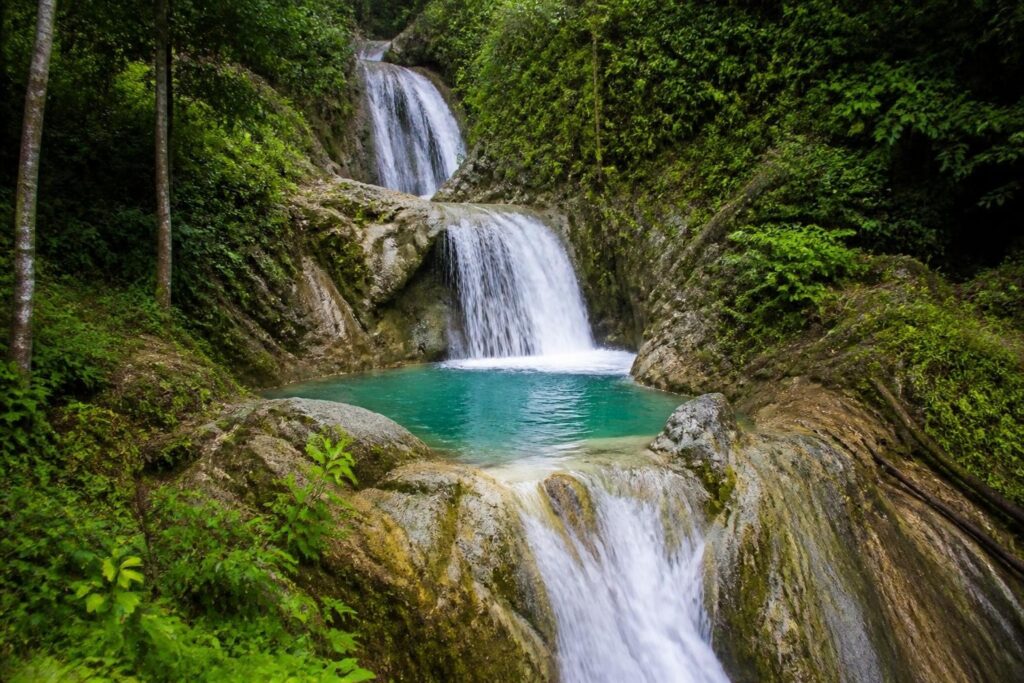
Day excursions represent more than simple getaways from your accommodation. They serve as transformative experiences that deepen your connection to nature, culture, and personal wellness. When thoughtfully integrated into a retreat experience, these adventures become catalysts for lasting change, offering opportunities to step outside comfort zones while maintaining the restorative rhythm essential to genuine renewal. In wellness-focused destinations like Costa Rica's Nicoya Peninsula, day excursions transform from tourist activities into meaningful journeys that align with your broader intentions for growth and healing.
The most impactful day excursions stem from intentional planning rather than spontaneous decisions. According to essential planning principles from the National Park Service, successful excursions balance preparation with flexibility, ensuring safety while leaving room for discovery.
Day excursions within a wellness context serve multiple purposes:
When you approach day excursions as extensions of your wellness journey rather than breaks from it, each activity reinforces your retreat's core intentions. A morning yoga session flows naturally into a jungle hike, while an afternoon spent exploring tidal pools becomes moving meditation.
Different excursions support distinct aspects of personal growth. Understanding this alignment helps you select experiences that complement rather than contradict your retreat objectives.
| Wellness Goal | Complementary Excursion Type | Benefit |
|---|---|---|
| Stress Reduction | Nature walks, waterfall visits | Lowered cortisol, nervous system regulation |
| Physical Vitality | Surfing lessons, horseback riding | Cardiovascular health, strength building |
| Mental Clarity | Solo beach time, observation hikes | Enhanced focus, creative thinking |
| Spiritual Connection | Sunrise viewpoints, sacred sites | Deepened sense of purpose, awe |
The key lies in viewing day excursions as integrated components of your wellness plan. Planning thoughtful day trips requires understanding how each activity serves your larger transformation goals.

Timing distinguishes exceptional day excursions from exhausting ones. The rhythm of your day should mirror the natural environment and honor your body's energy patterns.
Early starts offer unique advantages for day excursions. Wildlife appears most active during dawn hours, temperatures remain comfortable, and the quality of light transforms ordinary landscapes into extraordinary vistas.
Optimal morning excursions include:
Morning excursions align perfectly with the circadian rhythms emphasized in Blue Zone longevity principles. Rising with natural light and engaging physical activity early sets a foundation for balanced energy throughout the day.
The concept of strategic rest transforms day excursions from draining to energizing. Building recovery periods into your schedule prevents the burnout that plagues conventional tourism.
Between 11:00 AM and 2:00 PM, when tropical sun reaches peak intensity, shift toward contemplative activities. This might include visiting shaded cultural sites, enjoying leisurely meals featuring local ingredients, or practicing restorative yoga in air-conditioned spaces.
This rhythm honors both physiological needs and cultural wisdom. Many Costa Rican communities traditionally observe midday rest periods, recognizing that pushing through heat diminishes rather than enhances productivity.
As temperatures moderate, day excursions can resume with renewed vigor. Afternoon hours suit water-based activities particularly well, as bodies benefit from cooling immersion after morning exertion.
Consider these afternoon possibilities:
The afternoon window provides four to five productive hours before sunset, adequate time for substantive experiences without rushing.
Over-scheduling undermines the restorative purpose of wellness-focused day excursions. The paradox of planning involves creating enough structure to ensure meaningful experiences while preserving space for unexpected discoveries.
Effective day excursions allocate approximately 60% of time to planned activities and 40% to unstructured exploration. This ratio provides direction without rigidity.
Structured elements might include:
Unstructured time allows for:
This balanced approach reflects best practices for excursion planning that emphasize flexibility as a key success factor.

The most satisfying day excursions offer layered experiences rather than single-purpose activities. When destinations provide diverse opportunities, you maximize value while minimizing travel time and environmental impact.
| Destination Type | Primary Experience | Secondary Opportunities | Wellness Integration |
|---|---|---|---|
| Coastal Reserve | Beach relaxation | Tidal pool exploration, bird watching | Grounding, vitamin D, breathwork |
| Mountain Trail | Cardiovascular exercise | Plant identification, photography | Endurance, nature connection |
| Cultural Village | Artistic immersion | Culinary experiences, craft learning | Creative expression, social bonding |
| Ecological Park | Wildlife observation | Educational programs, conservation participation | Environmental awareness, purpose |
Choosing destinations that serve multiple interests prevents the frenetic pace that characterizes conventional tourism. A single location visited with presence and curiosity often provides richer experiences than rushed visits to numerous sites.
The Nicoya Peninsula offers exceptional diversity within compact distances, making it ideal for wellness-focused day excursions. Within an hour's drive from central locations, you can access:
This geographic concentration allows day excursions to emphasize quality over quantity. Understanding what makes ideal day excursions includes recognizing that fewer, deeper experiences typically prove more transformative than exhaustive checklists.
Preparation extends beyond packing lists to encompass mental and physical readiness. Approaching day excursions with intentionality amplifies their impact on overall wellness.
Day excursions offer maximum benefit when you approach them with clear intentions. Before departing, spend five minutes identifying what you hope to gain from the experience.
Intention-setting questions include:
This brief practice transforms day excursions from external activities into internal journeys. The same waterfall visit becomes vastly different when approached as photography exercise versus contemplative retreat.
The false dichotomy between adventure and restoration dissolves when day excursions honor both energies. The most impactful experiences alternate between activation and integration.
Physical challenges followed by intentional rest create optimal conditions for strength building and stress resilience. This principle, well-established in athletic training, applies equally to wellness travel.
A demanding morning horseback riding adventure might precede an afternoon massage session. Challenging surf lessons for first-timers naturally lead to sunset yoga practice.
Sample integrated day excursion schedule:
| Time | Activity | Energy Type | Purpose |
|---|---|---|---|
| 6:30 AM | Sunrise meditation | Contemplative | Intention setting |
| 7:00 AM | Jungle hike | Active | Cardiovascular health |
| 10:00 AM | Swimming at natural pool | Moderate | Recovery, cooling |
| 12:30 PM | Farm-to-table lunch | Restorative | Nourishment, cultural connection |
| 2:00 PM | Rest period | Passive | Energy restoration |
| 4:00 PM | Gentle beach walk | Low active | Reflection, vitamin D |
| 6:00 PM | Return and journaling | Contemplative | Experience integration |
This rhythm prevents the depletion common to conventional day trips while maintaining engagement and discovery.

Responsible day excursions minimize ecological impact while maximizing personal benefit. This alignment reflects the interconnection between environmental and personal health central to authentic wellness.
Traditional outdoor ethics provide frameworks for conscious day excursions:
These practices transform day excursions into expressions of environmental stewardship rather than consumption.
Transportation often represents the largest environmental impact of day excursions. Minimizing this footprint while maintaining access to diverse experiences requires creative solutions.
Lower-impact transportation options:
The Nicoya Peninsula's compact geography makes these approaches particularly viable, allowing meaningful exploration without extensive travel.
Day excursions provide gateways to authentic cultural exchange when approached with humility and genuine curiosity. Surface-level tourism transforms into meaningful connection through intentional engagement.
Visiting communities outside tourist centers requires awareness of power dynamics and cultural protocols. Planning culturally responsible excursions involves research and local guidance.
Guidelines for cultural day excursions:
These practices honor the communities that host wellness travelers while enriching your own experience through genuine human connection.
Culinary experiences during day excursions offer accessible entry points to cultural understanding. Sharing meals prepared by local families reveals values, traditions, and agricultural practices that define regional identity.
Seek opportunities to participate in food preparation rather than simply consuming finished dishes. Learning to make traditional tortillas or prepare Costa Rican coffee from harvested beans creates embodied knowledge that persists long after retreat ends.
Physical and emotional safety enable the vulnerability required for transformative experiences. Comprehensive safety planning removes barriers to full engagement.
Different day excursions present distinct safety considerations requiring specific preparations:
| Activity Type | Primary Risks | Mitigation Strategies |
|---|---|---|
| Water-based | Currents, marine life, sun exposure | Local knowledge, life vests, reef-safe sunscreen |
| Jungle hiking | Dehydration, heat, wildlife encounters | Adequate water, appropriate clothing, guided expertise |
| Cultural visits | Miscommunication, cultural insensitivity | Language preparation, cultural briefing |
| Adventure sports | Physical injury, equipment failure | Professional instruction, quality gear, insurance |
Comprehensive trip planning guidance emphasizes that safety preparation enhances rather than diminishes spontaneity by reducing anxiety.
Remote locations offering the most profound nature connection often lack cellular service. Establishing communication protocols before departure proves essential.
Inform retreat staff of your day excursion plans, including expected departure and return times. Carry physical maps as backup to GPS systems dependent on connectivity. Know locations of nearest medical facilities and emergency contact numbers.
This preparation enables confident exploration, trusting that support systems exist if needed.
The hours following day excursions significantly impact their long-term value. Integration practices transform discrete experiences into lasting insights and behavioral changes.
Within two hours of returning from day excursions, dedicate 15-20 minutes to structured reflection. This window captures fresh impressions before mental processing begins obscuring immediate experiences.
Effective integration questions:
Journaling responses creates reference points for future reflection, revealing patterns across multiple day excursions.
Discussing day excursions with fellow retreat participants deepens understanding through diverse perspectives. However, the modern impulse toward immediate social media sharing often short-circuits genuine integration.
Consider establishing a 24-hour buffer before posting about experiences online. This delay allows personal processing before external performance, preserving the introspective value of day excursions.
When you do share, focus on internal experiences rather than external achievements. "I discovered unexpected strength navigating challenging terrain" offers more value than "I hiked five miles today."
Costa Rica's distinct wet and dry seasons significantly influence optimal day excursion choices. Understanding these patterns allows strategic planning that works with rather than against natural cycles.
Lower rainfall and calmer seas create ideal conditions for specific day excursions during these months:
However, dry season also brings increased visitor numbers to popular sites. Seeking lesser-known destinations maintains the peaceful atmosphere essential to wellness travel.
Rather than viewing wet season as limitation, recognize unique opportunities it provides:
Wet season excursion benefits:
The extraordinary phenomenon of bioluminescent water often peaks during wet season months, offering day excursions (technically evening excursions) unavailable during drier periods.
Strategic technology use enhances day excursions without dominating them. The goal involves leveraging tools that increase safety and learning while minimizing distraction.
Download necessary applications and data before departing to areas with limited connectivity. This preparation ensures functionality without dependence on cellular service.
Paradoxically, bringing technology on day excursions works best when combined with strict usage boundaries. Designate specific times for device use rather than constant availability.
Photography provides legitimate technology use during excursions, but even this benefits from limitation. Consider restricting photos to specific periods rather than continuous documentation, preserving unmediated experience.
Multi-day retreat formats allow day excursions to build upon each other, creating progressive challenge and deepening engagement. Strategic sequencing maximizes this developmental potential.
Early retreat day excursions might emphasize gentle exploration and acclimatization, while later experiences incorporate increased physical or emotional challenge as confidence builds.
Sample five-day excursion progression:
This sequence honors the body's adaptation timeline while creating psychological safety through gradual exposure. Each successful day excursion builds confidence for the next level of challenge.
Alternatively, day excursions might follow thematic threads rather than difficulty progressions. A water-focused sequence could explore oceans, rivers, waterfalls, and bioluminescent bays across multiple days. This approach deepens understanding of specific elements through varied contexts.
Thematic coherence transforms disparate day excursions into comprehensive learning experiences, each activity illuminating different facets of central concepts.
Day excursions thoughtfully integrated into wellness retreats become far more than recreational diversions. They serve as catalysts for transformation, offering experiences that challenge, restore, and inspire in equal measure. When you're ready to explore how intentional day excursions can deepen your wellness journey, Soluna designs bespoke retreat experiences in Costa Rica's Nicoya Blue Zone, where each adventure serves your broader intentions for growth, healing, and connection to the extraordinary natural world.