The modern world demands constant connectivity, relentless productivity, and perpetual engagement with digital devices. This lifestyle creates mounting stress, disconnection from our bodies, and a fragmented approach to wellbeing that addresses symptoms rather than root causes. A holistic health retreat offers an antidote to this fragmentation by treating the whole person-mind, body, and spirit-in an immersive environment designed to restore balance and catalyze lasting transformation.
Traditional medical approaches often compartmentalize health into separate systems, treating physical ailments independently from mental or emotional wellbeing. The holistic health retreat model challenges this reductionist perspective by recognizing that every dimension of human existence influences overall wellness.
At its core, the holistic approach acknowledges interconnectedness. Physical tension manifests emotional stress. Nutritional deficiencies impact mental clarity. Spiritual disconnection creates purposelessness that undermines motivation for healthy behaviors. Research on residential retreats demonstrates significant improvements across multiple health domains when interventions address the whole person rather than isolated symptoms.
Effective holistic health retreats structure programming around comprehensive wellness dimensions:
This multidimensional framework ensures that participants address underlying patterns rather than merely managing surface-level symptoms. The retreat environment removes daily distractions, creating space for profound self-examination and growth.
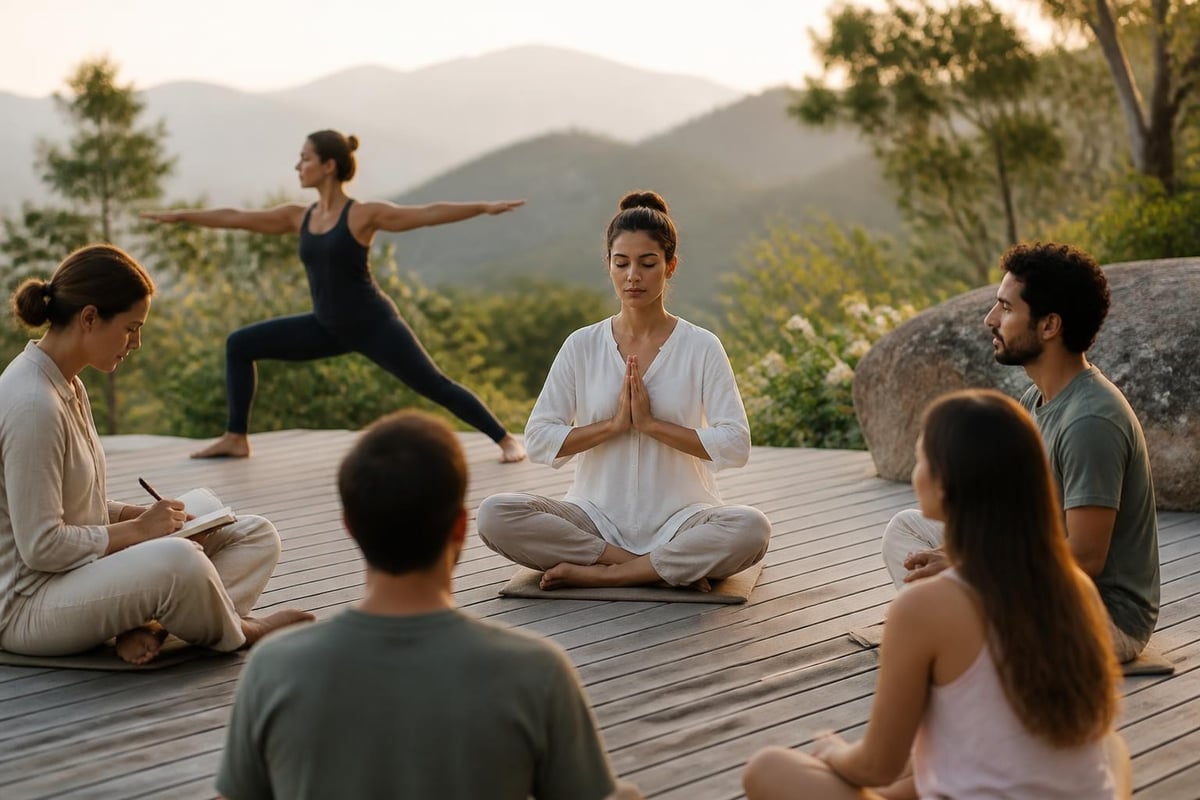
The distinguishing characteristic of a holistic health retreat lies in the synergistic combination of healing modalities. Rather than offering isolated activities, these retreats weave diverse practices into a cohesive journey.
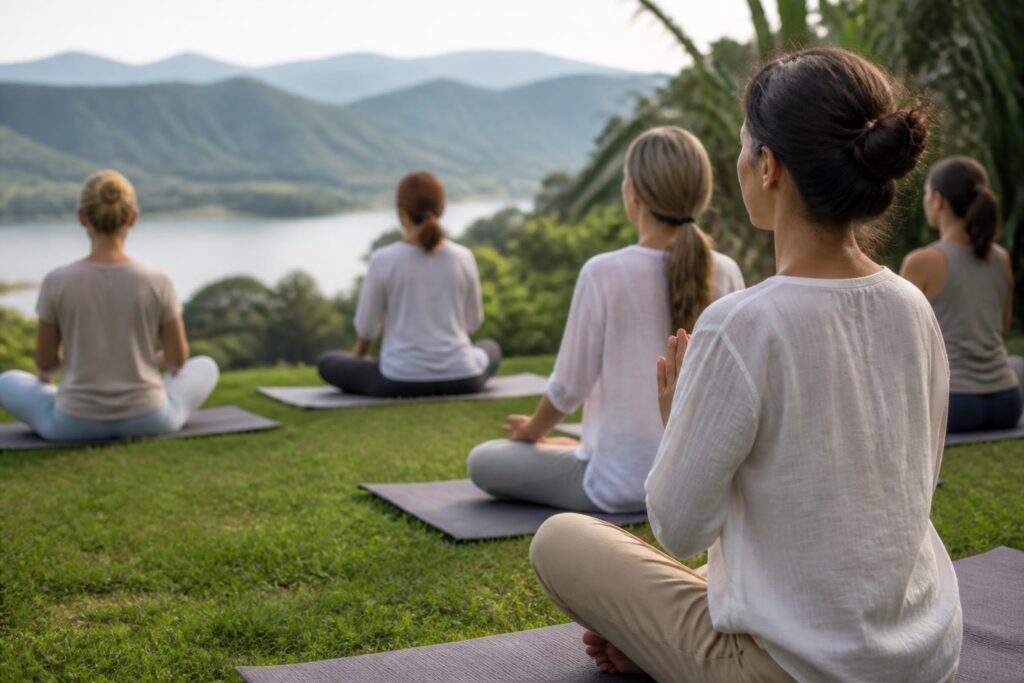
Yoga serves as a cornerstone practice at most holistic health retreats, uniting physical postures with breathwork and meditation. The practice strengthens the body while calming the nervous system and focusing the mind. Many retreats complement yoga with other movement forms such as tai chi, qigong, or dance therapy.
Nature-based activities provide both physical challenge and mental restoration. Jungle hikes through biodiverse ecosystems engage the body while offering the psychological benefits of forest bathing. Surfing, paddleboarding, and swimming create playful movement opportunities that reduce cortisol levels and increase endorphin production.
Bodywork therapies address physical tension patterns that store emotional trauma. Wellness massages release muscular holding patterns, improve circulation, and activate the parasympathetic nervous system for deep relaxation.
Holistic health retreats recognize food as medicine, offering nutrient-dense meals that support cellular regeneration and gut health. Plant-forward menus emphasize local, organic ingredients that provide maximum nutritional value while minimizing inflammatory triggers.
Beyond meal composition, retreats cultivate mindful eating practices. Participants learn to recognize hunger cues, identify emotional eating patterns, and develop a healthier relationship with food. Cooking classes and farm tours deepen understanding of food sourcing and preparation.
| Nutritional Focus | Benefits | Common Offerings |
|---|---|---|
| Anti-inflammatory foods | Reduced joint pain, improved energy | Turmeric dishes, omega-3 rich meals |
| Gut health optimization | Enhanced digestion, stronger immunity | Fermented foods, prebiotic vegetables |
| Blood sugar balance | Stable energy, reduced cravings | Complex carbohydrates, protein-rich meals |
| Detoxification support | Improved liver function, clearer skin | Green juices, herbal teas |
Meditation instruction provides tools for managing stress, increasing self-awareness, and developing emotional regulation. Various techniques-from mindfulness meditation to loving-kindness practice-allow participants to discover methods that resonate with their temperament.
Journaling exercises facilitate self-reflection and pattern recognition. Guided prompts help participants explore belief systems, identify limiting narratives, and envision desired futures. The retreat setting provides uninterrupted time for this inner work that daily life rarely affords.
Studies on trauma-informed retreats show significant reductions in posttraumatic symptoms and depression when holistic interventions combine therapeutic modalities with experiential healing practices. Group sharing circles create safe containers for vulnerability and mutual support.
Geography profoundly influences the retreat experience. The natural environment serves not as mere backdrop but as active participant in the healing process.
Costa Rica's Nicoya Peninsula-one of five Blue Zones where people live significantly longer, healthier lives-provides an ideal setting for holistic health retreats. The region's combination of mineral-rich water, fresh tropical fruits, strong community bonds, and purposeful living creates optimal conditions for vitality.
Retreat participants absorb more than just the scheduled activities. They experience lifestyle patterns associated with exceptional longevity: slower rhythms, outdoor living, plant-based nutrition, and meaningful social connections. This immersive exposure to Blue Zone principles facilitates lasting behavior change more effectively than intellectual understanding alone.
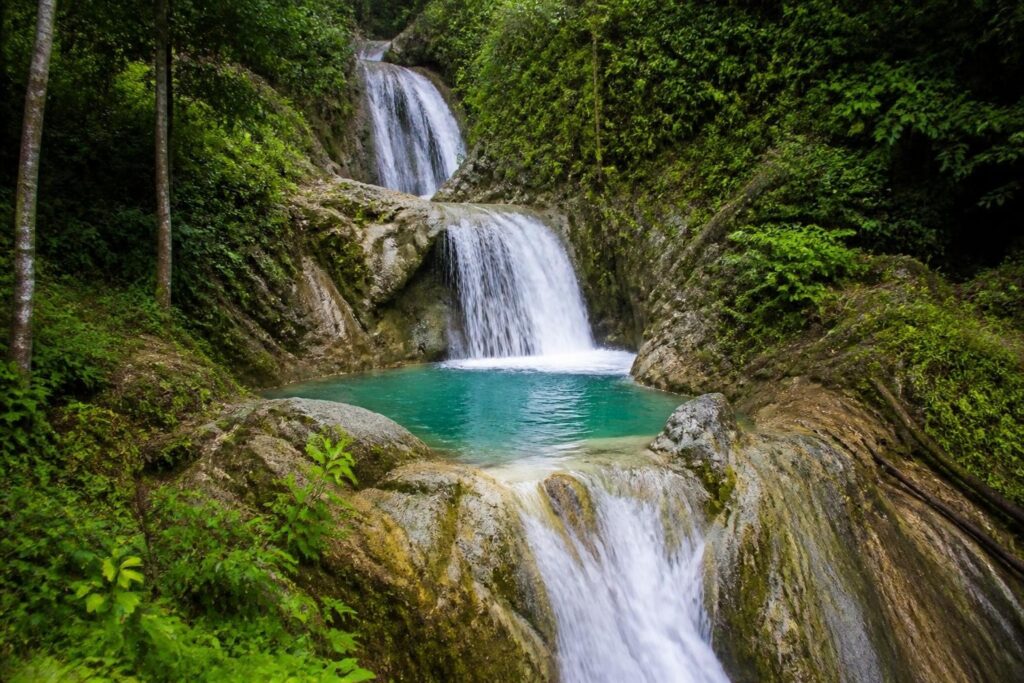
Biodiversity enriches the sensory experience in ways that support healing. Morning bird songs regulate circadian rhythms. Ocean sounds entrain brainwaves to alpha states associated with relaxation. The negative ions generated by waterfalls and bioluminescent waters improve mood and energy levels.
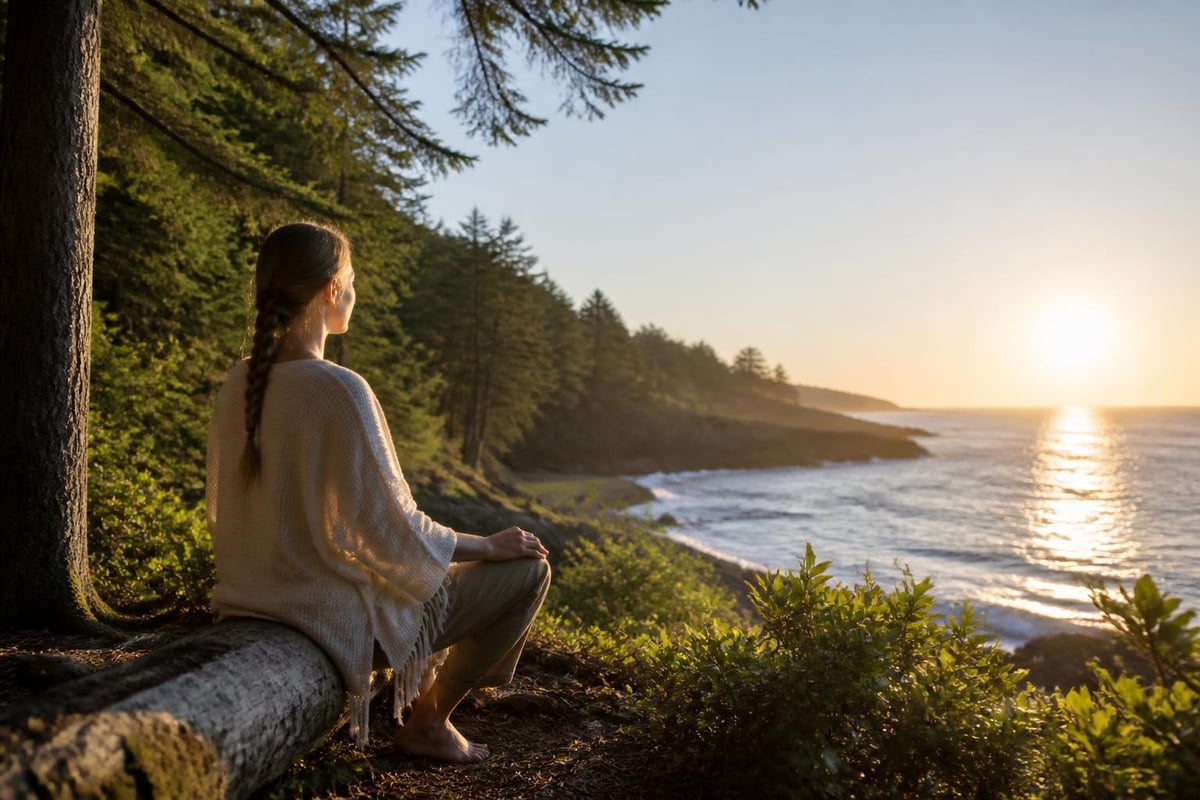
Walking meditation through jungle trails engages different neural pathways than indoor practice. The unpredictability of natural settings demands present-moment awareness, naturally training mindfulness skills. Wildlife encounters during hikes inspire awe, an emotion linked to reduced inflammation and increased life satisfaction.
Not all holistic health retreats offer identical programming. Understanding your specific needs and goals helps identify the most beneficial experience.
Before selecting a retreat, conduct honest self-assessment:
Your answers guide selection of retreat duration, intensity level, and programming focus. The rise of holistic health in travel reflects growing recognition that wellness journeys should align with individual needs rather than one-size-fits-all approaches.
Group retreats offer community support and shared experiences that reduce isolation. Fellow participants become mirrors for self-recognition and sources of encouragement during challenging moments. However, group settings may feel uncomfortable for introverts or those processing sensitive material.
Private retreats provide customization impossible in group formats. Schedules adapt to individual energy levels and interests. One-on-one instruction accelerates skill development. Activities cater to specific goals rather than general programming. The intimacy of private retreats particularly benefits those seeking deep personal work or managing health conditions requiring specialized attention.
Hybrid approaches combine private accommodations with optional group activities, offering flexibility to engage socially or retreat into solitude as needed.
The most transformative holistic health retreat experiences extend beyond the departure date. Sustainable change requires intentional integration of insights and practices into daily life.
During the final retreat days, develop realistic implementation plans:
Write these commitments down. Share them with an accountability partner. Schedule calendar reminders for the first month to reinforce new patterns before motivation wanes.
Returning to demanding environments after a holistic health retreat creates predictable challenges. Anticipate these obstacles and develop strategies:
| Challenge | Solution Strategy |
|---|---|
| Information overload | Implement email batching, limit news consumption |
| Schedule overwhelm | Block non-negotiable self-care time before filling calendar |
| Relationship friction | Communicate boundary changes clearly and compassionately |
| Environmental triggers | Modify physical spaces to support new habits |
| Motivation dips | Review journal entries, photos to reconnect with retreat insights |
Consider scheduling a follow-up retreat within six months. This commitment provides a motivational anchor and opportunity to assess progress. Mental health-focused retreats recognize that lasting transformation often requires multiple immersive experiences rather than single interventions.

Beyond foundational practices, specialized modalities deepen the holistic health retreat experience and address specific healing needs.
Physical challenges in natural settings create opportunities for breakthrough experiences. Zip-lining through forest canopies requires confronting fear and trusting equipment and guides. Successfully navigating these challenges builds self-efficacy that transfers to other life domains.
Surfing offers particularly rich metaphorical material. Learning to read waves, time entry, and maintain balance while navigating unpredictable forces mirrors life skills for managing change and uncertainty. The immediate feedback loop-you either catch the wave or you don't-teaches present-moment awareness without the narrative overlay that complicates land-based challenges.
Engaging with local communities expands worldview and challenges assumptions. Farm tours demonstrating traditional agriculture reveal different relationships with land, food, and time. Witnessing simpler lifestyles that emphasize sufficiency over accumulation provides counterweight to consumer culture's endless wanting.
Participating in conservation activities like turtle hatchery programs connects personal wellness to planetary health. This expanded perspective addresses the isolation and meaninglessness that contribute to mental health challenges in industrialized societies.
Quality sleep remains fundamental to all dimensions of health, yet modern lifestyles systematically undermine restorative rest. Holistic health retreats prioritize sleep through multiple interventions.
Sunset activities signal the body's natural transition toward rest. Bioluminescence tours create magical experiences while limiting artificial light exposure that suppresses melatonin production. Gentle evening yoga or tai chi helps discharge residual tension.
Sleep hygiene education covers circadian rhythm optimization, temperature regulation, and pre-sleep routines. Participants learn to recognize how caffeine timing, alcohol consumption, and screen exposure sabotage rest quality.
Premium retreats represent significant financial and time commitments. Strategic preparation maximizes return on this investment.
Begin transitioning lifestyle habits several weeks before arrival. Gradually reduce caffeine, alcohol, and processed food consumption. This preliminary detoxification prevents harsh withdrawal symptoms that could overshadow the early retreat experience.
Develop preliminary intentions. What aspects of life feel unsustainable? What patterns no longer serve your wellbeing? What possibilities excite you? Writing these reflections creates baseline awareness that allows you to measure transformation.
Communicate boundaries with work and family. Set email auto-responses. Delegate responsibilities. The psychological freedom to fully disconnect requires advance planning rather than hoping circumstances accommodate spontaneous unavailability.
Resist the urge to document every moment. While some photos preserve memories, constant photography prevents full presence. Designate specific times for capturing images rather than interrupting experiences to create content.
Honor your body's signals. If you need rest instead of attending a scheduled activity, rest. The holistic health retreat model recognizes that genuine healing requires responsiveness to individual needs rather than rigid adherence to programming.
Engage vulnerability. Share authentically in group settings. Ask questions during instruction. Request modifications when practices don't suit your body. The depth of transformation correlates with willingness to show up fully rather than performing invulnerability.
Consider retreats as periodic recalibration rather than isolated events. Annual or biannual immersive experiences prevent gradual drift back into unsustainable patterns. Many retreat centers offer return visitor benefits that make repeat experiences more accessible.
Maintain connections with fellow participants through virtual check-ins or small group gatherings. These relationships provide ongoing support and accountability that extend retreat benefits long after returning home.
Explore different retreat categories that emphasize various aspects of holistic wellness. One experience might focus on physical restoration while another emphasizes spiritual development, creating complementary growth across multiple dimensions.
Unlike conventional health metrics focused solely on physical markers, holistic progress requires multidimensional assessment.
Pay attention to subtle shifts in daily experience:
Keep a simple daily rating (1-10 scale) across these dimensions. Patterns emerge over weeks that reveal genuine progress versus temporary mood fluctuations.
Sustainable change manifests through consistent action:
Track these behaviors without judgment. Data provides feedback for adjusting strategies rather than evidence for self-criticism when perfection proves elusive.
True holistic transformation touches every aspect of existence. Notice impacts in unexpected areas:
These second-order effects often indicate deeper transformation than more obvious health metrics.
A holistic health retreat addresses the root causes of modern malaise by integrating mind, body, and spirit healing in immersive natural environments. The transformative power emerges not from individual practices alone but from their synergistic combination within settings designed to support profound personal evolution. Soluna provides bespoke wellness journeys in Costa Rica's Nicoya Blue Zone, combining yoga, adventure activities, and transformative experiences that help you disconnect from daily stress and reconnect with your authentic wellbeing. Start your holistic transformation today with a private retreat designed around your unique wellness goals.